Gloria D. Heinemann – författare
Visar alla böcker från författaren Gloria D. Heinemann. Handla med fri frakt och snabb leverans.
3 produkter
3 produkter
Inbunden, Engelska, 2002
1 113 kr
Skickas inom 10-15 vardagar
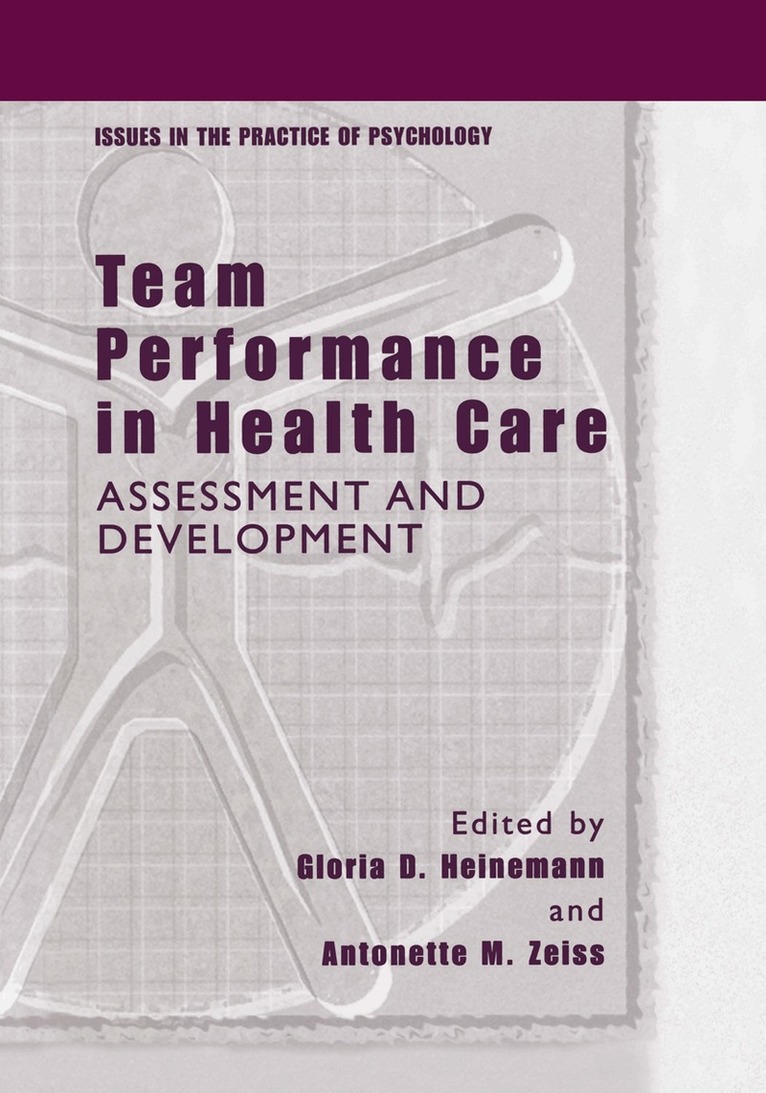
This volume presents the work of clinical health care teams and natural work groups, quality improvement teams, committees, and task forces made up of employees in health care settings. Collaboration and interdependence in health care is necessary for health professionals to provide quality treatment and care to patients with complex, chronic problems. Working together fosters collaboration and interactive problem-solving among professionals from diverse disciplines and promotes understanding of the roles and contributions all disciplines make in delivering care and services to patients. Evaluating quality in the delivery of care and services to patients is also an important component of team performance as well as patient responses. This text discusses proven multidimensional instruments that measure team performance along with future needs for measuring team performance.
Häftad, Engelska, 2012
1 114 kr
Skickas inom 10-15 vardagar
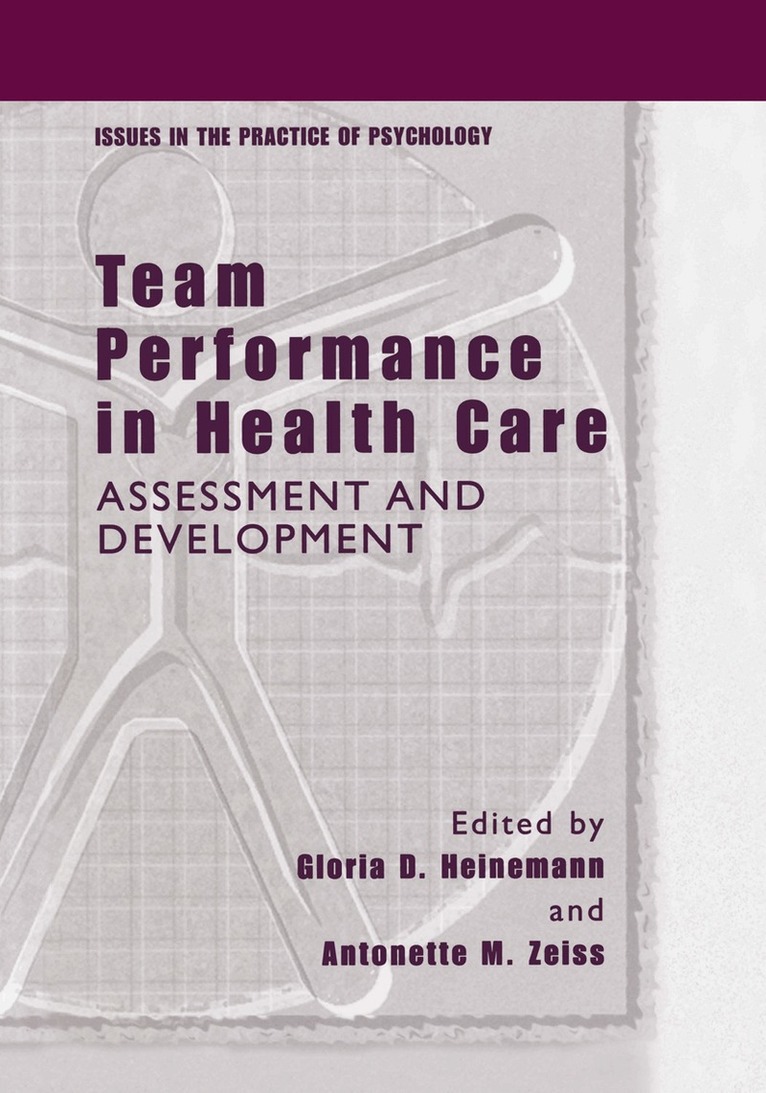
The idea ofteamwork in health care emerged at several times during the th 20 centuryas the resultofshifts in the nature and demandsofhealth care and societal needs. Examples include medical and surgical teams serving the military in World War II, primary care teams staffing Community Health Centers created by President Johnson's War On Poverty, and geriatric care teams established to serve the rapidly growing number of aging citizens. Collaborative teamwork surfaced as a rational solution to health care needs, but political and economic consensus to support widespread implementation was lacking. The increasing complexity ofproviding health care seemed best served by the skills and efforts of interdisciplinary teams, but such care was viewed as expensive so e.valuation ofits effectiveness became essential. There were major problems in conducting such evaluation, however. First, no clear theory guided the concept and practice of teamwork. Early attempts to employ theoretical constructs explaining the behavioral and organizational phenomena of teamwork borrowed from theories of group dynamics, communication, organizational development, and general systems. Further, few reliable, validated instruments existed to evaluate team process, function, or effectiveness. The best early efforts at research and evaluation came from academic centers funded by the Office of Interdisciplinary Programs of the Bureau of Health Professions (1975-78) and from the Veterans Affairs' Interprofessional Team Training & Development Program.
E-bok
PDF, Engelska, 20121 459 kr
Läs direkt efter köp
The idea ofteamwork in health care emerged at several times during the th 20 centuryas the resultofshifts in the nature and demandsofhealth care and societal needs. Examples include medical and surgical teams serving the military in World War II, primary care teams staffing Community Health Centers created by President Johnson''s War On Poverty, and geriatric care teams established to serve the rapidly growing number of aging citizens. Collaborative teamwork surfaced as a rational solution to health care needs, but political and economic consensus to support widespread implementation was lacking. The increasing complexity ofproviding health care seemed best served by the skills and efforts of interdisciplinary teams, but such care was viewed as expensive so e.valuation ofits effectiveness became essential. There were major problems in conducting such evaluation, however. First, no clear theory guided the concept and practice of teamwork. Early attempts to employ theoretical constructs explaining the behavioral and organizational phenomena of teamwork borrowed from theories of group dynamics, communication, organizational development, and general systems. Further, few reliable, validated instruments existed to evaluate team process, function, or effectiveness. The best early efforts at research and evaluation came from academic centers funded by the Office of Interdisciplinary Programs of the Bureau of Health Professions (1975-78) and from the Veterans Affairs'' Interprofessional Team Training & Development Program.