Gloria M Alvarez – författare
1 244 kr
Kommande
6 826 kr
Skickas inom 5-8 vardagar
5 764 kr
Läs direkt efter köp
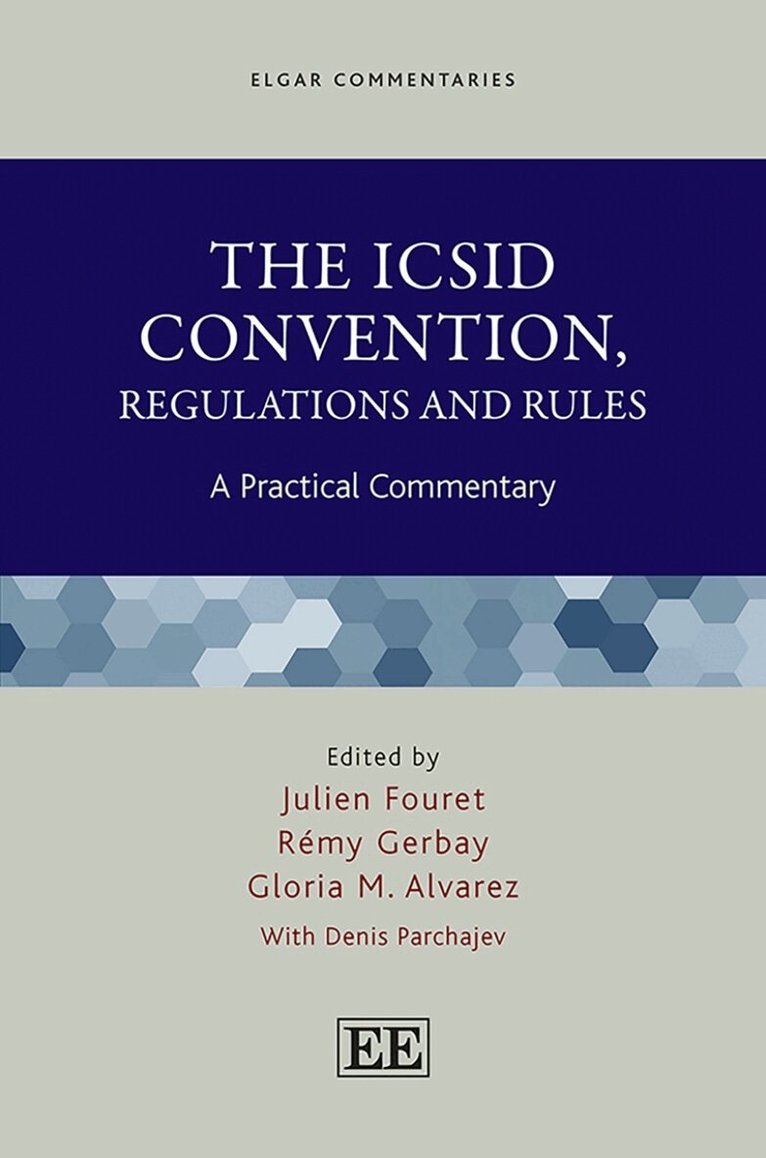
Key features include:
Contributions from leading practitioners, academics and government officials in the field of international investment law and arbitration, drawn from different backgrounds and jurisdictions to give an exhaustive view of the topicAnalysis of current thinking around proposed amendments to ICSID Rules, together with an examination of potential future developments in their interpretation and implementation Inclusion of the full text of the Convention, Regulations and Rules provided for ease of referenceDetailed commentary on the Convention, Regulations and Rules, including up-to-date analysis of all significant case-law.Highly practical information and insights presented in an accessible format, ideal for use by Arbitration Tribunals.This unique and comprehensive work will be an essential resource for practising lawyers and policy-makers in the investment arbitration community. The book will also be an important reference work for researchers and academics in international investment law and international arbitration.
2 748 kr
Skickas inom 5-8 vardagar
2 340 kr
Läs direkt efter köp
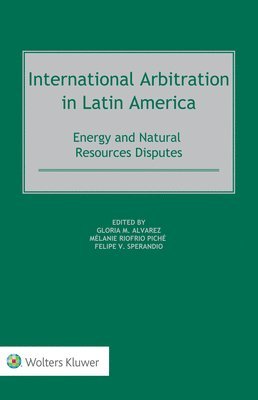
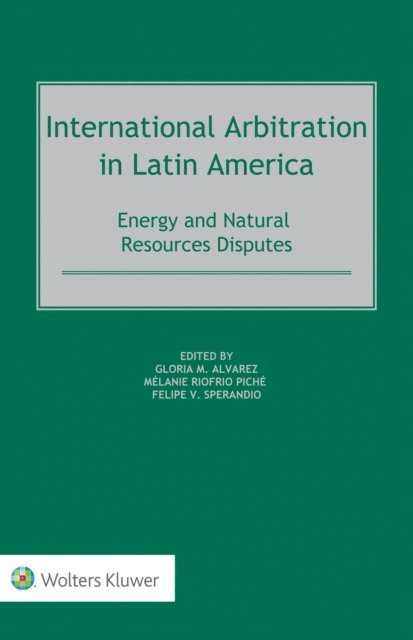
Energy projects in Latin America are a major contributor to economic growth worldwide. This book is the first to offer a comprehensive, in-depth analysis of specific issues arising from energy and natural resources contracts and disputes in the region, covering a wide range of procedural, substantive, and socio-legal issues. The book also includes how states have shifted from passive business partners to more active controlling players.
The book contains an extensive treatment and examination of the particularities of arbitration practice in Latin America, including arbitrability, public order, enforcement, and the complex public-private nature of energy transactions. Specialists experienced in resolving international energy and natural disputes throughout the region provide detailed analysis of such issues and topics, including:
state-owned entities as co-investors or contracting parties; role of environmental law, indigenous rights and public participation; issues related to political changes, corruption, and quantification of damages; climate change, renewable energy, and the energy transition; force majeure, hardship, and price reopeners; arbitration in the electricity sector; take-or-pay contracts; recognition and enforcement of awards; tension between stabilization clauses and human rights; mediation as a method for dispute settlement in the energy and natural resources sector; and different comparative approaches taken by national courts in key Latin American jurisdictions.The book also delivers a clear explanation on the impact made to the arbitration process by Covid-19, emerging laws, changes of political circumstances, the economic global trends in the oil & gas market, the energy transition, and the rise of new technologies. This invaluable book will be welcomed by in-house lawyers, government officials, as well as academics and rest of the arbitration community involved in international arbitration with particular interest in the energy and natural resources sector.
2 340 kr
Läs direkt efter köp
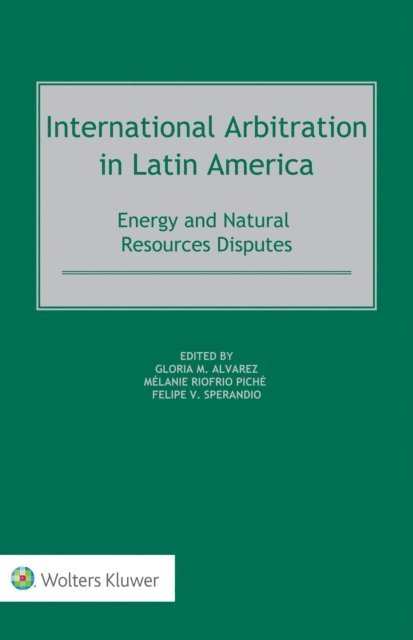
Energy projects in Latin America are a major contributor to economic growth worldwide. This book is the first to offer a comprehensive, in-depth analysis of specific issues arising from energy and natural resources contracts and disputes in the region, covering a wide range of procedural, substantive, and socio-legal issues. The book also includes how states have shifted from passive business partners to more active controlling players.
The book contains an extensive treatment and examination of the particularities of arbitration practice in Latin America, including arbitrability, public order, enforcement, and the complex public-private nature of energy transactions. Specialists experienced in resolving international energy and natural disputes throughout the region provide detailed analysis of such issues and topics, including:
state-owned entities as co-investors or contracting parties; role of environmental law, indigenous rights and public participation; issues related to political changes, corruption, and quantification of damages; climate change, renewable energy, and the energy transition; force majeure, hardship, and price reopeners; arbitration in the electricity sector; take-or-pay contracts; recognition and enforcement of awards; tension between stabilization clauses and human rights; mediation as a method for dispute settlement in the energy and natural resources sector; and different comparative approaches taken by national courts in key Latin American jurisdictions.The book also delivers a clear explanation on the impact made to the arbitration process by Covid-19, emerging laws, changes of political circumstances, the economic global trends in the oil & gas market, the energy transition, and the rise of new technologies. This invaluable book will be welcomed by in-house lawyers, government officials, as well as academics and rest of the arbitration community involved in international arbitration with particular interest in the energy and natural resources sector.
2 699 kr
Skickas inom 5-8 vardagar
2 217 kr
Läs direkt efter köp
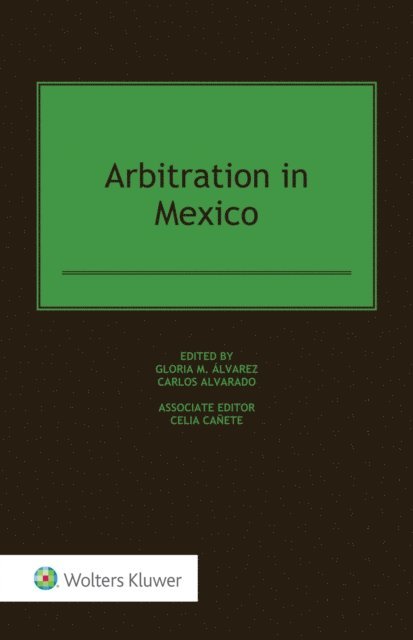
Mexico has played a major role in shaping the growth and development of international arbitration practice, in great part due to its global prominence at the competitive forefront of manufacturing, agriculture, telecommunications, finance, real estate, tourism, trade, and commercial transactions, all while crafting its own policies to achieve the energy transition. In addition, its close ties with the United States and Canada, as well as its important business relations with the rest of the world, have made Mexico a leading subject of investment treaty practice. This book, the most comprehensive English book on the subject, offers a thorough practical analysis of arbitration in Mexico in a variety of specific fields as well in-depth description and analysis of the role and attitude of national courts towards arbitration and of national, regional, and international arbitration institutions.
Written by the leading lights of Mexican arbitration practice and scholarship, the contributions clearly and succinctly disentangle complex but common issues arising in commercial and investment treaty disputes. Features of Mexico’s dynamic body of arbitration law and practice covered include the following:
legal framework in which arbitration in Mexico operates;
characterization of international arbitration principles by Mexican courts;
cases which require decisions by a national court or authority;
public policy and arbitrability;
authority and duties of the arbitral tribunal;
document production in the Mexican arbitration practice;
judicial intervention in support of international arbitration;
state entities as actors in arbitration disputes;
hydrocarbons, power and M&A disputes;
use of technology in arbitral proceedings; and
quantum and damages.
This first comprehensive book in English on arbitration law and practice in Mexico provides an in-depth understanding of all of Mexico’s arbitration law and practice nationwide, practical guidance on identifying and assessing the different theoretical and practical legal avenues available, and relevant usages of ADR mechanisms in commercial disputes. It will prove of immeasurable value for arbitrators, judges, in-house counsel, Mexican state-owned companies, global law firms, large- and medium-sized companies doing transnational business, policymakers, and arbitration academics.
2 217 kr
Läs direkt efter köp
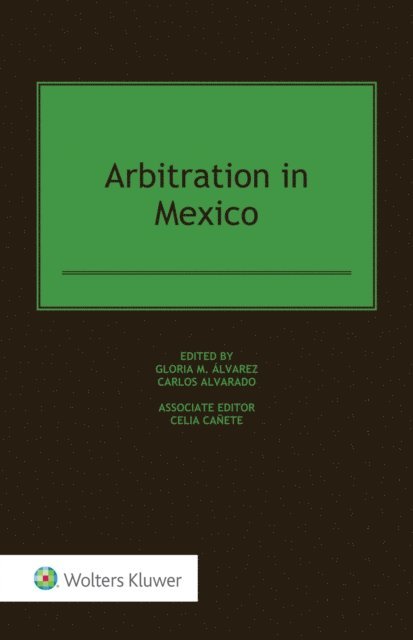
Mexico has played a major role in shaping the growth and development of international arbitration practice, in great part due to its global prominence at the competitive forefront of manufacturing, agriculture, telecommunications, finance, real estate, tourism, trade, and commercial transactions, all while crafting its own policies to achieve the energy transition. In addition, its close ties with the United States and Canada, as well as its important business relations with the rest of the world, have made Mexico a leading subject of investment treaty practice. This book, the most comprehensive English book on the subject, offers a thorough practical analysis of arbitration in Mexico in a variety of specific fields as well in-depth description and analysis of the role and attitude of national courts towards arbitration and of national, regional, and international arbitration institutions.
Written by the leading lights of Mexican arbitration practice and scholarship, the contributions clearly and succinctly disentangle complex but common issues arising in commercial and investment treaty disputes. Features of Mexico’s dynamic body of arbitration law and practice covered include the following:
legal framework in which arbitration in Mexico operates;
characterization of international arbitration principles by Mexican courts;
cases which require decisions by a national court or authority;
public policy and arbitrability;
authority and duties of the arbitral tribunal;
document production in the Mexican arbitration practice;
judicial intervention in support of international arbitration;
state entities as actors in arbitration disputes;
hydrocarbons, power and M&A disputes;
use of technology in arbitral proceedings; and
quantum and damages.
This first comprehensive book in English on arbitration law and practice in Mexico provides an in-depth understanding of all of Mexico’s arbitration law and practice nationwide, practical guidance on identifying and assessing the different theoretical and practical legal avenues available, and relevant usages of ADR mechanisms in commercial disputes. It will prove of immeasurable value for arbitrators, judges, in-house counsel, Mexican state-owned companies, global law firms, large- and medium-sized companies doing transnational business, policymakers, and arbitration academics.