Gordon Noble – författare
Visar alla böcker från författaren Gordon Noble. Handla med fri frakt och snabb leverans.
7 produkter
7 produkter
Inbunden, Engelska, 2006
1 540 kr
Skickas inom 7-10 vardagar
This is an account of the Neolithic period in Scotland from its earliest traces around 4000 BC to the transformation of Neolithic society in the Early Bronze Age fifteen hundred years later. Gordon Noble inteprets Scottish material in the context of debates and issues in European archaeology, comparing sites and practices identified in Scotland to those found elsewhere in Britain and beyond. He considers the nature and effects of memory, sea and land travel, ritualisation, island identities, mortuary practice, symbolism and environmental impact. He synthesises excavations and research conducted over the last century and more, bringing together the evidence for understanding what happened in Scotland during this long period. His long-term and regionally based analysis suggests new directions for the interpretation of the Neolithic more generally. After outlining the chronology of the Neolithic in Europe Dr Noble considers its origins in Scotland. He investigates why the Earlier Neolithic in Scotland is characterised by regionally-distinct monumental traditions and asks if these reflect different conceptions of the world. He uses a long-term perspective to explain the nature of monumental landscapes in the Later Neolithic and considers whether Neolithic society as a whole might have been created and maintained through interactions at places where large-scale monuments were built. He ends by considering how the Neolithic was transformed in the Early Bronze Age through the manipulation of the material remains of the past. Neolithic Scotland provides a comprehensive, approachable and up-to-date account of the Scottish Neolithic. Such a book has not been available for many years. It will be widely welcomed.
Häftad, Engelska, 2006
496 kr
Skickas inom 11-20 vardagar
This is an account of the Neolithic period in Scotland from its earliest traces around 4000 BC to the transformation of Neolithic society in the Early Bronze Age fifteen hundred years later. Gordon Noble inteprets Scottish material in the context of debates and issues in European archaeology, comparing sites and practices identified in Scotland to those found elsewhere in Britain and beyond. He considers the nature and effects of memory, sea and land travel, ritualisation, island identities, mortuary practice, symbolism and environmental impact. He synthesises excavations and research conducted over the last century and more, bringing together the evidence for understanding what happened in Scotland during this long period. His long-term and regionally based analysis suggests new directions for the interpretation of the Neolithic more generally. After outlining the chronology of the Neolithic in Europe Dr Noble considers its origins in Scotland. He investigates why the Earlier Neolithic in Scotland is characterised by regionally-distinct monumental traditions and asks if these reflect different conceptions of the world. He uses a long-term perspective to explain the nature of monumental landscapes in the Later Neolithic and considers whether Neolithic society as a whole might have been created and maintained through interactions at places where large-scale monuments were built. He ends by considering how the Neolithic was transformed in the Early Bronze Age through the manipulation of the material remains of the past. Neolithic Scotland provides a comprehensive, approachable and up-to-date account of the Scottish Neolithic. Such a book has not been available for many years. It will be widely welcomed.
Inbunden, Engelska, 2017
1 420 kr
Skickas inom 7-10 vardagar
The Neolithic period is one of the great transformations in human history - when agriculture first began and dramatic changes occurred in human society. These changes occurred in environments that were radically different to those that exist today, and in northern Europe many landscapes would have been dominated by woodland. Yet wood and woodland rarely figures in the minds of many archaeologists, and it plays no part in the traditional Three Age system that has defined the frameworks of European prehistory. This book explores how human-environment relations altered with the beginnings of farming, and how the Neolithic in northern Europe was made possible through new ways of living in and understanding the environment. Drawing on a broad range of evidence, from pollen data and stone axes to the remains of timber monuments and settlements, the book analyzes the relationship between people, their material culture, and their woodland environment.
E-bok
Engelska, 2022187 kr
Läs direkt efter köp
"e;Flow"e; is a book that examines the core question of: How can financial systems open flow of finance for all? An impediment to delivering sustainable development is that finance is not flowing to everywhere that it is needed. "e;Flow"e; unpacks why this is the case, and what we can do about it. This is a book about hope. In the end, the book comes down to a single proposition captured in a single word. Flow. It is the flow of finance to all that ultimately impacts societies and our environment. Flow is the measure by which we understand whether a financial system is serving society. A world where finance does not flow is a world of heightened systemic risks from mass migration of peoples through to unabated climate change. There is a tendency to think that finance is complicated. Books about finance must therefore only be for those that either understand, or want to understand, the intricacies of financial markets. This is not true. Finance at its heart is very simple. Two types of finance - debt and equity - make up the foundations of modern finance. What is complicated is the way that we commonly talk about finance. The approach with this book is to tell the story of the power of finance through narratives. The analogy used throughout the book is that finance is like water. Just as water will find a way to flow to its level, so too can finance-if we allow it to. The core thesis of the book is that just as human intervention created the canals that flowed water to where it was needed in ancient civilizations, there is a need for intervention to support the establishment of "e;finance canals"e; that will open a flow of finance for all. The book is focused on solutions. Finance can grow businesses that can improve the standard of living across the globe. Finance can support governments to address some of the most fundamental challenges facing humanity including climate change. Finance can unlock investments that protect, preserve, and regenerate our environment. The changes advocated to open a flow of finance to meet the needs of all are practical and achievable without the need for international treaties or changes to domestic legislation. Flow of finance for all is about creating and maintaining the channels that enable finance to reach every corner of the earth and fulfil every need.
E-bok
Engelska, 2022291 kr
Läs direkt efter köp
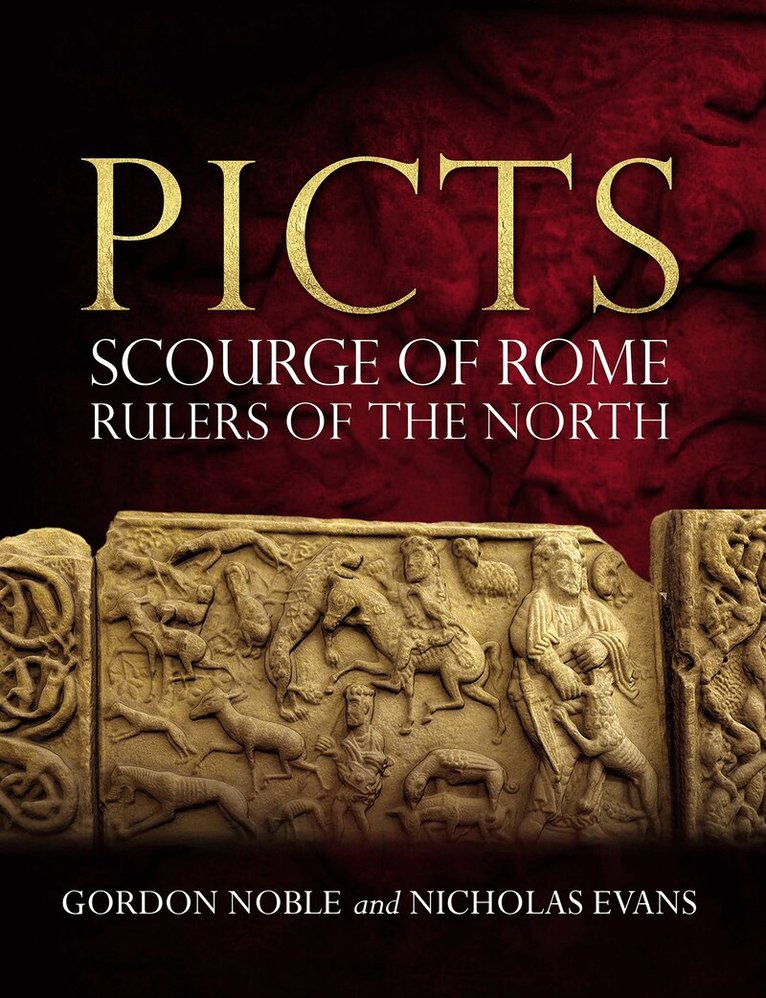
Shortlisted for the EAA Book Prize and the Current Archaeology Book of the Year AwardThe Picts have fascinated for centuries. They emerged c. ad 300 to defy the might of the Roman empire only to disappear at the end of the first millennium ad, yet they left major legacies. They laid the foundations for the medieval Scottish kingdom and their captivating carved stones are some of the most eye-catching yet enigmatic monuments in Europe. Until recently the Picts have been difficult to trace due to limited archaeological investigation and documentary sources, but innovative new research has produced critical new insights into the culture of a highly sophisticated society which defied the might of the Roman Empire and forged a powerful realm dominating much of northern Britain.This is the first dedicated book on the Picts that covers in detail both their archaeology and their history. It examines their kingdoms, culture, beliefs and everyday lives from their origins to their end, not only incorporating current thinking on the subject, but also offering innovative perspectives that transform our understanding of the early history of Scotland.
Häftad, Engelska, 2022
213 kr
Skickas
Some years ago a revolution took place in Early Medieval history in Scotland. The Pictish heartland of Fortriu, previously thought to be centred on Perthshire and the Tay found itself relocated through the forensic work of Alex Woolf to the shores of the Moray Firth. The implications for our understanding of this period and for the formation of Scotland are unprecedented and still being worked through.This is the first account of this northern heartland of Pictavia for a more general audience to take in the full implications of this and of the substantial recent archaeological work that has been undertaken in recent years. Part of the The Northern Picts project at Aberdeen University, this book represents an exciting cross disciplinary approach to the study of this still too little understood yet formative period in Scotland’s history.
Inbunden, Engelska, 2026
426 kr
Tillfälligt slut