Graham M Simons – författare
Visar alla böcker från författaren Graham M Simons. Handla med fri frakt och snabb leverans.
43 produkter
43 produkter
Inbunden, Engelska, 2026
453 kr
Kommande
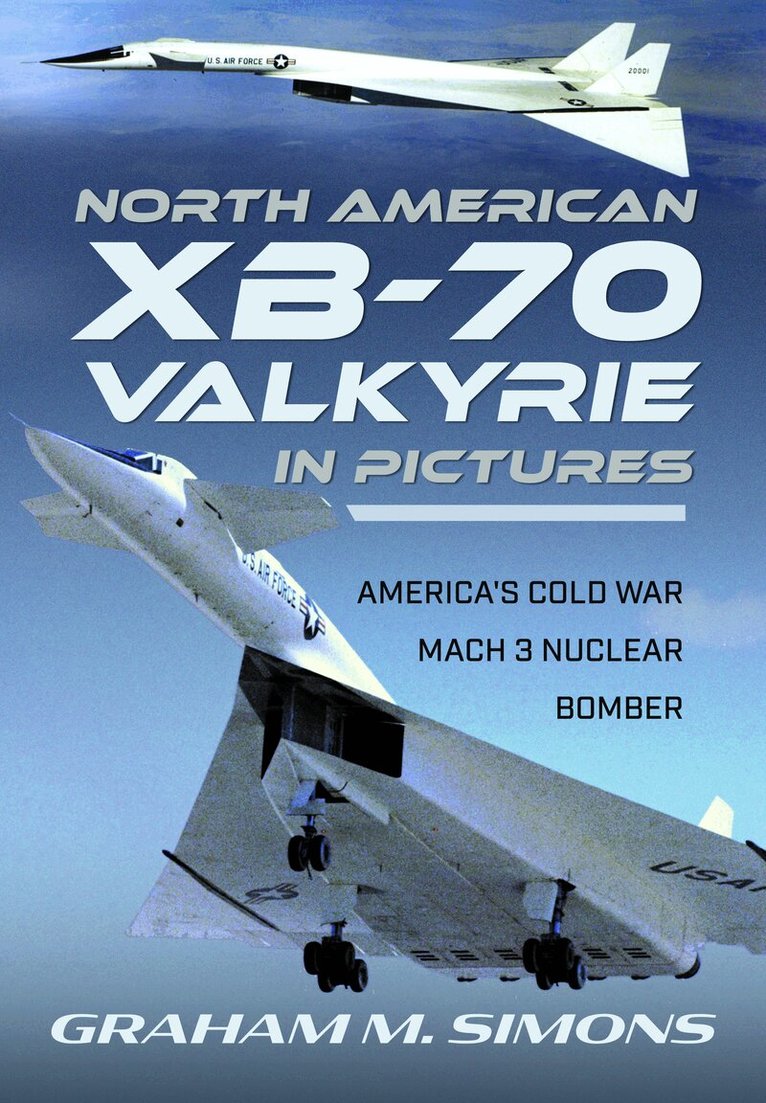
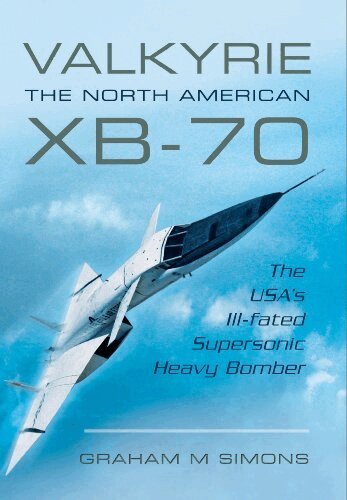
Flying at 70,000 feet, carrying nuclear weapons at Mach 3+ for thousands of miles, the North American Aviation XB-70 Valkyrie was not merely going to redefine military aviation, but the very nature of warfare itself. The XB-70 flew so fast and so high it would only appear on radar screens for a fleeting moment, making it impossible for enemy controllers to direct their interceptors to the target before it flew out of range.When it was first designed in the 1950s, the enemy, meaning at the time the Soviet Union, had no aircraft that could match the XB-70’s capabilities, rendering it almost invulnerable. But, just as the US was developing its technologies, so too were the Soviets.The introduction of their first surface-to-air missiles led to the US adopting low-level missions to sneak under radar. This effectively neutralised the XB-70’s main characteristics and, ultimately, the programme, which had cost the United States a staggering $800 million, the equivalent to $8.4 billion in modern terms, was cancelled.In this book, the renowned aviation historian and author Graham M. Simons explores the full story of the development of this remarkable supersonic bomber through a unique collection of images. He reveals the many challenges that the North American engineers faced, particularly with regards to engines and fuel, all of which are fully explained.As well as the technical and operational characteristics of the XB-70, Mr Simons includes first-hand testimony and analyses the accidents and incidents the aircraft were involved in. A detailed timetable allows the reader to comprehend the XB-70’s protracted history.A beautifully elegant machine, just two of the ground-breaking XB-70s were produced, the first flight taking place on 21 September 1964. In this magnificent, full colour book this unique supersonic aircraft can be seen in all its glory.
Häftad, Engelska, 2012
178 kr
Skickas
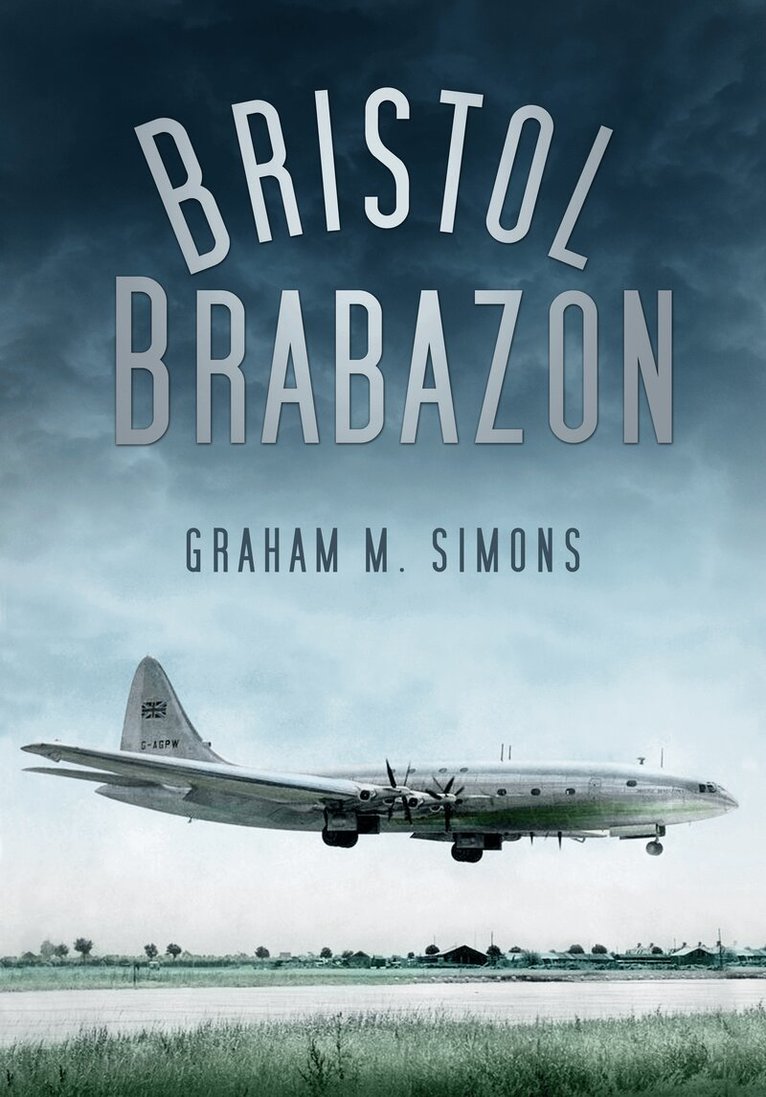
The Brabazon – the name evokes the immediate post-war optimism of civil aviation. The giant airliner was built by Bristol Aircraft in 1949 to cross the Atlantic and serve the empire. However, the plane proved to be a commercial failure when airlines felt that it was too large and expensive to be useful. Large and luxurious, it carried only 60-80 passengers, and with a range of 5,000 miles, a 225ft wing span and eight engines buried in the wings with enough fuel to reach New York, the ‘100-ton bomber’ was more impressive and capable than the B-29: the ultimate passenger airliner was born. Now, with previously unpublished material and illustrations from the original Bristol Brabazon sales brochure, among other sources, the Brabazon’s 1930s-style elegance is displayed once again, celebrating its design, construction and sheer luxury. A fitting outcome for such a paragon of post-war optimism and an aircraft still considered by many to be the foremost in propeller-driven civil aviation.
Inbunden, Engelska, 2026
326 kr
Kommande
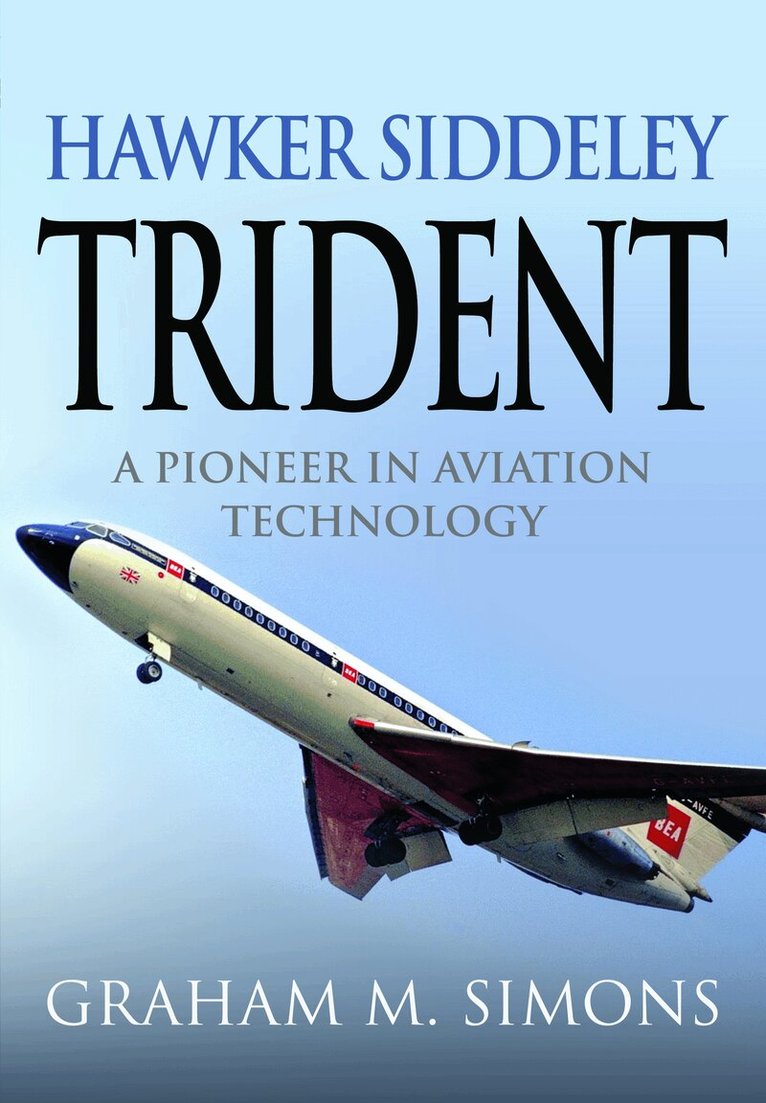
In 1957, de Havilland Aircraft started design studies to meet a British European Airways’ (BEA) requirement for a jet airliner capable of flying 1,000-mile stage lengths and achieving 600 mph. Then, in 1958, BEA demanded a smaller aircraft, resulting in a major re-design from which the aircraft emerged around three 10,100-pound thrust Rolls-Royce RB.163 Spey engines and seating up to 101 passengers.The construction of the first twenty-four aircraft began at Hatfield in July 1959. In 1960 de Havilland joined the Hawker Siddeley Group, and in September that year the future airliner's name, Trident, was announced, this having been chosen as a reflection of its then-unique three-jet, triple-hydraulic configuration. Trident took its first flight at Hatfield on 9 January 1962. The first revenue earning flight followed on 11 March, and full scheduled services on 1 April.A pioneer in aviation technology, Trident was built from the outset for automatic landing in bad weather, a feature way ahead of its time. Trident 1C G-ARPB, retained by Hawker Siddeley for ‘Autoflare’ and ‘Autoland’ development, made the world’s first fully automatic landing at the Royal Aircraft Establishment, Bedford, on 5 March 1964, a significant milestone in aviation history. The world’s first automatic touchdown on a commercial service was made by Trident 1C G-ARPR when it arrived at Heathrow from Paris on 10 June 1965, further demonstrating the Trident’s technological prowess and leaving the aviation world in awe.The DH.121 was an engineering marvel, boasting several unique features that set it apart from its contemporaries. These included an all-flying tailplane, a sideways retracting nose leg offset twenty-four inches to port, and a Bristol Siddeley Artouste auxiliary power unit fitted under the floor of the rear cabin. These innovative design elements made the Trident a standout in the aviation industry, sparking the curiosity of aviation enthusiasts and historians alike.
Inbunden, Engelska, 2027
323 kr
Kommande
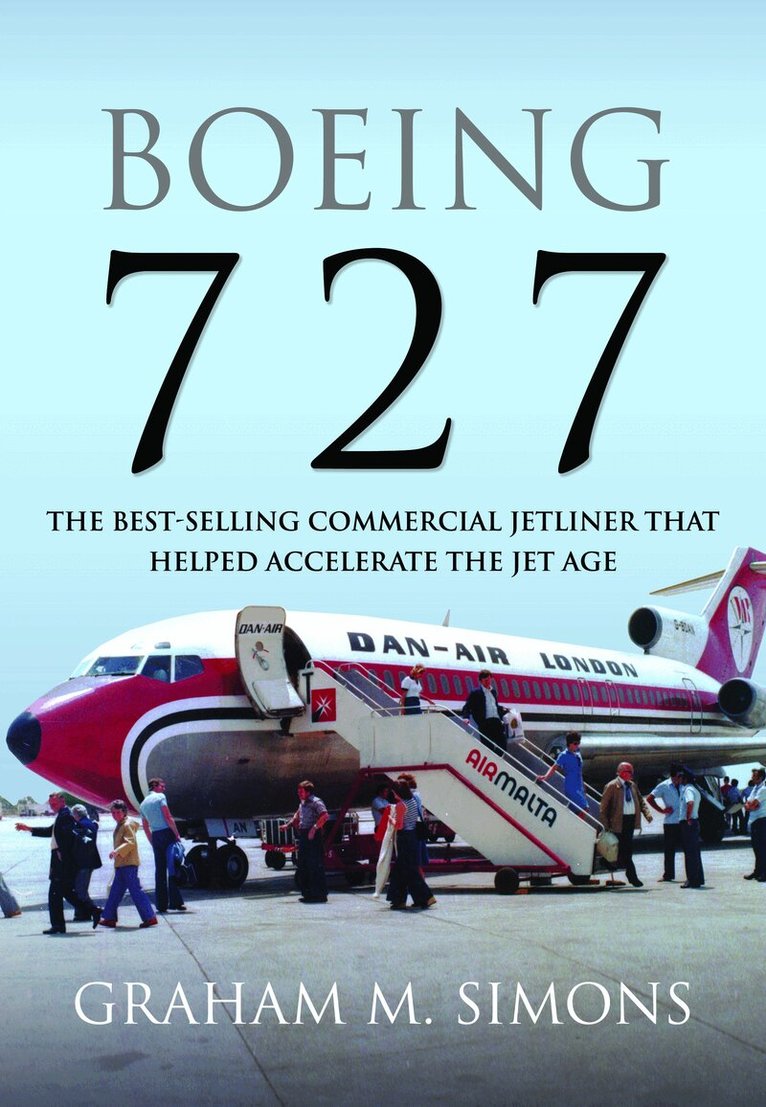
The Boeing 727 is an American narrow-body airliner developed and produced by Boeing Commercial Airplanes. After the heavier 707 quad-jet was introduced in 1958, Boeing addressed a growing demand for an aircraft to be used on shorter routes from smaller airports.The only trijet to be produced by Boeing, the 727 was designed for operations from smaller airports, so independence from ground facilities was essential. It led to one of the 727’s most distinctive features: the built-in airstair that opens from the rear underbelly of the fuselage, which initially could be opened in flight. This allowed passengers to be embarked and disembarked without needing jetways or stairs.The 727 proved to be such a reliable and versatile airliner that it came to form the core of many airlines’ fleets. One of the features that gave the 727 its ability to land on shorter runways was its clean wing design – the trijet configuration involving one engine mounted on each side of the rear fuselage, with the third in the tail. It was also helped by the use of advanced high-lift devices, including leading-edge slats and triple-slotted flaps.For over a decade, more 727s were built per year than any other jet airliner. Such was the design’s ruggedness, dependability, and performance, that even as late as July 2013, a total of 109 Boeing 727s were still in commercial service with thirty-four airlines worldwide.An industry workhorse for many years, the 727 is often fondly referred to as ‘the DC-3 of the Jet Age’. A pioneering and highly influential aircraft, the type’s last scheduled commercial passenger flight took place in January 2019.The 727’s popularity undoubtedly helped accelerate the jet age, by bringing jet service to many cities previously limited to propeller aircraft, and brought jet travel to the masses.
Inbunden, Engelska, 2026
272 kr
Kommande
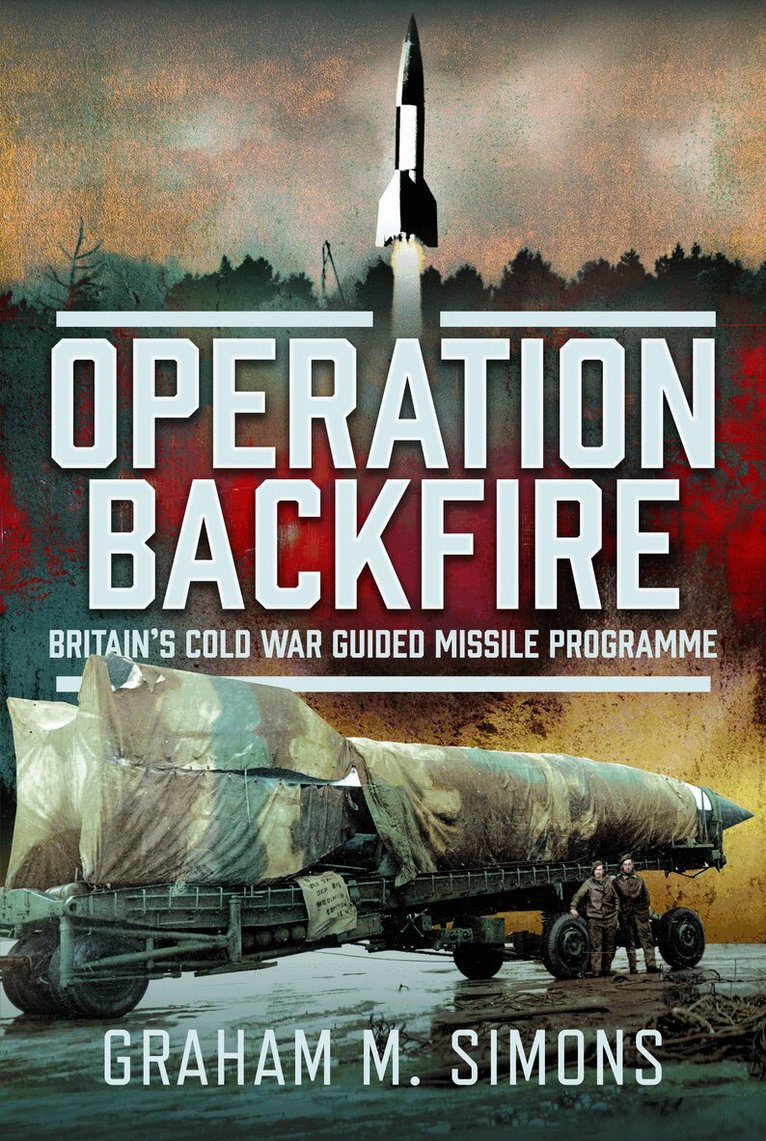
The ballistic missile age dawned in September 1944, when Germany began its V-2 campaign against Great Britain and Western Europe. As the war in Europe drew to a close, and during its immediate aftermath, the Allied powers scrambled to acquire highly valued German technology. This included examples of the V-2 rockets themselves. While the United States was foremost in this, General Eisenhower permitted Britain to gather enough parts to assemble eight rockets.Under the codename Operation Backfire, the British launched three of these rockets near Cuxhaven, which was within the British occupation zone in Germany. The tests, undertaken by experienced German staff, were well ahead of the Americans at their much-vaunted Army Launch Area No.1 at the White Sands Missile Range in southern New Mexico. These tests, and the work around them, also ensured that, in a little over twelve months, Britain had gone from being a victim of long-range guided missiles, to a wielder of this impressive new military technology.This marked the start of Britain’s programme to develop guided missiles. Operation Backfire reveals how swiftly the Cold War arms race emerged from the ashes of the previous conflict, how technology and international relations were intimately entwined, and how Great Britain was an active and enthusiastic participant in the very earliest days of the missile age.As Operation Backfire also shows that the USSR was not Britain’s only foreign adversary in its drive to build up a missile capacity after the Second World War, especially in the first year or so after that conflict. Instead, it found itself entangled in a fierce rivalry with its closest wartime ally, the US. Both countries sought to make use of German expertise to build up a domestic missile arsenal but the greater resources and newly minted superpower status of the US allowed them to essentially steamroll over their transatlantic allies.
Häftad, Engelska, 2021
161 kr
Skickas
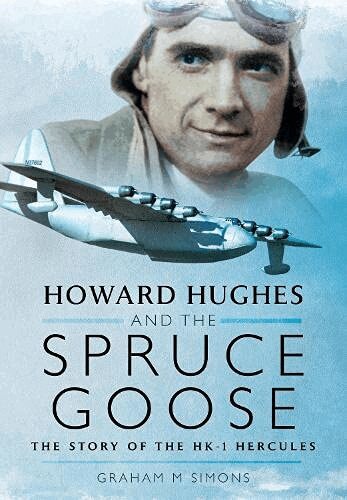
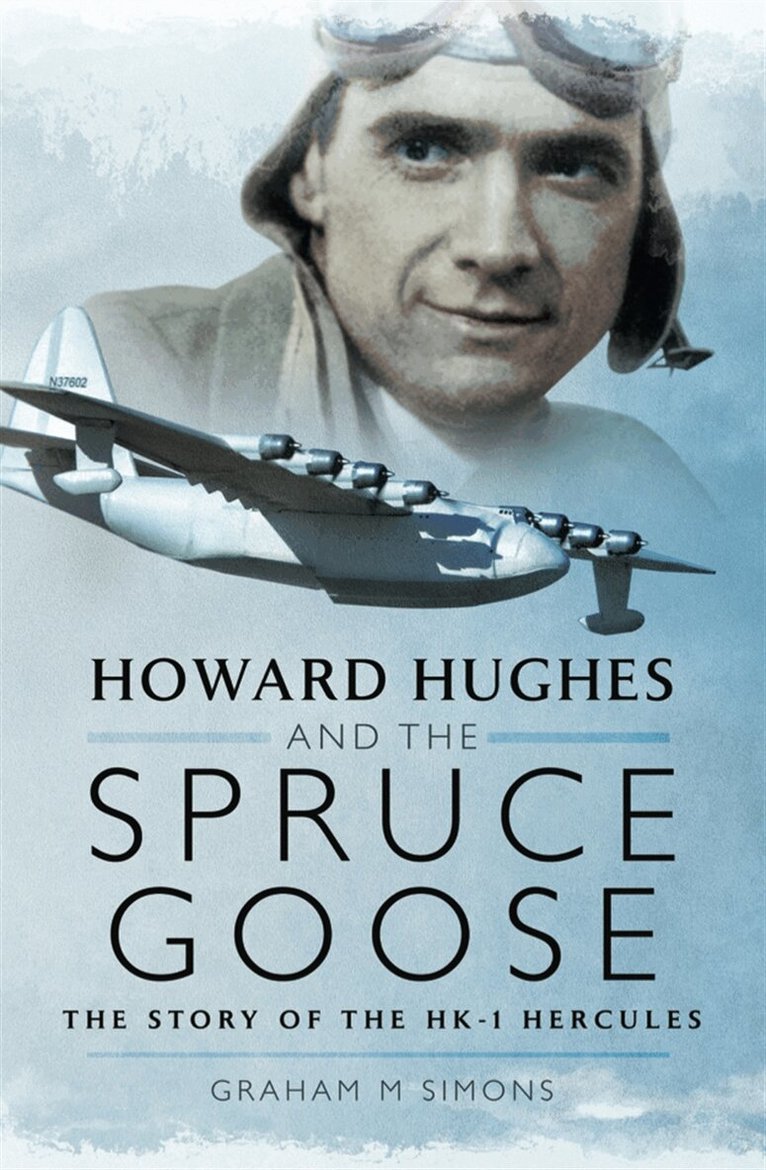
Howard Hughes' life ambition was to make a significant contribution to the field of aviation development. But the monumental folly of his endeavours on the HK-I Hercules meant that he came to be known and remembered to a great extent for all the wrong reasons. The 'Spruce Goose' (a name Hughes detested) became a product of his wild fixation on perfection and scale. Once completed, it was the largest flying machine ever built. Its wingspan of 320 feet remains the largest in history. Yet it only completed one flight; flying for a mile on its maiden voyage above Long Beach Harbour, before being consigned to the history books as a failure.Experienced author Graham M. Simons turns his attention to the production process that saw this colossus take shape. In words and images, all aspects of this process are illustrated. We have shots taken during the initial design period, images of the craft under construction, and photographs taken at the test flights. In addition, Simons has been gifted access to the highly prized and rarely seen aircraft manual produced for the aircraft, content from which has been extracted and used to supplement the narrative.The book goes on to explore the political issues that sprung up as a result of Hughes' endeavours, looking into the Senate War Investigations Committee's findings which explored the extent to which government funds had been utilised in the development and construction of the flying boat, adding a whole new layer of controversy to the proceedings.
Häftad, Engelska, 2022
160 kr
Skickas
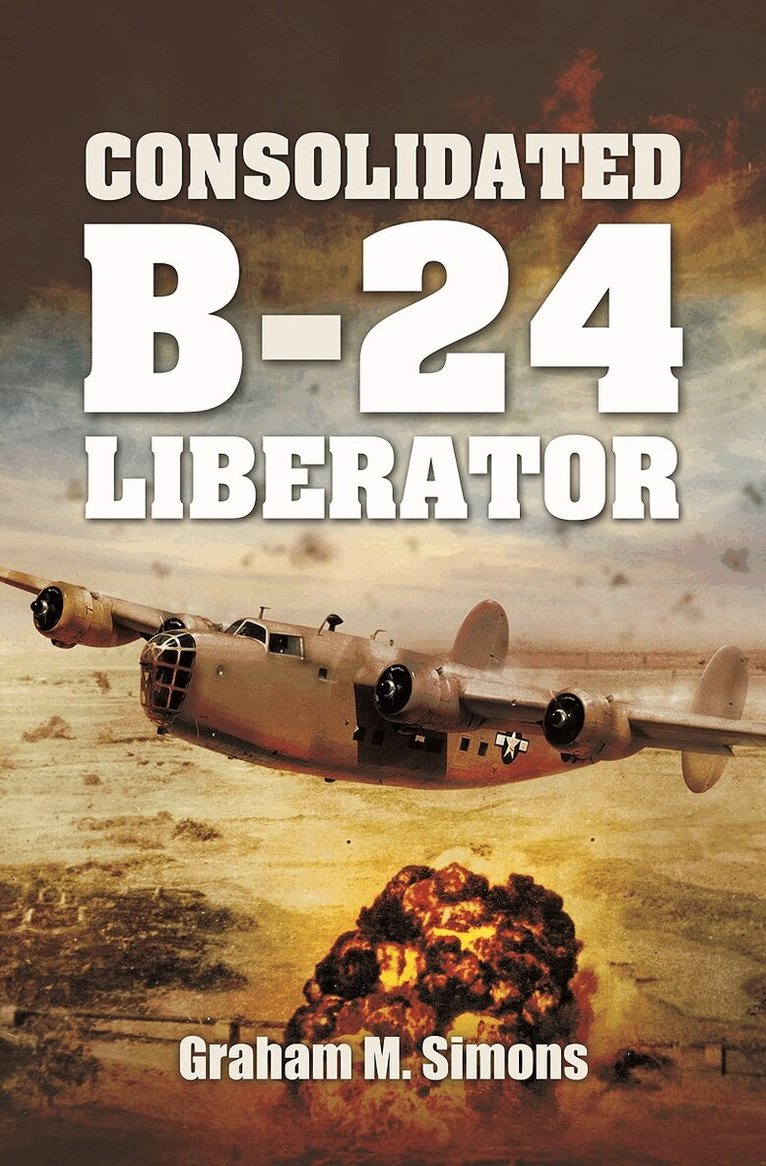
The Consolidated B-24 Liberator was almost certainly the most versatile Second World War Bomber. Apart from its bombing role in all theatres of operation, the B-24 hauled fuel to France during the push towards Germany, carried troops, fought U-boats in the Atlantic and, probably most important of all, made a vital contribution towards winning the war in the Pacific. Its most famous single exploit is possibly the raid on the Ploesti oilfields in August 1943.The B-24 ended World War Two as the most produced Allied heavy bomber in history, and the most produced American military aircraft at over 18,000 units, thanks in large measure to Henry Ford and the harnessing of American industry. It still holds the distinction as the most produced American military aircraft. The B-24 was used by several Allied air forces and navies, and by every branch of the American armed forces during the war, attaining a distinguished war record with its operations in the Western European, Pacific, Mediterranean and China-Burma-India theatres. This book focuses on the design, engineering, development and tactical use of the many variants throughout the bombers service life. The overall result is, as David Lee, the former Deputy Director of the Imperial War Museum at Duxford said upon reading the final manuscript, to be acquainted with all you never knew about the B-24!The book is enlivened by the many dramatic photographs which feature, and this coupled with the clarity of Simons' prose makes for an engaging and entertaining history of this iconic Allied bomber, a key component in several of their biggest victories and a marvel of military engineering
Häftad, Engelska, 2024
182 kr
Skickas
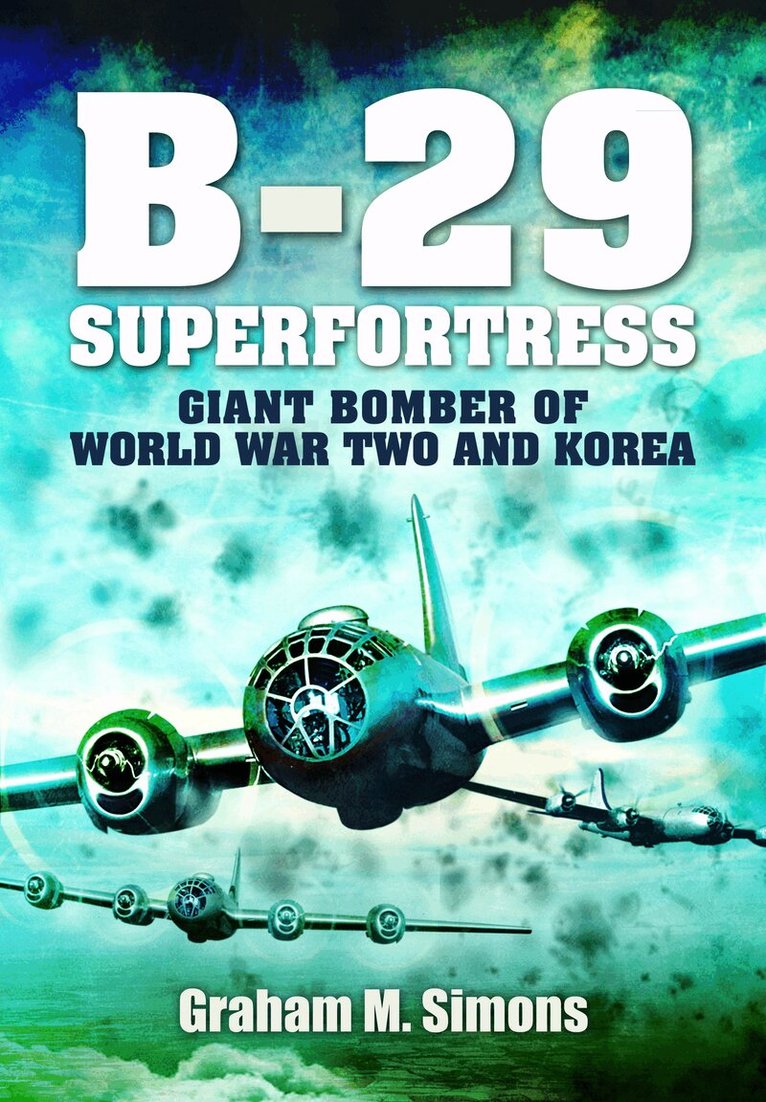
The Boeing B-29 Superfortress was a four-engined heavy bomber flown primarily by the United States in World War Two and the Korean War. The B-29 remained in service in various roles throughout the 1950s. The British Royal Air Force flew the B-29 and used the name Washington for the type, and the Soviet Union produced an unlicensed copy as the Tupolev Tu-4. The name "Superfortress" was derived from that of its well-known predecessor, the B-17 Flying Fortress. The B-29 was the progenitor of a series of Boeing-built bombers, reconnaissance aircraft, trainers and tankers including the variant, B-50 Superfortress.The B-29 was one of the largest aircraft to see service during World War Two. A very advanced bomber for its time, it included features such as pressurized cabins, an electronic fire-control system and remote-controlled machine-gun turrets. Though it was designed as a high-altitude daytime bomber, in practice it actually flew more low-altitude nighttime incendiary bombing missions. It was the primary aircraft in the American firebombing campaign against Japan in the final months of World War Two, and carried the atomic bombs that destroyed Hiroshima and Nagasaki. Unlike many other World War Two-era bombers, the B-29 remained in service long after the war ended, with a few even being employed as flying television transmitters. The type was finally retired in the early 1960s, with 3,960 aircraft in all built.Without doubt there is a clear, strong requirement to put the record straight using primary source documentation to record the undoubted achievements alongside and in context with the shortcomings to the types design and operation that have otherwise received scant attention. The book will cover all variants and is profusely illustrated.
Häftad, Engelska, 2022
202 kr
Skickas
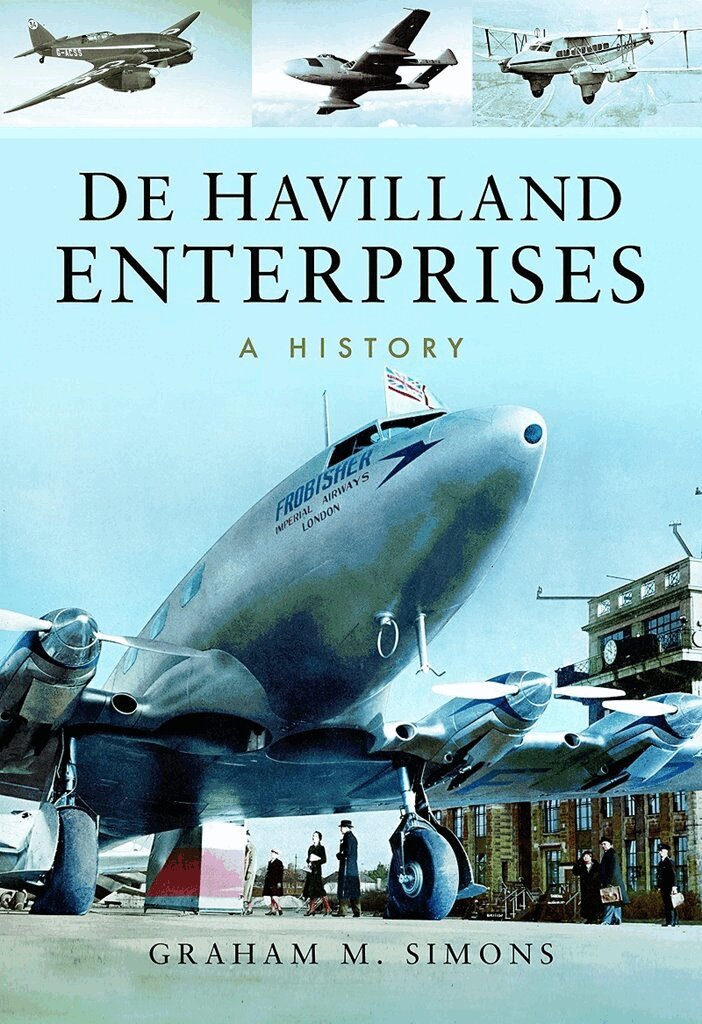
Captain Sir Geoffrey de Havilland was one of the world's true pioneers of powered flight, a man as important to Britain in aviation terms as the Wright brothers were to America. From humble beginnings, he went on to develop some of the finest aircraft to see action during the First World War, before going on to create the illustrious company that bore his name. All of this began in his youth when, without experience, plans or instructions, he embarked on the ambitious task of not only building his very first flying machine, but also constructing the engine to power it.This book explores the influences and milestones of his early years before going on to examine his company, The De Havilland Aircraft Company Limited, in detail. Amongst the momentous machines that he had a hand in creating were the Gipsy Moth and Tiger Moth - two iconic aircraft types destined to set a variety of aviation records whilst being piloted by de Havilland himself. Another highlight of the company's history saw the esteemed aviatrix Amy Johnson fly solo from England to Australia in a Gipsy Moth in 1930\. The high-performance designs and monocoque wooden construction methods passed through the supremely elegant DH.91 Albatross into the Mosquito. The company then followed up these successes with the high-performing Hornet fighter, which pioneered the use of metal-wood and metal-metal bonding techniques, eventually resulting in the world's first jet airliner, the fabulous Comet.Every one of De Havilland's products are listed and recorded in detail here, as are all the designs that never left the drawing board and the products of De Havilland's companies in Australia and Canada. Fully illustrated throughout, this volume is sure to be highly prized amongst serious collectors.
E-bok
Engelska, 2021126 kr
Läs direkt efter köp
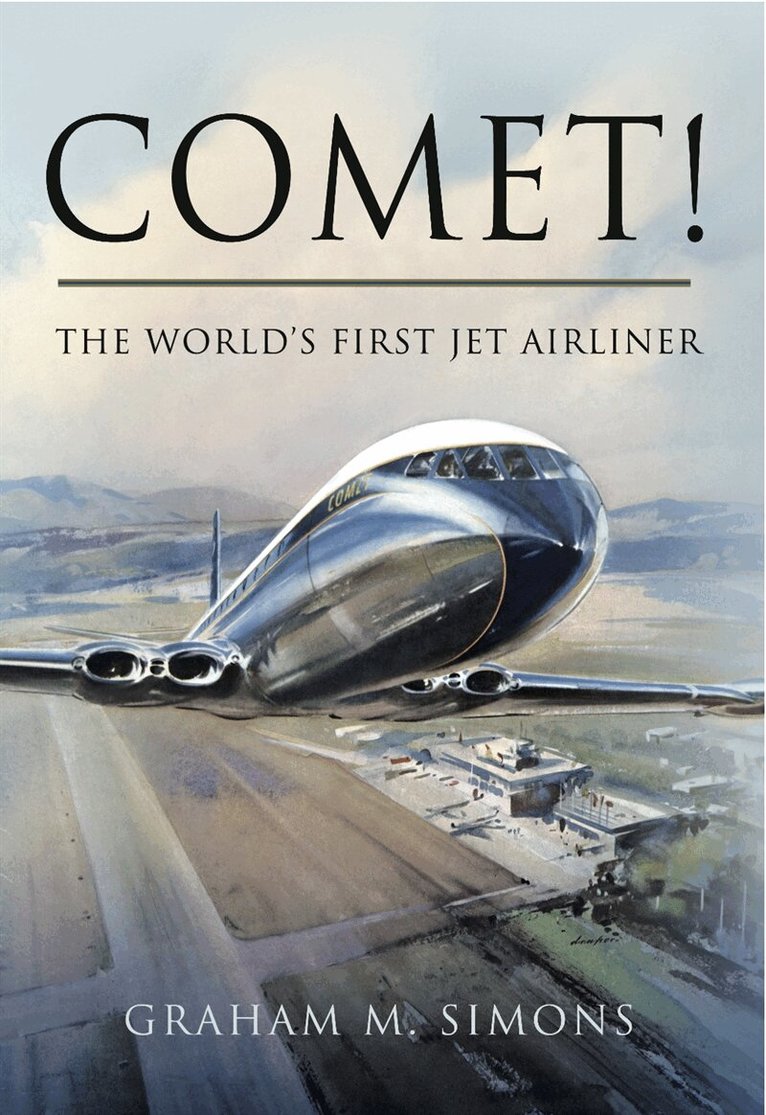
This new volume from the respected and well-regarded aviation historian and author Graham Simons is sure to appeal to all aviation enthusiasts, including as it does a wide array of historical sources and archival information drawn together into one consolidated volume – the closest to a definitive study of the craft than any produced before.
Extensively illustrated throughout, the book features details lifted directly from enquiry and salvage reports, much of which has never been published before and offers a unique insight into the failures and tragedies that blighted the early days of development, laying down lessons that were ultimately to benefit later designs. As part of his research into the book, the author met and interviewed Harry Povey, the De Havilland Production Manager and John Cunningham, the Comet test pilot who would be the first to experience flight at the helms of the iconic craft. Both of these first hand accounts are relayed in the book, adding a deeper sense of authenticity and a more personalised account of proceedings than facts and reports alone are able to achieve.
Attention is also paid to the derivative Nimrod design, and the book features an interview that the author conducted with the aircraft commander of the last ever Nimrod operational flight. Interviews of this kind are supplemented by the author's own narrative of proceedings, setting personal experience within historical context and exploring the themes and historical topics that the interviews evoke.
E-bok
Engelska, 2021126 kr
Läs direkt efter köp
Every 7 minutes, an A380 takes off or lands somewhere in the world...
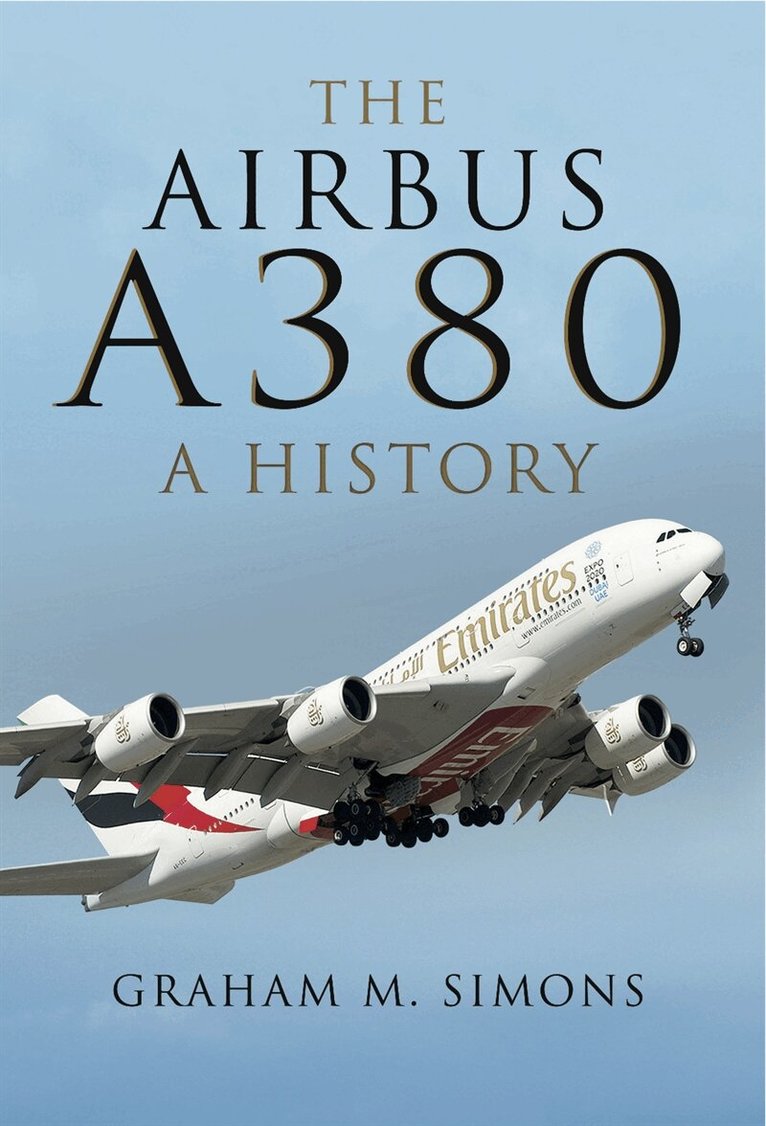
The Airbus was initially designed and developed in order to provide a contender to the Boeing's growing monopoly of the skies in the biggest large-aircraft market in the world. Ambitious in design, the undertaking seemed mammoth. Yet scores of aviation engineers and pilots worked to get the design off the ground and the Airbus in our skies. This double-decker, wide-body, 4 engine jet airliner promised to redefine expectations when it came to commercial flight. Five years on from its launch, Graham Simons provides us with this, an impressively illustrated narrative history of the craft, its achievements, and the legacy it looks set to provide to a new generation of aviation engineers, enthusiasts and passengers.
Operated by airlines such as Emirates, Singapore Airlines, Quantas and Lufthansa, the story of the A380 could be said to represent the story of modern-day travel itself, characterised by major technological advances across the world that constantly push the boundaries of expectation.
Sure to appeal broadly across the market, this is very much a commemorative volume, preserving the history of this iconic craft in words and images.
E-bok
Engelska, 2021123 kr
Läs direkt efter köp
Howard Hughes' life ambition was to make a significant contribution to the field of aviation development. But the monumental folly of his endeavours on the H-KI Hercules meant that he came to be known and remembered to a great extent for all the wrong reasons. The 'Spruce Goose' (a name Hughes detested) became a product of his wild fixation on perfection and scale. Once completed, it was the largest flying machine ever built. Its wingspan of 320 feet remains the largest in history. Yet it only completed one flight; flying for a mile on its maiden voyage above Long Beach Harbour, before being consigned to the history books as a failure.
Experienced author Graham M. Simons turns his attention to the production process that saw this colossus take shape. In words and images, all aspects of this process are illustrated. We have shots taken during the initial design period, images of the craft under construction, and photographs taken at the test flights. In addition, Simons has been gifted access to the highly prized and rarely seen aircraft manual produced for the aircraft, content from which has been extracted and used to supplement the narrative.
The book goes on to explore the political issues that sprung up as a result of Hughes' endeavours, looking into the Senate War Investigations Committee's findings which explored the extent to which government funds had been utilised in the development and construction of the airship, adding a whole new layer of controversy to the proceedings.
E-bok
Engelska, 2021123 kr
Läs direkt efter köp
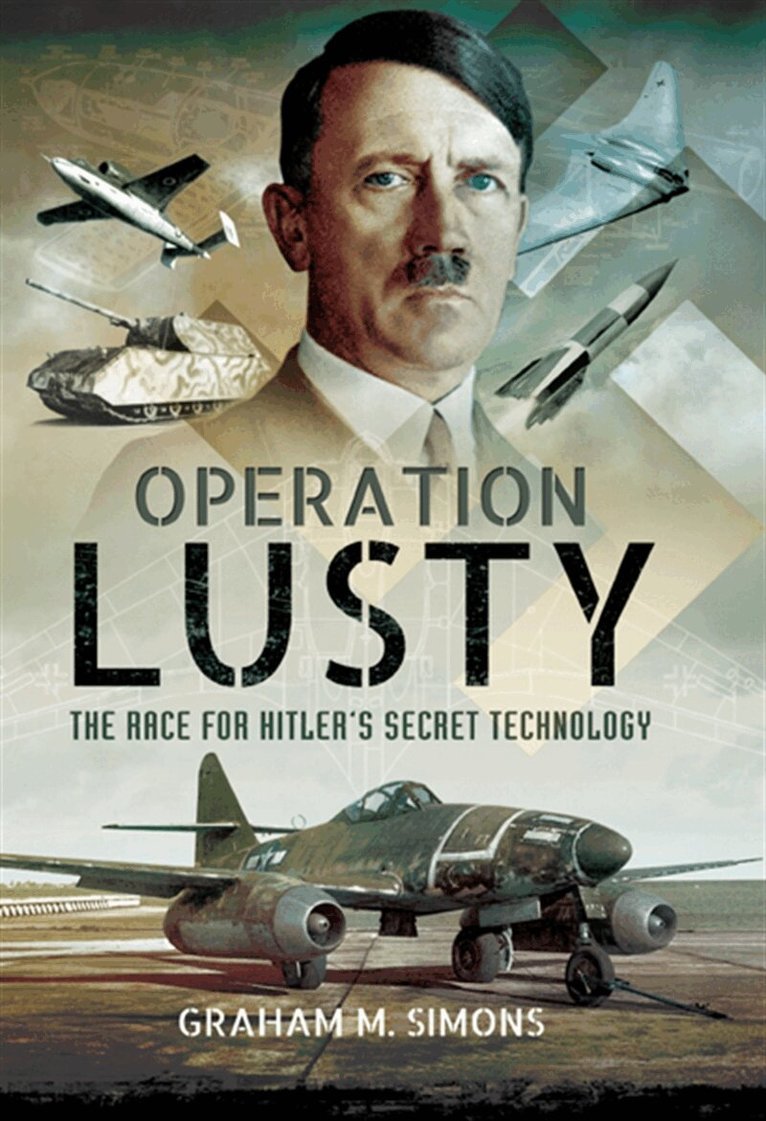
Graham Simons has been granted access to a staggering archive; a wealth of fascinating documentation that has never before seen the light of day. Category 1, top secret documents, prepared by the Director of Technical Services at Wright Field in 1945, feature lists of aircraft, radar equipment, and other military and aviation accessories that the United States and the Allies lusted after in the dying days of The Second World War and during the post-War period, when enemy secrets were more hungrily sought than ever. Details of information gleaned over the course of Operation LUSTY (LUftwaffe Secret TechnologY) are included in the form of reports, tables, and typed transcripts of conversations. Photographs also feature in this visual publication that seeks to consolidate all the various scraps of documentation filed around this time in an effort to create an authentic impression of events as they unfolded during the course of this mammoth retrieval operation.
Inbunden, Engelska, 2018
304 kr
Skickas
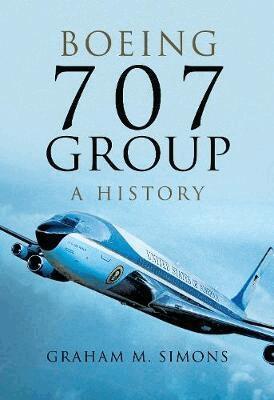
The Boeing 707 family - that includes the forerunner Model 367-80, the KC-135 series of military transports and the slightly smaller Model 720 - was the pioneer of the sweptback wing, incorporating podded engines borrowed from the B-47 military bomber. It was the aircraft that many regard as the design that really ushered in the Jet-Age. This new book from the established aviation historian Graham Simons examines the entire course of the Boeing 707 s history, charting an impressive design evolution and illustrating the many ways in which the 707 s legacy continues to be felt to this day. In laying the foundation for Boeing's preeminence on the word s jetliner market during the 1980s and 90s, the 707 paved the way for future innovations in both civilian and military fields and Graham Simons has put together an image-packed history that records the historic and landmark milestones of this iconic aircraft type.
E-bok
Engelska, 2019152 kr
Läs direkt efter köp
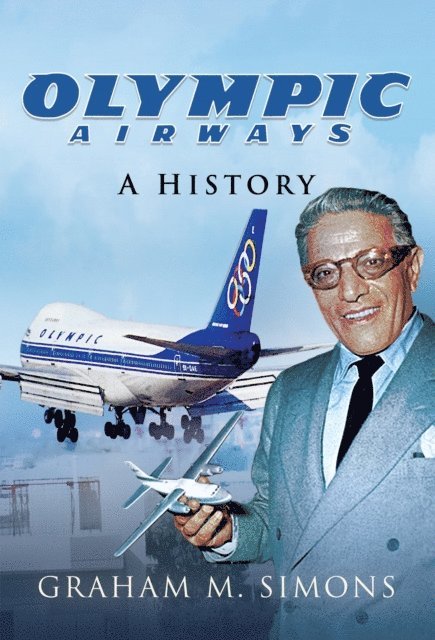
“Readers with an interest in the early days of organized civil mass air transport will enjoy having a familiar story be retold from a Greek perspective.” —SpeedReaders The Olympic Airways story has fascinated Graham M. Simons for many years. This new book represents the culmination of decades spent researching the history of this fascinating Greek airline. It is a story of evolution, conflict, personality and politics, all set against a backdrop of world and civil wars, coups and countercoups. During the course of his research, it became apparent to the author that many of the fine details pertaining to the company weren’t widely known, although almost everyone had heard of the towering, controversial, leading figurehead who oversaw much of the central part of the story: Aristotle Socrates Onassis. His colorful life is threaded through this history, lending it drama and multiple levels of intrigue. The airline’s story cannot be told in isolation. Olympic did not spring fully formed into being in 1957. The named company may have come into being then, but its roots were set much further back in history through a number of predecessor airlines—both national and international—who had been using the Hellenic Republic and Athína as the crossroads of the air for the Eastern Mediterranean since the dawn of aviation. This is the story of the birth and dramatic life of an airline with a checkered, controversial and complicated history. Graham M. Simons has skillfully woven all the various threads to create a powerful and important historic record.
E-bok
PDF, Engelska, 2019147 kr
Läs direkt efter köp
"e;Readers with an interest in the early days of organized civil mass air transport will enjoy having a familiar story be retold from a Greek perspective."e; -SpeedReaders The Olympic Airways story has fascinated Graham M. Simons for many years. This new book represents the culmination of decades spent researching the history of this fascinating Greek airline. It is a story of evolution, conflict, personality and politics, all set against a backdrop of world and civil wars, coups and countercoups. During the course of his research, it became apparent to the author that many of the fine details pertaining to the company weren't widely known, although almost everyone had heard of the towering, controversial, leading figurehead who oversaw much of the central part of the story: Aristotle Socrates Onassis. His colorful life is threaded through this history, lending it drama and multiple levels of intrigue. The airline's story cannot be told in isolation. Olympic did not spring fully formed into being in 1957. The named company may have come into being then, but its roots were set much further back in history through a number of predecessor airlines both national and international who had been using the Hellenic Republic and Athina as the crossroads of the air for the Eastern Mediterranean since the dawn of aviation. This is the story of the birth and dramatic life of an airline with a checkered, controversial and complicated history. Graham M. Simons has skillfully woven all the various threads to create a powerful and important historic record.
Inbunden, Engelska, 2019
304 kr
Skickas
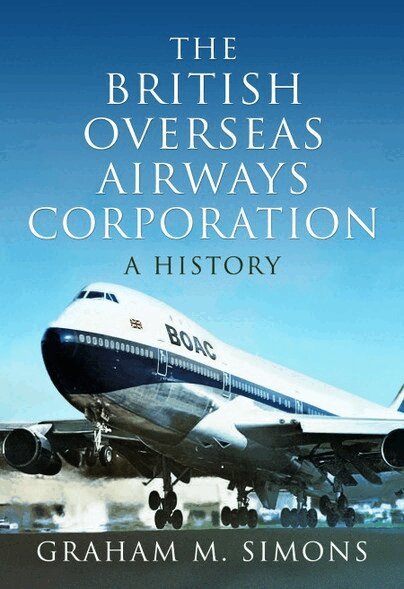
In a similar style to Comet!: The World's First Jet Airliner and Boeing Group: A History, Graham Simons presents us with a colourful, thoroughly engrossing, well-researched and highly illustrated history of The British Overseas Airways Company, from its origin in 1940 to its closure in 1974.The scope of the book takes in the history of the Second World War, examining the ways in which this conflict shaped the development of the airline. BOAC kept wartime Britain connected with its colonies and the allied world, often under enemy fire, and initially with desperate shortages of long-range aircraft. It played an important role in the transportation of passengers during an incredibly fraught and dangerous era. Post-war, jets were brought into the mix and aircraft types such as the de Havilland Comet saw employment.In the 1970s, an Act of Parliament saw BOAC merged with BEA, with effect from 31 March 1974, forming today's British Airways. But the era of The British Overseas Airways Company marked an important bridge between wartime services and the contemporary operations that we recognise today as being part of British Airways' day-to-day working practices.The era 1940-1974 saw a great deal of development change the face of flight in a variety of contexts. By choosing to record the history of BOAC, Graham M. Simons is confronting an era of ongoing interest to students of aviation and historians of mid-Twentieth century history.
E-bok
Engelska, 202014 kr
Läs direkt efter köp
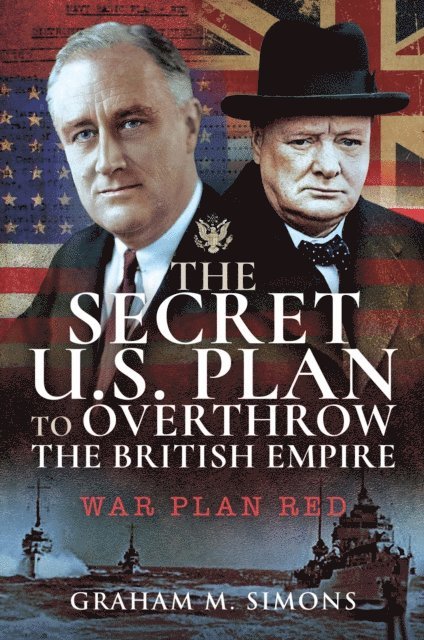
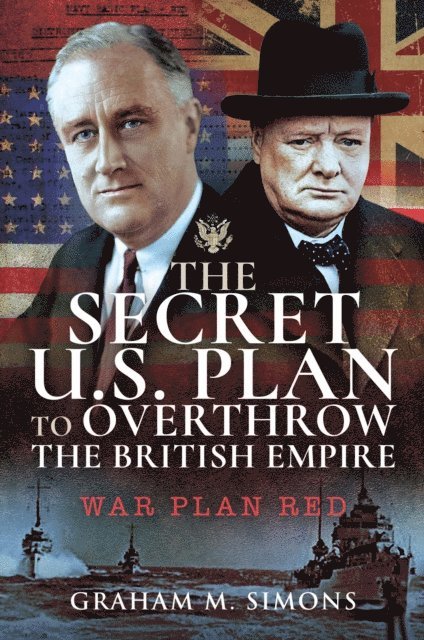
This military history offers a provocative take on the “Special Relationship” between the UK and the USA from the close of WWI into the Cold War.After the Great War, the American government contemplated what it would mean to pursue global superpower status. One potential consequence might have been conflict with Great Britain. And so, the US drew up War Plan Red: a scheme by which American forces invaded Canada and the Caribbean, drawing the Royal Navy into North American waters—and leaving the rest of the British Empire vulnerable to attack.In 1939, the American military created an intelligence-gathering machine within their Embassy in London under Ambassador Joe Kennedy. Two years later, the US Army Special Observer Group traveled to Britain to plan for Anglo-American cooperation should the United States enter World War II. Their intelligence-gathering activities spread out as far as the Middle East, Africa, South America, Russia, and Asia—far beyond the terms of the original brief. At the start of the Cold War, a whole new range of subterfuge was initiated by the CIA. So, were the Americans allies or spies? In this enlightening study, acclaimed military historian Graham M. Simons examines how two of history’s greatest allies could find themselves in bitter conflict.
E-bok
PDF, Engelska, 202015 kr
Läs direkt efter köp
After the Great War, there was much debate in the USA whether the country should isolate itself from 'old world' conflicts or follow an imperialist path and become the world's only superpower. If the USA was to become a superpower, then conflict with Great Britain might result. Consequently, the US drew up War Plan Red. This was a scheme for the USA to invade Canada and the Caribbean which would draw the Royal Navy into North American waters where it would be destroyed. Without the Royal Navy, the rest of the British Empire would be vulnerable to American attacks. It became clear, however, as the decade wore on, that the Imperialists were not going to gain a clear-cut victory, so other means of achieving their aims would be needed. In 1939 the American military establishment created an intelligence-gathering machine within their Embassy in London under the Ambassadorship of Joseph Patrick Kennedy. Then in spring 1941, a small group of US Army officers traveled to Britain to plan for Anglo-American cooperation should the United States became involved in the Second World War. This was the US Army Special Observer Group, or SPOBS as it was commonly known. It is questionable whether the Military Attaches and SPOBS activities were 'spying', for they were operating - at least in the early days - with the full permission and knowledge of the British Government. Their intelligence-gathering activities spread out as far as the Middle East, Africa, South America, Russia and Asia - far beyond the terms of the original brief. It did not cease with the outbreak of peace - the advent of the Cold War between East and West brought forth a whole new range of subterfuge and behind-the-scenes activities by the CIA. So, were the Americans allies or spies? Certainly, the SPOBS bled Great Britain white of data and information, sending it all back to the War Department in Washington under the guise of helping. It was also a blueprint that America used in one form or another to 'encourage' regime change around the world through the seventy years or so after the Second World War and which continues to this day.
Häftad, Engelska, 2019
156 kr
Skickas
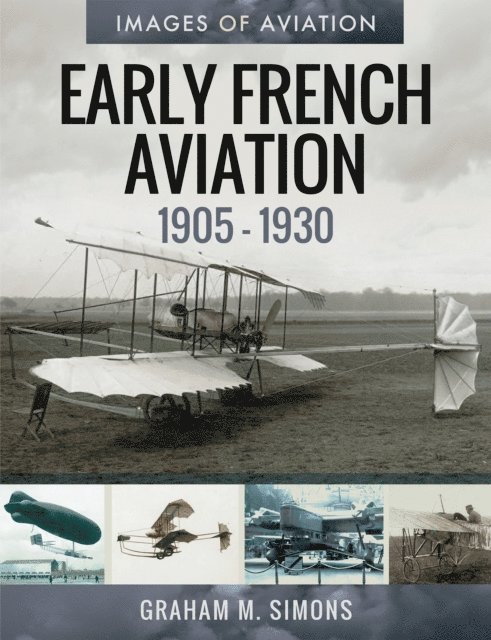
France has been called the cradle of aviation by many - a fact that cannot be disputed, although some have tried. By the end of the 19th century, she led the world in lighter-than-air flight. Any concern about heavier-than-air flight was dismissed as inevitable, and France would achieve it in due course. By the time Bl riot bravely enquired Which way is England?' the country was ready to redress any perceived shortfall. Besides leading European aviation, France was the nation that named all the parts of an aeroplane with words many of which we still use everywhere today.France was also the first nation to stage air exhibitions. Unlike their counterparts in Britain, Germany and America, French designers were thoroughly entrepreneurial and tried a wide variety of adventurous styles from pusher to canard and monoplane to multiplane. In 1909 the first Air Show was held at the Grand Palais. The Exposition Internationale de locomotion a rienne' ushered in what was to become an enduring tradition. Every year, the aircraft exhibitions were a massive success. The interior design by Andr Granet, who since his youth had been fascinated by flying, was such a success that the Automobile-Club subsequently commissioned Granet to do the same for the car shows.It is not surprising that all this derring-do, all these technological achievements and all this innovation drew reporters and photographers like moths to a flame. The men, the machines, the places and the events all were recorded, reported, reproduced and then were filed away. Hundreds of images appeared in print, but thousands were printed up only as contact prints from large-format glass negatives and then disappeared into albums to be forgotten about. In the mid-1990s the author came across one such treasure-trove; a number of dust-covered albums containing around five hundred images of aircraft, airships and expositions - it is doubtful if most have appeared in print before, so this will probably be the first time the events of these French pioneers have ever been showcased.
E-bok
Engelska, 2021156 kr
Läs direkt efter köp
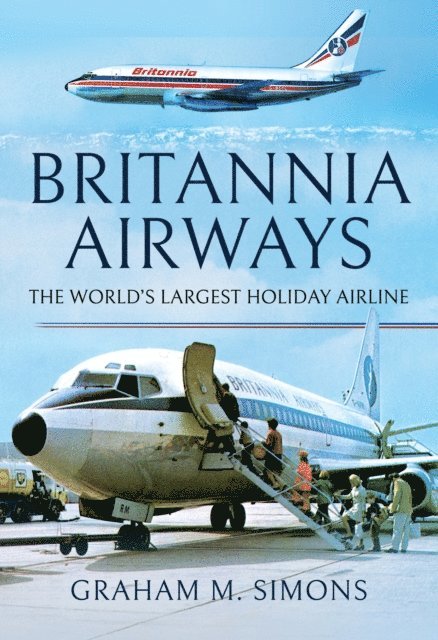
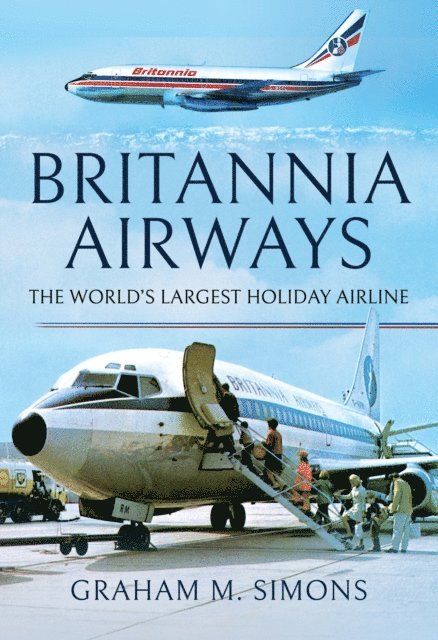
A history of the British airline company, featuring details on the aircrafts, routes, and operations, as well as stories from the crews and staff.Founded in 1961 as Euravia by British businessman Ted Langton and aviation consultant J.E.D. Walker, at a time of considerable turmoil for the independent sector of the British air operators’ industry, Britannia Airways went on to become the world’s largest holiday airline.Just as Court Line evolved from Autair, so Britannia Airways evolved from Euravia. Both UK airlines had strong links with the travel industry; Court Line with Clarksons Holidays, and Britannia with the Thomson Group, in particular the ‘Sky Tours’ brand. Both were innovative in their own ways, and both grabbed the UK travel industry by the scruff of the neck and shook it into the jet age – Court line traveling down the brasher cheap-and-cheerful road, while Britannia took the more staid, upmarket route.By 1972, Britannia had developed to such a degree that it was the biggest of the British independent charter airlines. It was also a groundbreaking operation—during the late 1960s, it became the first charter airline to offer assigned seating, as well as hot in-flight meals. Prior to the mid-1970s, Britannia, much like other British charter airlines of the era, had concentrated upon low-cost flights to Spain and the use of provincial airports to provide its services. The company’s management, however, harbored ambitions to grow beyond this. As a result, for example, Britannia''s 767s began regular charter flights between Britain and Australia in 1988, a route to New Zealand being added the following year.Between 1968 and 1984, Britannia carried nearly forty-two million passengers, while the company’s fleet grew to include twenty-nine Boeing 737s and a pair of 767s. Drawing on the author’s in-depth research and knowledge, as well as firsthand interviews with individuals such as Ted Langton, the original tour operator who wanted his own airline, and Jed Williams, who created Britannia, this the full story of one of the most important airlines in the history of civil aviation.
E-bok
PDF, Engelska, 2021151 kr
Läs direkt efter köp
A history of the British airline company, featuring details on the aircrafts, routes, and operations, as well as stories from the crews and staff.Founded in 1961 as Euravia by British businessman Ted Langton and aviation consultant J.E.D. Walker, at a time of considerable turmoil for the independent sector of the British air operators’ industry, Britannia Airways went on to become the world’s largest holiday airline.Just as Court Line evolved from Autair, so Britannia Airways evolved from Euravia. Both UK airlines had strong links with the travel industry; Court Line with Clarksons Holidays, and Britannia with the Thomson Group, in particular the ‘Sky Tours’ brand. Both were innovative in their own ways, and both grabbed the UK travel industry by the scruff of the neck and shook it into the jet age – Court line traveling down the brasher cheap-and-cheerful road, while Britannia took the more staid, upmarket route.By 1972, Britannia had developed to such a degree that it was the biggest of the British independent charter airlines. It was also a groundbreaking operation—during the late 1960s, it became the first charter airline to offer assigned seating, as well as hot in-flight meals. Prior to the mid-1970s, Britannia, much like other British charter airlines of the era, had concentrated upon low-cost flights to Spain and the use of provincial airports to provide its services. The company’s management, however, harbored ambitions to grow beyond this. As a result, for example, Britannia''s 767s began regular charter flights between Britain and Australia in 1988, a route to New Zealand being added the following year.Between 1968 and 1984, Britannia carried nearly forty-two million passengers, while the company’s fleet grew to include twenty-nine Boeing 737s and a pair of 767s. Drawing on the author’s in-depth research and knowledge, as well as firsthand interviews with individuals such as Ted Langton, the original tour operator who wanted his own airline, and Jed Williams, who created Britannia, this the full story of one of the most important airlines in the history of civil aviation.
Inbunden, Engelska, 2021
315 kr
Skickas
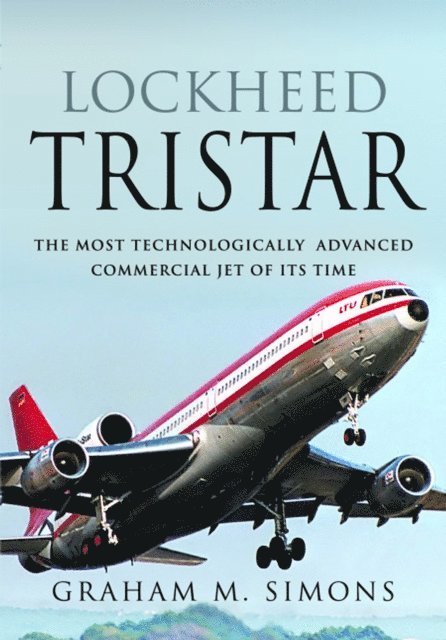
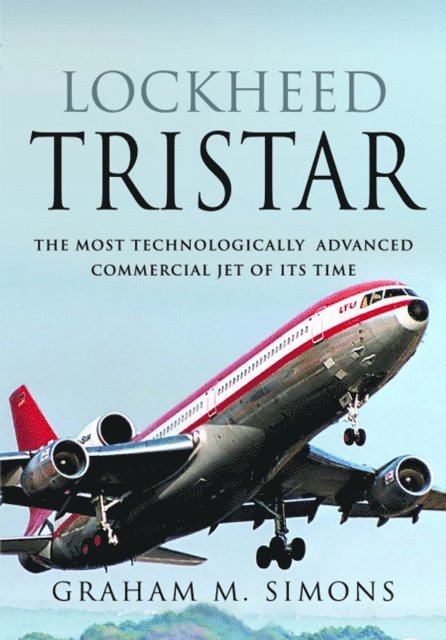
In April 1972, after six gruelling years of design and development, the then Lockheed California Company (now Lockheed Martin) delivered the most technologically advanced commercial jet of its era, the L-1011 TriStar, to its first client, Eastern Airlines.To mark the moment, Lockheed decided to make an impressive statement about the capabilities of its new medium-to-long-range, wide-body trijet airliner. It did so in spectacular fashion. Overseen by two test pilots, a total of 115 crew members, VIPs, Lockheed employees, and selected reporters boarded a TriStar at Lockheed's Palmdale plant in California. The subsequent 4-hour, 13-minute flight to Washington Dulles Airport was achieved with virtually no input from the two pilots in the cockpit, the TriStar's Automatic Flight Control System being 'engaged from takeoff roll to landing'. It was, Lockheed proudly claimed, 'the first cross-country flight without the need for human hands on the controls'.As Lockheed themselves note, in a similar fashion to other iconic passenger airliners before it, the L-1011 had faced daunting challenges on the way to its inaugural flight. Divergent needs from competing airlines led to design challenges. Financial difficulties ravaged its engine's manufacturer, Rolls-Royce, whilst a recession, fuelled by the world's first oil crisis, lessened the demand for commercial airliners.Lockheed, though, battled through these challenges, which even included international allegations of bribery, with the result that the TriStar, famed for its large, curved nose, low-set wings, and graceful swept tail, remained in production until 1984, by when 250 examples had been built. The toll on Lockheed, however, was too great and after the TriStar it withdrew from the commercial aircraft business.In this revealing insight into the L-1011, the renowned aviation historian Graham M. Simons reveals the full story of this airliner's design, development and service over the decades since 1970.
E-bok
Engelska, 202124 kr
Läs direkt efter köp
“A thoughtful, well-organized overview from the beginning to the twilight days of this iconic airliner” by the highly regarded aviation historian (Large Scale Planes). In April 1972, after six grueling years of design and development, the then Lockheed California Company (now Lockheed Martin) delivered the most technologically advanced commercial jet of its era, the L-1011 TriStar, to its first client, Eastern Airlines. To mark the moment, Lockheed decided to make an impressive statement about the capabilities of its new medium-to-long-range, wide-body trijet airliner. It did so in spectacular fashion. Overseen by two test pilots, a total of 115 crew members, VIPs, Lockheed employees, and selected reporters boarded a TriStar at Lockheed’s Palmdale plant in California. The subsequent 4-hour, 13-minute flight to Washington Dulles Airport was achieved with virtually no input from the two pilots in the cockpit, the TriStar’s Automatic Flight Control System being “engaged from takeoff roll to landing.” It was, Lockheed proudly claimed, “the first cross-country flight without the need for human hands on the controls.” On the way to the L-1011’s inaugural flight, Lockheed battled through design challenges, financial difficulties, and even international allegations of bribery, with the result that the TriStar, famed for its large, curved nose, low-set wings, and graceful swept tail, remained in production until 1984, by when 250 examples had been built. The toll on Lockheed, however, was too great and after the TriStar it withdrew from the commercial aircraft business. In this revealing insight into the L-1011, the renowned aviation historian Graham M. Simons reveals the full story of this airliner’s design, development and service over the decades since 1970.
E-bok
PDF, Engelska, 202124 kr
Läs direkt efter köp
In April 1972, after six gruelling years of design and development, the then Lockheed California Company (now Lockheed Martin) delivered the most technologically advanced commercial jet of its era, the L-1011 TriStar, to its first client, Eastern Airlines.To mark the moment, Lockheed decided to make an impressive statement about the capabilities of its new medium-to-long-range, wide-body trijet airliner. It did so in spectacular fashion. Overseen by two test pilots, a total of 115 crew members, VIPs, Lockheed employees, and selected reporters boarded a TriStar at Lockheed’s Palmdale plant in California. The subsequent 4-hour, 13-minute flight to Washington Dulles Airport was achieved with virtually no input from the two pilots in the cockpit, the TriStar’s Automatic Flight Control System being ‘engaged from takeoff roll to landing’. It was, Lockheed proudly claimed, ‘the first cross-country flight without the need for human hands on the controls’.As Lockheed themselves note, in a similar fashion to other iconic passenger airliners before it, the L-1011 had faced daunting challenges on the way to its inaugural flight. Divergent needs from competing airlines led to design challenges. Financial difficulties ravaged its engine’s manufacturer, Rolls-Royce, whilst a recession, fuelled by the world’s first oil crisis, lessened the demand for commercial airliners.Lockheed, though, battled through these challenges, which even included international allegations of bribery, with the result that the TriStar, famed for its large, curved nose, low-set wings, and graceful swept tail, remained in production until 1984, by when 250 examples had been built. The toll on Lockheed, however, was too great and after the TriStar it withdrew from the commercial aircraft business.In this revealing insight into the L-1011, the renowned aviation historian Graham M. Simons reveals the full story of this airliner’s design, development and service over the decades since 1970.
Inbunden, Engelska, 2021
573 kr
Skickas inom 3-6 vardagar
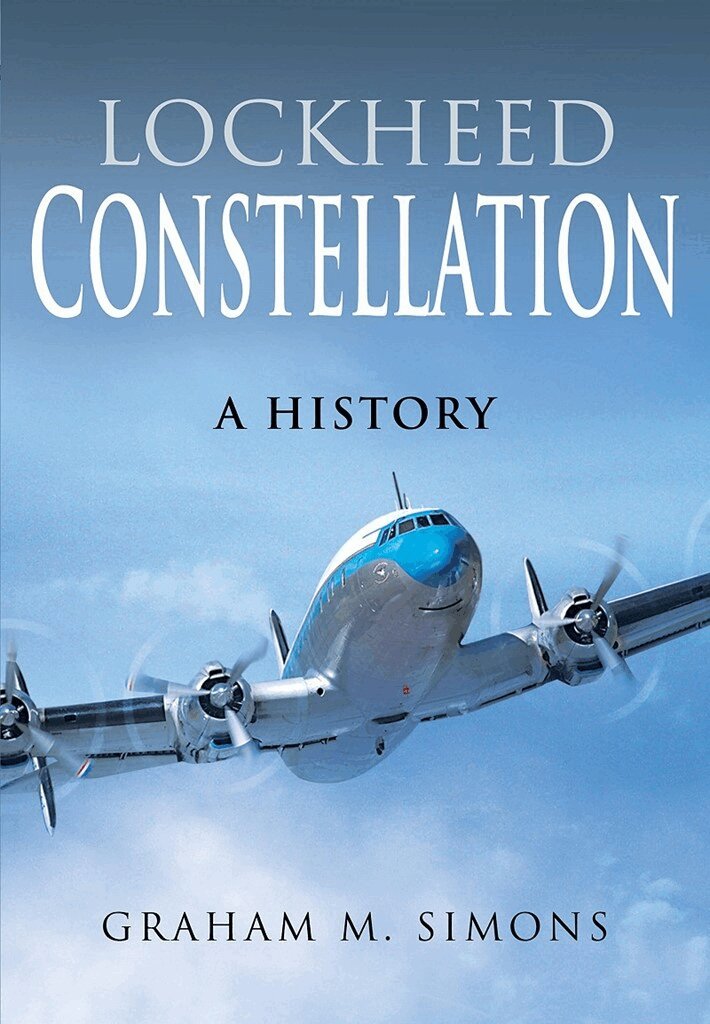
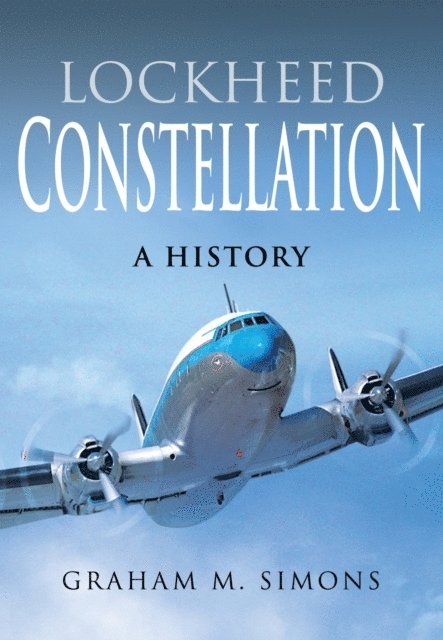
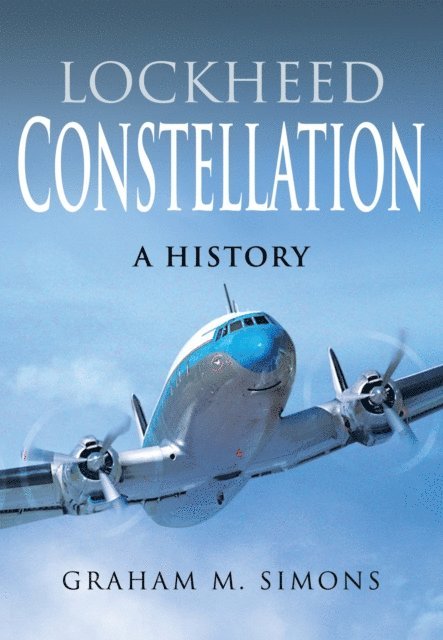
Clarence 'Kelly' Johnson's design for the Lockheed Constellation, known affectionately as the 'Connie', produced one of the world's most iconic airliners. Lockheed had been working on the L-044 Excalibur, a four-engine, pressurised airliner, since 1937\. In 1939, Trans World Airlines, at the instigation of major stockholder Howard Hughes, requested a 40-passenger transcontinental aircraft with a range of 3,500 miles, well beyond the capabilities of the Excalibur design. TWA's requirements led to the L-049 Constellation, designed by Lockheed engineers including Kelly Johnson and Hall Hibbard.Between 1943 and 1958, Lockheed built 856 Constellations in numerous models at its Burbank, California, factory - all with the same distinctive and immediately recognisable triple-tail design and dolphin-shaped fuselage. The Constellation was used as a civil airliner and as a military and civilian air transport, seeing service in the Berlin and the Biafran airlifts. Three of them served as the presidential aircraft for Dwight D. Eisenhower. After the Second World War, TWA's trans-Atlantic service began on 6 February 1946 with a New York-Paris flight in a Constellation. Then, on 17 June 1947, Pan Am opened the first-ever scheduled round-the-world service with their L-749 Clipper America. In this revealing insight into the Lockheed Constellation, the renowned aviation historian Graham M. Simons examines its design, development and service, both military and civil. In doing so, he reveals the story of a design which, as the first pressurised airliner in widespread use, helped to usher in affordable and comfortable air travel around the world.
E-bok
Engelska, 2021147 kr
Läs direkt efter köp
This illustrated history “recounts the unusual and sometimes dramatic development and operational career of one of the twentieth century’s most iconic airliners” (Aviation History Magazine). Clarence “Kelly” Johnson’s design for the Lockheed Constellation, known affectionately as the Connie, produced one of the world’s most iconic airliners. Lockheed had been working on the L-044 Excalibur, a four-engine, pressurized airliner, since 1937. In 1939, Trans World Airlines, at the instigation of major stockholder Howard Hughes, requested a forty-passenger transcontinental aircraft with a range of 3,500 miles, well beyond the capabilities of the Excalibur design. TWA’s requirements led to the L-049 Constellation, designed by Lockheed engineers including Kelly Johnson and Hall Hibbard. Between 1943 and 1958, Lockheed built 856 Constellations in numerous models at its Burbank, California, factory—all with the same distinctive and immediately recognizable triple-tail design and dolphin-shaped fuselage. The Constellation was used as a civil airliner and as a military and civilian air transport, seeing service in the Berlin and the Biafran airlifts. Three of them served as the presidential aircraft for Dwight D. Eisenhower. After World War II, TWA’s transatlantic service began on February 6, 1946 with a New York-Paris flight in a Constellation. Then, on June 17, 1947, Pan Am opened the first-ever scheduled round-the-world service with their L-749 Clipper America. With revealing insight into the Lockheed Constellation, the renowned aviation historian Graham M. Simons examines its design, development, and service, both military and civil. In doing so, he reveals the story of a design which, as the first pressurized airliner in widespread use, helped to usher in affordable and comfortable air travel around the world. “Simons makes good use of black-and-white and color photographs of Constellations in various airline markings and includes colorful airline brochures and marketing posters featuring the aircraft.” —Air Power History
E-bok
PDF, Engelska, 2021153 kr
Läs direkt efter köp
Clarence ‘Kelly’ Johnson’s design for the Lockheed Constellation, known affectionately as the ''Connie'', produced one of the world’s most iconic airliners.Lockheed had been working on the L-044 Excalibur, a four-engine, pressurized airliner, since 1937. In 1939, Trans World Airlines, at the instigation of major stockholder Howard Hughes, requested a 40-passenger transcontinental aircraft with a range of 3,500 miles, well beyond the capabilities of the Excalibur design. TWA’s requirements led to the L-049 Constellation, designed by Lockheed engineers including Kelly Johnson and Hall Hibbard.Between 1943 and 1958, Lockheed built 856 Constellations in numerous models at its Burbank, California, factory – all with the same distinctive and immediately recognizable triple-tail design and dolphin-shaped fuselage.The Constellation was used as a civil airliner and as a military and civilian air transport, seeing service in the Berlin and the Biafran airlifts. Three of them served as the presidential aircraft for Dwight D. Eisenhower. After the Second World War, TWA’s transatlantic service began on 6 February 1946 with a New York-Paris flight in a Constellation. Then, on 17 June 1947, Pan Am opened the first-ever scheduled round-the-world service with their L-749 Clipper America.In this revealing insight into the Lockheed Constellation, the renowned aviation historian Graham M. Simons examines its design, development and service, both military and civil. In doing so, he reveals the story of a design which, as the first pressurized airliner in widespread use, helped to usher in affordable and comfortable air travel around the world.
Inbunden, Engelska, 2021
255 kr
Skickas
The Boeing 737 is an American short- to medium-range twinjet narrow-body airliner developed and manufactured by Boeing Commercial Airplanes, a division of the Boeing Company. Originally designed as a shorter, lower-cost twin-engine airliner derived from the 707 and 727, the 737 has grown into a family of passenger models with capacities from 85 to 215 passengers, the most recent version of which, the 737 MAX, has become embroiled in a worldwide controversy.Initially envisioned in 1964, the first 737-100 made its first flight in April 1967 and entered airline service in February 1968 with Lufthansa. The 737 series went on to become one of the highest-selling commercial jetliners in history and has been in production in its core form since 1967; the 10,000th example was rolled out on 13 March 2018.There is, however, a very different side to the convoluted story of the 737's development, one that demonstrates a transition of power from a primarily engineering structure to one of accountancy, number-driven powerbase that saw corners cut, and the previous extremely high safety methodology compromised. The result was the 737 MAX. Having entered service in 2017, this model was grounded worldwide in March 2019 following two devastating crashes.?In this revealing insight into the Boeing 737, the renowned aviation historian Graham M. Simons examines its design, development and service over the decades since 1967\. He also explores the darker side of the 737's history, laying bare the politics, power-struggles, changes of management ideology and battles with Airbus that culminated in the 737 MAX debacle that has threatened Boeing's very survival.
E-bok
Engelska, 2021151 kr
Läs direkt efter köp
An in-depth history of the controversial airplane, from its design, development and service to politics, power struggles, and more.The Boeing 737 is an American short- to medium-range twinjet narrow-body airliner developed and manufactured by Boeing Commercial Airplanes, a division of the Boeing Company. Originally designed as a shorter, lower-cost twin-engine airliner derived from the 707 and 727, the 737 has grown into a family of passenger models with capacities from 85 to 215 passengers, the most recent version of which, the 737 MAX, has become embroiled in a worldwide controversy.Initially envisioned in 1964, the first 737-100 made its first flight in April 1967 and entered airline service in February 1968 with Lufthansa. The 737 series went on to become one of the highest-selling commercial jetliners in history and has been in production in its core form since 1967; the 10,000th example was rolled out on 13 March 2018.There is, however, a very different side to the convoluted story of the 737’s development, one that demonstrates a transition of power from a primarily engineering structure to one of accountancy, number-driven powerbase that saw corners cut, and the previous extremely high safety methodology compromised. The result was the 737 MAX. Having entered service in 2017, this model was grounded worldwide in March 2019 following two devastating crashes.?In this revealing insight into the Boeing 737, the renowned aviation historian Graham M. Simons examines its design, development and service over the decades since 1967. He also explores the darker side of the 737’s history, laying bare the politics, power-struggles, changes of management ideology and battles with Airbus that culminated in the 737 MAX debacle that has threatened Boeing’s very survival.