Graham S. Maxwell – författare
Visar alla böcker från författaren Graham S. Maxwell. Handla med fri frakt och snabb leverans.
2 produkter
2 produkter
Del 9 - Enabling Power of Assessment
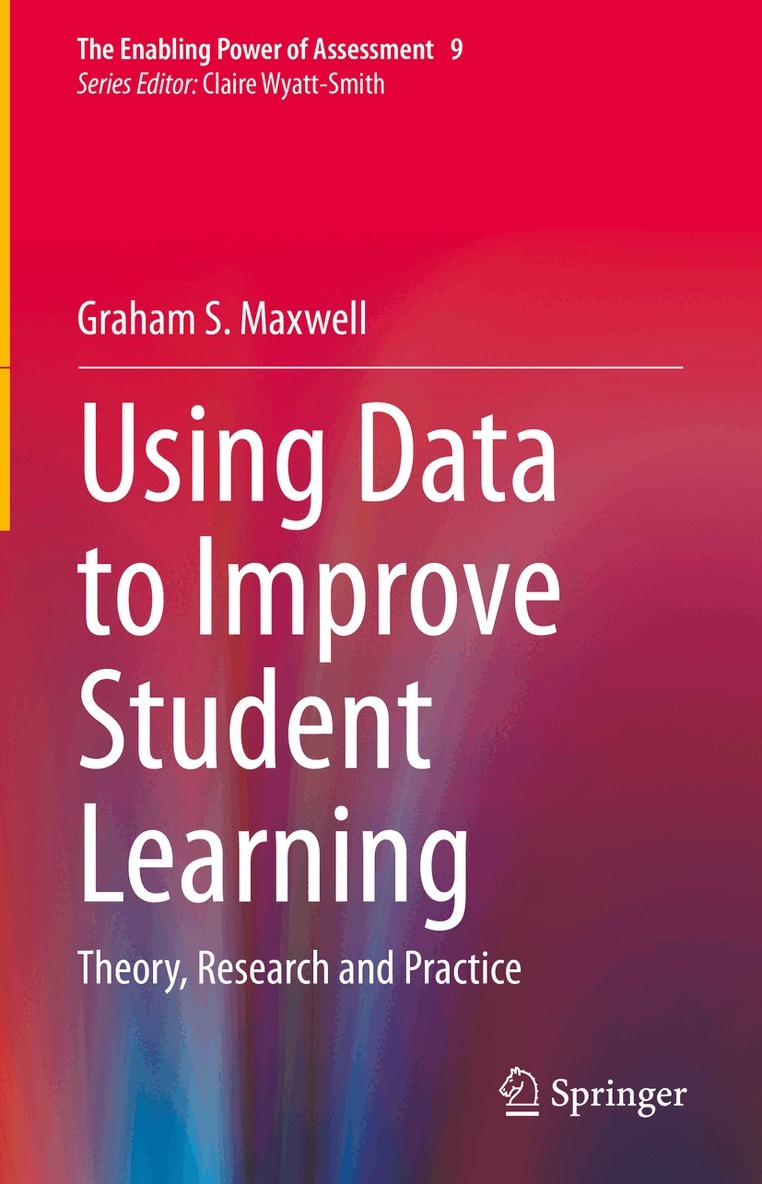
Using Data to Improve Student Learning
Theory, Research and Practice
Inbunden, Engelska, 2021
1 479 kr
Skickas inom 10-15 vardagar
This book offers a coherent research-based overview and analysis of theories and practices in using data to improve student learning. It clarifies what 'use of data' means and differentiates the different levels of decision-making in education (relating to the system, district, school, classroom, or individual student). The relationship between data and decision-making is considered and various movements in the use of data to improve student learning are analysed, especially from the perspective of their assumptions and effects. This leads to a focus on effective educational decision-making as a social process requiring collaboration among all relevant participants. It also requires a clear understanding of educational aims, and these are seen to transcend what can be assessed by standardised tests. The consequences of this analysis for decision processes are explored and conclusions are drawn about what principles might best guide educational practice as well as what ambiguities remain. Throughout, the focus is on what existing research says about each of the issues explored.
E-bok
Engelska, 20211 773 kr
Läs direkt efter köp
This book offers a coherent research-based overview and analysis of theories and practices in using data to improve student learning. It clarifies what ''use of data'' means and differentiates the different levels of decision-making in education (relating to the system, district, school, classroom, or individual student). The relationship between data and decision-making is considered and various movements in the use of data to improve student learning are analysed, especially from the perspective of their assumptions and effects. This leads to a focus on effective educational decision-making as a social process requiring collaboration among all relevant participants. It also requires a clear understanding of educational aims, and these are seen to transcend what can be assessed by standardised tests. The consequences of this analysis for decision processes are explored and conclusions are drawn about what principles might best guide educational practice as well as what ambiguities remain. Throughout, the focus is on what existing research says about each of the issues explored.