Guan Quan - Böcker
Visar alla böcker från författaren Guan Quan. Handla med fri frakt och snabb leverans.
12 produkter
12 produkter
2 176 kr
Skickas inom 10-15 vardagar
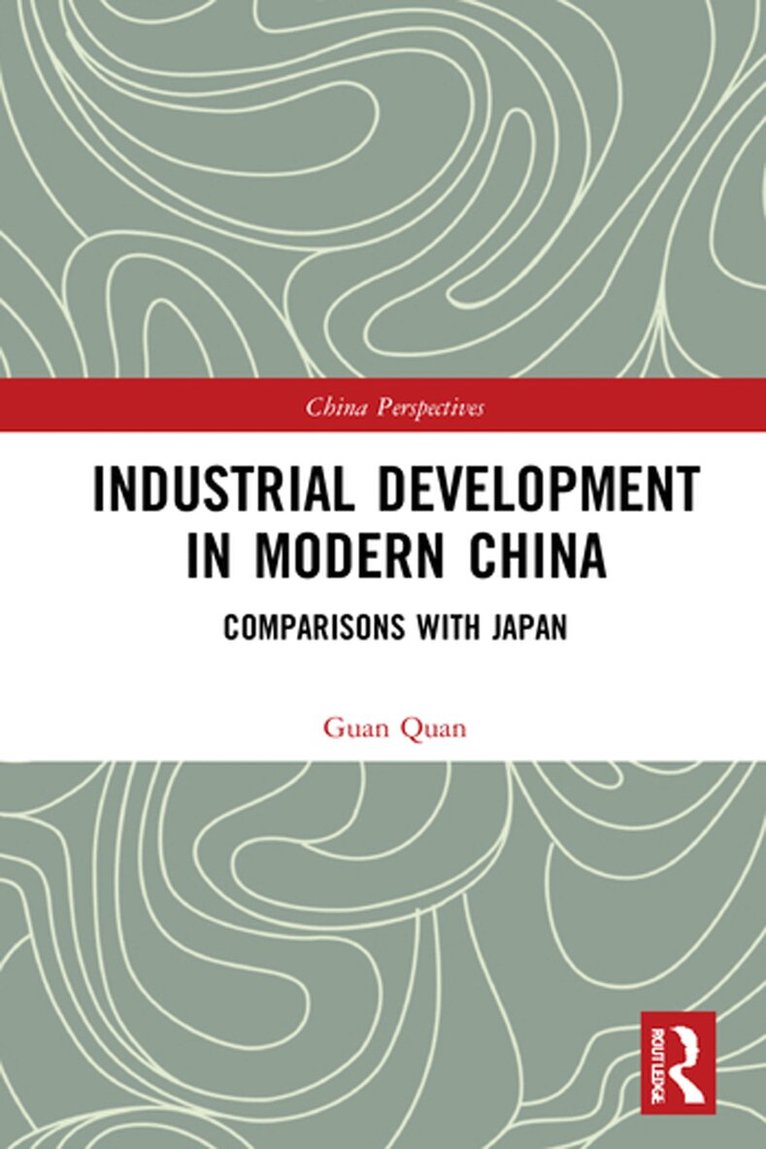
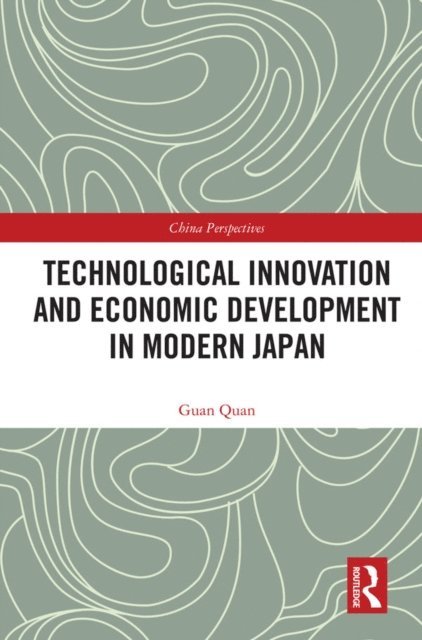
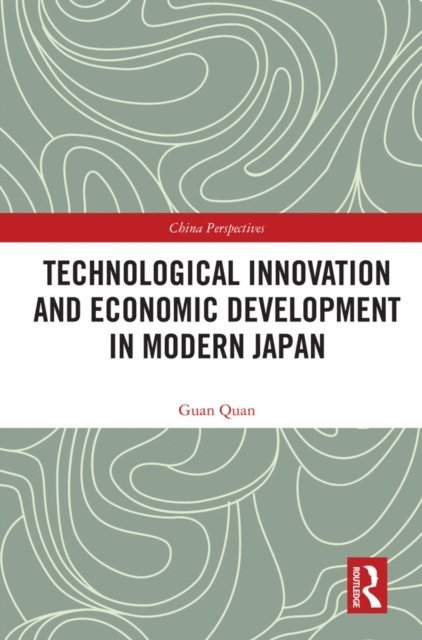
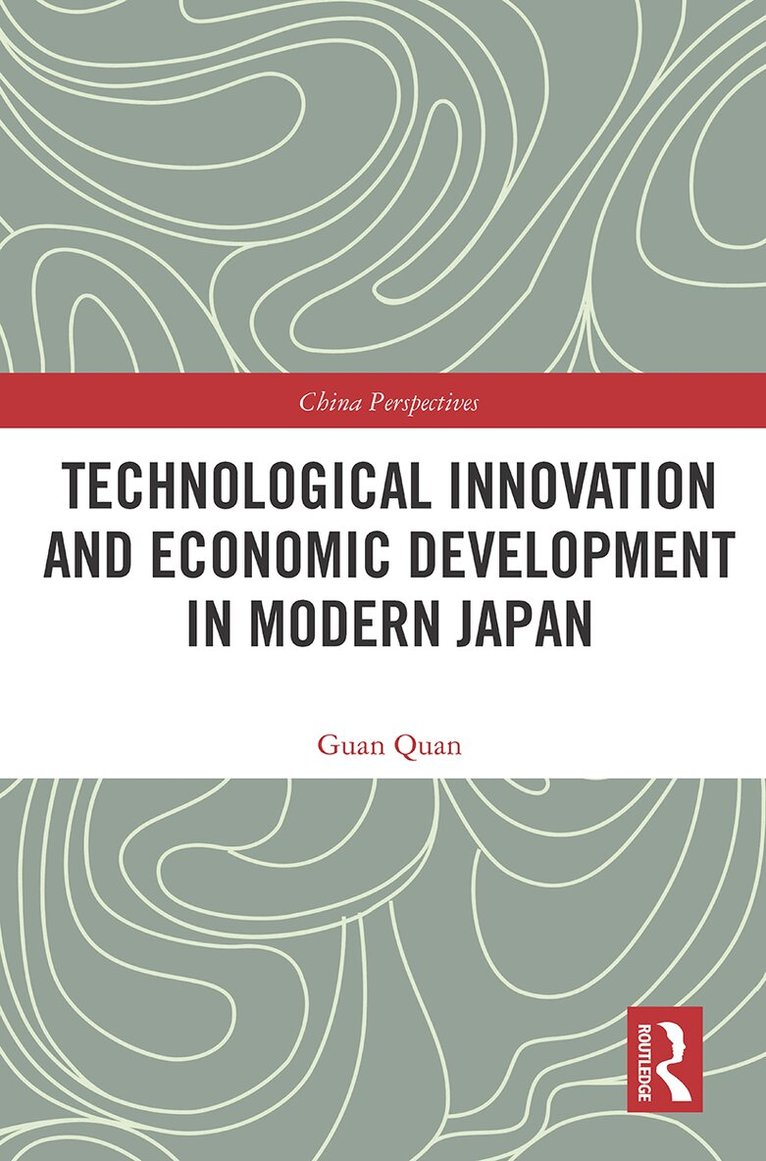
As the first volume of the two-volume Industrial Development in Modern China: Comparisons with Japan that studies the different paths of industrialization and economic modernization between China and Japan, this book analyzes the relationship between technological innovation and economic development in Japan before World War II.The author deploys econometric analysis, multivariate statistical analysis and case studies from different industries to shed light on technological innovation in the Japanese context with particular emphasis on the importance of the patent system. A great deal of new inventions and patents in this period led to fast economic growth in Japan characterized by the simultaneous development of both traditional and modern industries. These insights help reshape the understanding of Japan's economic development and industrial advancement at an early stage and provide pointers to developing countries as to how human capital, social capabilities and thereby technological innovation can figure in economic growth.This volume will appeal to academics of the East Asian economy, development economics and modern economic history as well as general readers interested in the miracle of the Japanese economy as the first to achieve economic development and modernization among non-Western countries.
5 371 kr
Skickas inom 10-15 vardagar
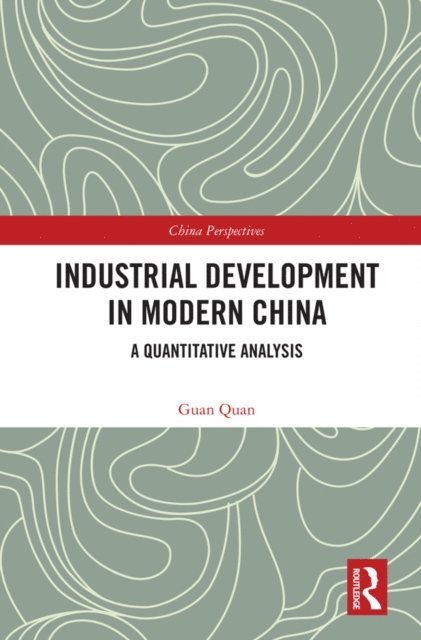
The two-volume set studies the economic and industrial development of Japan and China in modern times and draws distinctions between the different paths of industrialization and economic modernization taken in the two countries, based on statistical materials, quantitative analysis and multivariate statistical analysis.The first volume, Technological Innovation and Economic Development in Modern Japan, analyses the relationship between technological innovation and economic development in Japan before World War II. It sheds light on technological innovation in the Japanese context with particular emphasis on the importance of the patent system. The second volume, Industrial Development in Modern China: A Quantitative Analysis, examines the basic conditions and overall economic development of industrial development, chiefly during the period of the Republic of China (1912-1949). The author takes a comparative perspective, bringing the case of modern Japan into the discussion.The set will appeal to academics and general readers interested in economic development and the modern economic history of East Asia, development economics, as well as industrial and technological history.
637 kr
Skickas inom 10-15 vardagar
As the first volume of the two-volume Industrial Development in Modern China: Comparisons with Japan that studies the different paths of industrialization and economic modernization between China and Japan, this book analyzes the relationship between technological innovation and economic development in Japan before World War II.The author deploys econometric analysis, multivariate statistical analysis and case studies from different industries to shed light on technological innovation in the Japanese context with particular emphasis on the importance of the patent system. A great deal of new inventions and patents in this period led to fast economic growth in Japan characterized by the simultaneous development of both traditional and modern industries. These insights help reshape the understanding of Japan's economic development and industrial advancement at an early stage and provide pointers to developing countries as to how human capital, social capabilities and thereby technological innovation can figure in economic growth.This volume will appeal to academics of the East Asian economy, development economics and modern economic history as well as general readers interested in the miracle of the Japanese economy as the first to achieve economic development and modernization among non-Western countries.
2 246 kr
Skickas inom 10-15 vardagar
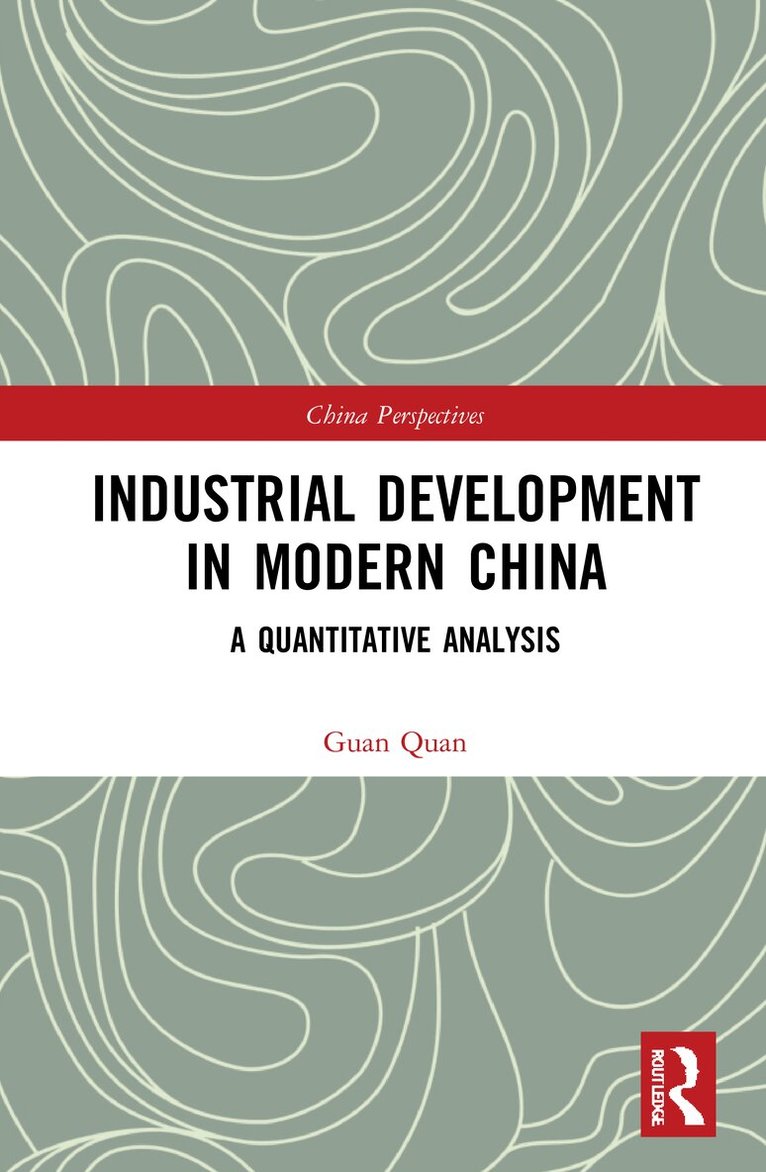
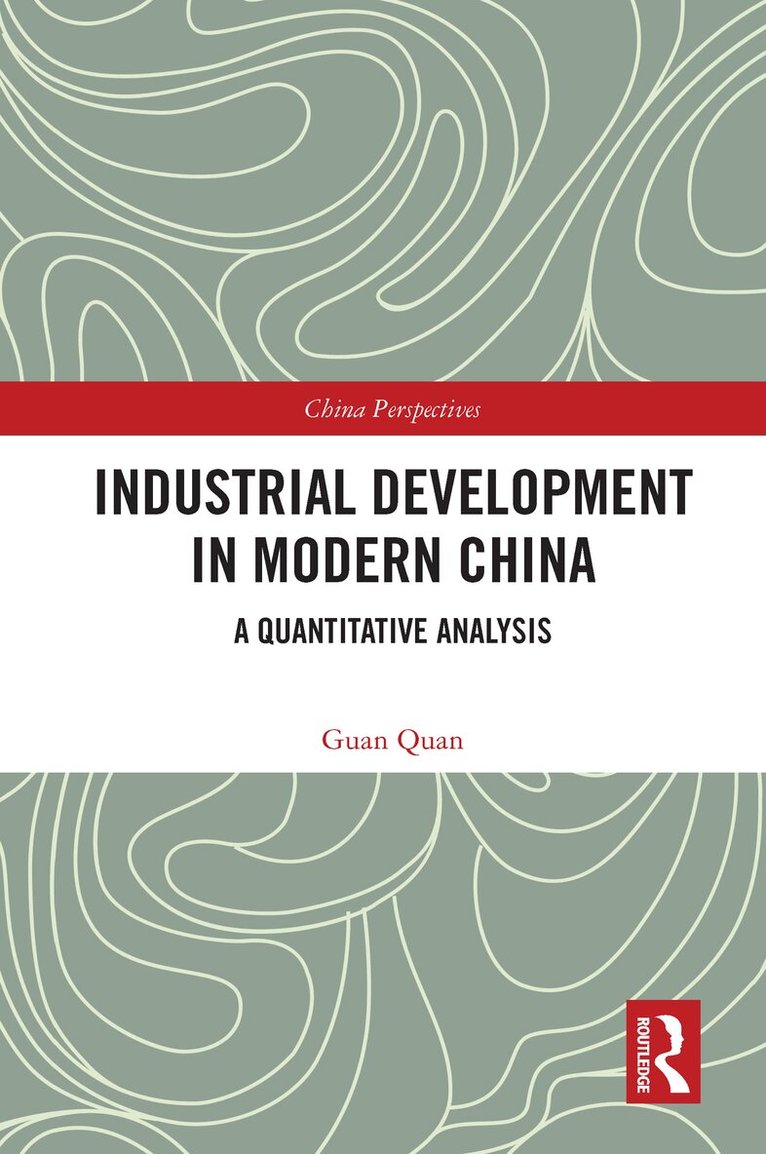
As the second volume of the two-volume Industrial Development in Modern China: Comparisons with Japan that studies the different paths of industrialization and economic modernization between China and Japan, this book explores the process of economic and industrial development in the Republic of China (1912-1949).Backed up by extensive industrial statistical data gathered and rigorously analyzed by the author, this book stands out from previous research that has been limited to theoretical inferences and general judgments with scarce empirical evidence. So, far from being a purely historical review of China's industrial development, this book focuses on the internal logic of economic phenomena, especially the relationship among economic variables reflected in economic data, and it offers discussions within the framework of economic development theory. It sheds light on how China came to be a comparative economic laggard in the period, especially in comparison to Japan. The author uses multivariate statistical analysis to draw comparisons between the industrial development of China and that of Japan, focusing on outbound investment and its importance for economic growth.This volume will appeal to academics and general readers interested in the economic development and modern economic history of East Asia, as well as development economics and industrial and technological history.
1 493 kr
Skickas inom 10-15 vardagar
The two-volume set studies the economic and industrial development of Japan and China in modern times and draws distinctions between the different paths of industrialization and economic modernization taken in the two countries, based on statistical materials, quantitative analysis and multivariate statistical analysis.The first volume, Technological Innovation and Economic Development in Modern Japan, analyses the relationship between technological innovation and economic development in Japan before World War II. It sheds light on technological innovation in the Japanese context with particular emphasis on the importance of the patent system. The second volume, Industrial Development in Modern China: A Quantitative Analysis, examines the basic conditions and overall economic development of industrial development, chiefly during the period of the Republic of China (1912-1949). The author takes a comparative perspective, bringing the case of modern Japan into the discussion.The set will appeal to academics and general readers interested in economic development and the modern economic history of East Asia, development economics, as well as industrial and technological history.
637 kr
Skickas inom 10-15 vardagar
As the second volume of the two-volume Industrial Development in Modern China: Comparisons with Japan that studies the different paths of industrialization and economic modernization between China and Japan, this book explores the process of economic and industrial development in the Republic of China (1912-1949).Backed up by extensive industrial statistical data gathered and rigorously analyzed by the author, this book stands out from previous research that has been limited to theoretical inferences and general judgments with scarce empirical evidence. So, far from being a purely historical review of China's industrial development, this book focuses on the internal logic of economic phenomena, especially the relationship among economic variables reflected in economic data, and it offers discussions within the framework of economic development theory. It sheds light on how China came to be a comparative economic laggard in the period, especially in comparison to Japan. The author uses multivariate statistical analysis to draw comparisons between the industrial development of China and that of Japan, focusing on outbound investment and its importance for economic growth.This volume will appeal to academics and general readers interested in the economic development and modern economic history of East Asia, as well as development economics and industrial and technological history.
2 176 kr
Skickas inom 10-15 vardagar
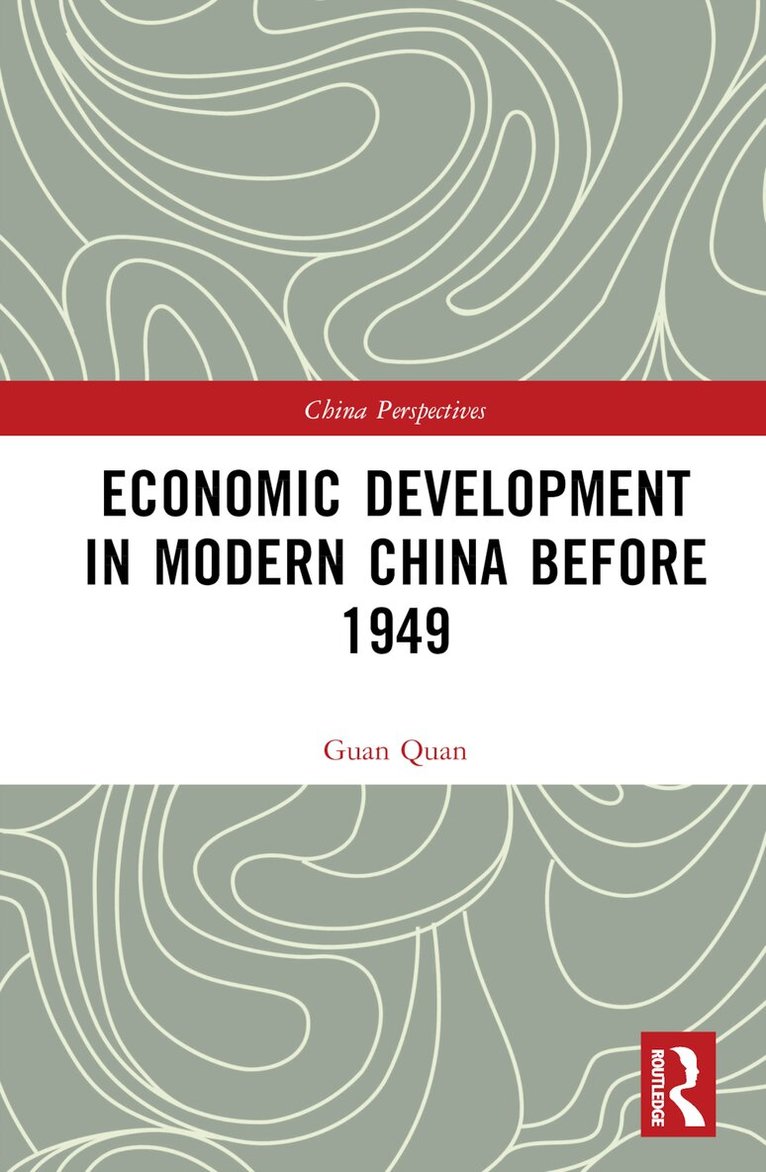
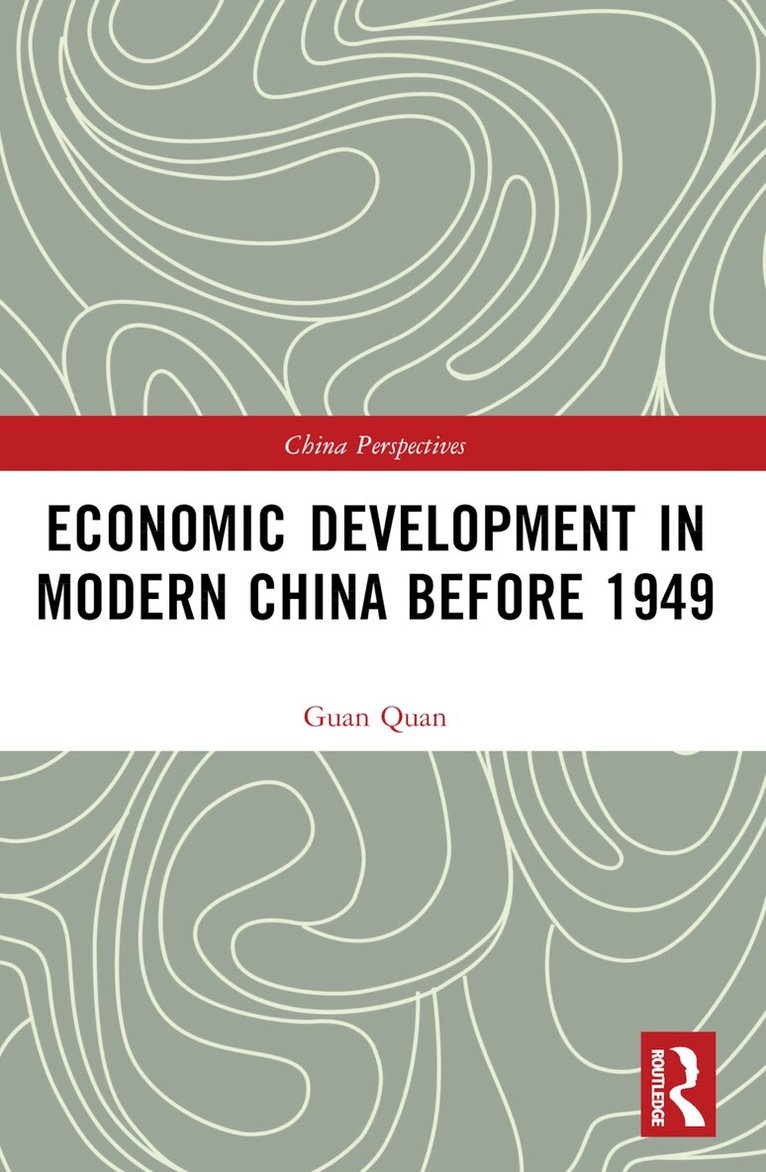
As the first volume of a two-volume set on Chinese economic history, this book investigates Chinese economic development between 1912 and 1949 and unravels the overall level during that time.From the perspective of development economics, the two-volume set studies the economic history and development of China since 1912, with a focus on the quantitative analysis of economic activities. Comprised of two core parts, this first volume, centering on the period of the Republic of China, first describes the historical process and characteristics of the economy at different stages and then looks into the momentum and inner logic that underpin the economic development. The former part covers issues of agriculture, industry, population, and labour force, urbanization, price changes, people’s consumption and living standard, regional difference, etc. The latter part includes discussions on natural and human resources, capital formation and technological progress, the role of government and finance, international trade, and foreign capital. This title will be an interesting read for scholars and students working on Chinese economic history, the Chinese economy, and modern Chinese society.
2 176 kr
Skickas inom 10-15 vardagar
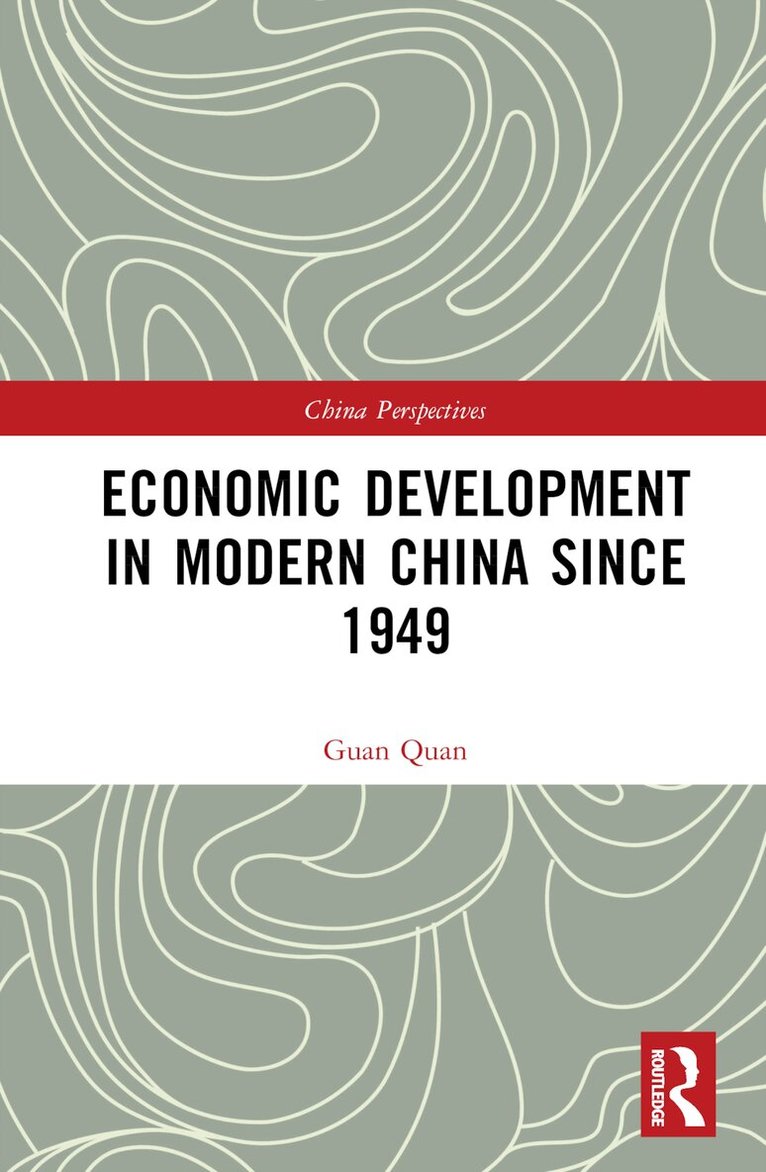
As the second volume of a two-volume set on the Chinese economic history, this book investigates Chinese economic development since 1949, uncovering the momentum, unique models, and general laws of economy in China.From the perspective of development economics, the two-volume set studies the economic history and development of China since 1912, with a focus on the quantitative analysis of economic activities. This volume describes the historical process and characteristics of the economy since 1949, then looks into the momentum and inner logic that underpin the economic development. The former part covers issues of agriculture, industry, population and labor force, urbanization and mobility, income distribution and poverty, and price changes. The latter part includes analyses on the capital formation, human resources, technological progress, institutions, macro policies, international trade, and direct investment.This title will interest scholars and students working on Chinese economic history, the Chinese economy, and modern Chinese society.
5 123 kr
Skickas inom 10-15 vardagar
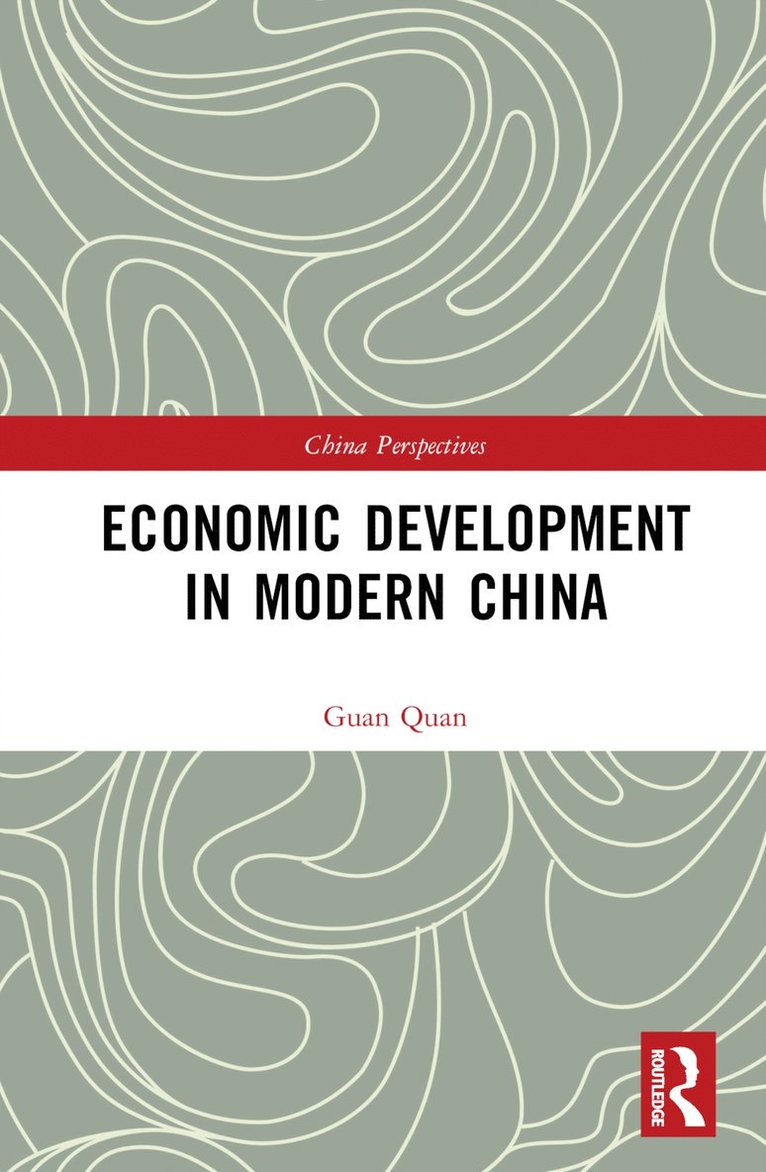
From the perspective of development economics, the two-volume set studies the economic history and development of China since 1912, with a focus on the quantitative analysis of economic activities.Centering on two important historical periods, the first volume examines the economy of the Republic of China between 1912 and 1949, while the second studies the further economic development since 1949. Both titles describe the historical process and characteristics of the economy during the time and then look into the momentum and inner logic that underpin the economic development. Key sectors and economic issues discussed in the book include agriculture, industry, population and labour force, urbanization and mobility, income distribution, and price changes. It also analyses various related elements that occasion and influence the key economic development and trends, including capital formation, human resources, technological progress, the role of government and finance, institutions, macro policies, international trade, and direct investment.This set will interest scholars and students working on Chinese economic history, the Chinese economy, and modern Chinese society.
581 kr
Skickas inom 10-15 vardagar
As the first volume of a two-volume set on Chinese economic history, this book investigates Chinese economic development between 1912 and 1949 and unravels the overall level during that time.From the perspective of development economics, the two-volume set studies the economic history and development of China since 1912, with a focus on the quantitative analysis of economic activities. Comprised of two core parts, this first volume, centering on the period of the Republic of China, first describes the historical process and characteristics of the economy at different stages and then looks into the momentum and inner logic that underpin the economic development. The former part covers issues of agriculture, industry, population, and labour force, urbanization, price changes, people’s consumption and living standard, regional difference, etc. The latter part includes discussions on natural and human resources, capital formation and technological progress, the role of government and finance, international trade, and foreign capital. This title will be an interesting read for scholars and students working on Chinese economic history, the Chinese economy, and modern Chinese society.
581 kr
Skickas inom 10-15 vardagar
As the second volume of a two-volume set on the Chinese economic history, this book investigates Chinese economic development since 1949, uncovering the momentum, unique models, and general laws of economy in China.From the perspective of development economics, the two-volume set studies the economic history and development of China since 1912, with a focus on the quantitative analysis of economic activities. This volume describes the historical process and characteristics of the economy since 1949, then looks into the momentum and inner logic that underpin the economic development. The former part covers issues of agriculture, industry, population and labor force, urbanization and mobility, income distribution and poverty, and price changes. The latter part includes analyses on the capital formation, human resources, technological progress, institutions, macro policies, international trade, and direct investment.This title will interest scholars and students working on Chinese economic history, the Chinese economy, and modern Chinese society.
1 361 kr
Skickas inom 10-15 vardagar
From the perspective of development economics, the two-volume set studies the economic history and development of China since 1912, with a focus on the quantitative analysis of economic activities.Centering on two important historical periods, the first volume examines the economy of the Republic of China between 1912 and 1949, while the second studies the further economic development since 1949. Both titles describe the historical process and characteristics of the economy during the time and then look into the momentum and inner logic that underpin the economic development. Key sectors and economic issues discussed in the book include agriculture, industry, population and labour force, urbanization and mobility, income distribution, and price changes. It also analyses various related elements that occasion and influence the key economic development and trends, including capital formation, human resources, technological progress, the role of government and finance, institutions, macro policies, international trade, and direct investment.This set will interest scholars and students working on Chinese economic history, the Chinese economy, and modern Chinese society.