Guillermo Donoso - Böcker
Visar alla böcker från författaren Guillermo Donoso. Handla med fri frakt och snabb leverans.
4 produkter
4 produkter
1 271 kr
Skickas inom 10-15 vardagar
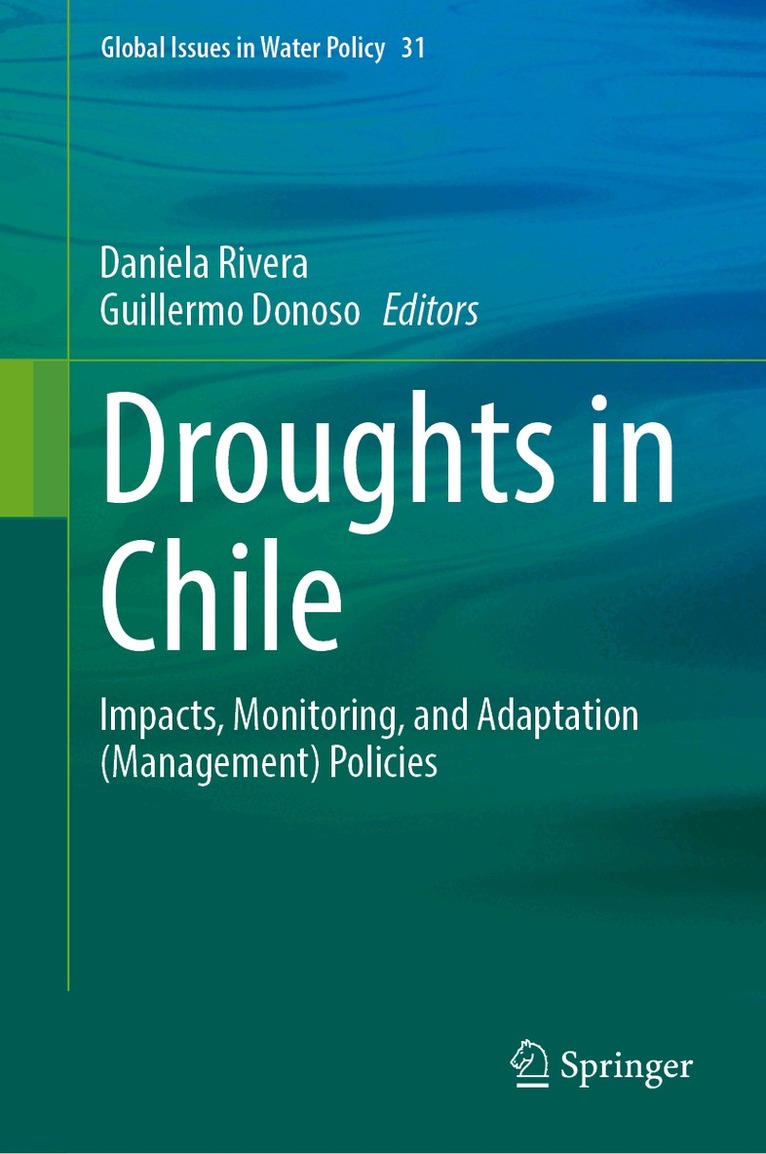
This book offers a detailed examination of the main sources of Chile’s water, its principle consumers, the gap between supply and demand, hydrological droughts, and future projected impacts of climate change.
Del 31 - Global Issues in Water Policy
Droughts in Chile
Impacts, Monitoring, and Adaptation (Management) Policies
Inbunden, Engelska, 2025
1 804 kr
Skickas inom 10-15 vardagar
The case of Chile is illustrative of a transition from command and control to market-based management policies, where economic incentives play a significant role in water management.
1 804 kr
Skickas inom 10-15 vardagar
The case of Chile is illustrative of a transition from command and control to market-based management policies, where economic incentives play a significant role in water management. This book deals with drought policy in Chile and other countries. It offers a detailed examination of drought management and policies. It describes, analyzes and evaluates the performance of drought policies, laws and institutions, identifies the main challenges that Chile faces and derives lessons learnt. Expert contributors discuss such topics as Chile’s drought water policy, and the reasoning which explains present challenges.
1 271 kr
Skickas inom 10-15 vardagar
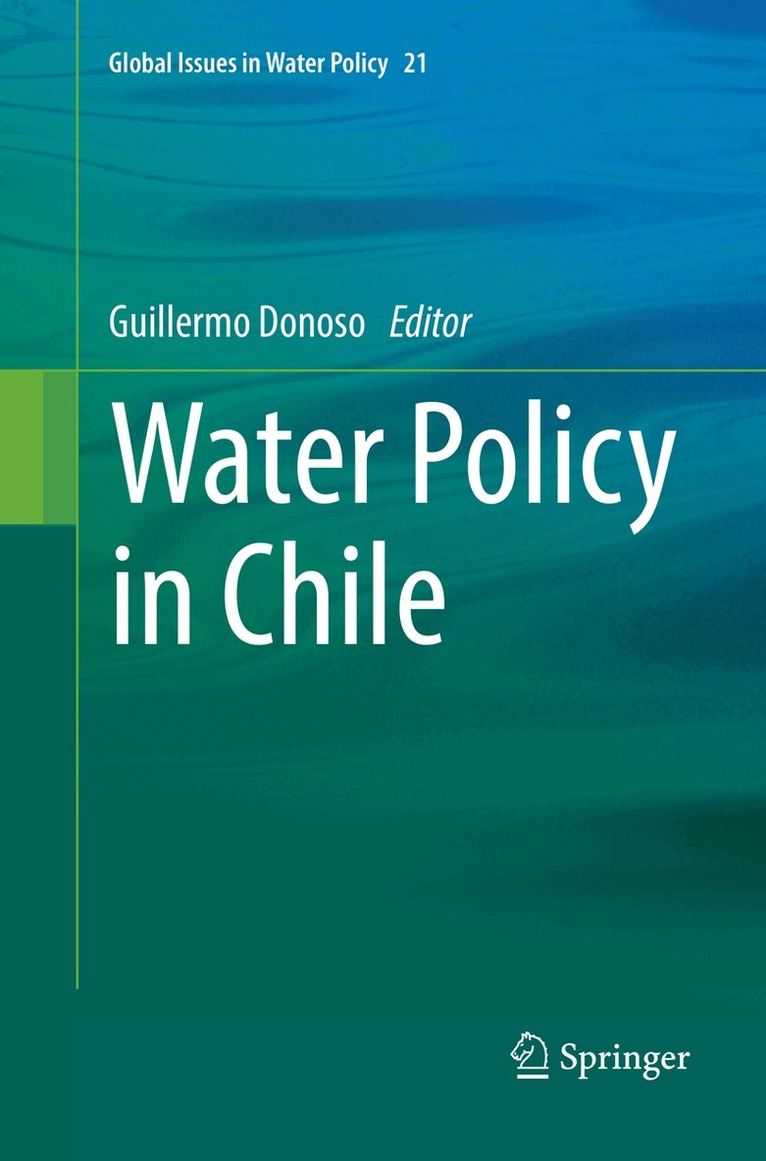
This book offers a detailed examination of the main sources of Chile’s water, its principle consumers, the gap between supply and demand, hydrological droughts, and future projected impacts of climate change. It describes, analyzes and evaluates the performance of water policies, laws and institutions, identifies the main challenges that Chile needs to face and derives lessons learnt from Chile’s reform experience.Expert contributors discuss such topics as Chile’s water policy, and the reasoning which explains its policy reform. The book presents and evaluates the performance of the legal and institutional framework of water resources. It also describes efforts to meet actual demands for water by augmenting supplies with groundwater management, waste water re-use and desalination and improve the state of water ecosystems. The last chapter presents the editor’s assessment and conclusions. The case of Chile is illustrative of a transition from command and control to market based management policies, where economic incentives play a significant role in water management.