Gunter Merz – författare
Visar alla böcker från författaren Gunter Merz. Handla med fri frakt och snabb leverans.
4 produkter
4 produkter
E-bok
PDF, Tyska, 2025418 kr
Läs direkt efter köp
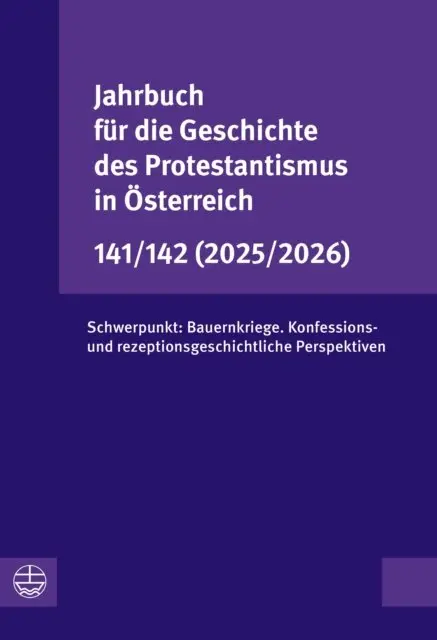
Die Beitrage des neuen Bandes des Jahrbuchs fur die Geschichte des Protestantismus in Osterreich widmen sich der Geschichte der Bauernkriege in den habsburgischen Territorien im 16. und 17. Jahrhundert aus konfessions- und rezeptionsgeschichtlicher Perspektive. Im ersten Teil werden Ablauf, (konfessionelle) Motive sowie rechtsgeschichtliche Aspekte in den Bauernerhebungen dargestellt. Der zweite Teil widmet sich der Erinnerung an die Bauernkriege in den evangelischen Kirchen, in Katholizismus, unterschiedlichen parteipolitischen Milieus und Schulbuchern. Mit Michael Gaismair, Balthasar Hubmaier und dem Frankenburger Wurfelspiel werden ausgewahlte Bezugspunkte osterreichischer Erinnerungskultur beleuchtet. Ein weiterer Beitrag befasst sich mit der Geschichte der Evangelischen Superintendenz A. B. Burgenland.
Inbunden, Engelska, 1996
1 635 kr
Skickas inom 10-15 vardagar
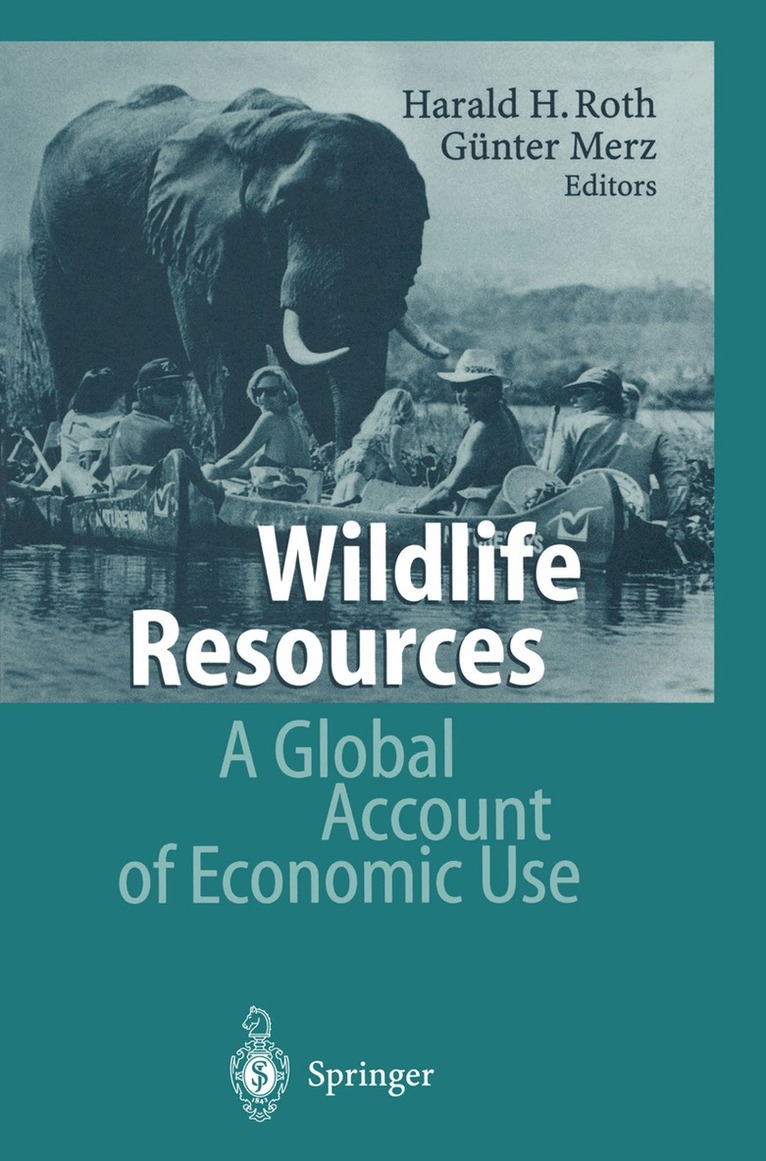
The general interest and attention paid to the use of the renewable natural resources of the world have increased greatly during the last decades. This is due to the environmental dilemma into which mankind has got itself by the total disregard of ecological facts and laws, the underprizing of natural resources and the overemphasis on economic develop ment, coupled with unimpeded rapid population growth and the preponderance of material istic consumption-oriented attitudes. The management and use of natural resources such as forests, grasslands, rivers and lakes were formerly considered purely in a financial context, whereas latterly, a consciousness of their social function and the indirect economic benefits which can be derived from them has developed. Thus, as regards these traditional resources, multi-use concepts comprising eco nomically oriented utilisation as well as recreational, educational and social use have be come widely accepted. Conservation of natural resources for sustainable consumptive as well as non-consumptive uses has been recognised as a key element for maintaining eco nomic development all over the world. Fortunately, the industrialised countries have started to apply this principle themselves and in their technical and financial aid to the developing Third World countries. This is manifest from policy documents such as the World Bank Policy on Development of Wild Lands, issued in 1987.
Häftad, Engelska, 2010
1 201 kr
Skickas inom 10-15 vardagar
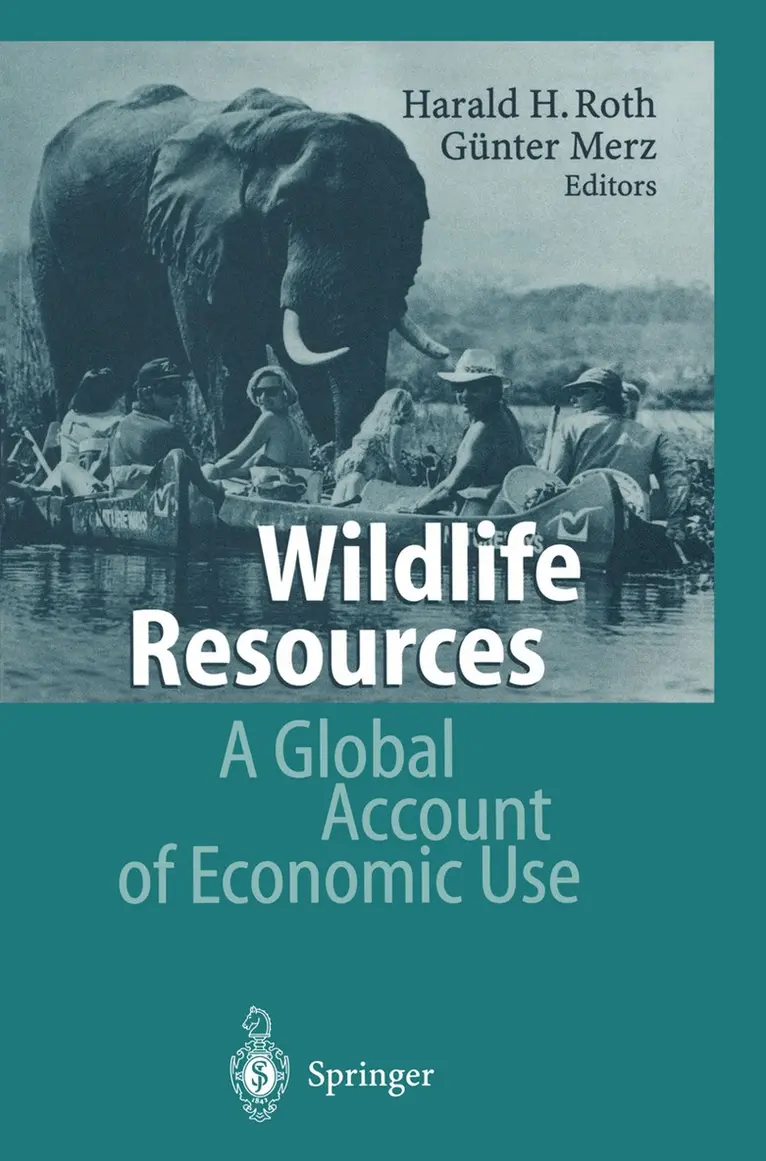
The general interest and attention paid to the use of the renewable natural resources of the world have increased greatly during the last decades. This is due to the environmental dilemma into which mankind has got itself by the total disregard of ecological facts and laws, the underprizing of natural resources and the overemphasis on economic develop ment, coupled with unimpeded rapid population growth and the preponderance of material istic consumption-oriented attitudes. The management and use of natural resources such as forests, grasslands, rivers and lakes were formerly considered purely in a financial context, whereas latterly, a consciousness of their social function and the indirect economic benefits which can be derived from them has developed. Thus, as regards these traditional resources, multi-use concepts comprising eco nomically oriented utilisation as well as recreational, educational and social use have be come widely accepted. Conservation of natural resources for sustainable consumptive as well as non-consumptive uses has been recognised as a key element for maintaining eco nomic development all over the world. Fortunately, the industrialised countries have started to apply this principle themselves and in their technical and financial aid to the developing Third World countries. This is manifest from policy documents such as the World Bank Policy on Development of Wild Lands, issued in 1987.
E-bok
PDF, Engelska, 20131 519 kr
Läs direkt efter köp
The general interest and attention paid to the use of the renewable natural resources of the world have increased greatly during the last decades. This is due to the environmental dilemma into which mankind has got itself by the total disregard of ecological facts and laws, the underprizing of natural resources and the overemphasis on economic develop ment, coupled with unimpeded rapid population growth and the preponderance of material istic consumption-oriented attitudes. The management and use of natural resources such as forests, grasslands, rivers and lakes were formerly considered purely in a financial context, whereas latterly, a consciousness of their social function and the indirect economic benefits which can be derived from them has developed. Thus, as regards these traditional resources, multi-use concepts comprising eco nomically oriented utilisation as well as recreational, educational and social use have be come widely accepted. Conservation of natural resources for sustainable consumptive as well as non-consumptive uses has been recognised as a key element for maintaining eco nomic development all over the world. Fortunately, the industrialised countries have started to apply this principle themselves and in their technical and financial aid to the developing Third World countries. This is manifest from policy documents such as the World Bank Policy on Development of Wild Lands, issued in 1987.