Guy Le Lay – författare
Visar alla böcker från författaren Guy Le Lay. Handla med fri frakt och snabb leverans.
4 produkter
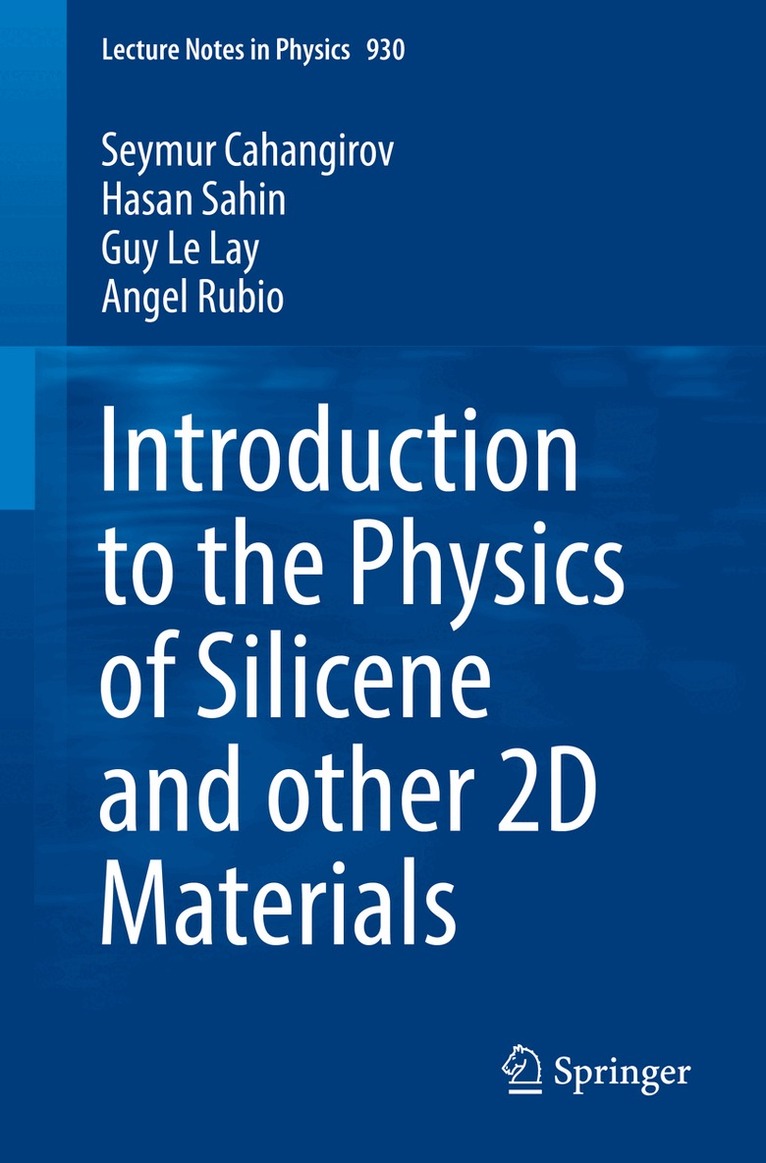
Introduction to the Physics of Silicene and other 2D Materials
Av Seymur Cahangirov, Hasan Sahin m. fl.
Häftad, 2016
388 kr
Lägg i varukorg
This concise book offers an essential introduction and reference guide for the many newcomers to the field of physics of elemental 2D materials. Silicene and related materials are currently among the most actively studied materials, especially following the first experimental synthesis on …
Introduction to the Physics of Silicene and other 2D Materials
Av Angel Rubio, Guy Le Lay m. fl.
E-bok, 2016
431 kr
Lägg i varukorg
This concise book offers an essential introduction and reference guide for the many newcomers to the field of physics of elemental 2D materials. Silicene and related materials are currently among the most actively studied materials, especially following the first experimental synthesis on …
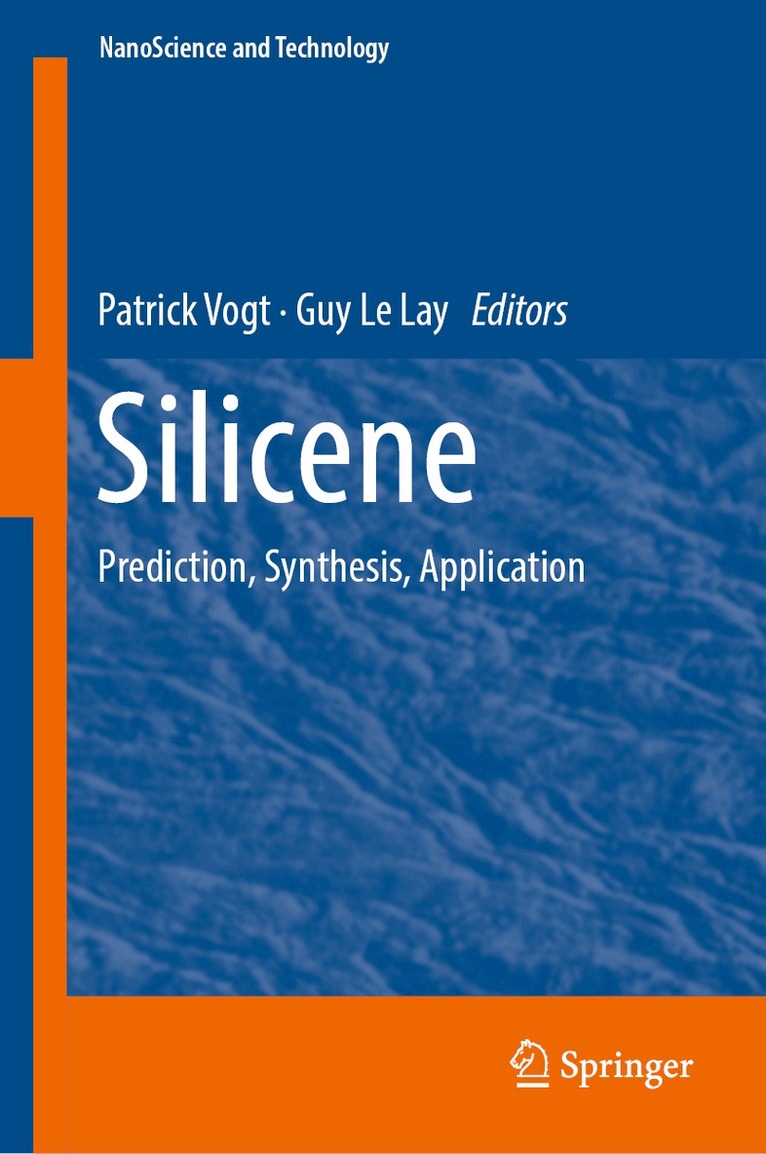
Silicene
Prediction, Synthesis, Application
Inbunden, 2018
1530 kr
Lägg i varukorg
This book discusses the processing and properties of silicene, including the historical and theoretical background of silicene, theoretical predictions, the synthesis and experimental properties of silicene and the potential applications and further developments. It also presents other similar …
Silicene
Prediction, Synthesis, Application
E-bok, 2018
1906 kr
Lägg i varukorg
This book discusses the processing and properties of silicene, including the historical and theoretical background of silicene, theoretical predictions, the synthesis and experimental properties of silicene and the potential applications and further developments. It also presents other similar …