
Gyanendra Yadav – författare
4 450 kr
Läs direkt efter köp
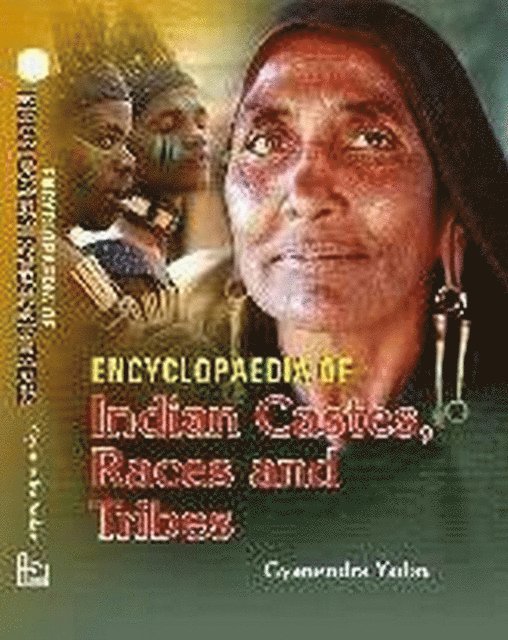
A tribe, viewed historically or developmentally, consists of a social group existing before the development of, or outside of, states.Many anthropologists use the term to refer to societies organized largely on the basis of kinship, especially corporate descent groups (see clan and lineage). Some theorists hold that tribes represent a stage in social evolution intermediate between bands and states. Other theorists argue that tribes developed after, and must be understood in terms of their relationship to, states. The Constitution of India does not define Scheduled Tribes as such. Article 366(25) refers to scheduled tribes as those communities who are scheduled in accordance with Article 342 of the Constitution. According to Article 342 of the Constitution, the Scheduled Tribes are the tribes or tribal communities or part of or groups within these tribes and tribal communities which have been declared as such by the President through a public notification. As per the 1991 Census, the Scheduled Tribes account for 67.76 million representing 8.08 percent of the country’s population. Scheduled Tribes are spread across the country mainly in forest and hilly regions. The Book contains chapter on Indian Caste System, Human Races and the Indigenous Tribes. Alphabetical List of Indian Castes and Tribes is also included in content of this book.
4 450 kr
Läs direkt efter köp
A tribe, viewed historically or developmentally, consists of a social group existing before the development of, or outside of, states.Many anthropologists use the term to refer to societies organized largely on the basis of kinship, especially corporate descent groups (see clan and lineage). Some theorists hold that tribes represent a stage in social evolution intermediate between bands and states. Other theorists argue that tribes developed after, and must be understood in terms of their relationship to, states. The Constitution of India does not define Scheduled Tribes as such. Article 366(25) refers to scheduled tribes as those communities who are scheduled in accordance with Article 342 of the Constitution. According to Article 342 of the Constitution, the Scheduled Tribes are the tribes or tribal communities or part of or groups within these tribes and tribal communities which have been declared as such by the President through a public notification. As per the 1991 Census, the Scheduled Tribes account for 67.76 million representing 8.08 percent of the country’s population. Scheduled Tribes are spread across the country mainly in forest and hilly regions. The Book contains chapter on Indian Caste System, Human Races and the Indigenous Tribes. Alphabetical List of Indian Castes and Tribes is also included in content of this book.
4 450 kr
Läs direkt efter köp
A tribe, viewed historically or developmentally, consists of a social group existing before the development of, or outside of, states.Many anthropologists use the term to refer to societies organized largely on the basis of kinship, especially corporate descent groups (see clan and lineage). Some theorists hold that tribes represent a stage in social evolution intermediate between bands and states. Other theorists argue that tribes developed after, and must be understood in terms of their relationship to, states. The Constitution of India does not define Scheduled Tribes as such. Article 366(25) refers to scheduled tribes as those communities who are scheduled in accordance with Article 342 of the Constitution. According to Article 342 of the Constitution, the Scheduled Tribes are the tribes or tribal communities or part of or groups within these tribes and tribal communities which have been declared as such by the President through a public notification. As per the 1991 Census, the Scheduled Tribes account for 67.76 million representing 8.08 percent of the country’s population. Scheduled Tribes are spread across the country mainly in forest and hilly regions. The Book contains chapter on Indian Caste System, Human Races and the Indigenous Tribes. Alphabetical List of Indian Castes and Tribes is also included in content of this book.
4 450 kr
Läs direkt efter köp
A tribe, viewed historically or developmentally, consists of a social group existing before the development of, or outside of, states.Many anthropologists use the term to refer to societies organized largely on the basis of kinship, especially corporate descent groups (see clan and lineage). Some theorists hold that tribes represent a stage in social evolution intermediate between bands and states. Other theorists argue that tribes developed after, and must be understood in terms of their relationship to, states. The Constitution of India does not define Scheduled Tribes as such. Article 366(25) refers to scheduled tribes as those communities who are scheduled in accordance with Article 342 of the Constitution. According to Article 342 of the Constitution, the Scheduled Tribes are the tribes or tribal communities or part of or groups within these tribes and tribal communities which have been declared as such by the President through a public notification. As per the 1991 Census, the Scheduled Tribes account for 67.76 million representing 8.08 percent of the country’s population. Scheduled Tribes are spread across the country mainly in forest and hilly regions. The Book contains chapter on Indian Caste System, Human Races and the Indigenous Tribes. Alphabetical List of Indian Castes and Tribes is also included in content of this book.
4 450 kr
Läs direkt efter köp
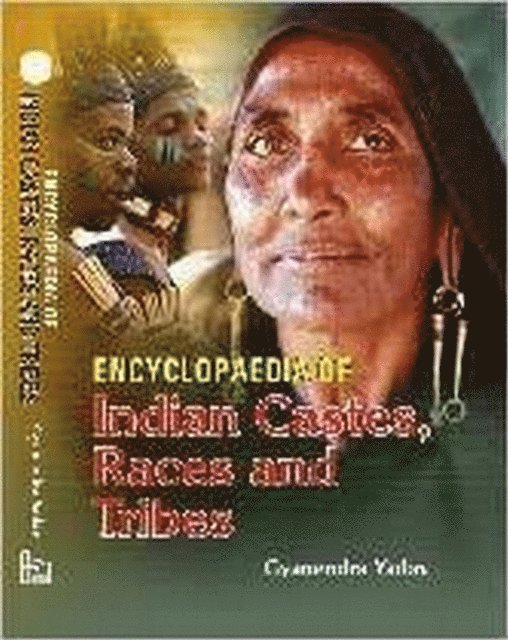
A tribe, viewed historically or developmentally, consists of a social group existing before the development of, or outside of, states.Many anthropologists use the term to refer to societies organized largely on the basis of kinship, especially corporate descent groups (see clan and lineage). Some theorists hold that tribes represent a stage in social evolution intermediate between bands and states. Other theorists argue that tribes developed after, and must be understood in terms of their relationship to, states. The Constitution of India does not define Scheduled Tribes as such. Article 366(25) refers to scheduled tribes as those communities who are scheduled in accordance with Article 342 of the Constitution. According to Article 342 of the Constitution, the Scheduled Tribes are the tribes or tribal communities or part of or groups within these tribes and tribal communities which have been declared as such by the President through a public notification. As per the 1991 Census, the Scheduled Tribes account for 67.76 million representing 8.08 percent of the country’s population. Scheduled Tribes are spread across the country mainly in forest and hilly regions. The Book contains chapter on Indian Caste System, Human Races and the Indigenous Tribes. Alphabetical List of Indian Castes and Tribes is also included in content of this book.
5 191 kr
Läs direkt efter köp
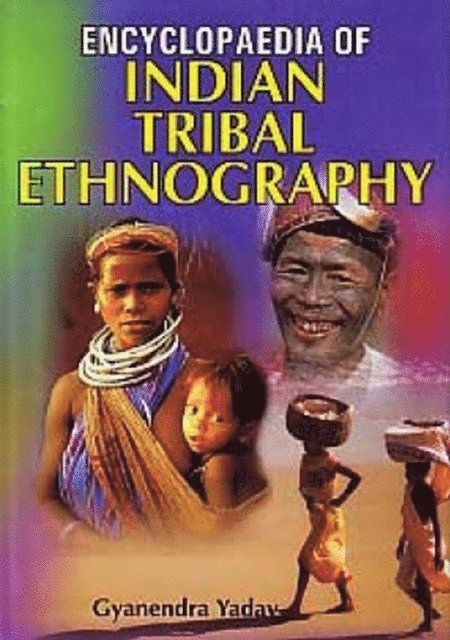
India is the home to large number of indigenous people, who are still untouched by the lifestyle of the modern world. With more than 100 million, India has the largest population of the tribal people in the world. These tribal people also known as the adivasi’s are the poorest in the country, who are still dependent on haunting, agriculture and fishing. Some of the major tribal groups in India include Gonds, Santhals, Khasis, Angamis, Bhils, Bhutias and Great Andamanese. All these tribal people have their own culture, tradition, language and lifestyle. The aim of this encyclopaedia is to highlight the physical, historical, social, political, economic, religious and cultural life of Indian tribes.
4 294 kr
Läs direkt efter köp
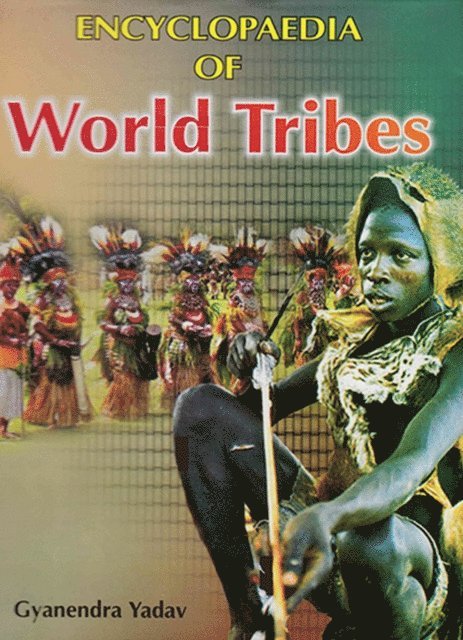
A tribe viewed historically or developmentally, consists of a social group existing before the development of, or outside of, states, though some modem theorists hold that contemporary tribes can only be understood in terms of their relationship to states. Archaeologists continue to explore the development of pre-state tribes. Current research suggests that tribal structures constituted one type of adaptation to situations providing plentiful yet unpredictable resources. Such structures proved flexible enough to coordinate production and distribution of food in times of scarcity, without limiting or constraining people during times of surplus of world tribes. This includes comprehensive account of the socio cultural profile and development programmers of tribes of the world. An attempt has been made to include most of the tribes from the deferent parts of the world. This encyclopaedia will be much useful to students, teachers and scholars studying tribes in India and abroad.
4 332 kr
Läs direkt efter köp
A tribe viewed historically or developmentally, consists of a social group existing before the development of, or outside of, states, though some modem theorists hold that contemporary tribes can only be understood in terms of their relationship to states. Archaeologists continue to explore the development of pre-state tribes. Current research suggests that tribal structures constituted one type of adaptation to situations providing plentiful yet unpredictable resources. Such structures proved flexible enough to coordinate production and distribution of food in times of scarcity, without limiting or constraining people during times of surplus of world tribes. This includes comprehensive account of the socio cultural profile and development programmers of tribes of the world. An attempt has been made to include most of the tribes from the deferent parts of the world. This encyclopaedia will be much useful to students, teachers and scholars studying tribes in India and abroad.
4 294 kr
Läs direkt efter köp
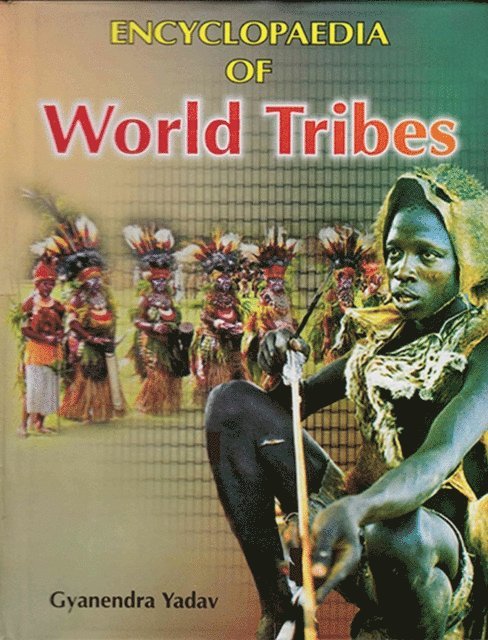
A tribe viewed historically or developmentally, consists of a social group existing before the development of, or outside of, states, though some modem theorists hold that contemporary tribes can only be understood in terms of their relationship to states. Archaeologists continue to explore the development of pre-state tribes. Current research suggests that tribal structures constituted one type of adaptation to situations providing plentiful yet unpredictable resources. Such structures proved flexible enough to coordinate production and distribution of food in times of scarcity, without limiting or constraining people during times of surplus of world tribes. This includes comprehensive account of the socio cultural profile and development programmers of tribes of the world. An attempt has been made to include most of the tribes from the deferent parts of the world. This encyclopaedia will be much useful to students, teachers and scholars studying tribes in India and abroad.