H. Bürkle de la Camp – författare
Visar alla böcker från författaren H. Bürkle de la Camp. Handla med fri frakt och snabb leverans.
12 produkter
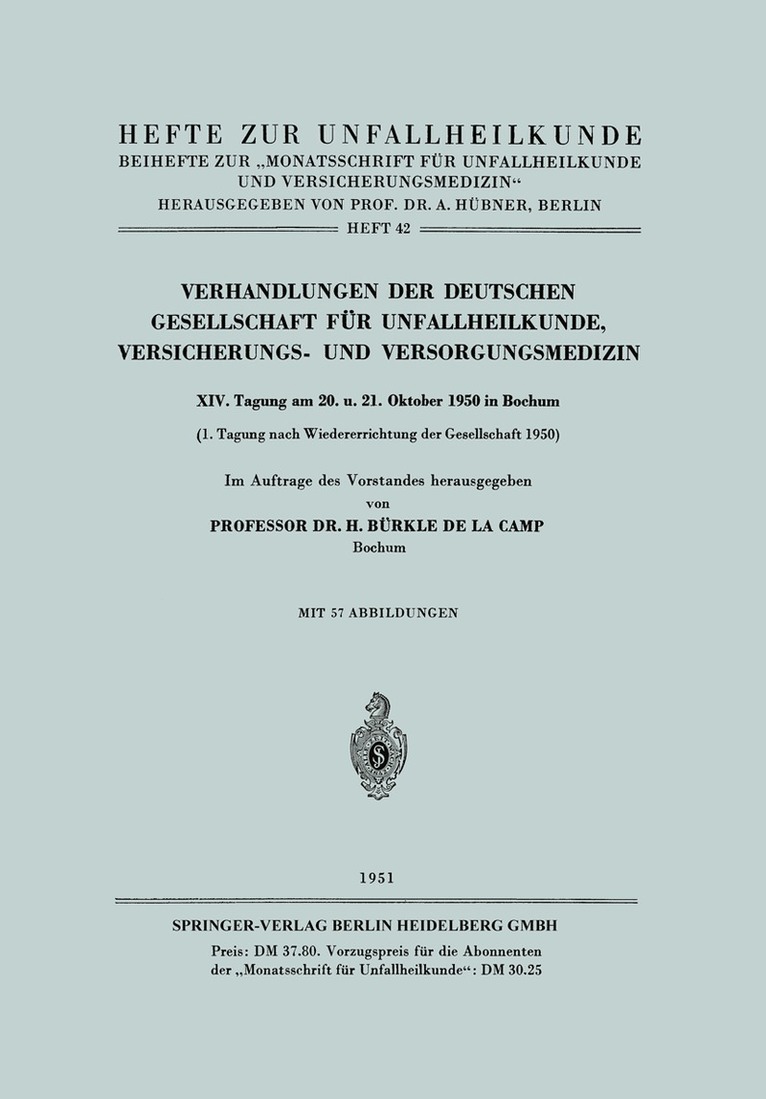
Verhandlungen der Deutschen Gesellschaft für Unfallheilkunde, Versicherungs- und Versorgungsmedizin
XIV. Tagung am 20. u. 21. Oktober 1950 in Bochum
Häftad, 1951
583 kr
Lägg i varukorg
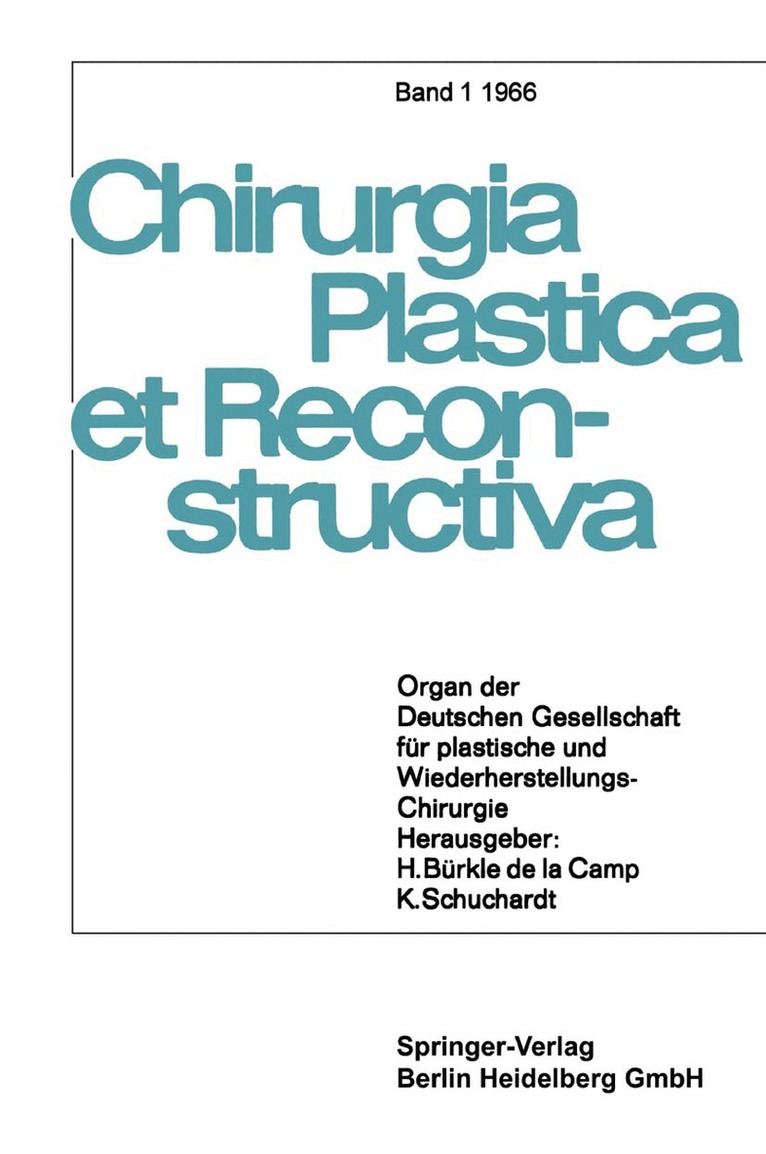
Chirurgia Plastica et Reconstructiva
Organ der Deutschen Gesellschaft für plastische und Wiederherstellungs-Chirurgie
Häftad, 1966
583 kr
Lägg i varukorg
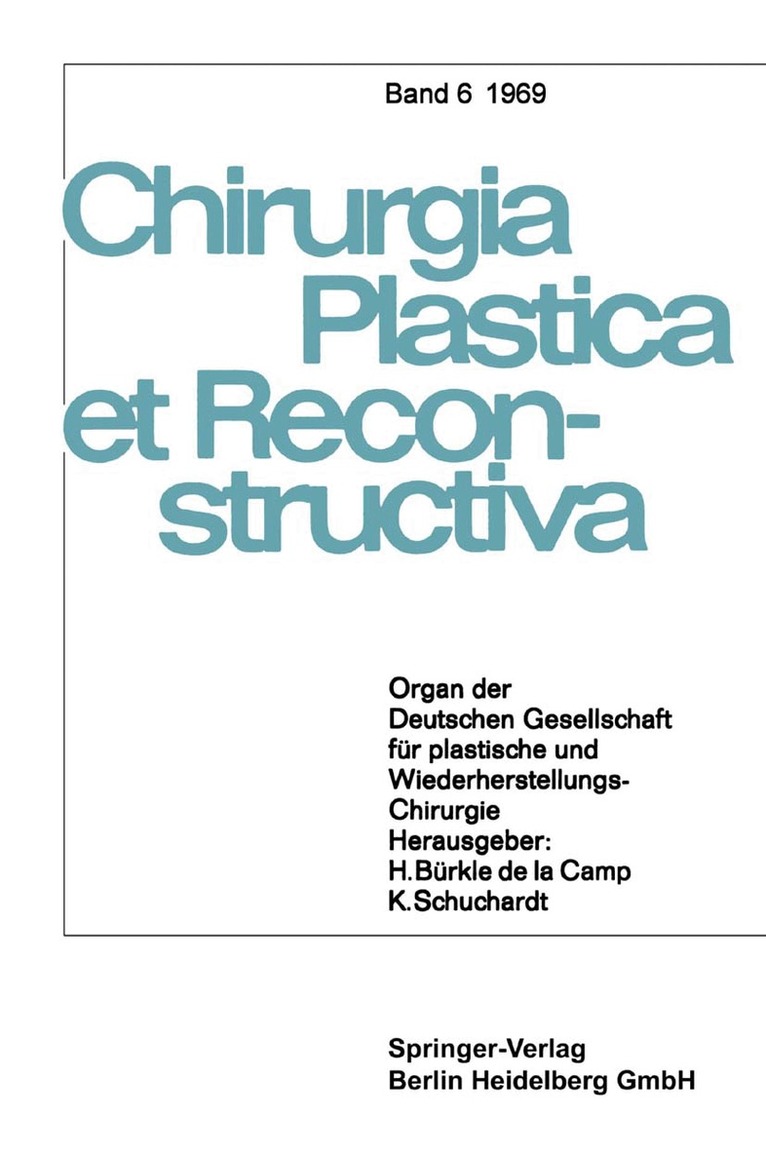
Organ der Deutschen Gesellschaft für Plastische und Wiederherstellungs-Chirurgie
Av H. Bürkle de la Camp, K. Schuchardt m. fl.
Häftad, 1969
583 kr
Lägg i varukorg
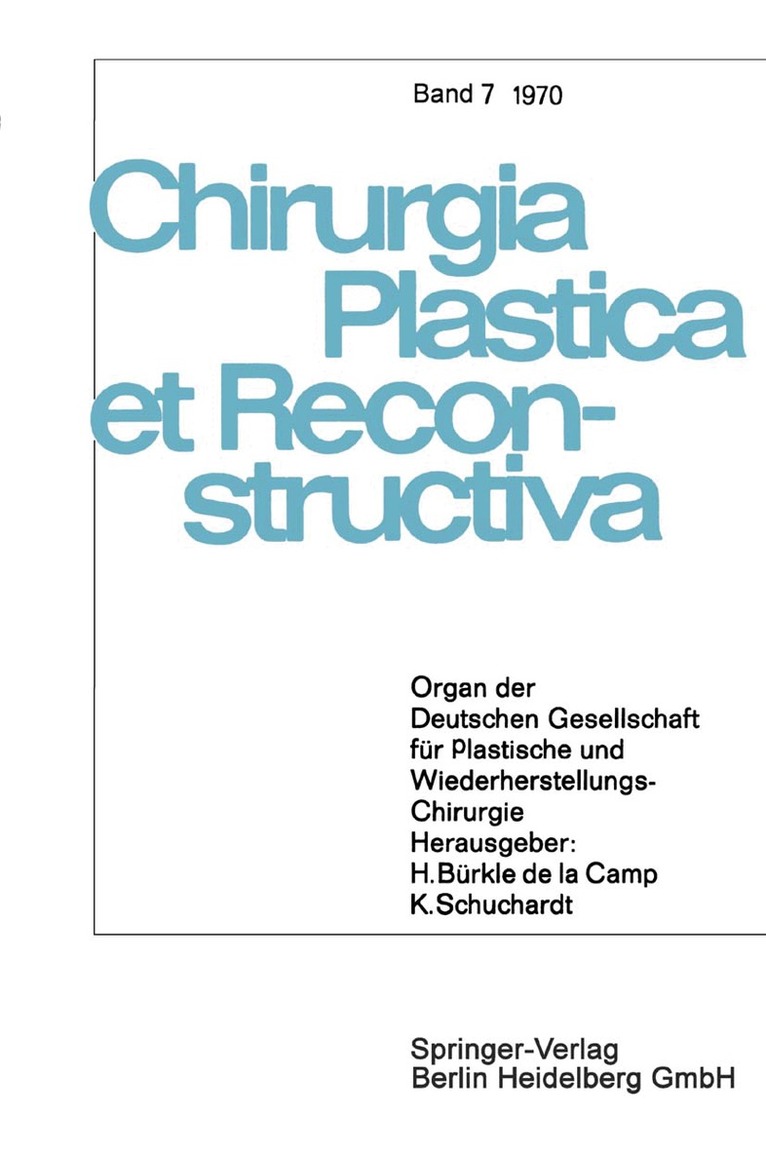
Organ der Deutschen Gesellschaft für Plastische und Wiederherstellungs-Chirurgie
Av H. Bürkle de la Camp, K. Schuchardt m. fl.
Häftad, 1970
583 kr
Lägg i varukorg
Sondersitzung Plastische Chirurgie der 87. Tagung der Deutschen Gesellschaft für Chirurgie am 1. April 1970 in München
Av H. Bürkle de la Camp, K. Schuchardt
Häftad, 1970
583 kr
Lägg i varukorg
Joint Meeting Munich 1968
Proceedings of the Sectional Meeting of American College of Surgeons in Cooperation with the Deutsche Gesellschaft für Chirurgie June 26-29, 1968, un Munich
Av H. Bürkle de la Camp, F. Linder m. fl.
Häftad, 1969
568 kr
Lägg i varukorg
of the cholecystogram. 1940 - the first anastomosis for oesophageal atresia by CAMERON HAIGHT in Ann Arbor and the first duodeno-pancreatectomy for pancreatic carcinoma, perfor med by WHIPPLE in New York. In 1943 - again WHIPPLE and his associates carried out the first porto-caval anastomosis at …
Joint Meeting Munich 1968
Proceedings of the Sectional Meeting of American College of Surgeons in Cooperation with the Deutsche Gesellschaft für Chirurgie June 26-29, 1968, un Munich
E-bok, 2012
755 kr
Lägg i varukorg
of the cholecystogram. 1940 - the first anastomosis for oesophageal atresia by CAMERON HAIGHT in Ann Arbor and the first duodeno-pancreatectomy for pancreatic carcinoma, perfor med by WHIPPLE in New York. In 1943 - again WHIPPLE and his associates carried out the first porto-caval anastomosis at …
Organ der Deutschen Gesellschaft für Plastische und Wiederherstellungs-Chirurgie
Av D. Buck-Gramcko, W. Axhausen m. fl.
E-bok, 2013
591 kr
Lägg i varukorg
Organ der Deutschen Gesellschaft für Plastische und Wiederherstellungs-Chirurgie
Av D. Buck-Gramcko, W. Axhausen m. fl.
E-bok, 2013
604 kr
Lägg i varukorg