H. Wayne Morgan – författare
Visar alla böcker från författaren H. Wayne Morgan. Handla med fri frakt och snabb leverans.
13 produkter
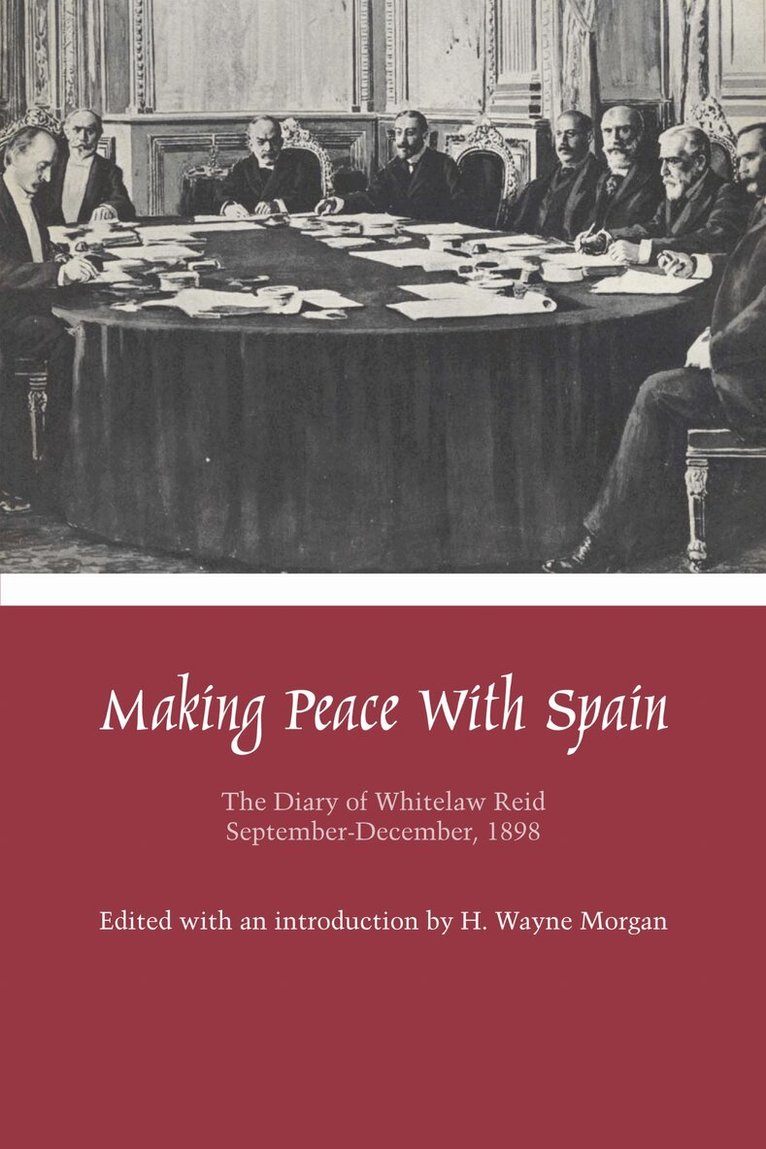
Making Peace with Spain
The Diary of Whitelaw Reid, September-December, 1898
Av Whitelaw Reid, H. Wayne Morgan
Häftad, 1965
341 kr
Lägg i varukorg
Whitelaw Reid, according to H. Wayne Morgan, was a “leading newspaperman, more than an occasional diplomat, a power in his party’s politics, a supporter of some of the best in his era’s culture . . . Of all his legacy, perhaps the record he left of his part in the Peace of Paris is the most …
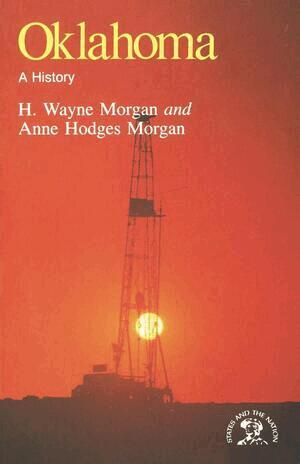
Oklahoma
A History
Häftad, 1977
294 kr
Lägg i varukorg
Indians, pioneers, land rushes, and oil dominate many an American's picture of Oklahoma's history. Incomplete as such an impression is, the frontier experience did leave a heritage of individualism distinctive of Oklahoma character. Oklahoma retains much of its popular renown as a land of cowboys …
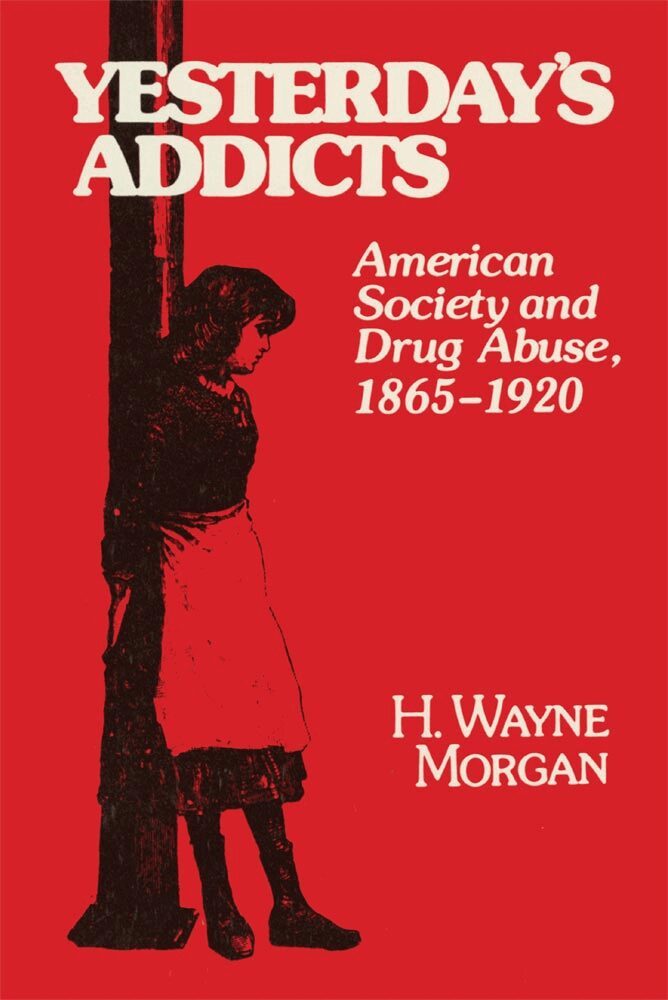
Yesterday's Addicts
American Society and Drug Abuse, 1865–1920
Häftad, 1974
254 kr
Lägg i varukorg
Yesterday's Addicts: American Society and Drug Abuse 1865-1920 examines the roots of drug abuse in the United States from the end of the Civil War to the end of World War I. Through contemporary articles and reports, this book focuses on public attitudes toward drug abuse, different forms of drug …
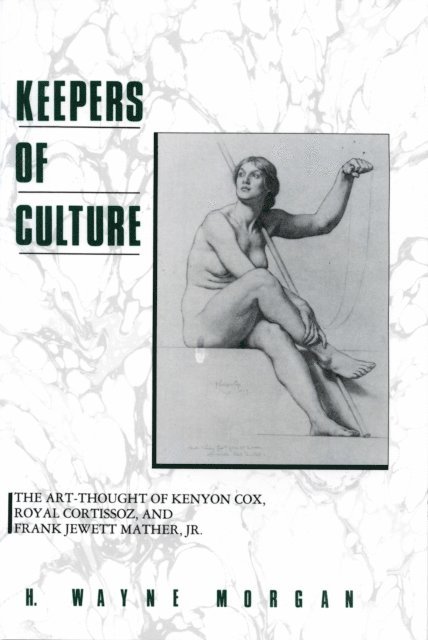
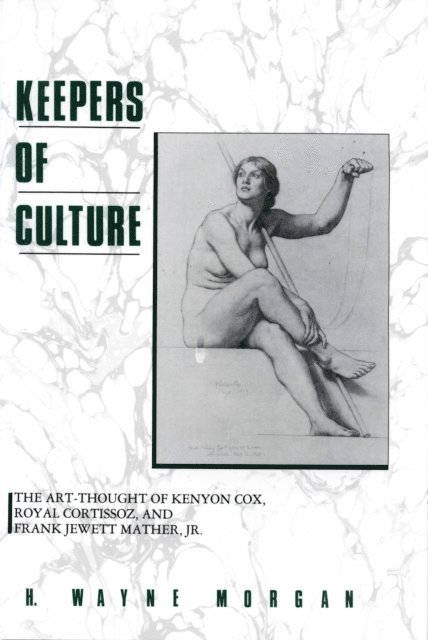
Keepers of Culture
The Art-Thought of Kenyon Cox, Royal Cortissoz, and Frank Jewett Mather, Jr.
E-bok, 2011
295 kr
Lägg i varukorg
The conflict between modern and traditional art is one of the best known episodes in American cultural history. The modernists on the war in the sense that their styles and attitudes of mind dominated the discussion and production of new art. But the traditionalists remained strong in the arenas of …
Keepers of Culture
The Art-Thought of Kenyon Cox, Royal Cortissoz, and Frank Jewett Mather, Jr.
E-bok, 2011
295 kr
Lägg i varukorg
The conflict between modern and traditional art is one of the best known episodes in American cultural history. The modernists on the war in the sense that their styles and attitudes of mind dominated the discussion and production of new art. But the traditionalists remained strong in the arenas of …
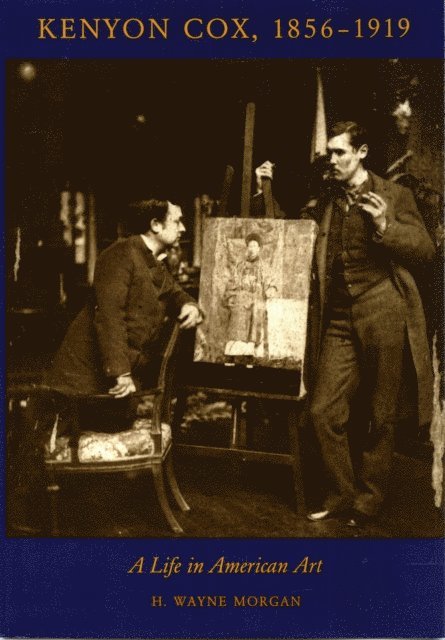
Kenyon Cox, 1856-1919
A Life in American Art
E-bok, 2011
372 kr
Lägg i varukorg
Kenyon Cox was among the best-know cultural figures in the United States during the first two decades of this century, thanks to his reputation as a mural painter and especially as a critic. In this first biography, H. Wayne Morgan focuses on Cox’s development and personality, treating his art as …
Kenyon Cox, 1856-1919
A Life in American Art
E-bok, 2011
380 kr
Lägg i varukorg
Kenyon Cox was among the best-know cultural figures in the United States during the first two decades of this century, thanks to his reputation as a mural painter and especially as a critic. In this first biography, H. Wayne Morgan focuses on Cox’s development and personality, treating his art as …
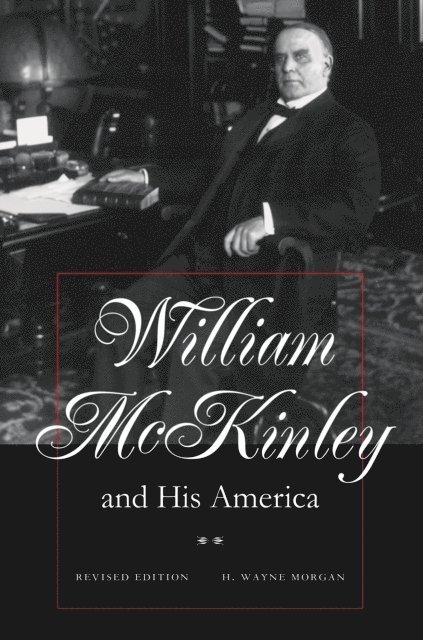
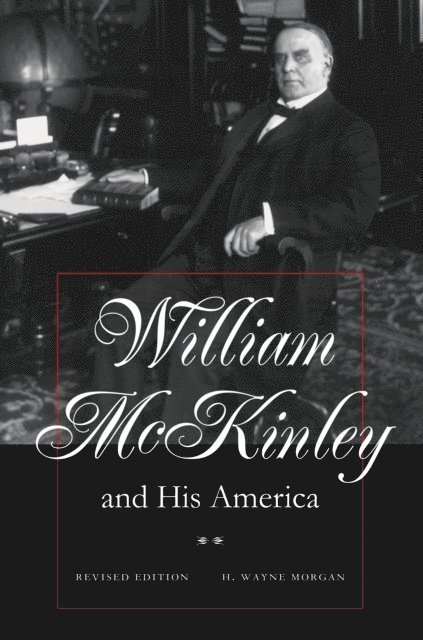
William McKinley and His America
Second Edition
E-bok, 2012
757 kr
Lägg i varukorg
When George W. Bush won the White House, he was the first incumbent Republican governor elected president since William McKinley in 1896. William McKinley was the last of the Civil War veterans to reach the White House. Known widely as the Major, in honor of his military rank, he rose through …
William McKinley and His America
Second Edition
E-bok, 2012
773 kr
Lägg i varukorg
When George W. Bush won the White House, he was the first incumbent Republican governor elected president since William McKinley in 1896. William McKinley was the last of the Civil War veterans to reach the White House. Known widely as the Major, in honor of his military rank, he rose through …
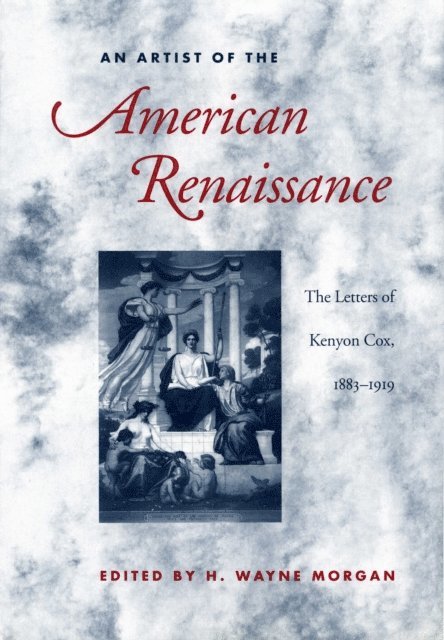
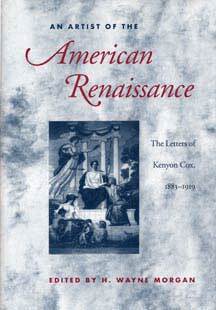
Artist of the American Renaissance
The Letters of Kenyon Cox, 1883-1919
E-bok, 1995
401 kr
Lägg i varukorg
Kenyon Cox was born in Warren, Ohio, in 1856 to a nationally prominent family. He studied as an adolescent at the McMicken Art School in Cincinnati and later at the Pennsylvania Academy of Fine Arts in Philadelphia. From 1877 to 1882, he was enrolled at the Ecole des Beaux Arts in Paris, and then …
Artist of the American Renaissance
The Letters of Kenyon Cox, 1883-1919
E-bok, 1995
409 kr
Lägg i varukorg
Kenyon Cox was born in Warren, Ohio, in 1856 to a nationally prominent family. He studied as an adolescent at the McMicken Art School in Cincinnati and later at the Pennsylvania Academy of Fine Arts in Philadelphia. From 1877 to 1882, he was enrolled at the Ecole des Beaux Arts in Paris, and then …
American Art Student in Paris
Letters, 1877-82
Inbunden, 1986
409 kr
Tillfälligt slut
Kenyon Cox (1856-1919) studied painting in Paris from the fall of 1877 to the fall of 1882. These edited letters, written to his parents in Ohio, describe Cox’s daily routine and explicate French art teaching both in the academic setting of the Ecole des Beaux-Arts and in private ateliers, such as …
Artist of the American Renaissance
The Letters of Kenyon Cox, 1883-1919
Av H. Wayne Morgan, Morgan m. fl.
Inbunden, 1995
422 kr
Tillfälligt slut
Kenyon Cox was born in Warren, Ohio, in 1856 to a nationally prominent family. He studied as an adolescent at the McMicken Art School in Cincinnati and later at the Pennsylvania Academy of Fine Arts in Philadelphia. From 1877 to 1882, he was enrolled at the Ecole des Beaux Arts in Paris, and then …