
HA(c)ctor J. De Los Santos – författare
Visar alla böcker från författaren HA(c)ctor J. De Los Santos. Handla med fri frakt och snabb leverans.
4 produkter
4 produkter
E-bok
PDF, Engelska, 2022673 kr
Läs direkt efter köp
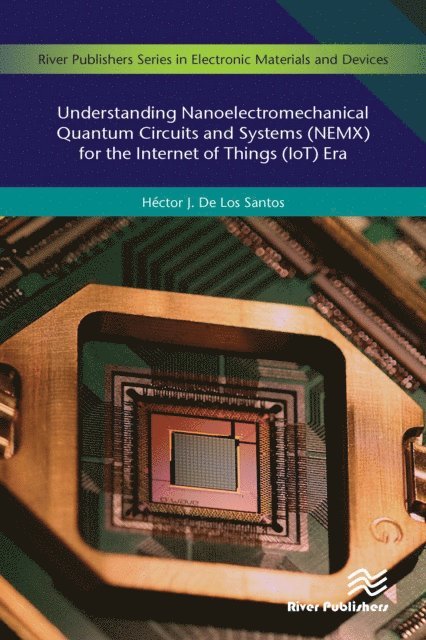
The operational theme permeating most definitions of the IoT concept, is the wireless communication of networked objects, in particular, smart sensing devices and machines, exchanging data a la Internet. In this book, a detailed look is taken at the fundamental principles of devices and techniques whose exploitation will facilitate the development of compact, power-efficient, autonomous, smart, networked sensing nodes underlying and encompassing the emerging IoT era.The book provides an understanding of nanoelectromechanical quantum circuits and systems (NEMX), as exemplified by firstly the uncovering of their origins, impetus and motivation, and secondly by developing an understanding of their device physics, including, the topics of actuation, mechanical vibration and sensing. Next the fundamentals of key devices, namely, MEMS/NEMS switches, varactors and resonators are covered, including a wide range of implementations. The book then looks at their energy supply via energy harvesting, as derived from wireless energy and mechanical vibrations. Finally, after an introduction to the fundamentals of IoT networks and nodes, the book concludes with an exploration of how the NEMX components are encroaching in a variety of emerging IoT applications.
E-bok
PDF, Engelska, 2022841 kr
Läs direkt efter köp
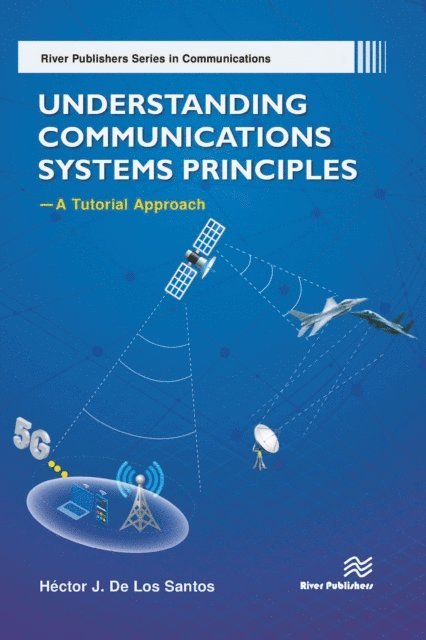
Wireless communications and sensing systems are nowadays ubiquitous; cell phones and automotive radars typifying two of the most familiar examples. This book introduces the field by addressing its fundamental principles, proceeding from its very beginnings, up to today''s emerging technologies related to the fifth-generation wireless systems (5G), Multi-Input Multiple Output (MIMO) connectivity, and Aerospace/Electronic Warfare Radar. The tone is tutorial. Problems are included at the end of each chapter to facilitate the understanding and assimilation of the material to electrical engineering undergraduate/graduate students and beginning and non-specialist professionals. Free temporary access to Keysight''s SystemVue system simulation is provided to further enhance reader learning through hands-on tutorial exercises.Chapter 1 introduces wireless communications and sensing and in particular how curiosity-driven scientific research led to the foundation of the field. Chapter 2 presents a brief introduction to the building blocks that make up wireless systems. Chapter 3 focuses on developing an understanding of the performance parameters that characterize a wireless system. Chapter 4 deals with circuit topologies for modulation and detection. In chapter 5 we cover the fundamental transmitter and receiver systems architectures that enable the transmission of information at precise frequencies and their reception from among a rather large multitude of other signals present in space. Chapter 6 introduces 5G, its motivation, and its development and adoption challenges for providing unprecedented levels of highest speed wireless connectivity. Chapter 7 takes on the topic of MIMO, its justification and its various architectures. Chapter 8 addresses the topic of aerospace/electronic warfare radar and finally Chapter 9 presents three Tutorials utilizing the SystemVue simulation tool.
E-bok
Engelska, 2022649 kr
Läs direkt efter köp
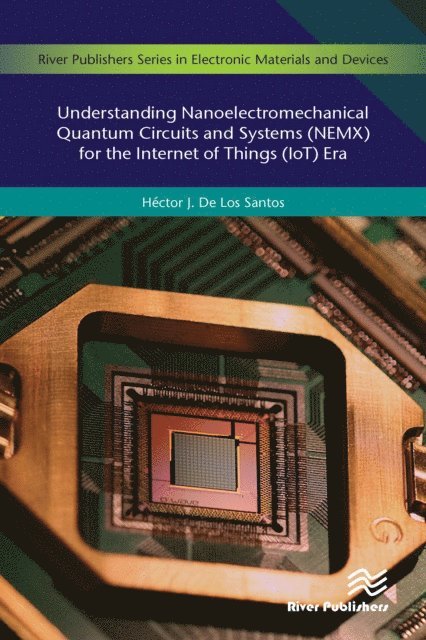
The operational theme permeating most definitions of the IoT concept, is the wireless communication of networked objects, in particular, smart sensing devices and machines, exchanging data a la Internet. In this book, a detailed look is taken at the fundamental principles of devices and techniques whose exploitation will facilitate the development of compact, power-efficient, autonomous, smart, networked sensing nodes underlying and encompassing the emerging IoT era.The book provides an understanding of nanoelectromechanical quantum circuits and systems (NEMX), as exemplified by firstly the uncovering of their origins, impetus and motivation, and secondly by developing an understanding of their device physics, including, the topics of actuation, mechanical vibration and sensing. Next the fundamentals of key devices, namely, MEMS/NEMS switches, varactors and resonators are covered, including a wide range of implementations. The book then looks at their energy supply via energy harvesting, as derived from wireless energy and mechanical vibrations. Finally, after an introduction to the fundamentals of IoT networks and nodes, the book concludes with an exploration of how the NEMX components are encroaching in a variety of emerging IoT applications.
E-bok
Engelska, 2022841 kr
Läs direkt efter köp
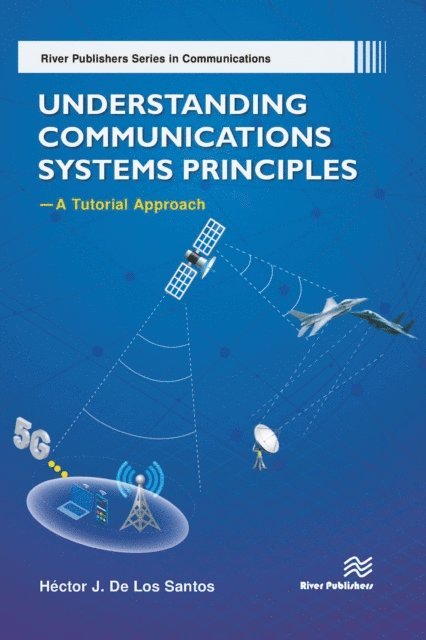
Wireless communications and sensing systems are nowadays ubiquitous; cell phones and automotive radars typifying two of the most familiar examples. This book introduces the field by addressing its fundamental principles, proceeding from its very beginnings, up to today''s emerging technologies related to the fifth-generation wireless systems (5G), Multi-Input Multiple Output (MIMO) connectivity, and Aerospace/Electronic Warfare Radar. The tone is tutorial. Problems are included at the end of each chapter to facilitate the understanding and assimilation of the material to electrical engineering undergraduate/graduate students and beginning and non-specialist professionals. Free temporary access to Keysight''s SystemVue system simulation is provided to further enhance reader learning through hands-on tutorial exercises.Chapter 1 introduces wireless communications and sensing and in particular how curiosity-driven scientific research led to the foundation of the field. Chapter 2 presents a brief introduction to the building blocks that make up wireless systems. Chapter 3 focuses on developing an understanding of the performance parameters that characterize a wireless system. Chapter 4 deals with circuit topologies for modulation and detection. In chapter 5 we cover the fundamental transmitter and receiver systems architectures that enable the transmission of information at precise frequencies and their reception from among a rather large multitude of other signals present in space. Chapter 6 introduces 5G, its motivation, and its development and adoption challenges for providing unprecedented levels of highest speed wireless connectivity. Chapter 7 takes on the topic of MIMO, its justification and its various architectures. Chapter 8 addresses the topic of aerospace/electronic warfare radar and finally Chapter 9 presents three Tutorials utilizing the SystemVue simulation tool.