Hae Yeon Choo – författare
Visar alla böcker från författaren Hae Yeon Choo. Handla med fri frakt och snabb leverans.
6 produkter
6 produkter
Inbunden, Engelska, 2016
1 180 kr
Skickas inom 5-8 vardagar
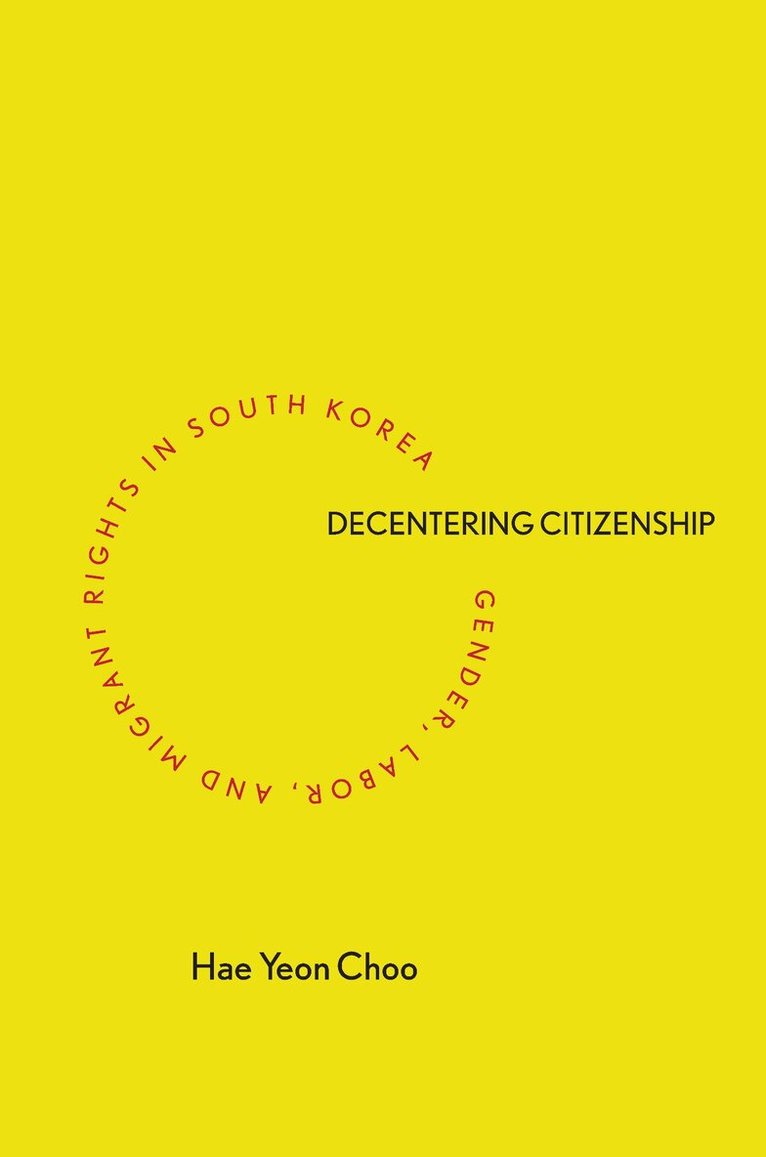
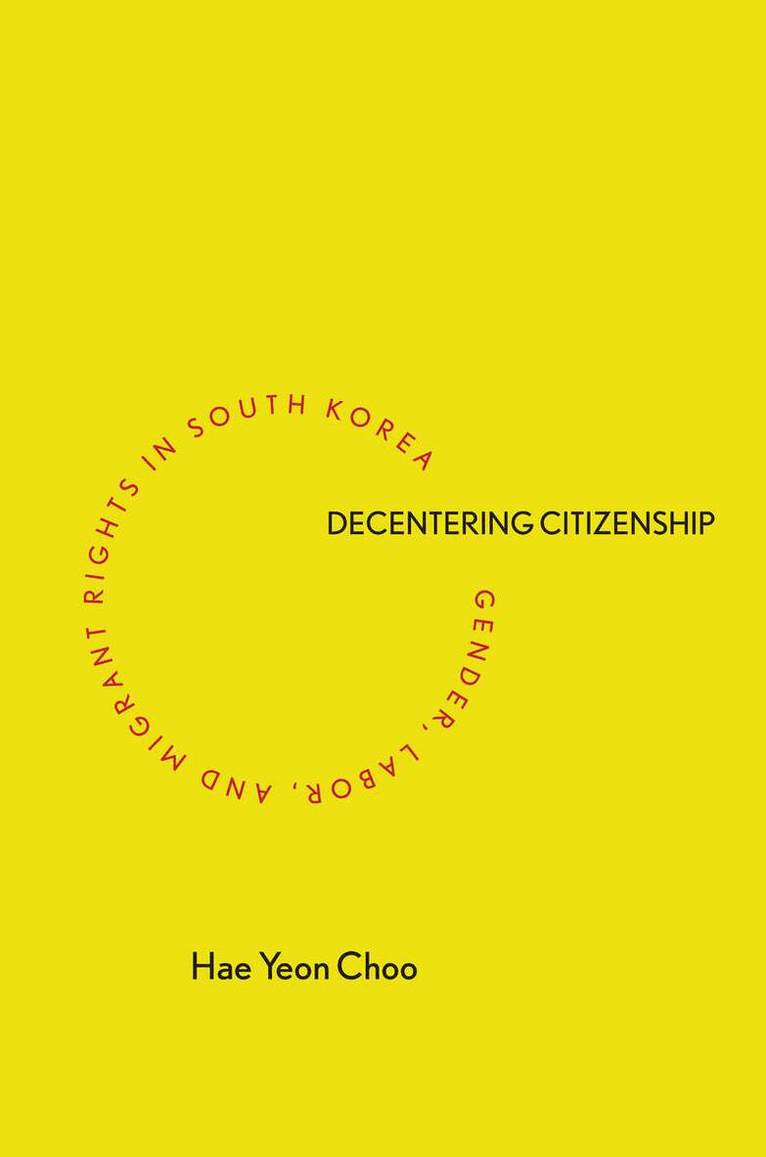
Decentering Citizenship follows three groups of Filipina migrants' struggles to belong in South Korea: factory workers claiming rights as workers, wives of South Korean men claiming rights as mothers, and hostesses at American military clubs who are excluded from claims—unless they claim to be victims of trafficking. Moving beyond laws and policies, Hae Yeon Choo examines how rights are enacted, translated, and challenged in daily life and ultimately interrogates the concept of citizenship.Choo reveals citizenship as a language of social and personal transformation within the pursuit of dignity, security, and mobility. Her vivid ethnography of both migrants and their South Korean advocates illuminates how social inequalities of gender, race, class, and nation operate in defining citizenship. Decentering Citizenship argues that citizenship emerges from negotiations about rights and belonging between South Koreans and migrants. As the promise of equal rights and full membership in a polity erodes in the face of global inequalities, this decentering illuminates important contestation at the margins of citizenship.
E-bok
Engelska, 2016341 kr
Läs direkt efter köp
Decentering Citizenship follows three groups of Filipina migrants' struggles to belong in South Korea: factory workers claiming rights as workers, wives of South Korean men claiming rights as mothers, and hostesses at American military clubs who are excluded from claims—unless they claim to be victims of trafficking. Moving beyond laws and policies, Hae Yeon Choo examines how rights are enacted, translated, and challenged in daily life and ultimately interrogates the concept of citizenship.Choo reveals citizenship as a language of social and personal transformation within the pursuit of dignity, security, and mobility. Her vivid ethnography of both migrants and their South Korean advocates illuminates how social inequalities of gender, race, class, and nation operate in defining citizenship. Decentering Citizenship argues that citizenship emerges from negotiations about rights and belonging between South Koreans and migrants. As the promise of equal rights and full membership in a polity erodes in the face of global inequalities, this decentering illuminates important contestation at the margins of citizenship.
Häftad, Engelska, 2016
287 kr
Skickas inom 5-8 vardagar
Decentering Citizenship follows three groups of Filipina migrants' struggles to belong in South Korea: factory workers claiming rights as workers, wives of South Korean men claiming rights as mothers, and hostesses at American military clubs who are excluded from claims—unless they claim to be victims of trafficking. Moving beyond laws and policies, Hae Yeon Choo examines how rights are enacted, translated, and challenged in daily life and ultimately interrogates the concept of citizenship.Choo reveals citizenship as a language of social and personal transformation within the pursuit of dignity, security, and mobility. Her vivid ethnography of both migrants and their South Korean advocates illuminates how social inequalities of gender, race, class, and nation operate in defining citizenship. Decentering Citizenship argues that citizenship emerges from negotiations about rights and belonging between South Koreans and migrants. As the promise of equal rights and full membership in a polity erodes in the face of global inequalities, this decentering illuminates important contestation at the margins of citizenship.
Inbunden, Engelska, 2027
1 498 kr
Kommande
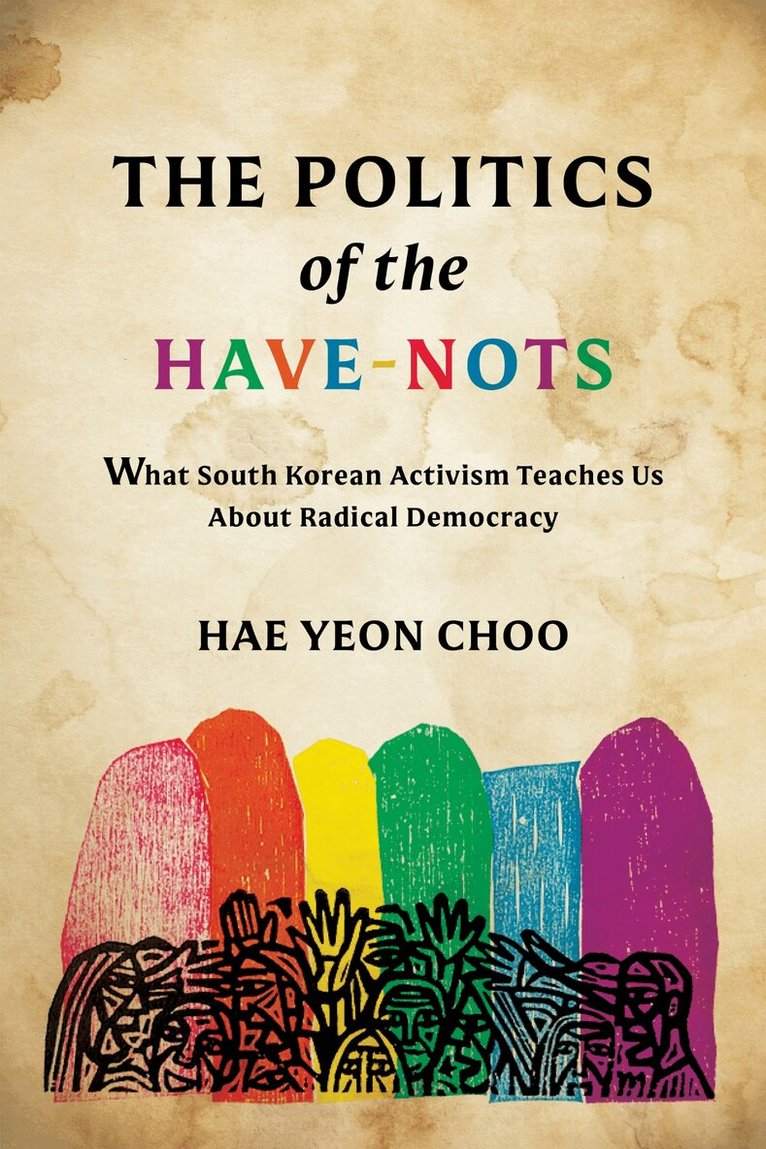
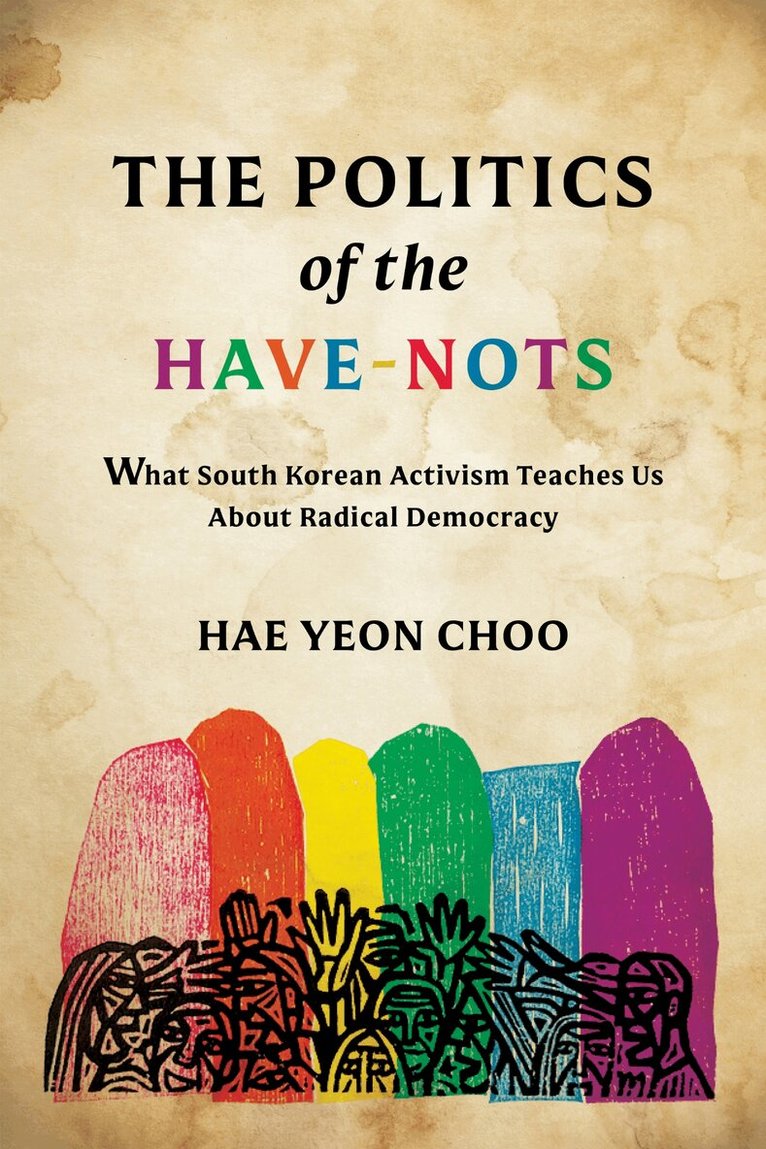
Social change requires the emergence of a collective subject that can foster solidarity within and across national boundaries. But how can such a collective come together in our current era of liberal individualism and the pursuit of maximum profit? In The Politics of the Have-Nots, Hae Yeon Choo theorizes how this collective might cohere and mobilize, drawing on deep engagement with grassroots movements in South Korea and its diaspora over the past two decades.Disillusionment has grown across the globe from the 2000s to the present. Wealth inequalities have consigned the marginalized to the shadows even as economies have expanded. By bridging five separate instances of mass mobilization during this period, Choo demonstrates the convergence of the collective political sensibility of the Have-nots. These are people who have experienced distinct but overlapping forms of violent dispossession, whether by evictions, layoffs, sexual harassment, immigration raids, and even mass shootings. Confronting these diverse forms of violence, the politics of the Have-nots challenge the cultural and material hegemony of neoliberal capitalism. They propose a critical theory of radical democracy based on expansive solidarity, taking on the struggles of others as their own.While the mobilizations chronicled in this book are geographically centered in South Korea, many were transnational and linked by the collective vision of the Have-nots. Together, Choo shows, they become a powerful vision of the promise of radical democracy and emancipation from the margins.
Häftad, Engelska, 2027
432 kr
Kommande
Social change requires the emergence of a collective subject that can foster solidarity within and across national boundaries. But how can such a collective come together in our current era of liberal individualism and the pursuit of maximum profit? In The Politics of the Have-Nots, Hae Yeon Choo theorizes how this collective might cohere and mobilize, drawing on deep engagement with grassroots movements in South Korea and its diaspora over the past two decades.Disillusionment has grown across the globe from the 2000s to the present. Wealth inequalities have consigned the marginalized to the shadows even as economies have expanded. By bridging five separate instances of mass mobilization during this period, Choo demonstrates the convergence of the collective political sensibility of the Have-nots. These are people who have experienced distinct but overlapping forms of violent dispossession, whether by evictions, layoffs, sexual harassment, immigration raids, and even mass shootings. Confronting these diverse forms of violence, the politics of the Have-nots challenge the cultural and material hegemony of neoliberal capitalism. They propose a critical theory of radical democracy based on expansive solidarity, taking on the struggles of others as their own.While the mobilizations chronicled in this book are geographically centered in South Korea, many were transnational and linked by the collective vision of the Have-nots. Together, Choo shows, they become a powerful vision of the promise of radical democracy and emancipation from the margins.
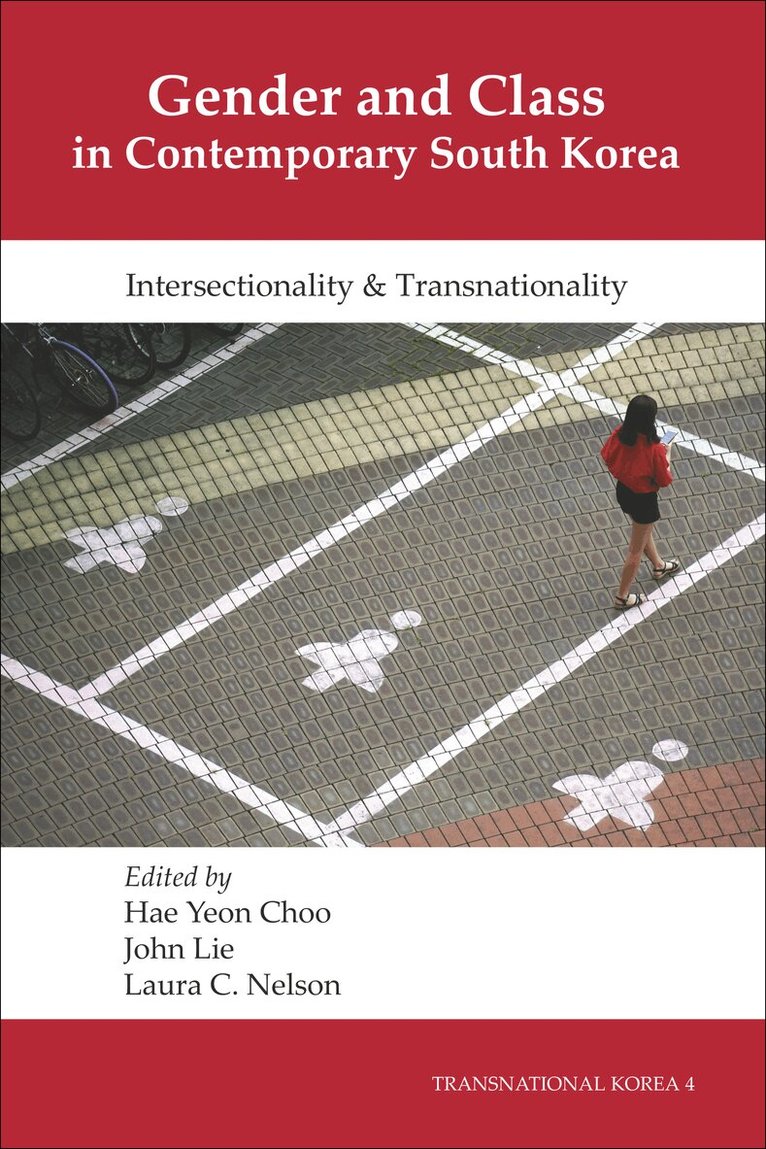
Del 4 - Transnational Korea
Gender and Class in Contemporary South Korea
Intersectionality and Transnationality
Häftad, Engelska, 2019
465 kr
Skickas inom 3-6 vardagar