Haidy Geismar – författare
742 kr
Skickas inom 10-15 vardagar
1 296 kr
Skickas inom 5-8 vardagar
377 kr
Skickas inom 5-8 vardagar
553 kr
Läs direkt efter köp
572 kr
Läs direkt efter köp
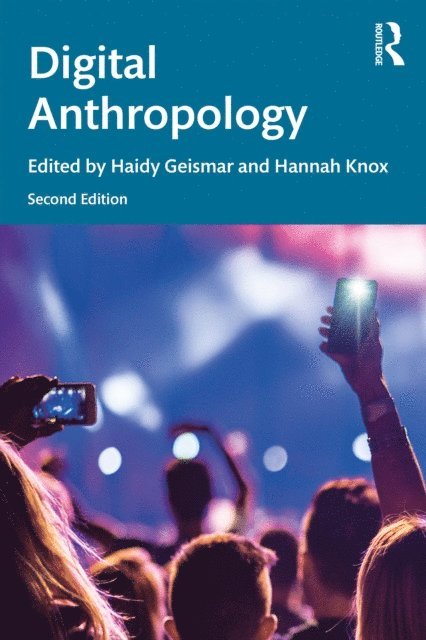
Digital Anthropology, 2nd Edition explores how human and digital can be explored in relation to one another within issues as diverse as social media use, virtual worlds, hacking, quantified self, blockchain, digital environmentalism and digital representation. The book challenges the prevailing moral universal of “the digital age” by exploring emergent anxieties about the global spread of new technological forms, the cultural qualities of digital experience, critically examining the intersection of the digital to new concepts and practices across a wide range of fields from design to politics.
In this fully revised edition, Digital Anthropology reveals how the intense scrutiny of ethnography can overturn assumptions about the impact of digital culture and reveal its profound consequences for everyday life around the world. Combining case studies with theoretical discussion in an engaging style that conveys a passion for new frontiers of enquiry within anthropological study, this will be essential reading for students and scholars interested in theory of anthropology, media and information studies, communication studies and sociology. With a brand-new Introduction from editors Haidy Geismar and Hannah Knox, as well as an abridged version of the original Introduction by Heather Horst and Daniel Miller, in conjunction with new chapters on hacking and digitizing environments, amongst others, and fully revised chapters throughout, this will bring the field-defining overview of digital anthropology fully up to date.
552 kr
Läs direkt efter köp
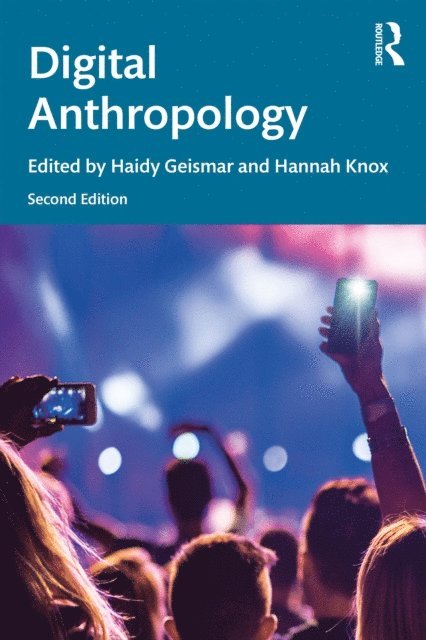
Digital Anthropology, 2nd Edition explores how human and digital can be explored in relation to one another within issues as diverse as social media use, virtual worlds, hacking, quantified self, blockchain, digital environmentalism and digital representation. The book challenges the prevailing moral universal of “the digital age” by exploring emergent anxieties about the global spread of new technological forms, the cultural qualities of digital experience, critically examining the intersection of the digital to new concepts and practices across a wide range of fields from design to politics.
In this fully revised edition, Digital Anthropology reveals how the intense scrutiny of ethnography can overturn assumptions about the impact of digital culture and reveal its profound consequences for everyday life around the world. Combining case studies with theoretical discussion in an engaging style that conveys a passion for new frontiers of enquiry within anthropological study, this will be essential reading for students and scholars interested in theory of anthropology, media and information studies, communication studies and sociology. With a brand-new Introduction from editors Haidy Geismar and Hannah Knox, as well as an abridged version of the original Introduction by Heather Horst and Daniel Miller, in conjunction with new chapters on hacking and digitizing environments, amongst others, and fully revised chapters throughout, this will bring the field-defining overview of digital anthropology fully up to date.
3 682 kr
Skickas inom 10-15 vardagar
874 kr
Läs direkt efter köp
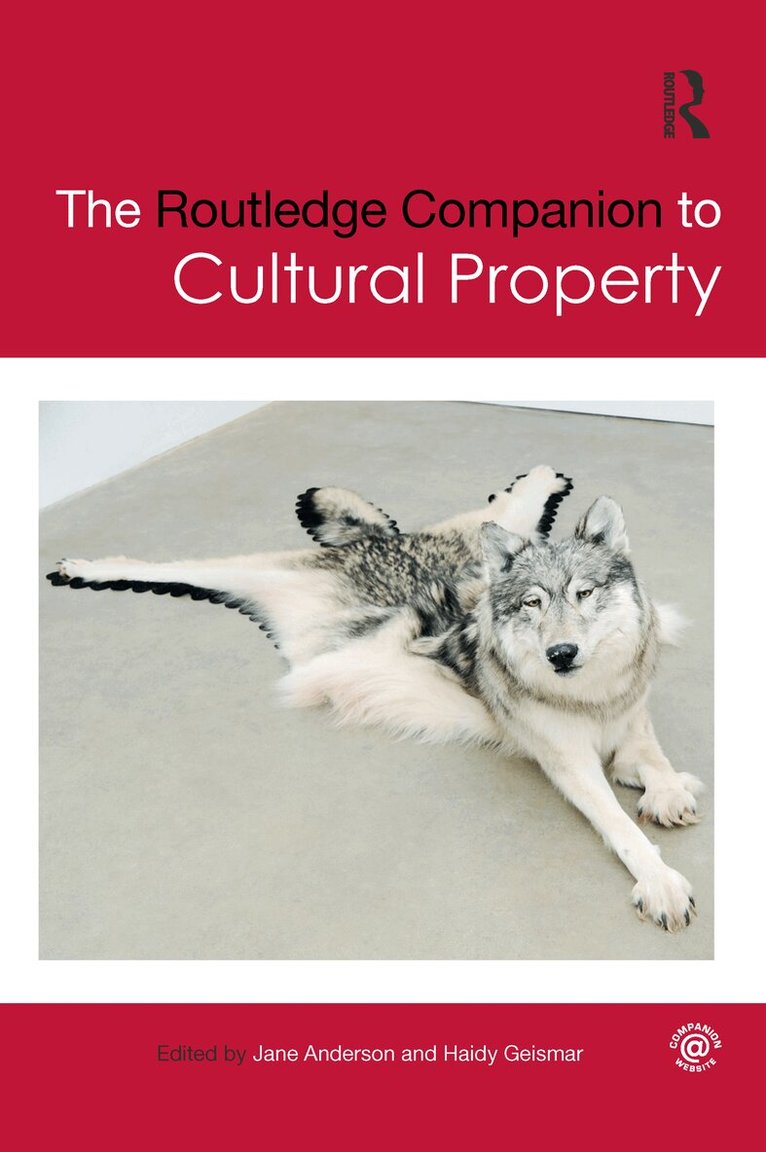
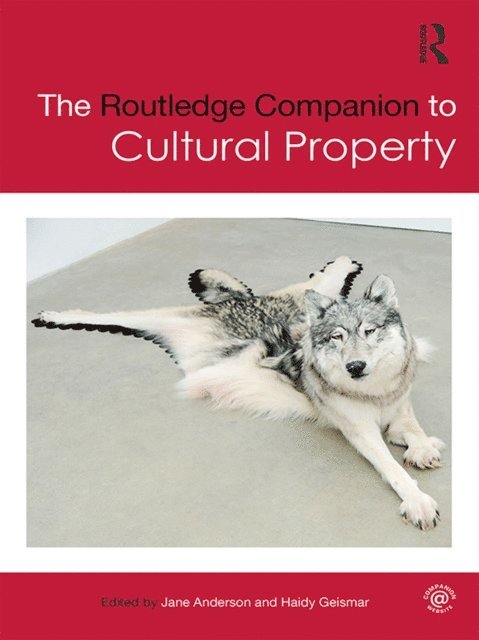
The Routledge Companion to Cultural Property contains new contributions from scholars working at the cutting edge of cultural property studies, bringing together diverse academic and professional perspectives to develop a coherent overview of this field of enquiry. The global range of authors use international case studies to encourage a comparative understanding of how cultural property has emerged in different parts of the world and continues to frame vital issues of national sovereignty, the free market, international law, and cultural heritage. Sections explore how cultural property is scaled to the state and the market; cultural property as law; cultural property and cultural rights; and emerging forms of cultural property, from yoga to the national archive. By bringing together disciplinary perspectives from anthropology, archaeology, law, Indigenous studies, history, folklore studies, and policy, this volume facilitates fresh debate and broadens our understanding of this issue of growing importance. This comprehensive and coherent statement of cultural property issues will be of great interest to cultural sector professionals and policy makers, as well as students and academic researchers engaged with cultural property in a variety of disciplines.
805 kr
Läs direkt efter köp
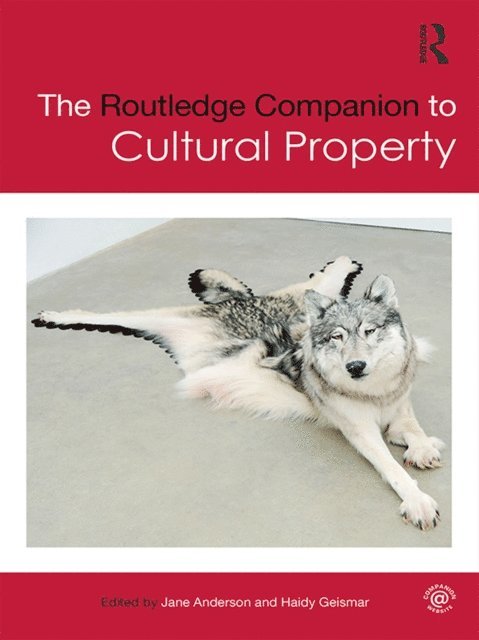
The Routledge Companion to Cultural Property contains new contributions from scholars working at the cutting edge of cultural property studies, bringing together diverse academic and professional perspectives to develop a coherent overview of this field of enquiry. The global range of authors use international case studies to encourage a comparative understanding of how cultural property has emerged in different parts of the world and continues to frame vital issues of national sovereignty, the free market, international law, and cultural heritage. Sections explore how cultural property is scaled to the state and the market; cultural property as law; cultural property and cultural rights; and emerging forms of cultural property, from yoga to the national archive. By bringing together disciplinary perspectives from anthropology, archaeology, law, Indigenous studies, history, folklore studies, and policy, this volume facilitates fresh debate and broadens our understanding of this issue of growing importance. This comprehensive and coherent statement of cultural property issues will be of great interest to cultural sector professionals and policy makers, as well as students and academic researchers engaged with cultural property in a variety of disciplines.
516 kr
Skickas inom 10-15 vardagar
2 438 kr
Skickas inom 10-15 vardagar
15 kr
Läs direkt efter köp
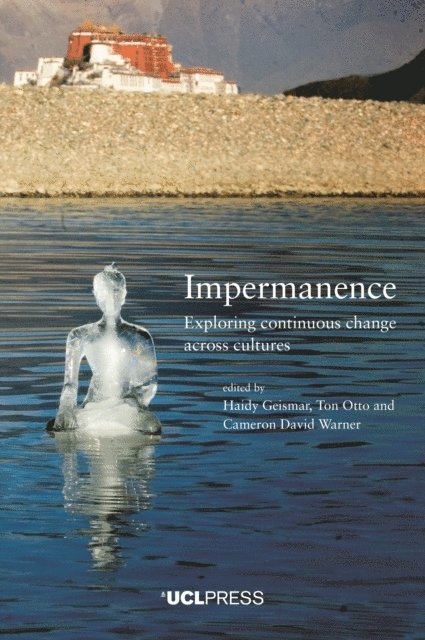
Nothing lasts forever. This common experience is the source of much anxiety but also hope. The concept of impermanence or continuous change opens up a range of timely questions and discussions that speak to globally shared experiences of transformation and concerns for the future. Impermanence engages with an emergent body of social theory emphasizing flux and transformation, and brings this into a dialogue with other traditions of thought and practice, notably Buddhism that has sustained a long-lasting and sophisticated meditation on impermanence.
In cases drawn from all over the world, this volume investigates the significance of impermanence in such diverse contexts as social death, atheism, alcoholism, migration, ritual, fashion, oncology, museums, cultural heritage and art. The authors draw on a wide range of disciplines, including anthropology, archaeology, art history, Buddhist studies, cultural geography and museology. This volume also includes numerous photographs, artworks and poems that evocatively communicate notions and experiences of impermanence.
Praise for Impermanence
''This collection of multi-disciplinary case studies takes an exciting comparative view of how impermanence is experienced in cultures and societies across the globe.'' Religious Studies Review
''All chapters are well annotated and come with an extensive bibliography that seasoned scholars, as well as students interested in social theory, anthropology, philosophy, and Buddhist studies, will find very useful. Even general readers might find some of the essays interesting. Each chapter has comprehensive explanatory notes and is wellreferenced and the volume also has an index which is equally helpful to wade through key concepts and unfamiliar names. This book undoubtedly deserves a place in all university libraries.'' Journal of World Buddhist Cultures
‘Impermanence? Nothing in life can originate or grow without other things’ perishing. But to call this “impermanence” is to pit the passage of life against the human desire to keep. The creative tension between living and keeping, between generation and conservation, even between metabolism and culture, runs through all the chapters of this book. They touch on matters of life and death, of care and curation, of holding on and letting go, in settings ranging from family and religious life to art-making and museum exhibition. With so much original thinking lovingly conserved on its pages, the book powerfully exemplifies the many paradoxes of which it speaks.’ Tim Ingold, University of Aberdeen
''Impermanence emerges as a generative lens in this ground-breaking volume that draws on Buddhist insight into the core constancy of change to push theoretical boundaries across multiple disciplines and chart new ways of engaging material and cultural worlds. Drawing on ethnographic case studies and innovative museum practices to undermine fixities of all sorts, the chapters will inspire vital debate and experimentation.’ Lauren Leve, University of North Carolina at Chapel Hill
‘This volume is an important addition to a new analytical trend of focusing on, rather than eliding, the materiality of ruination and decomposition in social life. It does so through a fusion of Buddhist thought on impermanence with a number of Western analytic traditions. The result is a series of theoretically and empirically illuminating, and highly stimulating, chapters.’ Ghassan Hage, University of Melbourne