Hans Ernst Weidinger – författare
Visar alla böcker från författaren Hans Ernst Weidinger. Handla med fri frakt och snabb leverans.
14 produkter
14 produkter
E-bok
PDF, Tyska, 201115 kr
Läs direkt efter köp
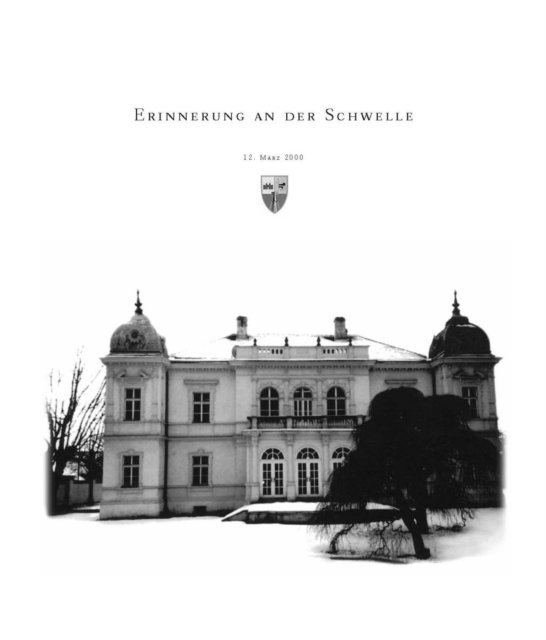
Ansprache anläßlich der Eröffnung des Gemeindezentrum Bad Deutsch-Altenburg in der Hollitzer-Villa. Darstellung der Geschichte der Familien Hollitzer, Wertanek und Weidinger sowie der Entwicklung der Hollitzer Baustoffwerke.
E-bok
PDF, Engelska, 2013541 kr
Läs direkt efter köp
The first volume of the book seriesOttoman Empire and European Theatre focuses on the period between 1756 and 1808, the era of W. A. Mozart (1756-1791) and Sultan Selim III (1761-1808). These historical personalities, whose life-spans overlap, were towering figures of their time: Mozart as an extraordinary composer and Selim III as both a politician and a composer.Inspired by the structure of opera, the forty-four contributions of Volume I are arranged in eight sections, entitled Ouverture, Prologue, Acts I-V and Epilogue. The Ouverture includes the opening speeches of diplomats, politicians, and scholars as well as a memorial text for the "Genius of Opera", Turkish prima donna Leyla Gencer (1928-2008). The Prologue, "The Stage of Politics", features texts by distinguished historians who give an historical overview of the Ottoman Empire and Europe in the late eighteenth century, from both Turkish and Austrian points of view. Act I features texts concerning "Diplomacy and Theatre", and Act II takes the reader to "Europe South, West and North". Act III has contributions concerning theatre in "Central Europe", while Act IV deals with "Mozart" and the world of the seraglio. Act V turns our attention to the Ottoman "Sultan Selim III", and the Epilogue considers literary and theatrical adventures of "The Hero in the Sultan''s Harem".Contributions by Metin And, Emre Araci, Tülay Artan, Esin Akalin, Thomas Betzwieser, Annemarie Bönsch, Emil Brix, Christian Brunmayr, Bertrand Michael Buchmann, Aysin Candan, Helga Dostal, Erich Duda, Wolfgang Greisenegger, Heidemaria Gürer, Matthew Head, Caroline Herfert, Bent Holm, Frank Huss, Michael Hüttler, Nadja Kayali, Hans-Peter Kellner, Alexandre Lhâa, Isabelle Moindrot, Ilber Ortayli, Zeynep Oral, Cemal Öztas, William F. Parmentier, Matthias J. Pernerstorfer, Gabriele C. Pfeiffer, Walter Puchner, Günsel Renda, Mustafa Fatih Salgar, Ulrike Schneider, Selin Ipek, Käthe Springer-Dissmann, Suna Suner, Marianne Travén, B. Babür Turna, Derek Weber, Mehmet Alaaddin Yalçinkaya, Selim Yenel.
E-bok
PDF, Engelska, 2014492 kr
Läs direkt efter köp
The Time of Joseph Haydn: From Sultan Mahmud I to Sultan Mahmud II (r.1730-1839), the second volume of Ottoman Empire and European Theatre, explores the relationship between Western playwrights, composers and visual artists of the eighteenth-century and Turkish-Ottoman culture, as well as the interest of Ottoman artists in European culture. Twenty-seven contributions by renowned experts shed light on the mutual influences that affected society and art for both Europeans and Ottomans. Successor to the first volume of the series, The Age of Mozart and Sultan Selim III (1756-1808), this book examines the compositions of Joseph Haydn (1732-1809) and his contemporaries along with events in the Ottoman political era during the time span from Sultan Mahmud I (b.1696, r.1730-1754) to Sultan Mahmud II (b.1785, r.1808-1839). Taking Haydn''s Türkenopern (''Turkish operas'') Lo speziale (1768) and L''incontro improvviso (1775) as the departure point, the articles collected in this publication reflect the growth of research in the area of cultural transfers between the Ottoman Empire and non-Ottoman Europe, as expressed in theatre, music and the visual arts.Contributions by: Emre Aracı, Annemarie Bönsch, Reinhard Buchberger, Bertrand Michael Buchmann, Necla Çıkıgil, Caryl Clark, Matthew Head, Caroline Herfert, Bent Holm, Michael Hüttler, Hans-Peter Kellner, Adam Mestyan, Isabelle Moindrot, Walter Puchner, Günsel Renda, Geoffrey Roper, Orlin Sabev, Çetın Sarıkartal, Käthe Springer-Dissmann, Suna Suner, Frances Trollope, Hans Ernst Weidinger, Daniel Winkler, Larry Wolff, Mehmet Alaaddin Yalçınkaya, Netice Yıldız, Clemens Zoidl.
E-bok
PDF, Engelska, 2015492 kr
Läs direkt efter köp
On 3 May 1810 George Gordon, Lord Byron, swam like the mythic Leander from Sestos on the European side of the Hellespont to Abydos on the Asian shore. The hero of his poem "Don Juan" has lived in “feminine disguise” in the sultan''s harem for more than a century. To commemorate Byron''s Don Juan, the third volume of the "Ottoman Empire and European Theatre" series focuses on the image of the harem in literature and theatre. Nineteen international contributors explore historical conceptions of the Ottoman harem and seraglio in British, French and South East European sources from the late seventeenth to the nineteenth centuries. Contributions by Jennifer L. Airey, Gönül Bakay, Michael Chappell, Anne Greenfield, Isobel Grundy, Bent Holm, Michael Hüttler, Hans Peter Kellner, Emily M. N. Kugler, Andreas Münzmay, Domenica Newell-Amato, Walter Puchner, Marian Gilbart Read, Käthe Springer, Stefanie Steiner, Laura Tunbridge, Himmet Umunc, Hans Ernst Weidinger, Mi Zhou.
E-bok
PDF, Engelska, 2019657 kr
Läs direkt efter köp
The book series "Ottomania" researches cultural transfers between the Ottoman Empire and Europe, with the performing arts as its focus. The fifth volume of the sub-series Ottoman Empire and European Theatre focuses on The Turkish Subject in Ballet and Dance from the seventeenth century to the time of Christoph W. Gluck (1714-1787). The Turkish theme was a popular topic on European ballet stages throughout the seventeenth and eighteenth centuries, and most influential choreographers had ''Turkish'' ballets in their repertoire.Taking as its departure point Ch. W. Gluck and Gasparo Angiolini (1741-1803), succesful composer and choreographer of ballets at the French theatre in Vienna, this publication discusses the topic from a historical perspective, presents new findings, and introduces the latest scholarly achievements of the research field.Contributions by Emre Aracı, Bruce Alan Brown, David Chataignier, Sibylle Dahms, Vera Grund, Bert Gstettner, Bent Holm, Michael Hüttler, Evren Kutlay, Dóra Kiss, Laura Naudeix, Strother Purdy, Katalin Rumpler, Käthe Springer-Dissmann, Dirk Van Waelderen, Hans Ernst Weidinger
E-bok
Engelska, 2019651 kr
Läs direkt efter köp
The book series "Ottomania" researches cultural transfers between the Ottoman Empire and Europe, with the performing arts as its focus. The fifth volume of the sub-series Ottoman Empire and European Theatre focuses on The Turkish Subject in Ballet and Dance from the seventeenth century to the time of Christoph W. Gluck (1714-1787). The Turkish theme was a popular topic on European ballet stages throughout the seventeenth and eighteenth centuries, and most influential choreographers had ''Turkish'' ballets in their repertoire.Taking as its departure point Ch. W. Gluck and Gasparo Angiolini (1741-1803), succesful composer and choreographer of ballets at the French theatre in Vienna, this publication discusses the topic from a historical perspective, presents new findings, and introduces the latest scholarly achievements of the research field.Contributions by Emre Aracı, Bruce Alan Brown, David Chataignier, Sibylle Dahms, Vera Grund, Bert Gstettner, Bent Holm, Michael Hüttler, Evren Kutlay, Dóra Kiss, Laura Naudeix, Strother Purdy, Katalin Rumpler, Käthe Springer-Dissmann, Dirk Van Waelderen, Hans Ernst Weidinger
E-bok
PDF, Italienska, 2014541 kr
Läs direkt efter köp
Il progetto"L''Etruria fortunata" è il primo risultato di una cooperazione in corso tra enti di paesi diversi e con differenti nature istituzionali, per la creazione di un virtuoso circuito storico-musicale che, partendo dallo studio della documentazione, arrivi all''esecuzione e, come in questo caso, alla pubblicazione facsimile del manoscritto. Quattro istituzioni, la Scuola di Musica di Fiesole Fondazione Onlus assieme alla sua biblioteca, l''Università Mozarteum di Salisburgo, il Centro Ricerche Stvdivm fæsvlanvm e la casa editrice HOLLITZER - entrambi di Vienna -, e con il supporto del nascente Centro di Documentazione Musicale Toscano, hanno messo in campo competenze specifiche ma complementari per un unico risultato, che mira a far convergere da un lato fonti musicali antiche, studi musicologici, pubblicazioni moderne e, dall''altro, formazione strumentale di alto livello insieme a esecuzioni e concerti.Il progetto ha preso avvio dal Fondo Stefanelli, una piccola ma preziosa collezione di manoscritti musicali settecenteschi di provenienza toscana, oggi custodita presso la biblioteca della Scuola di Musica di Fiesole, all''interno della quale è presente la partitura autografa di una cantata, ad oggi inedita e rarissimo esempio nella produzione di Charles-Antoine Campion (1720-1788), maestro di cappella a Palazzo Pitti. La composizione per soprano e strumenti è dedicata al granduca di Toscana Pietro Leopoldo d''Asburgo-Lorena (1747-1792) e s''inserisce nel contesto storico delle cantate celebrative di ambito palatino e nobiliare scritte per determinate ricorrenze o occasioni di festa. La cantata rimase incompleta nell''aria finale, probabilmente per la morte del compositore. Sconosciuto rimane anche l''autore del testo, da ricercarsi però nell''ambito dei poeti della corte pietro-leopoldina e che si potrebbe identificare con Lorenzo Pignotti (1730-1812).
E-bok
PDF, Italienska, 2014104 kr
Läs direkt efter köp
Da una coproduzione fra il Mozart Opern Institut , l''Università Mozarteum di Salisburgo e la Scuola di Musica di Fiesole Fondazione O.N.L.U.S. è nata la rappresentazione fiesolana de La clemenza di Tito , dramma serio per musica in due atti di Caterino Mazzolà, con musica di Wolfgang Amadeus Mozart. Questo lavoro, l''ultimo infatti nella produzione operistica di Mozart, se si esclude il Flauto Magico, propriamente un Singspiel, tratta dell''Imperatore romano Tito Flavio Vespasiano (39-81 d.C.) e del suo esemplare governo, ed è appunto adattissima per un allestimento in un teatro romano come quello di Fiesole, la cui costruzione risale più o meno a quell''epoca. Ma questa collaborazione, che non nasce solo per un fine interculturale coinvolgendo diverse istituzioni insieme a giovani studenti e musicisti di moltissime nazioni, ha anche un ulteriore scopo, cioè quello di ravvivare il legame storico-culturale che già da molti secoli unisce la Toscana e l''Austria. Infatti Leopoldo II, Sacro Imperatore Romano e Re Apostolico d''Ungheria (1747-1792), per la cui incoronazione come Re di Boemia nell''anno 1791 fu scritta La clemenza di Tito, fu per ben 25 anni Granduca di Toscana, facendo di questa regione, tramite le sue riforme illuministiche, un paese esemplare nella compagine europea.
E-bok
PDF, Italienska, 2020781 kr
Läs direkt efter köp
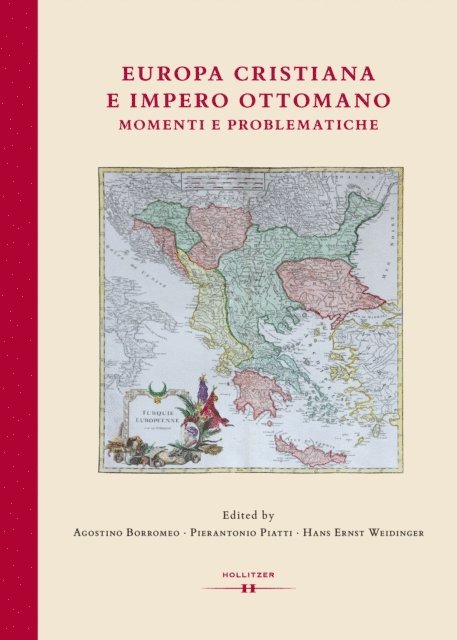
Il volume, offrendo ventuno contributi di Studiosi provenienti da dieci Paesi europei, affronta il tema dell''espansione e presenza dei Turchi Ottomani nell''Europa sud-orientale dal secolo XIV al XX. L''analisi di questo processo politico e culturale viene condotta secondo una metodologia interdisciplinare e diacronica.Si propone una mappatura geografi co-istituzionale della diffusione ottomana nei Balcani. Particolare interesse è stato riservato alle strategie militari e allo sviluppo dell'' "arte della guerra" elaborata su due versanti, quello dell''Impero Ottomano e l''altro delle potenze occidentali. Notevole rilievo acquisisce la prospettiva euristica dell'' "immagine del Turco" nelle sue declinazioni artistiche, letterarie e fi losofi che.La raccolta di Studi prende le mosse dal desiderio di una migliore conoscenza dell''Ottomanizzazione di larga parte dell''area balcanica, unitamente ad un sereno inquadramento storiografi co della ricca civiltà generata da questo incontro di popoli, religioni e culture, vivissima ancora oggi.
E-bok
Engelska, 2016546 kr
Läs direkt efter köp
The book series “Ottomania” researches cultural transfers between the Ottoman Empire and Europe, with the performing arts as its focus.In Ottoman Empire and European Theatre, vol. IV: Seraglios in Theatre, Music and Literature, the series continues to explore one of the most popular subjects of eighteenth-century art: the seraglio and its harem. This volume provides a deeper understanding of the seraglio''s various manifestations in the artworks, music and theatre of the Austrian/ Habsburg and central European regions, including interconnections with Italy and France, from the sixteenth to the nineteenth centuries.The studies examine descriptions of the seraglio by European diplomats, the seraglio''s visual traces in European artworks, and depictions of the seraglio in eighteenth-century Austrian Singspiele. They also consider seraglios from the Ottoman point of view and investigate the music of the seraglio in eighteenth-century opera.
E-bok
PDF, Engelska, 2016541 kr
Läs direkt efter köp
The book series “Ottomania” researches cultural transfers between the Ottoman Empire and Europe, with the performing arts as its focus.In Ottoman Empire and European Theatre, vol. IV: Seraglios in Theatre, Music and Literature, the series continues to explore one of the most popular subjects of eighteenth-century art: the seraglio and its harem. This volume provides a deeper understanding of the seraglio''s various manifestations in the artworks, music and theatre of the Austrian/ Habsburg and central European regions, including interconnections with Italy and France, from the sixteenth to the nineteenth centuries.The studies examine descriptions of the seraglio by European diplomats, the seraglio''s visual traces in European artworks, and depictions of the seraglio in eighteenth-century Austrian Singspiele. They also consider seraglios from the Ottoman point of view and investigate the music of the seraglio in eighteenth-century opera.
E-bok
PDF, Engelska, 2023983 kr
Läs direkt efter köp
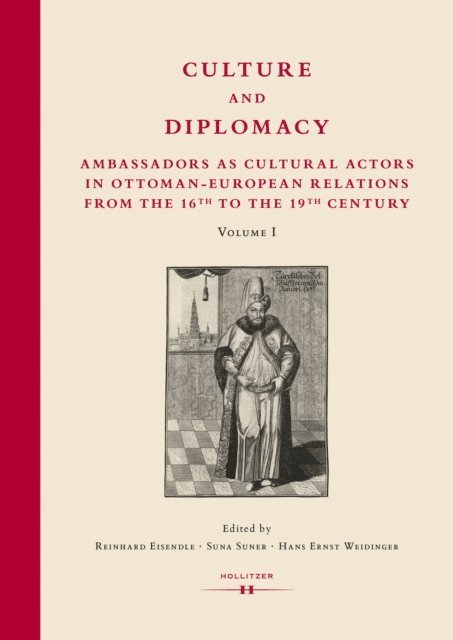
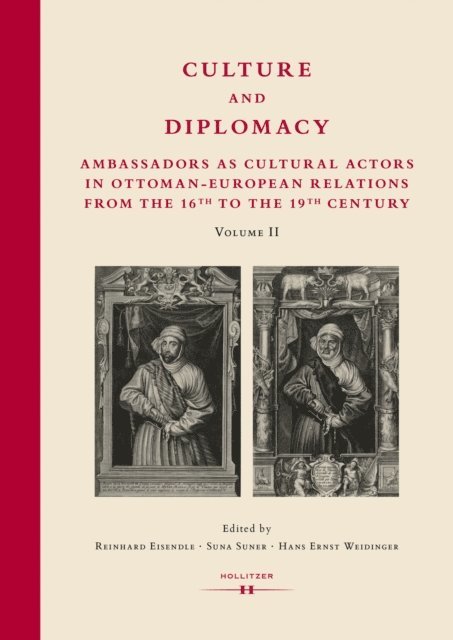
Diplomats had multiple tasks: not only negotiating with the representatives of other states, but also mediating culture and knowledge, and not least elaborating reports on their observations of politics, society, and culture. Culture, according to the studies featured in this book, is defined as a complex sphere including aspects like systems of communication, literature, music, arts, education, and the creation of knowledge. This edition containing contributions from six conferences held in Vienna and Istanbul by the Don Juan Archiv Wien focuses on the complex diplomatic and cultural relations between the Ottoman Empire and Europe from the time of the early embassies to Istanbul up to "Tanzimat".
E-bok
PDF, Tyska, 2023700 kr
Läs direkt efter köp
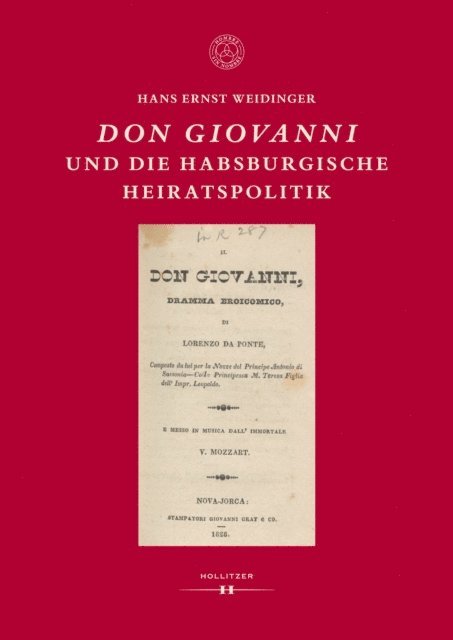
Hans Ernst Weidinger, Entrepreneur in alter Familientradition, Philanthrop und Mäzen, Sänger, Schauspieler, Dramaturg und Regisseur, Theater- und Kulturhistoriker. 1986 inszeniert er in Regensburg Don Giovanni, 1987 begründet er das Don Juan Archiv, nach Abschluß der 16-bändigen Dissertation zu dieser Oper (Wien 2002) macht er 2007 seine Sammlung als theater- und kulturwissenschaftliches Forschungsinstitut Don Juan Archiv Wien öffentlich zugänglich. Ferner gründet er die Redaktion Tagbau, das Stvdivm fæsvlanvm und den Hollitzer Verlag.Diese Studie folgt Lorenzo da Pontes Notiz auf dem Titelblatt des Don Giovanni in seiner Sammlung der Tre Drammi (New York 1826), wo der Autor schreibt, die Oper sei komponiert "da lui per le Nozze del Principe Antonio di Sassonia — Colla Principessa M. Teresa Figlia dell'' Impr. Leopoldo". H. E. Weidinger geht der Frage nach, welche Konsequenzen die Annahme einer angekündigten, doch letztlich nicht realisierten Hochzeitsaufführung in Prag für diese Oper hätte. Anhand von Briefen, Archivquellen und Zeitungsberichten wird so ein völlig neues Licht auf die Entstehungsgeschichte des Don Giovanni geworfen.
E-bok
PDF, Engelska, 2023963 kr
Läs direkt efter köp
Diplomats had multiple tasks: not only negotiating with the representatives of other states, but also mediating culture and knowledge, and not least elaborating reports on their observations of politics, society, and culture. Culture, according to the studies featured in this book, is defined as a complex sphere including aspects like systems of communication, literature, music, arts, education, and the creation of knowledge. This edition containing contributions from six conferences held in Vienna and Istanbul by the Don Juan Archiv Wien focuses on the complex diplomatic and cultural relations between the Ottoman Empire and Europe from the time of the early embassies to Istanbul up to "Tanzimat".