Hans Lengerer – författare
Visar alla böcker från författaren Hans Lengerer. Handla med fri frakt och snabb leverans.
10 produkter
10 produkter
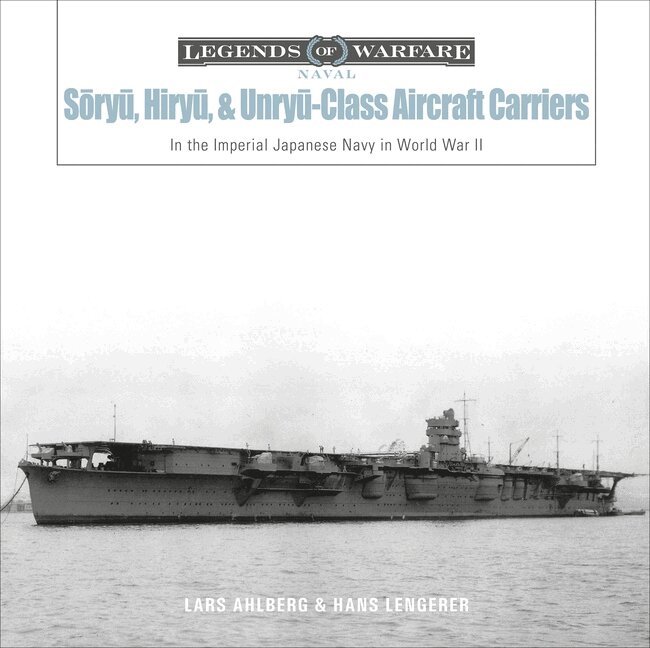
Sōryū, Hiryū, and Unryū-Class Aircraft Carriers
In the Imperial Japanese Navy during World War II
Inbunden, Engelska, 2021
235 kr
Skickas
Medium-sized aircraft carriers of the Imperial Japanese Navy during World War II. This book covers the design and construction of the two well-known Sōryū and Hiryū carriers, and the lesser-known ships of the Unryū class, and relies on original Japanese source material, including numerous photos, drawings, and specifications. How and why the Japanese designed and constructed the WWII-era, medium-sized Sōryū, Hiryū, and Unryū-class aircraft carriers, and how they were operated, is covered in detail. The Imperial Japanese Navy planned the construction of 45 aircraft carriers from 1918 to 1943 and commissioned 25 of them between 1922 and 1944. These types were large, medium, and small aircraft carriers, with some converted from other warship classes, and escort aircraft carriers remodeled from passenger ships. The medium type presented here formed the majority, with a total of 18 planned: five were completed, three remained in various completion stages at the end of the Pacific War, and ten were eventually canceled.
242 kr
Skickas
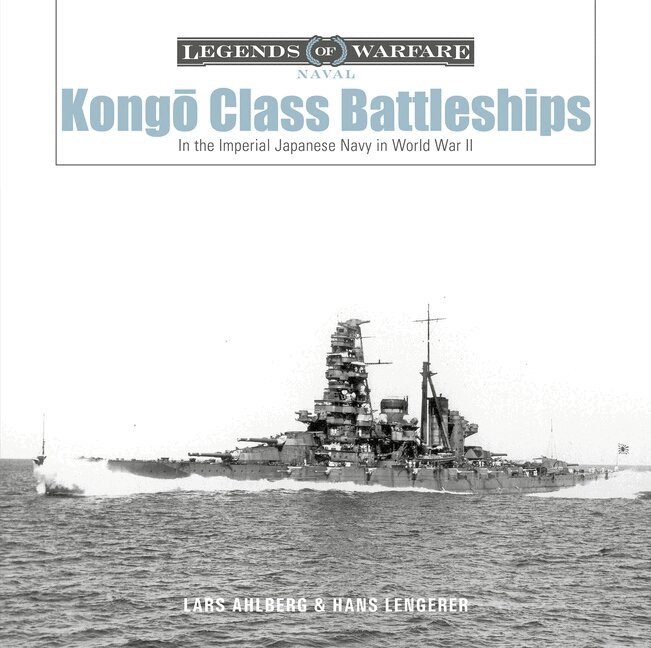
The battleships of the Kongō class were the oldest, smallest, and fastest battleships in the Imperial Japanese Navy during WWII. Initially classified as battle cruisers, the lead ship in the class, Kongō, was built in England just prior to WWI. The remaining three ships in the class—Haruna, Kirishima, and Hiei—were all built and completed in Japan by 1915. All four ships were highly reconfigured in the 1920s, and they were reclassified as battleships in the 1930s. The four Kongō-class ships were the most active among the 12 WWII-era Japanese battleships and saw heavy combat throughout the war in such major campaigns as Pearl Harbor, Midway, Guadalcanal, and Leyte. All four ships were sunk by Allied forces by war’s end. This book features rare Japanese primary source material, including numerous photos, line schemes, and detailed charts.
244 kr
Skickas
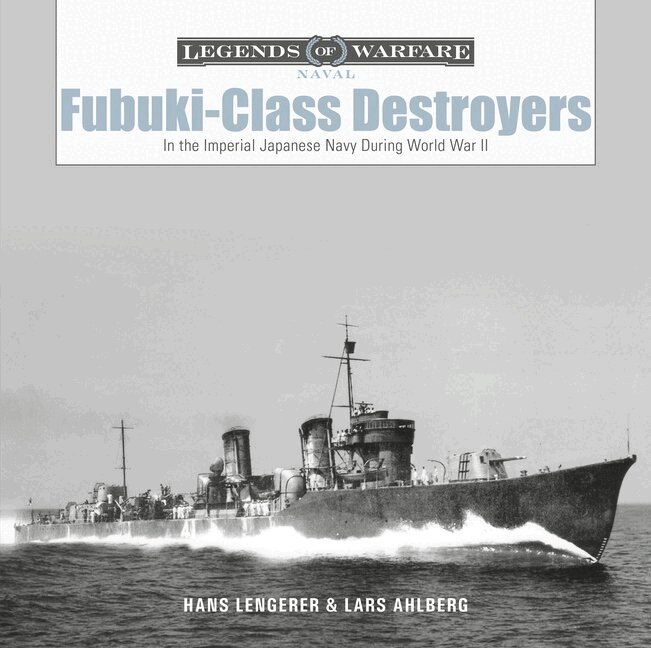
A comprehensive look at World War II-era Fubuki class destroyers, giving readers an understanding of why and how the Imperial Japanese Navy took the lead in destroyer design.The World War II–era destroyers of the Japanese Fubuki class were the first of a type sometimes referred to as "super destroyers." These destroyers were extremely large and heavily armed with guns and torpedoes. Ironically, the IJN was pushed to create heavier destroyers by the terms of the Washington Naval Treaty, which discouraged the construction of new capital ships. Particular emphasis was placed on ships that were important for the night battle preceding the "decisive battle." Thereby the stage was prepared for the Fubuki class.This book presents: The history of their design, construction, and combat historyOriginal Japanese war-era source material, including numerous diagrams and photos.The coauthors are recognized authorities in the study of the IJN in WWIIThe Fubuki class introduced a new standard for Japanese destroyers, a standard followed by almost all Japanese destroyers designed afterward.
235 kr
Skickas
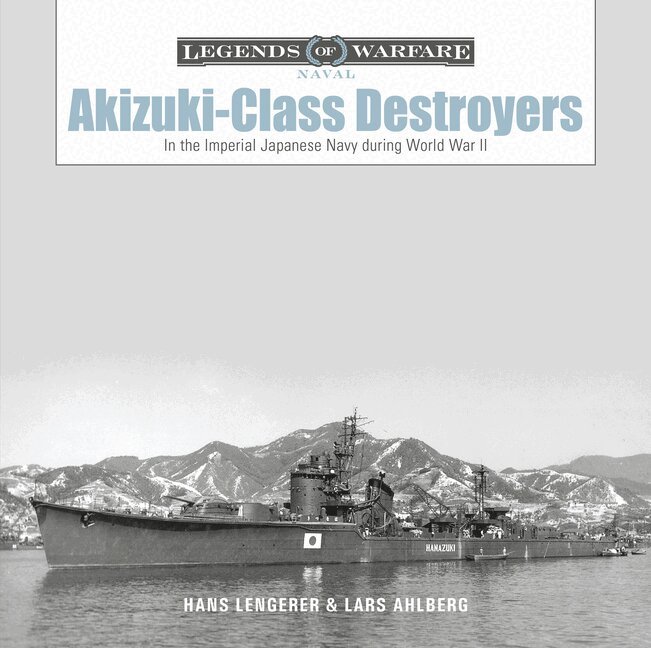
The destroyers of the Akizuki "Autumn Moon" class were very different from the standard fleet type of Imperial Japanese Navy destroyers inaugurated with the Fubuki class. They were designed for the protection of the Imperial Japanese Navy’s carrier task forces, and in order to achieve this they carried a particularly powerful antiaircraft armament and had an extremely long radius of action. However, only 12 out of a planned number of 39 entered service, and they arrived too late to play a crucial role in the decisive carrier battles of World War II. Despite this, their history is of particular interest since the Akizuki class foreshadowed the postwar fleet escort. This is the history of their design and construction, and it relies heavily on Japanese source material and includes numerous photos and drawings.
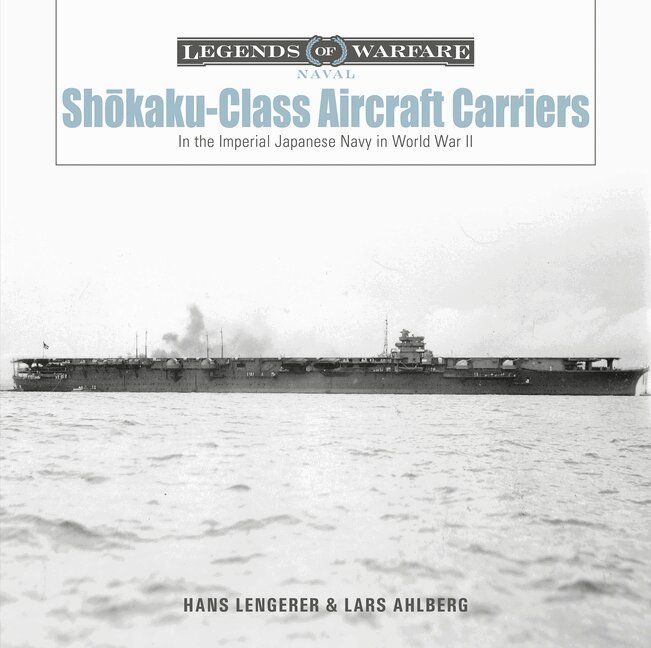
Shōkaku-Class Aircraft Carriers
In the Imperial Japanese Navy during World War II
Inbunden, Engelska, 2023
242 kr
Skickas
The first book on the powerful Japanese Shōkaku-class carriers. The aircraft carriers of the Shōkaku class are generally regarded as being the most-successful carriers designed by the Imperial Japanese Navy. They became operational just prior to the Pearl Harbor attack in December 1941, and their combat records are impressive. Compared with the preceding aircraft carrier designs, they represented a great design leap, combining excellent striking power with good protection. Even by the US Navy these ships were rated highly. During the Pacific War the two ships of the class participated in all carrier battles with the exception of Midway, Shōkaku being lost in the Battle of the Philippine Sea and Zuikaku off Cape Engaño (Battle of Leyte Gulf) in 1944. This is the history of their design and construction, and it relies heavily on Japanese source material and includes numerous photos and drawings.
293 kr
Skickas
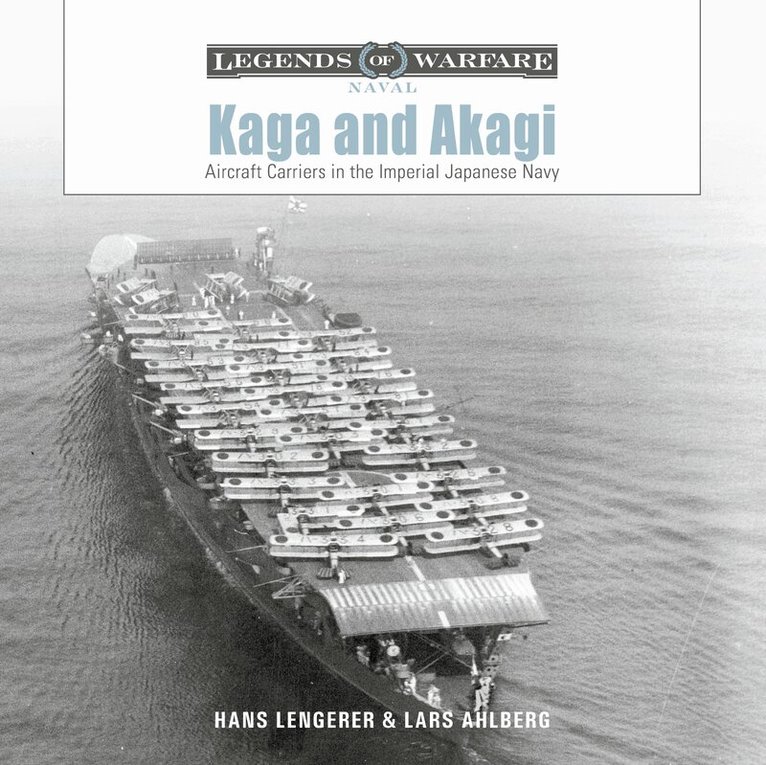
A pictorial guide to Akagi and Kaga, two early Japanese aircraft carriers that were sunk at the Battle of Midway. Akagi and Kaga were the second and third aircraft carriers to enter service with the Imperial Japanese Navy. Akagi was initially laid down as a battle cruiser, and Kaga as a battleship; both hulls were converted into aircraft carriers during the 1920s. The two ships played key roles in most of the early engagements of the Pacific War, and both were sunk at the Battle of Midway. This is the illustrated history of both ships, including a historical synopsis, full technical description, and more than 100 photographs and diagrams. Naval historians Lars Ahlberg and Hans Lengerer have established themselves as experts on and specialists in the warships of the Imperial Japanese Navy during WWII. Their work is differentiated by being primarily driven by the utilization of Japanese-language primary source material.
278 kr
Skickas inom 7-10 vardagar
A pictorial guide to the Imperial Japanese Navy's Nagato-class battleships, Nagato and Mutsu. The Nagato-class battleships, Nagato and Mutsu, were super-dreadnought-type vessels launched just after the end of the First World War. Mutsu exploded while at anchor in port in 1943. More than 1,000 were killed; the cause remains unknown to this day. Nagato survived the war and was sunk during the American nuclear testing at Bikini Atoll; the wreck is widely considered one of the premier diving destinations in the world. This is the illustrated history of both ships, including a historical synopsis, full technical description, and more than 100 photographs and diagrams. Naval historians Lars Ahlberg and Hans Lengerer have established themselves as experts on and specialists in the warships of the Imperial Japanese Navy during WWII. Their work is differentiated by being primarily driven by the utilization of Japanese-language primary source material.
237 kr
Kommande
These ships were numerous and played a very active role in Pacific naval combat but have never been the subject of a book in English until now. During the Second World War, the Imperial Japanese Navy used the term kaibōkan to refer to several classes of ships. The kaibōkans slotted below Imperial Japanese destroyers, comparable to the British Royal Navy’s frigates and corvettes or American destroyer escorts. A total of 171 vessels were completed in the kaibōkan family, making it one of if not the most produced warship design by the Imperial Japanese Navy during the war. These ships were numerous and played a very active role in Pacific naval combat. This is the illustrated history of the type, including a historical synopsis, full technical description, and more than 100 photographs and diagrams. Naval historians Lars Ahlberg and Hans Lengerer have established themselves as experts on and specialists in the warships of the Imperial Japanese Navy during WWII. Their work is differentiated by being primarily driven by the utilization of Japanese-language primary source material.
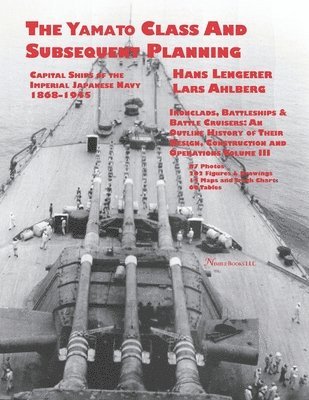
Capital Ships of the Imperial Japanese Navy 1868-1945
The Yamato Class and Subsequent Planning
Inbunden, Engelska, 2014
771 kr
Skickas inom 5-8 vardagar
Capital Ships of the Imperial Japanese Navy 1868-1945: The Yamato Class and Subsequent Planning: Chapters 1-3
Häftad, Engelska
630 kr
Skickas inom 3-6 vardagar