Hansjakob Ziemer – författare
1 961 kr
Skickas inom 5-8 vardagar
1 804 kr
Läs direkt efter köp
1 804 kr
Läs direkt efter köp
2 002 kr
Skickas inom 10-15 vardagar
605 kr
Skickas inom 10-15 vardagar
702 kr
Läs direkt efter köp
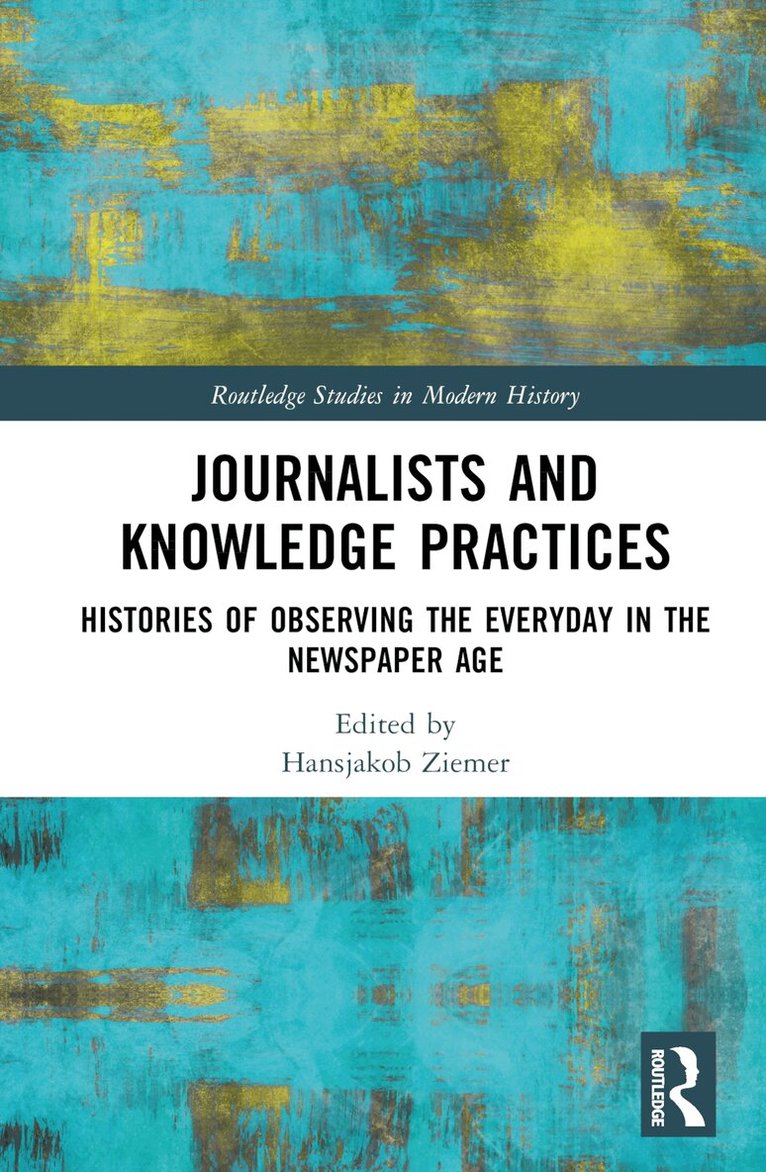
This multi-disciplinary anthology provides new perspectives on the journalist’s role in knowledge generation in the newspaper age—covering diverse topics from fake news to new technologies.
Fake news, journalistic authority, and the introduction of cutting-edge technologies are often viewed as new topics in journalism. However, these issues were prevalent long before the twenty-first century. Connecting for the first time two burgeoning strands of research—a newly perceived history of knowledge and the study of journalism—Journalists and Knowledge Practices provides insights into the journalist’s role in the world of knowledge in the newspaper age (ca. 1860s to 1970s). This multi-disciplinary anthology asks how journalists conducted their work and reconstructs histories of journalistic practices in specific regional constellations in Europe and North America. From fake news writing to inventing psychological concepts, integrating electric telegrams to fabricating photographs, explaining pandemics to creating communities, these case studies written by distinguished scholars from various disciplines in the humanities show how notions of fact and truth were shaped, new technologies integrated, and knowledge transfers arranged. This book is crucial reading for scholars and students interested in the historically changing relationships between journalistic practices and the generation and dissemination of knowledge.
This volume is crucial reading for scholars and students interested in the history of journalistic practice.
702 kr
Läs direkt efter köp
This multi-disciplinary anthology provides new perspectives on the journalist’s role in knowledge generation in the newspaper age—covering diverse topics from fake news to new technologies.
Fake news, journalistic authority, and the introduction of cutting-edge technologies are often viewed as new topics in journalism. However, these issues were prevalent long before the twenty-first century. Connecting for the first time two burgeoning strands of research—a newly perceived history of knowledge and the study of journalism—Journalists and Knowledge Practices provides insights into the journalist’s role in the world of knowledge in the newspaper age (ca. 1860s to 1970s). This multi-disciplinary anthology asks how journalists conducted their work and reconstructs histories of journalistic practices in specific regional constellations in Europe and North America. From fake news writing to inventing psychological concepts, integrating electric telegrams to fabricating photographs, explaining pandemics to creating communities, these case studies written by distinguished scholars from various disciplines in the humanities show how notions of fact and truth were shaped, new technologies integrated, and knowledge transfers arranged. This book is crucial reading for scholars and students interested in the historically changing relationships between journalistic practices and the generation and dissemination of knowledge.
This volume is crucial reading for scholars and students interested in the history of journalistic practice.
1 112 kr
Skickas inom 10-15 vardagar
1 032 kr
Läs direkt efter köp
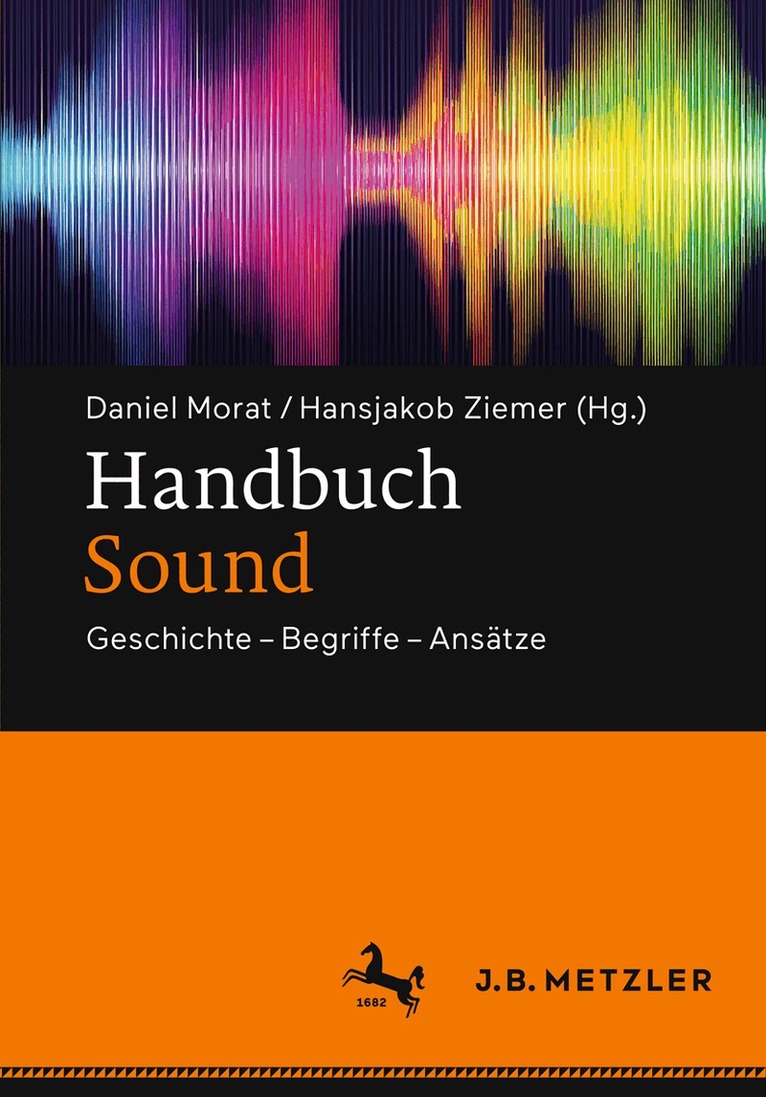
Dieses Handbuch bietet einen Überblick über Sound in den Kultur-, Geistes- und Sozialwissenschaften. Ausgehend von der Beobachtung, dass Sound ein soziales und damit auch ein historisches Phänomen ist, greifen die Autorinnen und Autoren die Vielfalt von Sound in unterschiedlichen Erscheinungs- und Darstellungsformen auf und verfolgen ihre Spuren in Geschichte und Gegenwart. Sie skizzieren methodisch-theoretische Zugänge und Begriffe der Soundforschung und gehen auf disziplinäre Perspektiven und Traditionen ebenso ein wie auf einzelne akustische Phänomene. Dabei werden spezifische Räumlichkeiten genauso berücksichtigt wie die medialen und politischen Kontexte, in denen Sound produziert und erfasst, angeeignet und genutzt wird. Das Handbuch gibt damit nicht nur eine breite Übersicht über die aktuelle Diskussion zu Sound, sondern liefert auch vielfältige Anregungen für zukünftige Forschungen.