Harinder Singh Jagdev – författare
Visar alla böcker från författaren Harinder Singh Jagdev. Handla med fri frakt och snabb leverans.
9 produkter
Integrating Human Aspects in Production Management
IFIP TC5 / WG5.7 Proceedings of the International Conference on Human Aspects in Production Management 5-9 October 2003, Karlsruhe, Germany
Av Gert Zülch, Harinder Singh Jagdev m. fl.
Inbunden, 2004
1096 kr
Lägg i varukorg
In recent years the situation of production enterprises has been aggravated by the change from a vendors' market to a buyers' market, the globaHsation of competition, a severe market segmentation and rapid progress in product and process technologies. Beside cost and quality, time has taken on an …
Integrating Human Aspects in Production Management
IFIP TC5 / WG5.7 Proceedings of the International Conference on Human Aspects in Production Management 5-9 October 2003, Karlsruhe, Germany
Av Patricia Stock, Harinder Singh Jagdev m. fl.
E-bok, 2006
1459 kr
Lägg i varukorg
In recent years the situation of production enterprises has been aggravated by the change from a vendors'' market to a buyers'' market, the globaHsation of competition, a severe market segmentation and rapid progress in product and process technologies. Beside cost and quality, time has taken on an …
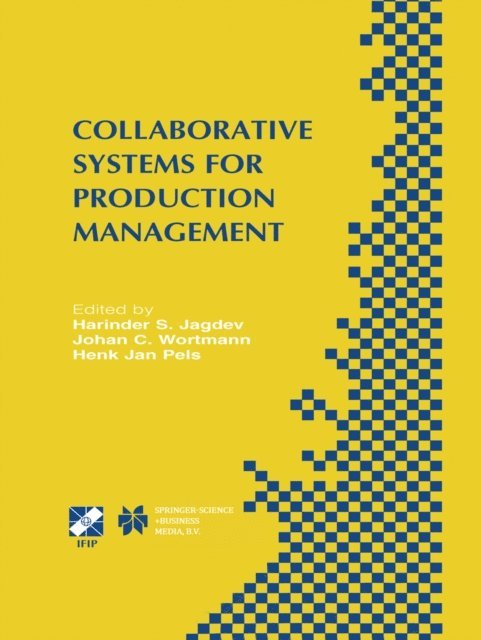
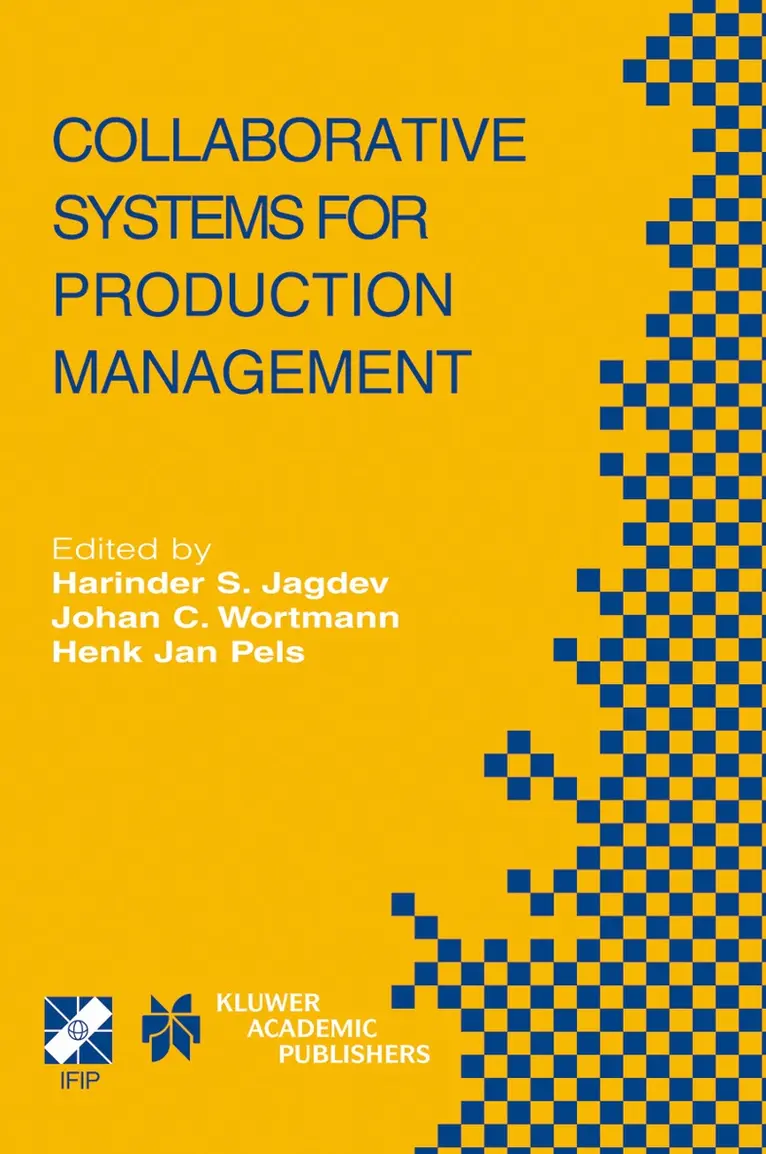
Collaborative Systems for Production Management
IFIP TC5 / WG5.7 Eighth International Conference on Advances in Production Management Systems September 8–13, 2002, Eindhoven, The Netherlands
Av Henk Jan Pels, Johan C. Wortmann m. fl.
E-bok, 2013
3013 kr
Lägg i varukorg
The business environment throughout the world is currently going through rapid and far reaching change. They are analysing their business processes and scrutinising ways to make their systems more streamlined and competitive in order to meet the challenges posed by the Global Economy. Forming close …
Collaborative Systems for Production Management
IFIP TC5 / WG5.7 Eighth International Conference on Advances in Production Management Systems September 8–13, 2002, Eindhoven, The Netherlands
Av Harinder Singh Jagdev, Johan C. Wortmann m. fl.
Inbunden, 2003
2185 kr
Lägg i varukorg
The business environment throughout the world is going through rapid and far-reaching change. Business managers are analysing their business processes and scrutinising ways to make their systems more streamlined and competitive in order to meet the challenges posed by the global economy. Forming …
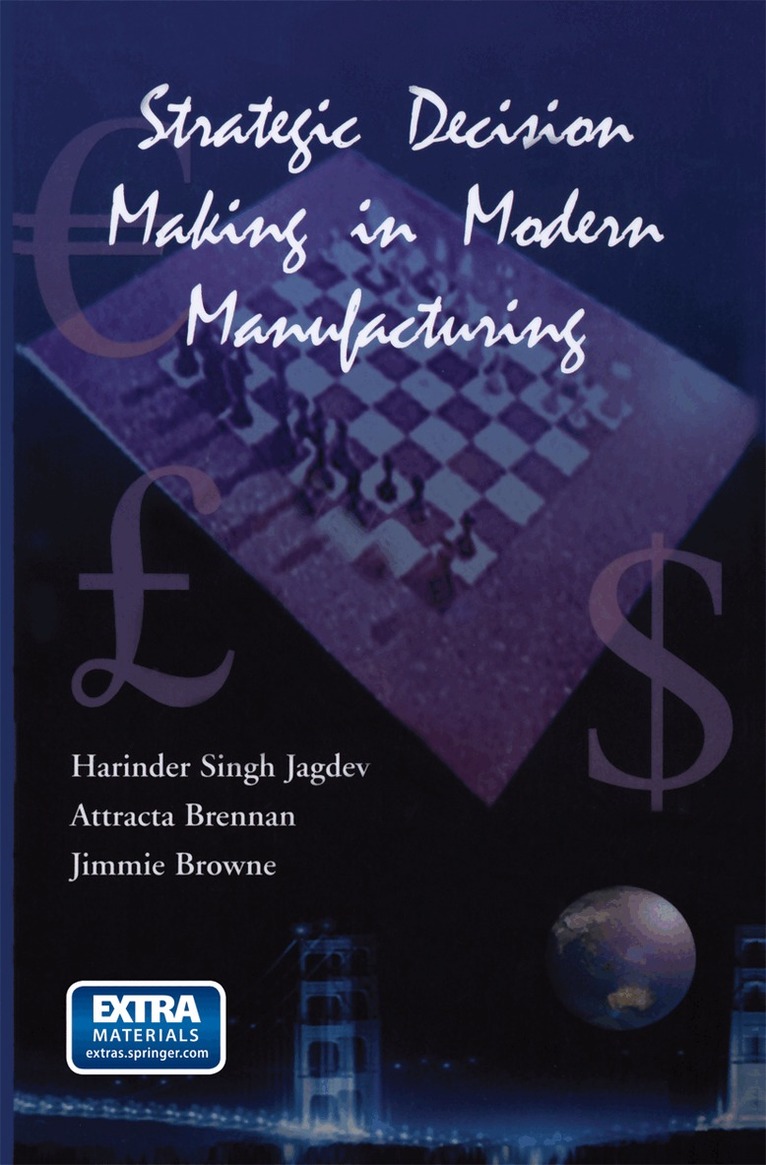
Strategic Decision Making in Modern Manufacturing
Av Harinder Singh Jagdev, Attracta Brennan m. fl.
Häftad, 2013
568 kr
Lägg i varukorg
Strategic Decision Making in Modern Manufacturing introduces and explains the AMBIT (Advanced Manufacturing Business ImplemenTation) approach, which has been developed to bridge the gap between strategic management considerations and the operational effects of technology investment decisions on the …
Strategic Decision Making in Modern Manufacturing
Av J. Browne, Attracta Brennan m. fl.
E-bok, 2013
755 kr
Lägg i varukorg
Strategic Decision Making in Modern Manufacturing introduces and explains the AMBIT ( A dvanced M anufacturing B usiness I mplemen T ation) approach, which has been developed to bridge the gap between strategic management considerations and the operational effects of technology investment decisions …
Collaborative Systems for Production Management
IFIP TC5 / WG5.7 Eighth International Conference on Advances in Production Management Systems September 8–13, 2002, Eindhoven, The Netherlands
Av Harinder Singh Jagdev, Johan C. Wortmann m. fl.
Häftad, 2013
2185 kr
Lägg i varukorg
The business environment throughout the world is currently going through rapid and far reaching change. They are analysing their business processes and scrutinising ways to make their systems more streamlined and competitive in order to meet the challenges posed by the Global Economy. Forming close …
Integrating Human Aspects in Production Management
IFIP TC5 / WG5.7 Proceedings of the International Conference on Human Aspects in Production Management 5-9 October 2003, Karlsruhe, Germany
Av Gert Zülch, Harinder Singh Jagdev m. fl.
Häftad, 2014
1089 kr
Lägg i varukorg
In recent years the situation of production enterprises has been aggravated by the change from a vendors' market to a buyers' market, the globaHsation of competition, a severe market segmentation and rapid progress in product and process technologies. Beside cost and quality, time has taken on an …