Harry Owen – författare
Visar alla böcker från författaren Harry Owen. Handla med fri frakt och snabb leverans.
6 produkter
6 produkter
Häftad, Engelska, 2026
140 kr
Skickas inom 5-8 vardagar
E-bok
Engelska, 202648 kr
Läs direkt efter köp
Mindforest, where capitalist economics forms the basis of a language that exploits and damages the natural world, perhaps ecopoetry, whether rooted in South Africa or elsewhere, can offer a more enriching alternative tongue. Hailing from Liverpool, UK, Harry Owen made literary history as the inaugural Poet Laureate for Cheshire in 2003 during his residence in Congleton. In January 2008, he relocated to the Eastern Cape of South Africa, where he founded and hosted Reddits Poetry, a successful open-floor poetry event that thrived for over a decade.Harry holds a PhD in Creative Writing from the University of Pretoria, won the 2020 Standard Bank Ovation Award, and was shortlisted for the South African National Poetry Prize in 2023. An ardent advocate for environmental issues, Harry is the author of ten poetry collections.
Häftad, Engelska, 2008
175 kr
Skickas inom 5-8 vardagar
Inbunden, Engelska, 2016
1 570 kr
Skickas inom 10-15 vardagar
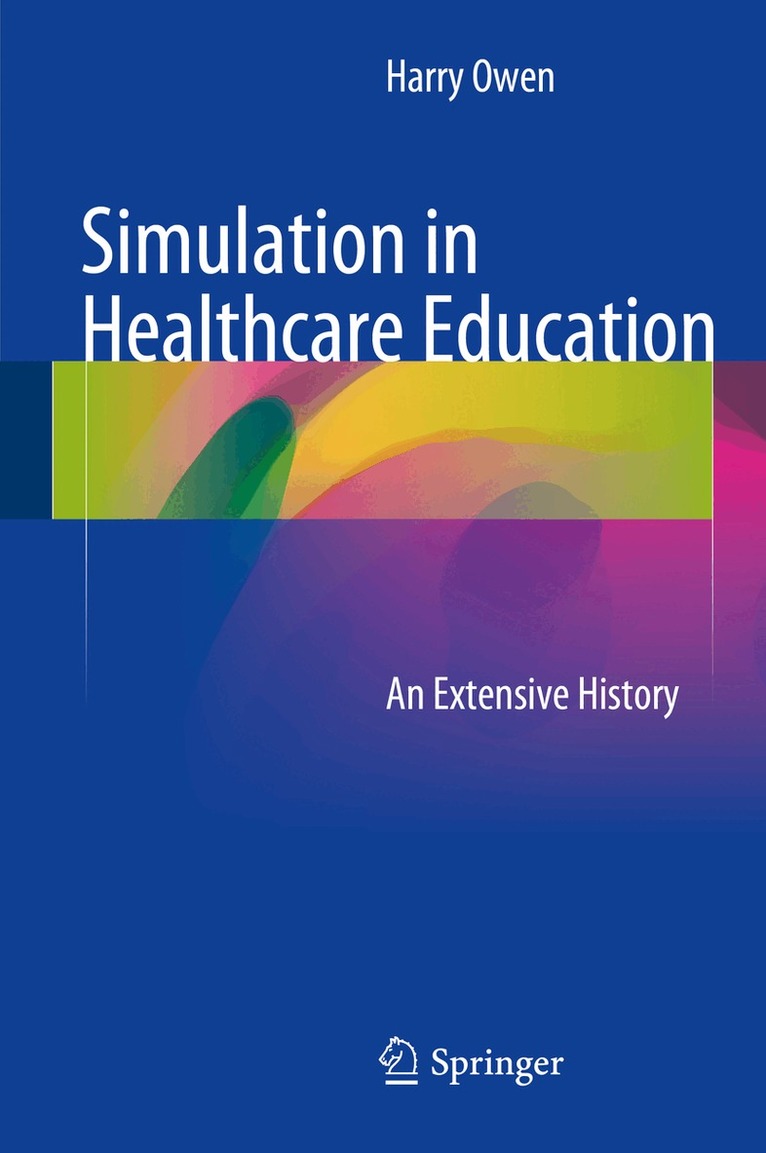
Simulation in healthcare education has a long history, yet in many ways, we have been reinventing the wheel during the last 25 years. Historically, simulators have been much more than simple models, and we can still learn from aspects of simulation used hundreds of years ago. This book gives a narrative history of the development of simulators from the early 1700s to the middle of the 20th century when simulation in healthcare appeared to all but die out. It is organized around the development of simulation in different countries and includes at the end a guide to simulators in museums and private collections throughout the world. The aim is to increase understanding of simulation in the professional education of healthcare providers by exploring the historical context of simulators that were developed in the past, what they looked like, how they were used, and examples of simulator use that led to significant harm and an erosion of standards. The book is addressed to the healthcare simulation community and historians of medicine. The latter in particular will appreciate the identification and use of historic sources written in Latin, German, Italian, French, Polish and Spanish as well as English.
E-bok
Engelska, 20161 408 kr
Läs direkt efter köp
Simulation in healthcare education has a long history, yet in many ways, we have been reinventing the wheel during the last 25 years. Historically, simulators have been much more than simple models, and we can still learn from aspects of simulation used hundreds of years ago. This book gives a narrative history of the development of simulators from the early 1700s to the middle of the 20th century when simulation in healthcare appeared to all but die out. It is organized around the development of simulation in different countries and includes at the end a guide to simulators in museums and private collections throughout the world. The aim is to increase understanding of simulation in the professional education of healthcare providers by exploring the historical context of simulators that were developed in the past, what they looked like, how they were used, and examples of simulator use that led to significant harm and an erosion of standards. The book is addressed to the healthcare simulation community and historians of medicine. The latter in particular will appreciate the identification and use of historic sources written in Latin, German, Italian, French, Polish and Spanish as well as English.
Häftad, Engelska, 2018
1 123 kr
Skickas inom 10-15 vardagar
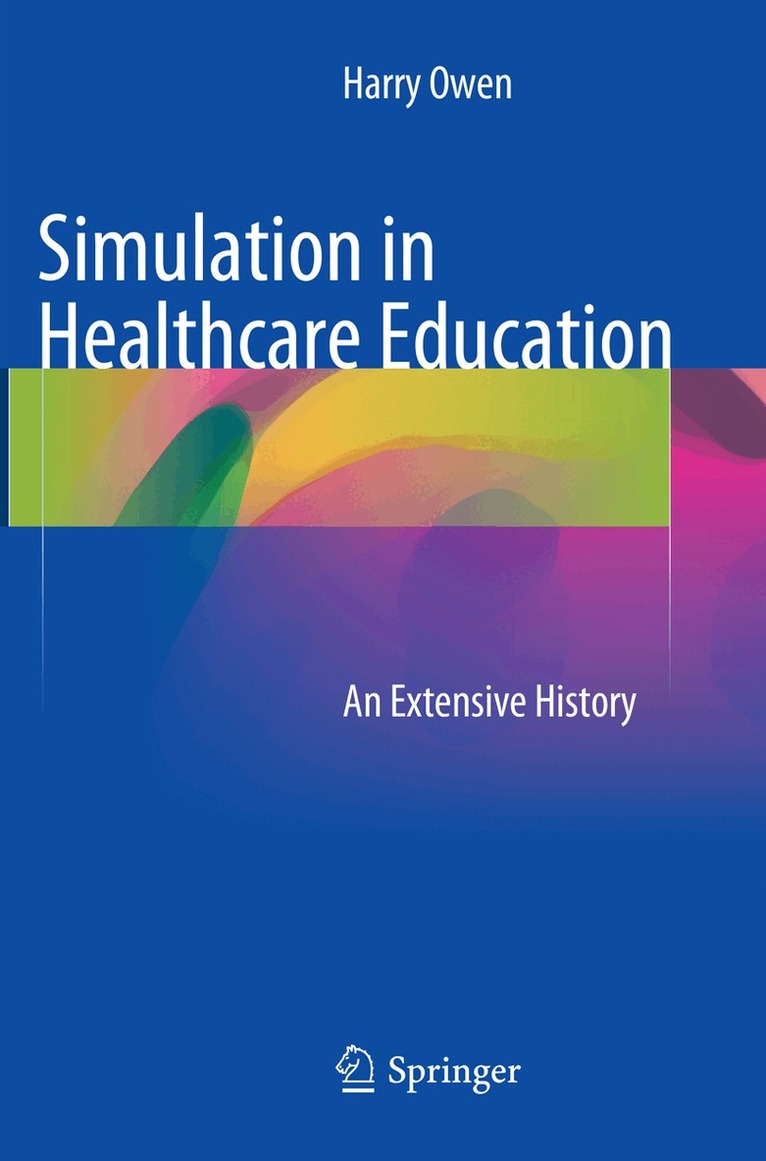
Simulation in healthcare education has a long history, yet in many ways, we have been reinventing the wheel during the last 25 years. Historically, simulators have been much more than simple models, and we can still learn from aspects of simulation used hundreds of years ago. This book gives a narrative history of the development of simulators from the early 1700s to the middle of the 20th century when simulation in healthcare appeared to all but die out. It is organized around the development of simulation in different countries and includes at the end a guide to simulators in museums and private collections throughout the world. The aim is to increase understanding of simulation in the professional education of healthcare providers by exploring the historical context of simulators that were developed in the past, what they looked like, how they were used, and examples of simulator use that led to significant harm and an erosion of standards. The book is addressed to the healthcare simulation community and historians of medicine. The latter in particular will appreciate the identification and use of historic sources written in Latin, German, Italian, French, Polish and Spanish as well as English.