Harshan Kumarasingham - Böcker
Visar alla böcker från författaren Harshan Kumarasingham. Handla med fri frakt och snabb leverans.
2 produkter
2 produkter
470 kr
Kommande
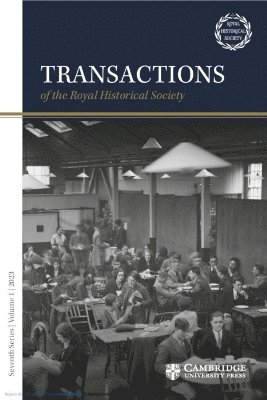
Transactions of the Royal Historical Society is an annual collection of articles based on papers given to the Society by distinguished invited speakers and winners of RHS prizes. Volume 1 of the Seventh Series includes articles on religion during the Crusades; the Spanish monarchy; historical methodology and practice; celebrity culture; English socio-economic history; geographical thought in Britain; political representation during the period of the English, French and American Revolutions; the British Empire; Augustine's letters; heritage and public monuments; the medieval papacy; sport in colonial India; and academic freedom in Aotearoa New Zealand. The volume also includes reviews of Stuart Ward's Untied Kingdom: A Global History of the End of Britain, with a reply from the author.
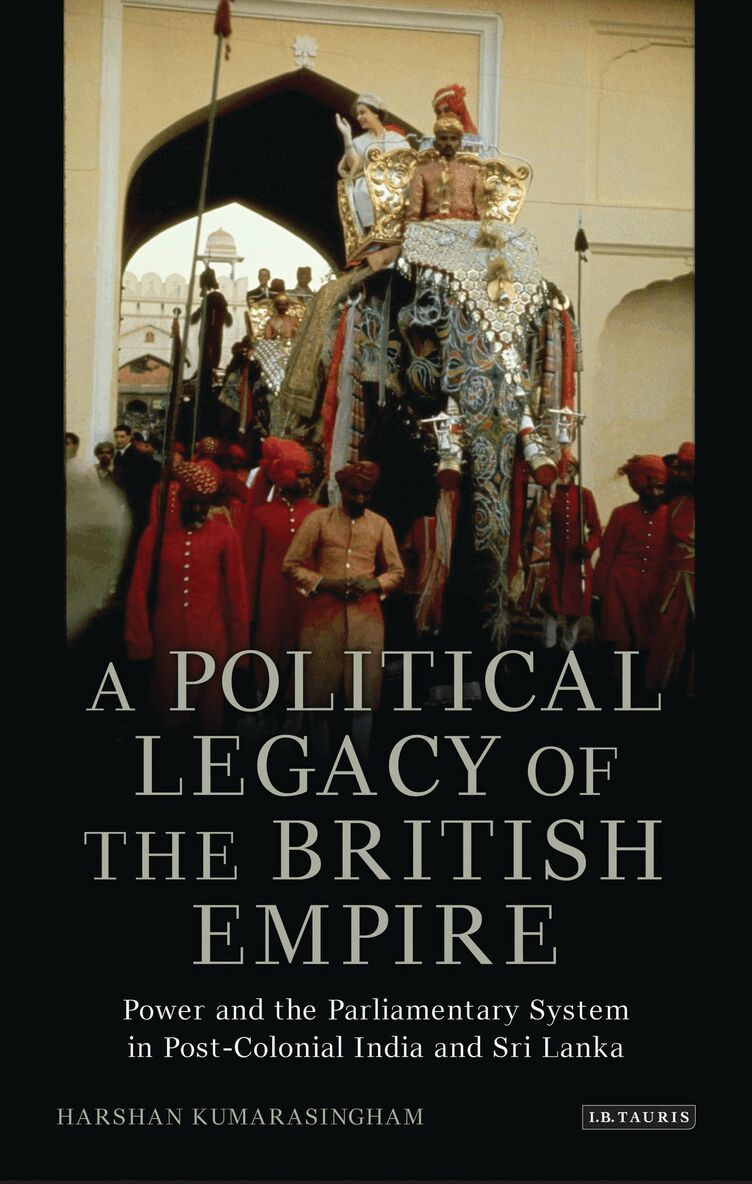
Political Legacy of the British Empire
Power and the Parliamentary System in Post-colonial India and Sri Lanka
Inbunden, Engelska, 2012
1 888 kr
Skickas inom 10-15 vardagar
As the British Empire receded, India and Sri Lanka, then known as Ceylon, preserved the 'Westminster' political system left by their colonial rulers. Both South Asian countries became independent in the late 1940s, though in widely differing styles: India fought a violent campaign of mass political activism and would become a republic, while Sri Lanka negotiated independence by a gentlemen's agreement among the indigenous elite and remained a realm. Both nations adopted the 'Westminster' political system of their colonial master, producing results and reactions that would shape each country profoundly. Harshan Kumarasingham analyses the crucial first decade of independence, assessing the events, decisions and political environment of these 'Eastminsters'. The impact of cultural conditions on the constitutional and political exercise of executive power gives an invaluable insight into how the ambiguous and flexible tenets of the Westminster system were interpreted in a local context, where the Western-educated elites were often at variance with the masses.The principles of cabinet government are explored to examine how successfully the purported checks and balances of the Westminster model operated in this crucial nation-building era, along with the critical role of political figures like Prime Ministers Nehru and Bandaranaike. This period also witnessed the early challenges of forging a modern state with major ethnic, linguistic, religious, class-based and regional tensions, which both India and Sri Lanka still wrestle with. The adaptable Westminster system was an essential element in the political development of these South Asian nations. Understanding the legacy and influence of the Westminster system allows the reader to fully understand the politics, institutions and society of today's India and Sri Lanka.