Heather A. Conley – författare
Visar alla böcker från författaren Heather A. Conley. Handla med fri frakt och snabb leverans.
8 produkter
8 produkter
385 kr
Tillfälligt slut
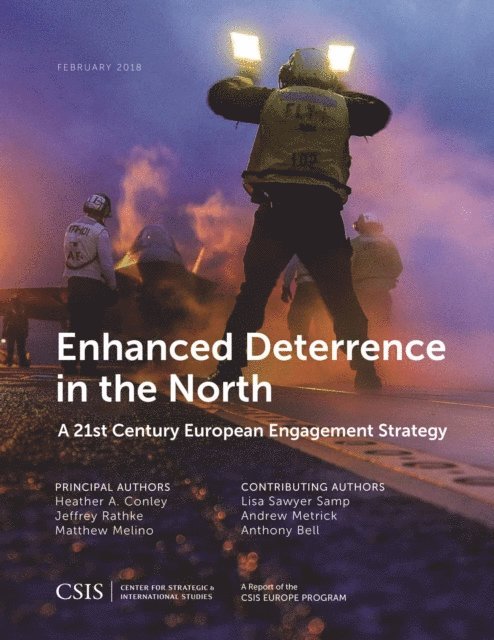
Creating a twenty-first century security architecture for the Arctic presents the United States with a conundrum: U.S. Arctic policy must be given a sense of urgency and focus at the same moment that U.S. defense budgets are being reduced and U.S. military planners consider the Arctic to be “an area of low conflict.” How does one economically and militarily square this circle? While there has been some discussion of the form and format of international Arctic security cooperation, the debate has often focused on what issues cannot be discussed rather than on those that must be addressed. Arctic stakeholders have yet to discuss seriously what collective security framework Arctic states should use to address the emerging security challenges in the region, despite signing legally binding agreements on international search and rescue and negotiating international agreements on oil spills and response. This report analyzes the drivers of change in the region, examines the key Arctic security actors and institutions, and explores the potential for a new security architecture for the Arctic.
Leading from Behind in Public-Private Partnerships?
An Assessment of European Engagement with the Private Sector in Development
Häftad, Engelska, 2012
385 kr
Tillfälligt slut
This report studies the usage of public-private partnerships (PPPs) in international development among six European nations—the United Kingdom, the Netherlands, Germany, France, Ireland, and Norway. Although all face similar financial constraints and have similar histories as generous aid donors, the six countries’ approaches to PPPs vary greatly. The authors examine which countries use PPPs most effectively in their development strategies and make recommendations about how other countries can improve their usage.
677 kr
Skickas inom 10-15 vardagar
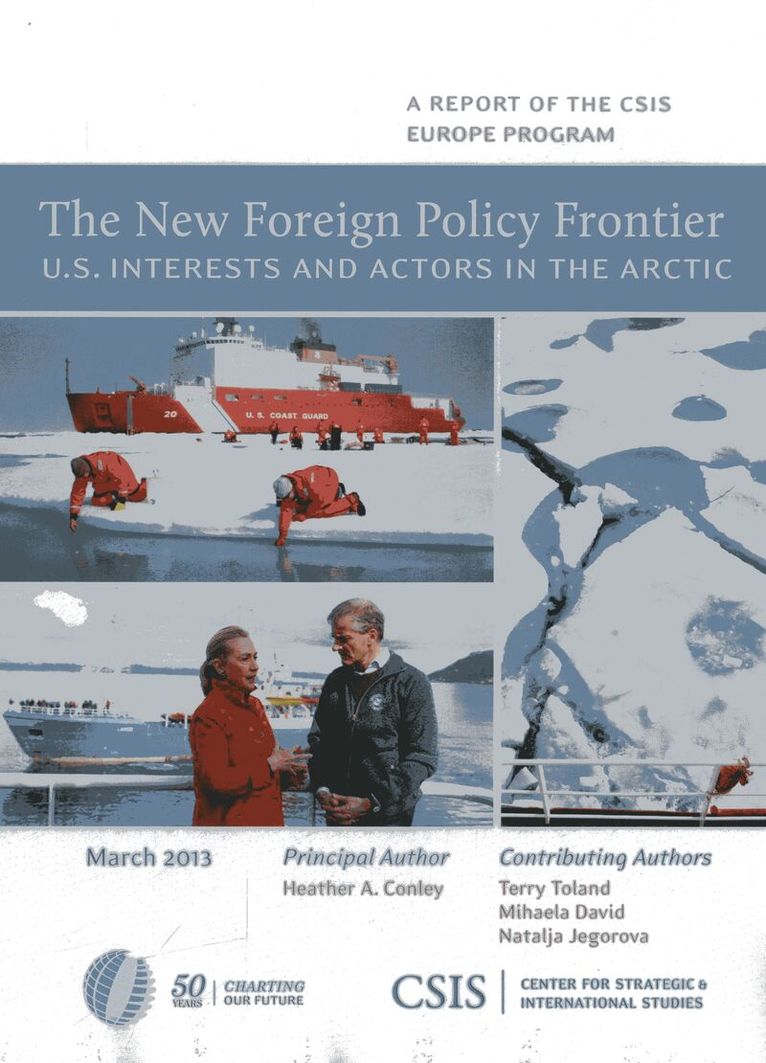
Since World War II, the Arctic has been a region of geostrategic importance to the United States. As unprecedented environmental transformation occurs in the Arctic, this region will increase in significance. When historians look back at this critical opportunity to develop U.S. Arctic policy, we do not want the question to be posed, “Who lost the Arctic?” but rather, “How did the United States win the Arctic?” Crafting U.S. policy toward the Arctic, however, is a complex and challenging undertaking. Arctic policy must respond to the economic, environmental, security, and geopolitical concerns that confront the region. When the Barack Obama administration came into office in January 2009, it accepted and left unchanged the recently adopted Arctic strategy of the George W. Bush administration. In its second term, it is now time for the Obama administration to enhance U.S. Arctic policy by updating and prioritizing National Security Presidential Directive 66/Homeland Security Presidential Directive 25 (NSPD-66/HSPD-25), improving interagency cooperation, enhancing U.S. international and public diplomacy related to the Arctic, and increasing the focus of senior U.S. officials. These activities must begin now if the United States is to prepare for and fully maximize its chairmanship of the Arctic Council beginning in 2015.
836 kr
Skickas inom 10-15 vardagar
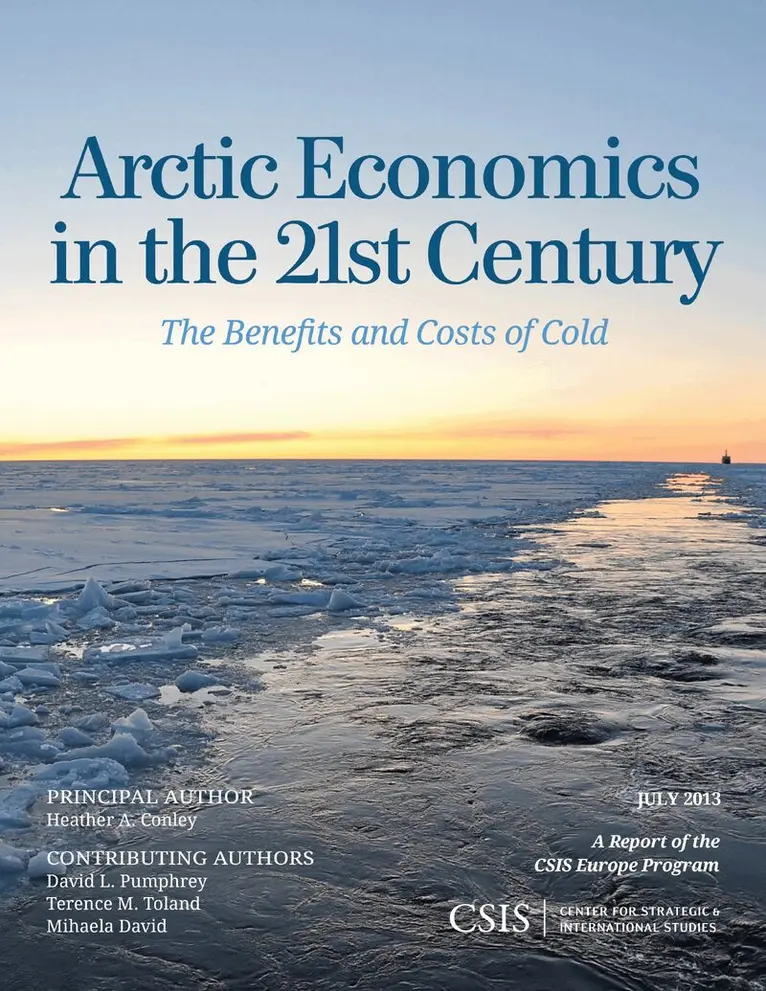
Arctic Economics in the 21st Century explores the key economic dynamics at play in the rapidly changing Arctic region. This report evaluates both the economic benefits of an increasingly open Arctic region and the costs of exploring the riches of the American Arctic. It frames an economic strategy built upon six critical economic components: mineral resources, oil and gas development, shipping, fisheries, tourism, and finally, the regional infrastructure required to support and sustain the first five components. The report analyzes the increasingly prominent role of the private sector in Arctic development and its interplay with the potentially diminished traditional role of governments in the region.
483 kr
Tillfälligt slut
The New Ice Curtain explores Russia’s strategic ambitions for its Arctic region—an understudied and underappreciated region that encompasses nearly the entire northern coast of Eurasia. As the Russian Arctic produces 14 percent of Russian GDP, 22 percent of its exports, and is home to nearly 2 million of its citizens, Russia’s economic future will increasingly depend on robust Arctic development.
490 kr
Skickas inom 10-15 vardagar
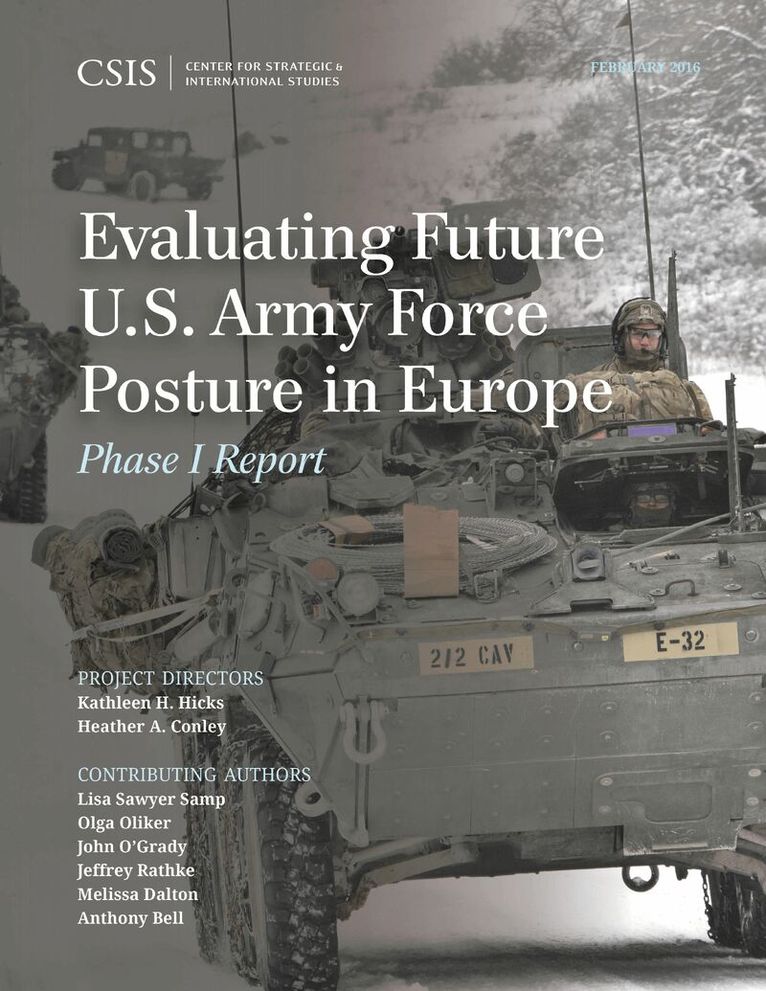
This report offers a reexamination of U.S. Army posture in Europe amid heightened tensions between the United States and Russia over the geopolitical orientation of Ukraine. This study reviews Russian military capabilities; considers alternative U.S. force posture arrangements; assesses how to determine whether assurance and deterrence goals are being met; and offers concrete recommendations in order to optimize the U.S. Army’s presence in Europe to deter Russian aggression against the most vulnerable NATO members.
490 kr
Skickas inom 10-15 vardagar
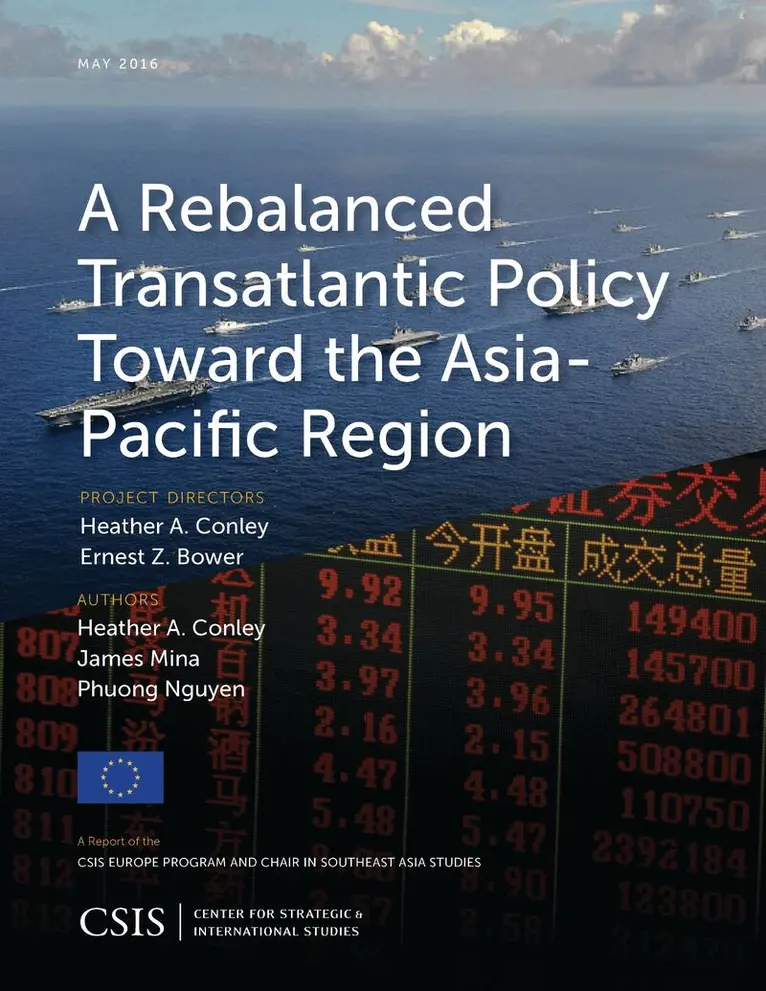
In 2014, the CSIS Europe and Southeast Asia Programs embarked on a two-year initiative to create a new and enduring EU-U.S. collaborative mechanism to enhance transatlantic Asia-Pacific policy coordination and understanding. This report is the culmination of this two-year study and presents the findings of the research while also offering actionable recommendations for U.S. and EU policymakers.
516 kr
Skickas inom 10-15 vardagar
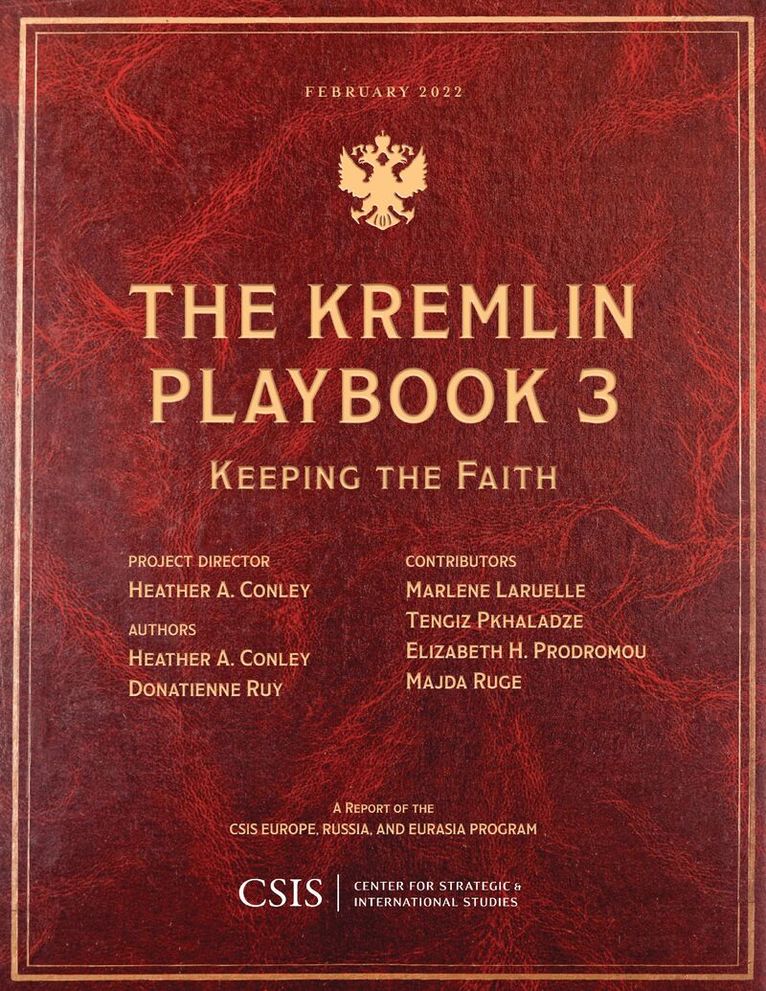
This latest and final report in the Kremlin Playbook series explores how the United States and its European allies can protect the religious beliefs and values of their citizens from malign influence at a time when transatlantic societies are grappling with the speed of societal change. Societal anxiety and fear related to these rapid economic, demographic, and generational shifts—and the subsequent politics and political figures that seek to capitalize on them—have fueled societal divisions around the so-called cultural wars in Western societies. Through two main channels, the Orthodox world and the traditional values ecosystem, the Kremlin has taken advantage of these fears to accentuate societal wedges in Europe and Eurasia.