Heather Miyano Kopelson – författare
Visar alla böcker från författaren Heather Miyano Kopelson. Handla med fri frakt och snabb leverans.
4 produkter
4 produkter
Speaking Objects
Indigenous Women and the Materials of Dance in the Americas, 1500–1700
Inbunden, Engelska, 2026
1 451 kr
Kommande
Blends material, performance, and gender studies to highlight Indigenous women's vital contributions to ritual movement and dance.This book examines the cultural history of materials (feather, turtle shell, metal, and seashell) used to add sound to dancing in the sixteenth- and seventeenth-century Americas as a way of rediscovering the foundational nature of Indigenous women’s cultural, spiritual, and political actions and their links to cultural revitalization today. Objects created by Indigenous women throughout the Americas added aural and visual spectacle to ritual movement and dance, activities that carried spiritual, political, martial, and diplomatic significance. Women’s skilled labor was thus essential to reproducing culture and tending spiritual connections with other-than-human beings, even when women were not the main dancers, musicians, or singers. This book joins conversations about hemispheric connections across historiographical boundaries of “Latin American” and “early American” scholarship and offers an interdisciplinary focus on women, gender, material culture, and performance. It shows readers how stories about the past, covering a fuller range of human experience, come from so much more than alphabetic written documents and are about so much more than European invasion and colonization. Meant to broaden students’ ideas about what counts as history, this book also offers vivid details to capture the attention of more general readers.
Speaking Objects
Indigenous Women and the Materials of Dance in the Americas, 1500–1700
Häftad, Engelska, 2026
448 kr
Kommande
Blends material, performance, and gender studies to highlight Indigenous women's vital contributions to ritual movement and dance.This book examines the cultural history of materials (feather, turtle shell, metal, and seashell) used to add sound to dancing in the sixteenth- and seventeenth-century Americas as a way of rediscovering the foundational nature of Indigenous women’s cultural, spiritual, and political actions and their links to cultural revitalization today. Objects created by Indigenous women throughout the Americas added aural and visual spectacle to ritual movement and dance, activities that carried spiritual, political, martial, and diplomatic significance. Women’s skilled labor was thus essential to reproducing culture and tending spiritual connections with other-than-human beings, even when women were not the main dancers, musicians, or singers. This book joins conversations about hemispheric connections across historiographical boundaries of “Latin American” and “early American” scholarship and offers an interdisciplinary focus on women, gender, material culture, and performance. It shows readers how stories about the past, covering a fuller range of human experience, come from so much more than alphabetic written documents and are about so much more than European invasion and colonization. Meant to broaden students’ ideas about what counts as history, this book also offers vivid details to capture the attention of more general readers.
491 kr
Skickas inom 10-15 vardagar
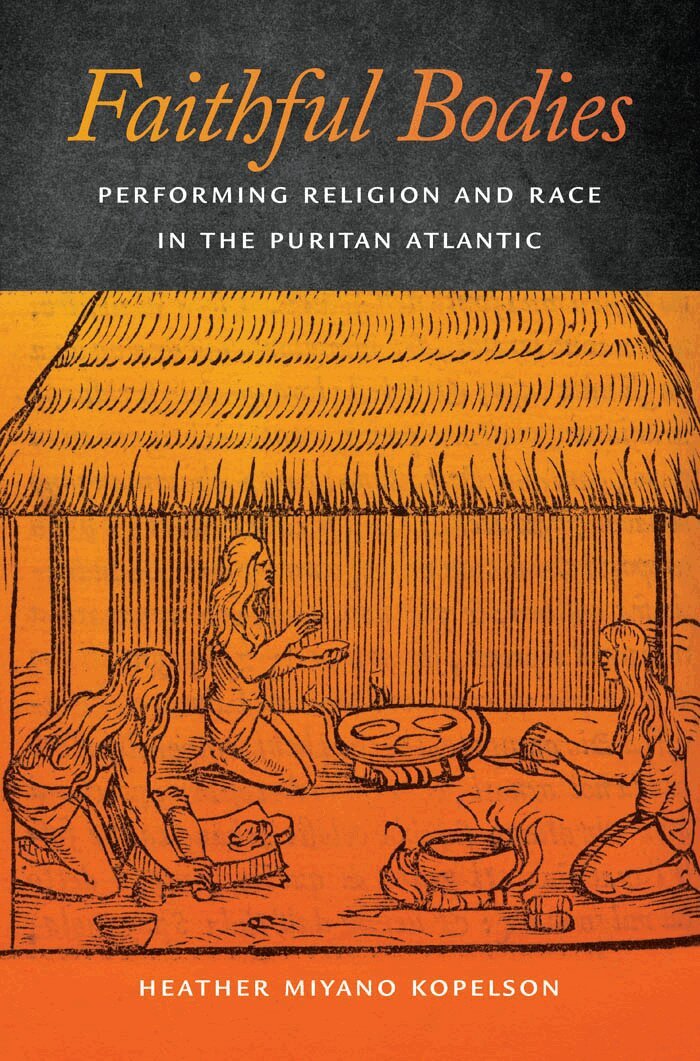
In the seventeenth-century English Atlantic, religious beliefs and practices played a central role in creating racial identity. English Protestantism provided a vocabulary and structure to describe and maintain boundaries between insider and outsider. In this path-breaking study, Heather MiyanoKopelson peels back the layers of conflicting definitions of bodies and competing practices of faith in the puritan Atlantic, demonstrating how the categories of "white," "black," and "Indian" developed alongside religious boundaries between "Christian" and "heathen" and between "Catholic" and "Protestant."Faithful Bodies focuses on three communities of Protestant dissent in the Atlantic World: Bermuda,Massachusetts, and Rhode Island. In this "puritan Atlantic," religion determined insider and outsider status: at times Africans and Natives could belong as long as they embraced the Protestant faith, while Irish Catholics and English Quakers remained suspect. Colonists' interactions with indigenous peoples of the Americas and with West Central Africans shaped their understandings of human difference and its acceptable boundaries. Prayer, religious instruction, sexual behavior, and other public and private acts became markers of whether or not blacks and Indians were sinning Christians or godless heathens. As slavery became law, transgressing people of color counted less and less as sinners in English puritans' eyes, even as some of them made Christianity an integral part of their communities. As Kopelson shows, this transformation proceeded unevenly but inexorably during the long seventeenth century.
365 kr
Skickas inom 5-8 vardagar
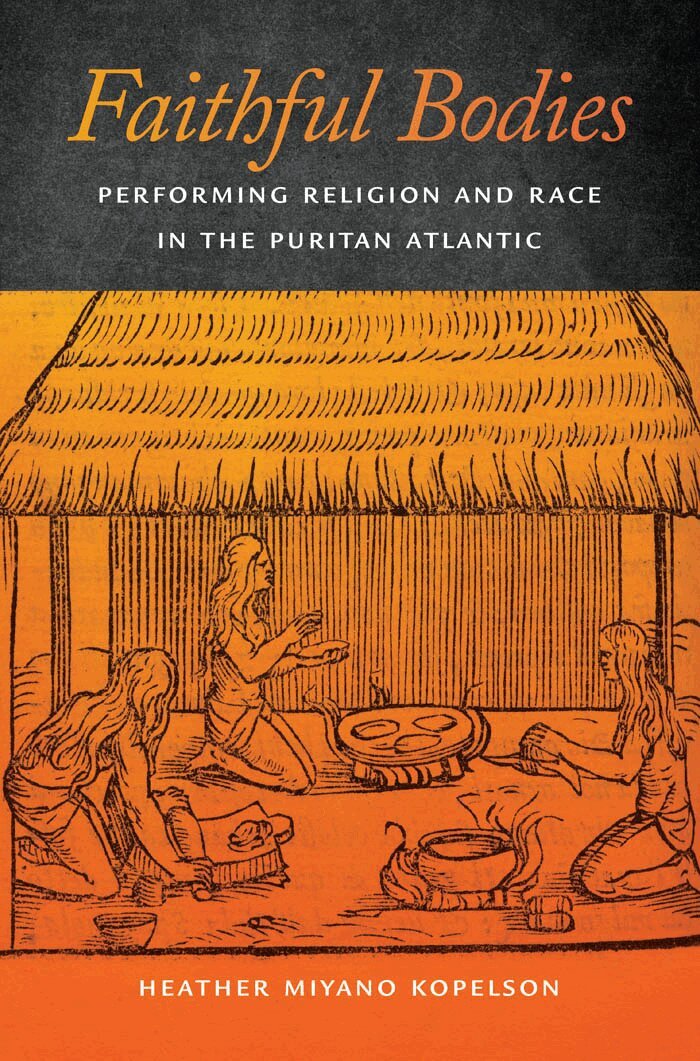
In the seventeenth-century English Atlantic, religious beliefs and practices played a central role in creating racial identity. English Protestantism provided a vocabulary and structure to describe and maintain boundaries between insider and outsider. In this path-breaking study, Heather MiyanoKopelson peels back the layers of conflicting definitions of bodies and competing practices of faith in the puritan Atlantic, demonstrating how the categories of "white," "black," and "Indian" developed alongside religious boundaries between "Christian" and "heathen" and between "Catholic" and "Protestant."Faithful Bodies focuses on three communities of Protestant dissent in the Atlantic World: Bermuda,Massachusetts, and Rhode Island. In this "puritan Atlantic," religion determined insider and outsider status: at times Africans and Natives could belong as long as they embraced the Protestant faith, while Irish Catholics and English Quakers remained suspect. Colonists' interactions with indigenous peoples of the Americas and with West Central Africans shaped their understandings of human difference and its acceptable boundaries. Prayer, religious instruction, sexual behavior, and other public and private acts became markers of whether or not blacks and Indians were sinning Christians or godless heathens. As slavery became law, transgressing people of color counted less and less as sinners in English puritans' eyes, even as some of them made Christianity an integral part of their communities. As Kopelson shows, this transformation proceeded unevenly but inexorably during the long seventeenth century.