
Hector A. Videla – författare
Visar alla böcker från författaren . Handla med fri frakt och snabb leverans.
3 produkter
3 produkter
Häftad, Engelska, 2009
599 kr
Skickas inom 7-10 vardagar
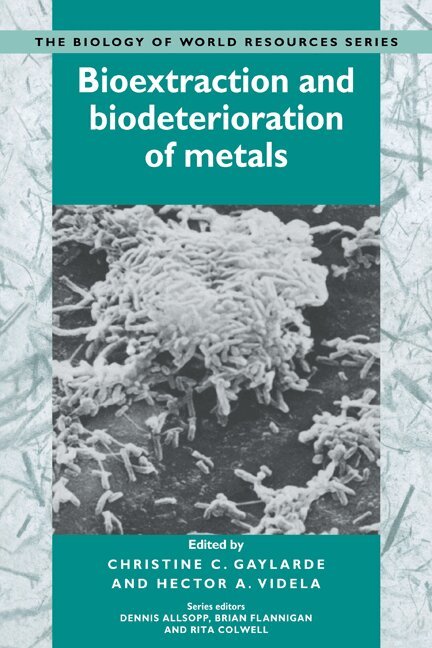
This book was first published in 1995. Interactions between microbes and metals have a huge economic importance. Metallic structures and apparatus can be corroded, leading to reduced efficiency of operation and even danger to users. However, micro-organisms have enormous potential for the removal of economically important metals from their ores. Specialists cover the different aspects of the subject in separate chapters, which include marine corrosion and the prospects and management of biomining bacteria. The chemical and electrochemical aspects and the prospects for controlling the positive and negative effects of these micro-organisms are covered in detail. Mining and oil industries engineers and researchers will find the contents of this book extremely pertinent. Researchers in biotechnology, metallurgy and microbiology will also find much of interest here.
Inbunden, Engelska, 1995
1 715 kr
Skickas inom 7-10 vardagar
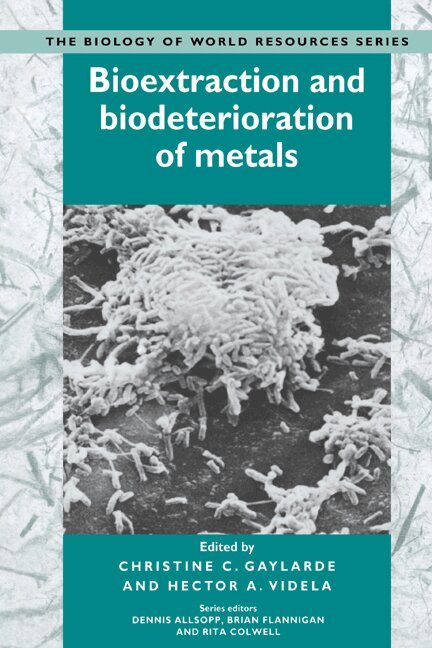
This book was first published in 1995. Interactions between microbes and metals have a huge economic importance. Metallic structures and apparatus can be corroded, leading to reduced efficiency of operation and even danger to users. However, micro-organisms have enormous potential for the removal of economically important metals from their ores. Specialists cover the different aspects of the subject in separate chapters, which include marine corrosion and the prospects and management of biomining bacteria. The chemical and electrochemical aspects and the prospects for controlling the positive and negative effects of these micro-organisms are covered in detail. Mining and oil industries engineers and researchers will find the contents of this book extremely pertinent. Researchers in biotechnology, metallurgy and microbiology will also find much of interest here.
Inbunden, Engelska, 1996
2 677 kr
Skickas inom 10-15 vardagar
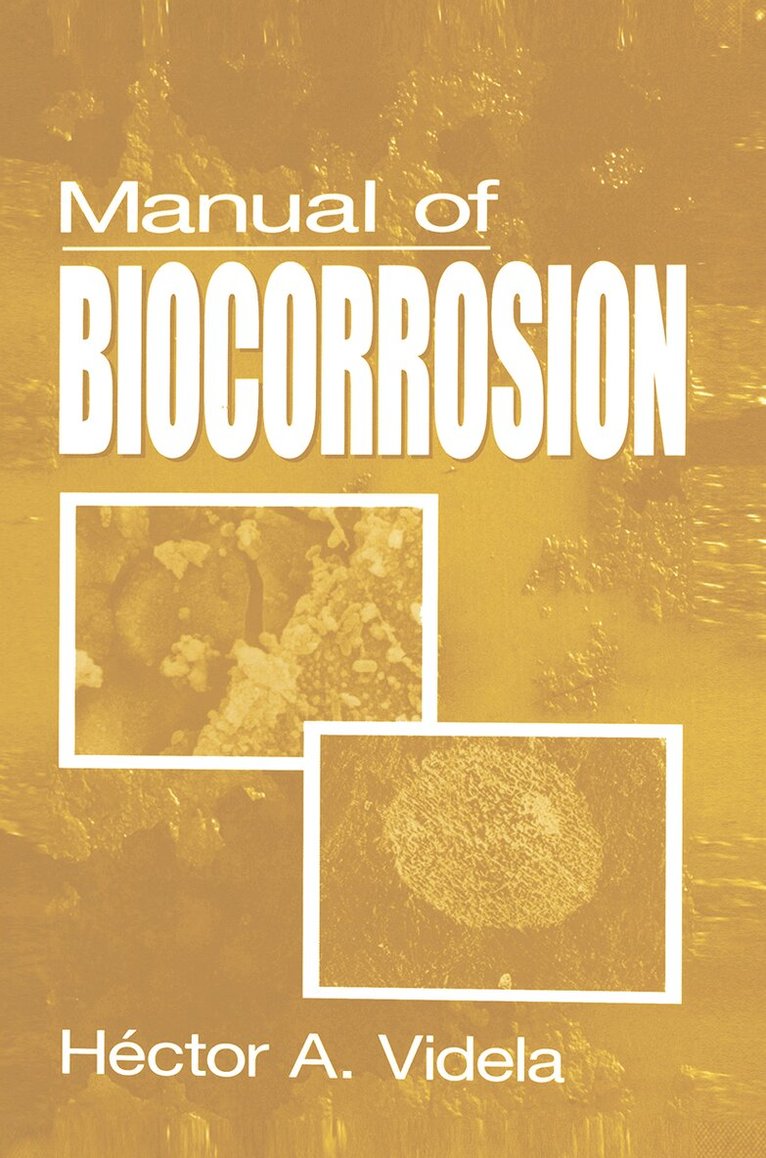
The Manual of Biocorrosion explains the microbiology, electrochemistry, and surface phenomena involved in biocorrosion and biofouling processes. Written primarily for non-specialists, the information in this manual is practical and offers a comprehensive look at the three components of biocorrosion: the microorganisms, the metal, and the aqueous environment. It also addresses methods for the monitoring, prevention, and control of biocorrosion. The first part of the book covers the fundamental aspects of microbiology, electrochemistry, and biofouling of metal surfaces. The second half describes biocorrosion assessment in the laboratory and the field, the main control and mitigation procedures used, practical case studies, and laboratory methods and formulations.The Manual of Biocorrosion is the book the industrial sector (water treatment plants, oil refineries, etc.) has been waiting for, providing the basics for implementing prevention, control, and mitigation procedures. In addition, it covers the latest industry trends with discussions of biocide selection, strategies for treating biocorrosion without harming the environment, and the latest monitoring programs. The academic sector will benefit as well from the up-to-date information on mechanisms and recent advances in all biocorrosion aspects and technology. Research trends such as the application of surface analysis techniques and modern electron microscopy, the use of conventional and innovative electrochemical techniques for assessment, and microbial inhibition of corrosion are all considered.Features100 illustrations provide you with a visual understanding of the problems and techniques discussed 30 tables give you quick access to data 46 suggested readings provide references on books, conference and workshop proceedings, and special issues of scientific journals and technical publications specifically devoted to biocorrosion and biofouling 454 references offer a wide selection of up-to-date sources on specific subjects Laboratory methods and formulations provide practical information for research and field work Combination of information from a number of specialized fields presents a comprehensive view of biocorrosion Chapters contain a "Key Features" section that summarizes conclusions and highlights key points A glossary of terms presents easy-to-understand explanations of terms used in biocorrosion for the non-specialist