Hedwig Wagner - Böcker
Visar alla böcker från författaren Hedwig Wagner. Handla med fri frakt och snabb leverans.
4 produkter
4 produkter
1 635 kr
Skickas inom 10-15 vardagar
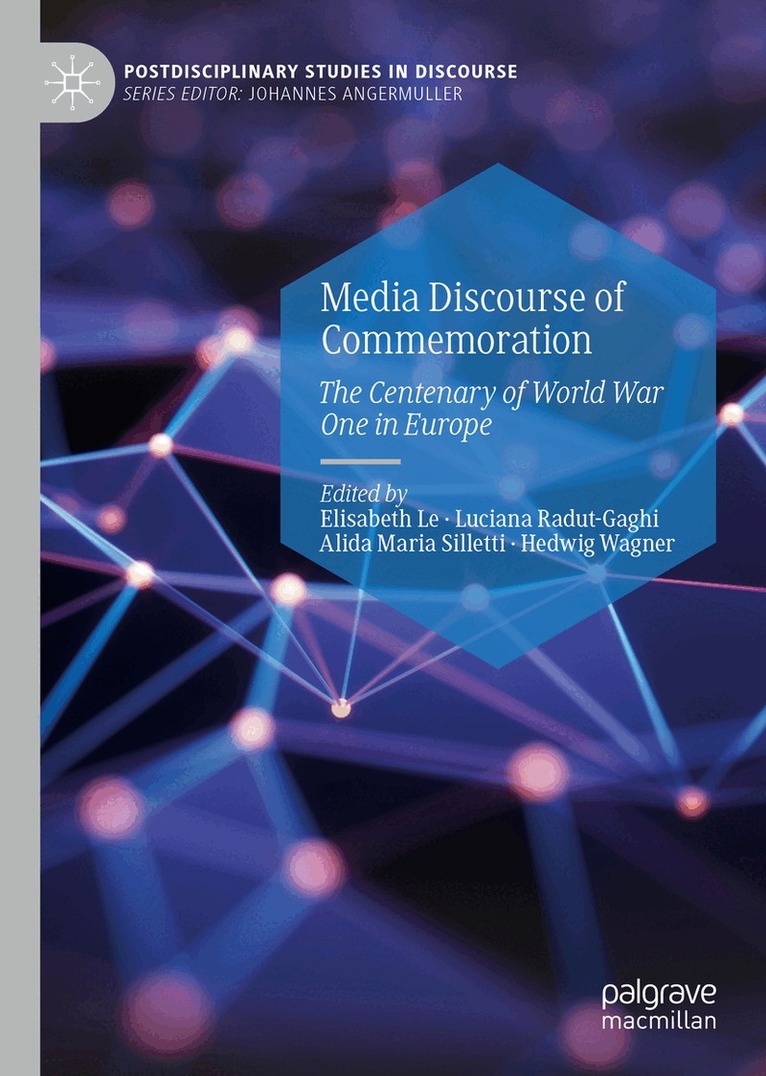
It presents a fluid analysis chain on the commemoration discourse generated by the WWI Armistice Centenary in 2018, and will be of interest not only to scholars of discourse and media studies, but also of European history, cultural memory, journalism and conflict studies.
1 635 kr
Skickas inom 10-15 vardagar
It presents a fluid analysis chain on the commemoration discourse generated by the WWI Armistice Centenary in 2018, and will be of interest not only to scholars of discourse and media studies, but also of European history, cultural memory, journalism and conflict studies.
2 449 kr
Kommande
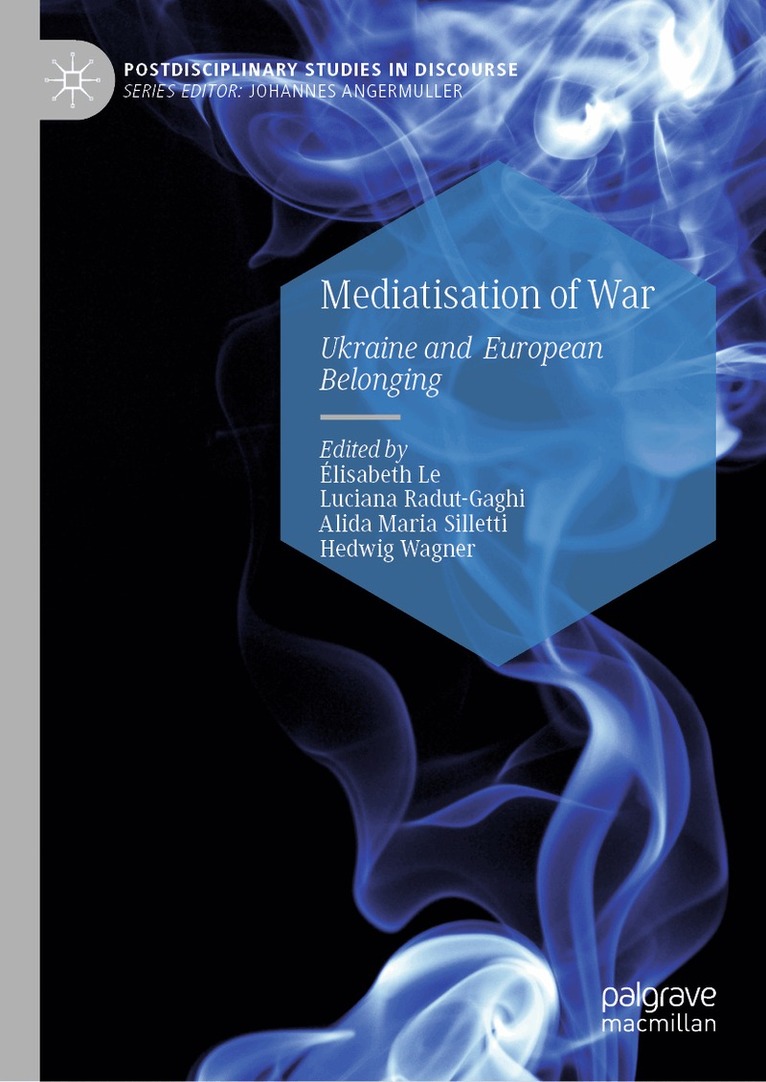
This book explores how crises transform the relationship between individuals, media, and institutions in shaping historical events. Focusing on the outbreak of the war in Ukraine, it examines how media—both traditional and digital—construct narratives that influence public perception and collective memory. Through the lens of Foucault’s concept of dispositif, the authors analyse the diversity of media platforms as instruments for designing discourse, representation, and knowledge.Drawing on extensive research into European media coverage during critical moments—including the 2015 migrant crisis, Brexit, the COVID-19 pandemic, and major commemorations such as the centenary of the 1918 Armistice and the fall of the Berlin Wall—this volume situates the Ukraine conflict within a broader historical and communicative context. It offers unique insights into how European media use platforms like Twitter to shape identity and political discourse at the onset of war.Combining theoretical frameworks with real case studies, this book is an essential resource for scholars and students of media studies, communication, history, and European affairs. It provides a critical guide to understanding the interplay between crisis, media, and the construction of meaning in contemporary society.
1 137 kr
Skickas inom 3-6 vardagar
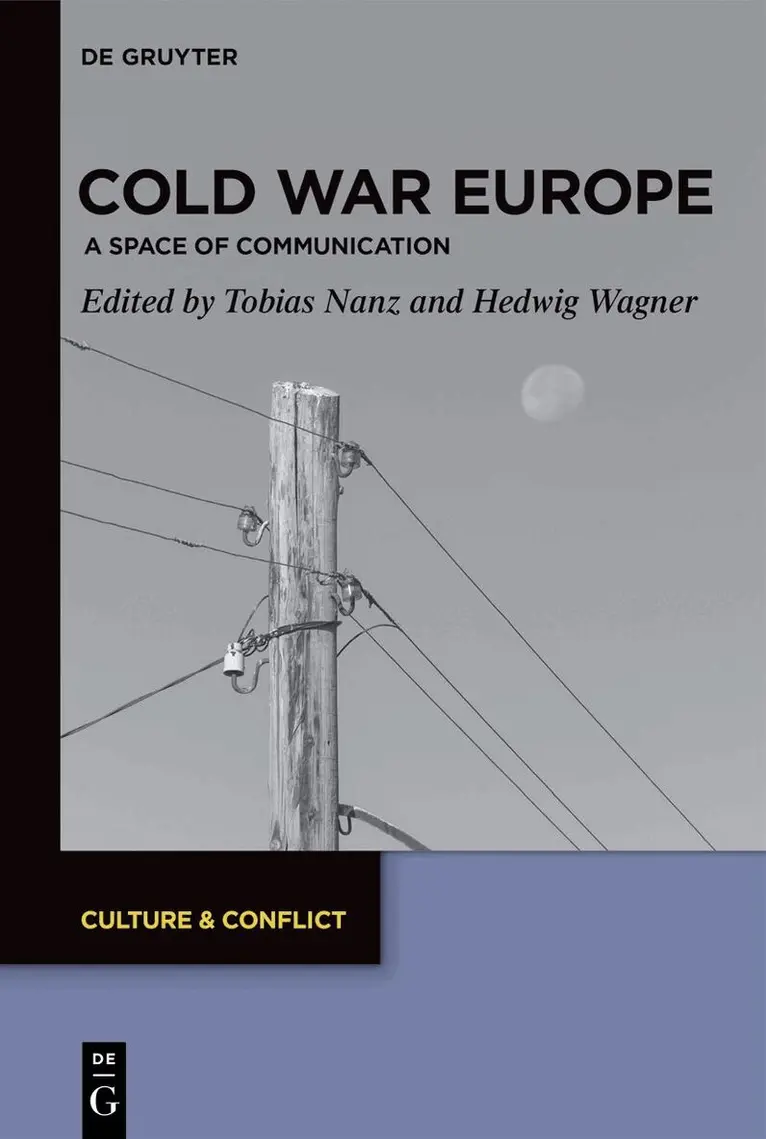
The Cold War is often stereotypically depicted as a period of complete separation between Eastern and Western Europe, a time of little communication and exchange between what is often called the “Eastern bloc” and the capitalist West . European integration, it is thought, was a Western project based on exclusively Western ideas. This edited volume aims to debunk this stereotype. It provides evidence for the numerous media and individuals that contributed to the circulation and exchange of ideas across the ideological divide of the Iron Curtain. The essays in this volume discuss the official and unofficial channels of communication between the Eastern bloc and the West as well as the complex networks of transmission and reception that enabled the exchange of ideas between the two. The first part of the volume examines the communication infrastructure of the Cold War and the role of then available communication technologies. The second hones in on how different media channels, and the radio in particular, were used to form and transmit ideas between East and West, whereas the third and final part looks at how individual artists and literary authors made their voices heard across the Iron Curtain.