
Heikki PatomA¤ki – författare
757 kr
Läs direkt efter köp
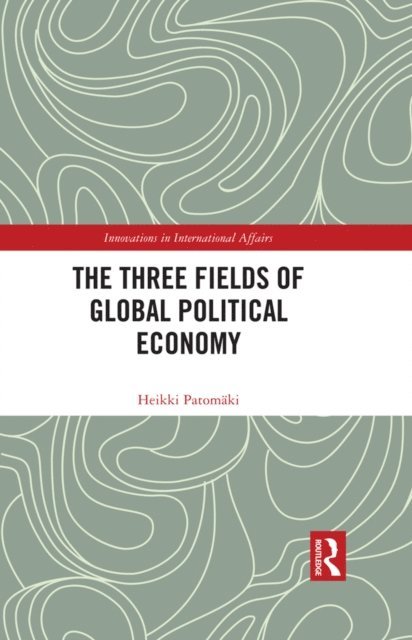
The Three Fields of Global Political Economy provides a systematic and future-oriented account of global political economy dynamics since the Industrial Revolution and argues that major changes and conflicting processes can be understood through the concept of these three fields.
The first field is constituted by the circuit of capital and is characterised by a tendency towards economic liberalism. The second field is brought about by reactions to, and learning from, cycles and crises and various negative experiences. The third field is the field of reason of state. It is evoked by struggles within and among states and has its own inner generative structures. This book analyses the generic dynamics of these three fields of global political economy and explores their most significant causal effects, such as growth, employment, distribution of income and wealth, wars, and ecological effects. Together, the prevailing three fields, as well as the ideas and causal forces which generate them, constitute the "holomovement" of the global political economy.
This book will appeal to advanced students and scholars of global studies, international relations, international political economy, economic theory, and governance, as well as those working in social theory and sociology, and to a broader audience interested in socioeconomics.
730 kr
Läs direkt efter köp
The Three Fields of Global Political Economy provides a systematic and future-oriented account of global political economy dynamics since the Industrial Revolution and argues that major changes and conflicting processes can be understood through the concept of these three fields.
The first field is constituted by the circuit of capital and is characterised by a tendency towards economic liberalism. The second field is brought about by reactions to, and learning from, cycles and crises and various negative experiences. The third field is the field of reason of state. It is evoked by struggles within and among states and has its own inner generative structures. This book analyses the generic dynamics of these three fields of global political economy and explores their most significant causal effects, such as growth, employment, distribution of income and wealth, wars, and ecological effects. Together, the prevailing three fields, as well as the ideas and causal forces which generate them, constitute the "holomovement" of the global political economy.
This book will appeal to advanced students and scholars of global studies, international relations, international political economy, economic theory, and governance, as well as those working in social theory and sociology, and to a broader audience interested in socioeconomics.
824 kr
Läs direkt efter köp
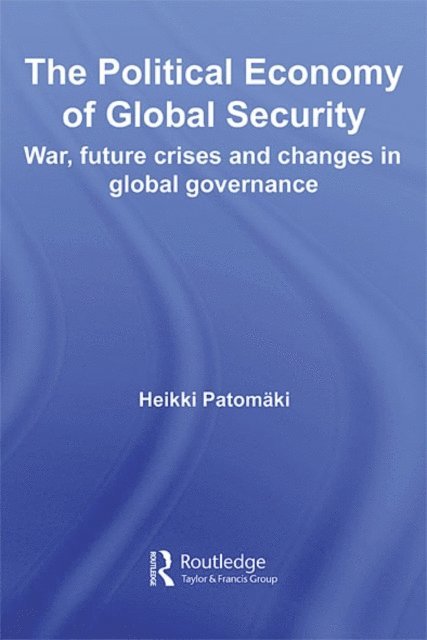
What are the possibilities for and conditions of global security in the 21st century?
This book provides an innovative study of future wars, crises and transformations of the global political economy. It brings together economic theory, political economy, peace and conflict research, philosophy and historical analogy to explore alternatives for the future.
Patomäki develops a bold, original and thought provoking political economy analysis of the late 20th century neo-liberalisation and globalisation and their real effects, which he describes as a 21st century version imperialism. In order for us to understand global security and to anticipate the potential threats and crises, he argues that a holistic understanding and explanation of history is necessary and demonstrates that a systematic causal analysis of structures and processes is required. Putting this theory into practice, Patomäki constructs a comparative explanatory model which traces the rise of imperialism in the late 19th century and culminated in the First World War. He argues that even a partial return to the 19th century ideals and practices is very likely to be highly counterproductive in the 21st century world and could become a recipe for a major global catastrophe.
This book will be of interest to students and scholars of international relations, globalization studies, politics, economics and security studies.
824 kr
Läs direkt efter köp
What are the possibilities for and conditions of global security in the 21st century?
This book provides an innovative study of future wars, crises and transformations of the global political economy. It brings together economic theory, political economy, peace and conflict research, philosophy and historical analogy to explore alternatives for the future.
Patomäki develops a bold, original and thought provoking political economy analysis of the late 20th century neo-liberalisation and globalisation and their real effects, which he describes as a 21st century version imperialism. In order for us to understand global security and to anticipate the potential threats and crises, he argues that a holistic understanding and explanation of history is necessary and demonstrates that a systematic causal analysis of structures and processes is required. Putting this theory into practice, Patomäki constructs a comparative explanatory model which traces the rise of imperialism in the late 19th century and culminated in the First World War. He argues that even a partial return to the 19th century ideals and practices is very likely to be highly counterproductive in the 21st century world and could become a recipe for a major global catastrophe.
This book will be of interest to students and scholars of international relations, globalization studies, politics, economics and security studies.
690 kr
Läs direkt efter köp
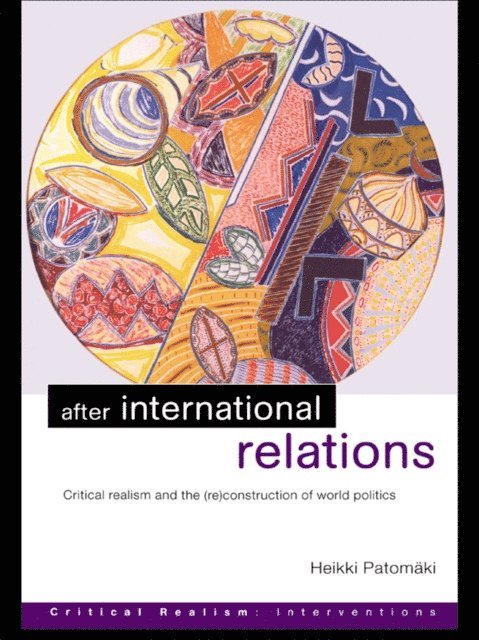
After International Relations articulates a systematic critical realist response to a quest for more emancipatory methodologies in International Relations. Heikki Patomäki here establishes a way out of the international relations problematic which has puzzled so many great thinkers and scholars for the last two hundred years. After International Relations shows how and why theories based on the international problematic have failed; articulates an alternative, critical realist research programme; and illustrates how this research programme can be put to work to enable better research and ethico-political practices.
690 kr
Läs direkt efter köp
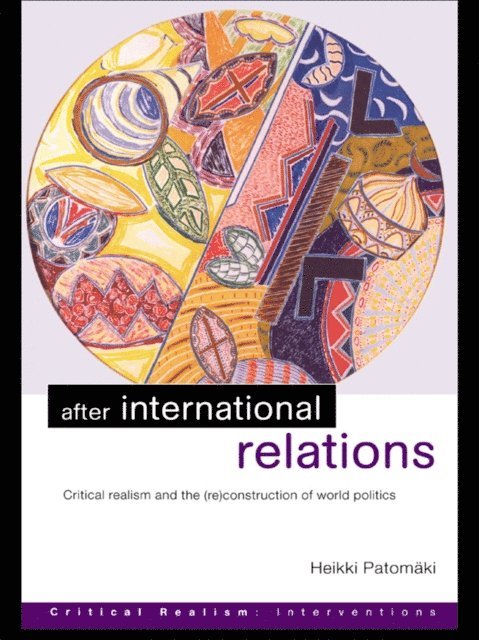
After International Relations articulates a systematic critical realist response to a quest for more emancipatory methodologies in International Relations. Heikki Patomäki here establishes a way out of the international relations problematic which has puzzled so many great thinkers and scholars for the last two hundred years. After International Relations shows how and why theories based on the international problematic have failed; articulates an alternative, critical realist research programme; and illustrates how this research programme can be put to work to enable better research and ethico-political practices.