Heinrich Bartuska – författare
Visar alla böcker från författaren Heinrich Bartuska. Handla med fri frakt och snabb leverans.
4 produkter
4 produkter
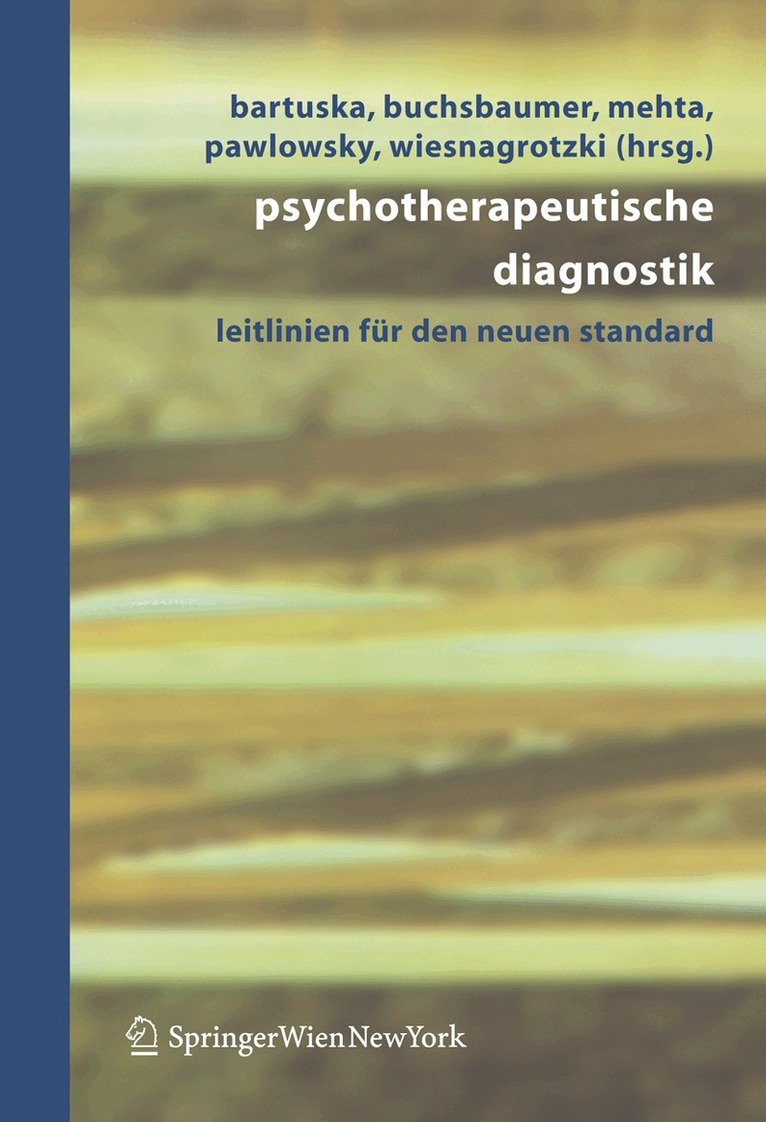
Häftad, Tyska, 2005
784 kr
Skickas inom 10-15 vardagar
Aufgrund unterschiedlicher Vorgangsweisen und Gestaltungsvarianten der verschiedenen Psychotherapiemethoden ist bisher eine einheitliche und konsistente Diagnostik entweder unbeachtet geblieben oder war Streitpunkt wissenschaftlicher Auseinandersetzungen. Erstmals liegt nun eine umfassende, für alle Psychotherapiemethoden geltende psychotherapeutische Diagnostik vor, komplettiert durch methodenspezifische Kommentare zur praktischen Handhabung. Trotz der individuellen Gestaltung der Psychotherapien ist diese psychotherapeutische Diagnostik von allen Psychotherapeuten anwendbar. Die Leitlinien schaffen erstmals Transparenz im diagnostischen Vorgehen für Berufskollegen, Ärzte, angrenzende Gesundheitsberufe und Behörden. Das Buch enthält Leitlinien für die tägliche Praxis, in der die relevanten Standard-Fragen aufgelistet sind. Die Diagnostik wurde schulenübergreifend erarbeitet und vom österreichischen Bundesministeriums für Gesundheit und Frauen beschlossen, und wird bei der WHO eingereicht werden.
E-bok
PDF, Tyska, 2006762 kr
Läs direkt efter köp
Aufgrund unterschiedlicher Vorgangsweisen und Gestaltungsvarianten der verschiedenen Psychotherapiemethoden ist bisher eine einheitliche und konsistente Diagnostik entweder unbeachtet geblieben oder war Streitpunkt wissenschaftlicher Auseinandersetzungen. Erstmals liegt nun eine umfassende, für alle Psychotherapiemethoden geltende psychotherapeutische Diagnostik vor, komplettiert durch methodenspezifische Kommentare zur praktischen Handhabung. Trotz der individuellen Gestaltung der Psychotherapien ist diese psychotherapeutische Diagnostik von allen Psychotherapeuten anwendbar. Die Leitlinien schaffen erstmals Transparenz im diagnostischen Vorgehen für Berufskollegen, Ärzte, angrenzende Gesundheitsberufe und Behörden. Das Buch enthält Leitlinien für die tägliche Praxis, in der die relevanten Standard-Fragen aufgelistet sind. Die Diagnostik wurde schulenübergreifend erarbeitet und vom österreichischen Bundesministeriums für Gesundheit und Frauen beschlossen, und wird bei der WHO eingereicht werden.
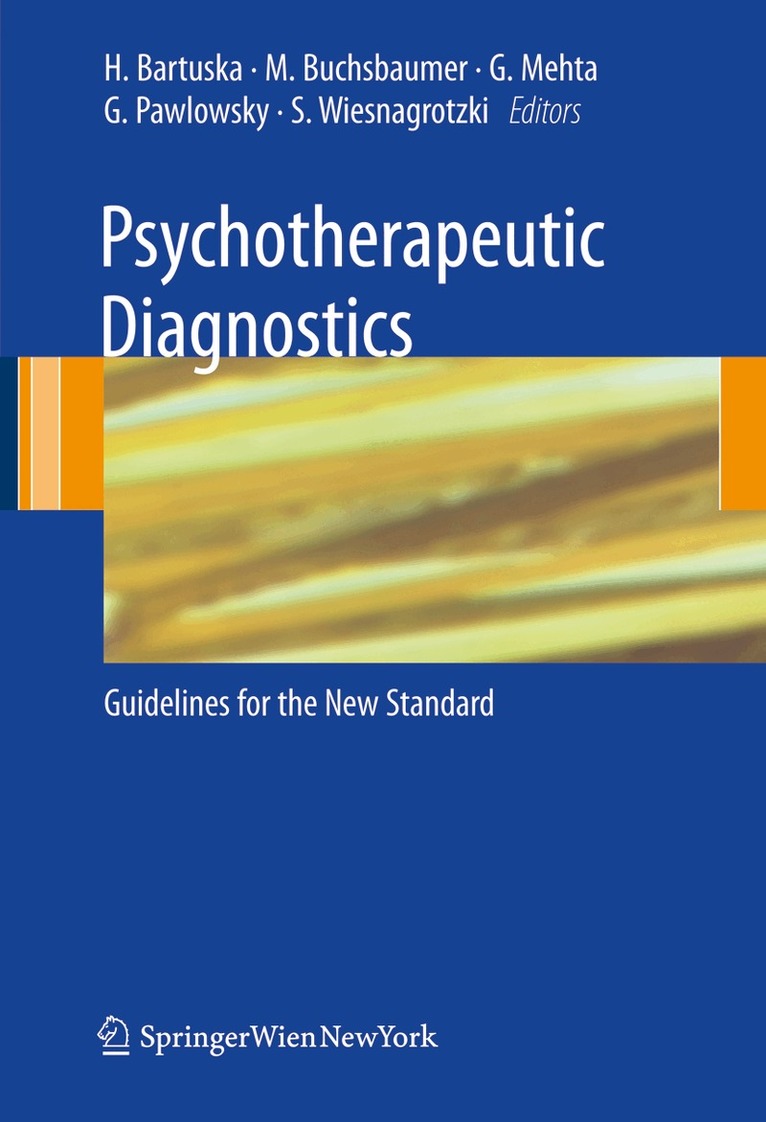
Häftad, Engelska, 2008
1 115 kr
Skickas inom 10-15 vardagar
into account in particular respect of an intercultural and increasingly g- balized world. For what is experienced as painful, deviant, or troublesome is not only subject to individual perception but also to collective states of - consciousness. The diagnostic process may be understood as a form of translation in so far as a patient’s utterances, be they verbal or nonverbal, are transferred to a new code of understanding, a process every communicator is involved in because, as we all know, there is no such thing as non-communication. If in an empathic relational ? eld we manage to decode a patient’s subjective l- guage including that of her symptoms and distress, a new language will crop up which will ? nally explain the text the patient originally came up with. D- ferent visions entail different actions. At best, translating widens the scope of options of the affected individual and, precedingly, her scope of decisi- making. Just as translating from other languages is judged successful only if the hermeneutic depth dimension of a notion has been embraced and c- veyed, the psychotherapeutic process calls for the same prudence: only if we have grasped most of the meaning and the content may we adequately int- pret psychological occurrences and bestow meaning to them.
E-bok
PDF, Engelska, 20081 420 kr
Läs direkt efter köp
into account in particular respect of an intercultural and increasingly g- balized world. For what is experienced as painful, deviant, or troublesome is not only subject to individual perception but also to collective states of - consciousness. The diagnostic process may be understood as a form of translation in so far as a patient’s utterances, be they verbal or nonverbal, are transferred to a new code of understanding, a process every communicator is involved in because, as we all know, there is no such thing as non-communication. If in an empathic relational ? eld we manage to decode a patient’s subjective l- guage including that of her symptoms and distress, a new language will crop up which will ? nally explain the text the patient originally came up with. D- ferent visions entail different actions. At best, translating widens the scope of options of the affected individual and, precedingly, her scope of decisi- making. Just as translating from other languages is judged successful only if the hermeneutic depth dimension of a notion has been embraced and c- veyed, the psychotherapeutic process calls for the same prudence: only if we have grasped most of the meaning and the content may we adequately int- pret psychological occurrences and bestow meaning to them.