Helen Keane – författare
Visar alla böcker från författaren Helen Keane. Handla med fri frakt och snabb leverans.
5 produkter
5 produkter
Häftad, Engelska, 2020
626 kr
Skickas inom 10-15 vardagar
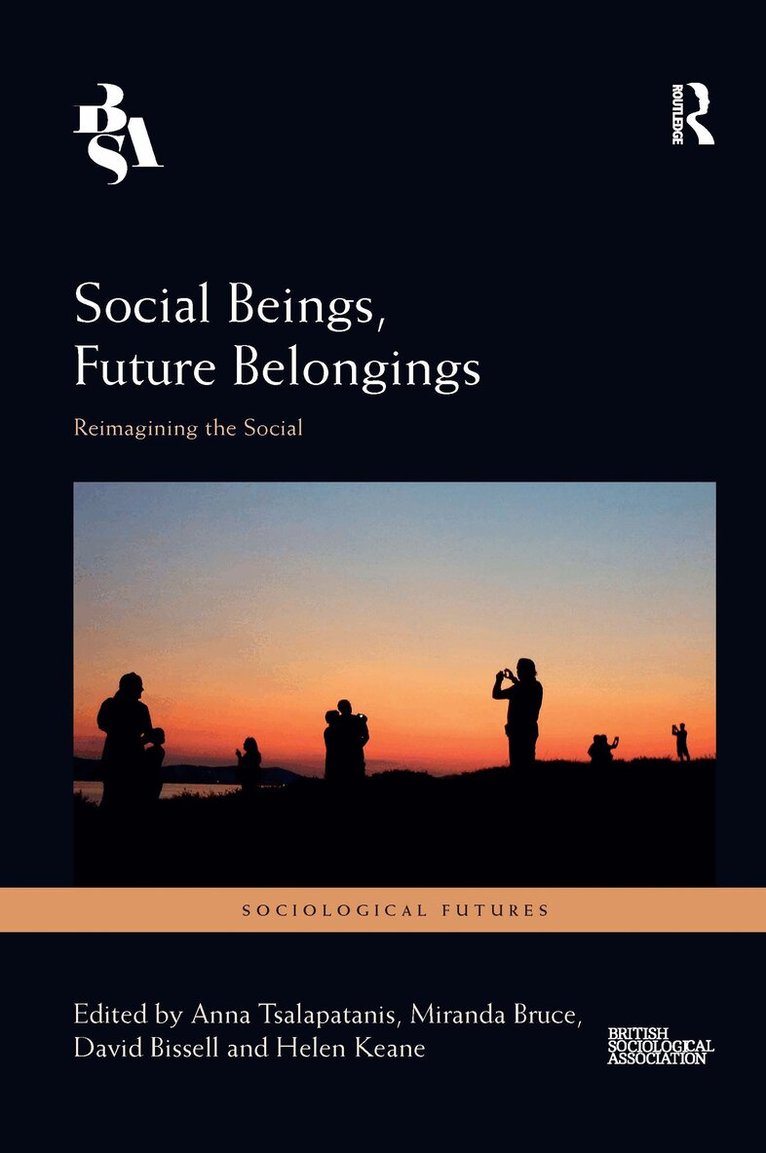
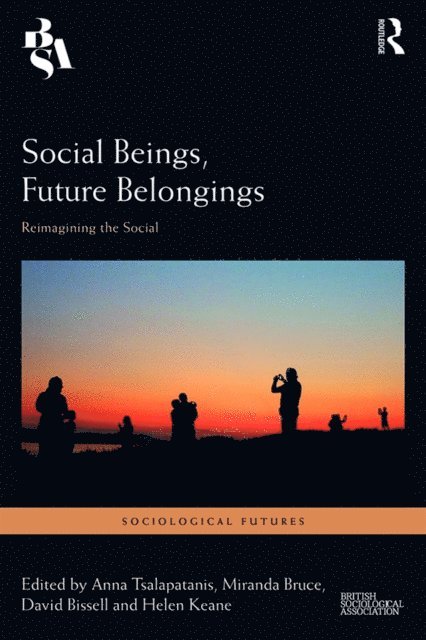
Social Beings, Future Belongings is a collection of sociological essays that address an increasingly relevant matter: what does belonging look like in the twenty-first century? The book critically explores the concept of belonging and how it can respond to contemporary problems in not only the traditional domains of citizenship and migration, but also in detention practices, queer and feminist politics, Australian literature and fashion, technology, housing and rituals. Drawing on examples from Australia, Europe, the United Kingdom and the United States, each topic is examined as a different kind of problem for the future – as a toil, an intensity or a promise. Ultimately, the collection argues that creating new ways to belong in contemporary times means reimagining the traditional terms on which belonging can happen, as well as the social itself. Read on their own, each chapter presents a compelling case study and develops a set of critical tools for encountering the empirical, epistemological and ontological challenges we face today. Read together, they present a diverse imagination that is capable of answering the question of belonging in, to and with the future.Social Beings, Future Belongings shows how belonging is not a static and universal state, but a contingent, emergent and ongoing future-oriented set of practices. Balancing empirical and theoretical work, this book will appeal to researchers, students and practitioners alike.
Häftad, Engelska, 2002
255 kr
Skickas
Addicts are generally regarded with either pity or grave disapproval. But is being addicted to something necessarily bad? We categorise addiction as unnatural, diseased and self-destructive. We demonise pleasure and desire, and view the addict as physically and morally damaged. In asserting that the 'wrongness' of addiction is not fixed or indeed obvious, Helen Keane presents a refreshing challenge to more conventional accounts of addiction. She also investigates the notion that people can be addicted to eating, love and sex, just as they are to drugs and alcohol. What's Wrong with Addiction? shows that most of our ideas about addiction take certain ideals of health and normality for granted. It exposes strains in our society's oppositions between health and disease, between the natural and the artificial, between order and disorder, and between self and other.
Inbunden, Engelska, 2002
1 430 kr
Skickas inom 5-8 vardagar
"Keane's work is thoughtful and thought provoking and incorporates elements of medical history and philosophy."--Psychiatric Services "A theoretically engaging exploration of the arbitrariness of the field of addiction studies." --Robert Granfield, co-author of Coming Clean We assume that there is something wrong with addiction. But how exactly is it bad to be an addict? What's Wrong with Addiction? explores the ways in which our views of addiction categorize certain ways of being as unnatural, diseased, and self-destructive, often working to reinforce existing social hierarchies. Under the rubric of addiction, pleasure and desire are demonized, while the addict is viewed as damaged and in need of physical and moral rectificaiton. Keane examines the ambiguities in medical science's quest to construct addiction in chemical and biological terms, revealing the strains in the oppositions between disease and health, and addiction and normality. She demonstrates how these strains have become more insistent as the net of addiction has spread wider, moving beyond chemical substances to other problems of consumption and conduct such as compulsive eating and sex addiction.The book also critically examines the ideals of health, freedom, and happiness found in popular self-help literature, suggesting that it is the practices of self-surveillance and self-interrogation promoted in recovery guides which actually produce the inner self as an object of concern.
Inbunden, Engelska, 2019
2 139 kr
Skickas inom 10-15 vardagar
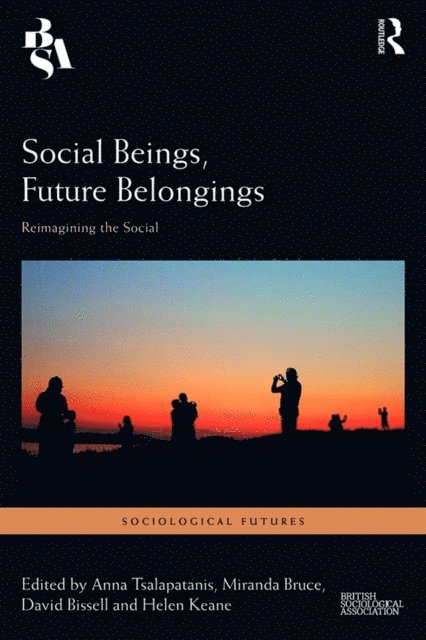
Social Beings, Future Belongings is a collection of sociological essays that address an increasingly relevant matter: what does belonging look like in the twenty-first century? The book critically explores the concept of belonging and how it can respond to contemporary problems in not only the traditional domains of citizenship and migration, but also in detention practices, queer and feminist politics, Australian literature and fashion, technology, housing and rituals. Drawing on examples from Australia, Europe, the United Kingdom and the United States, each topic is examined as a different kind of problem for the future – as a toil, an intensity or a promise. Ultimately, the collection argues that creating new ways to belong in contemporary times means reimagining the traditional terms on which belonging can happen, as well as the social itself. Read on their own, each chapter presents a compelling case study and develops a set of critical tools for encountering the empirical, epistemological and ontological challenges we face today. Read together, they present a diverse imagination that is capable of answering the question of belonging in, to and with the future.Social Beings, Future Belongings shows how belonging is not a static and universal state, but a contingent, emergent and ongoing future-oriented set of practices. Balancing empirical and theoretical work, this book will appeal to researchers, students and practitioners alike.
Inbunden, Engelska, 2026
1 751 kr
Skickas inom 3-6 vardagar
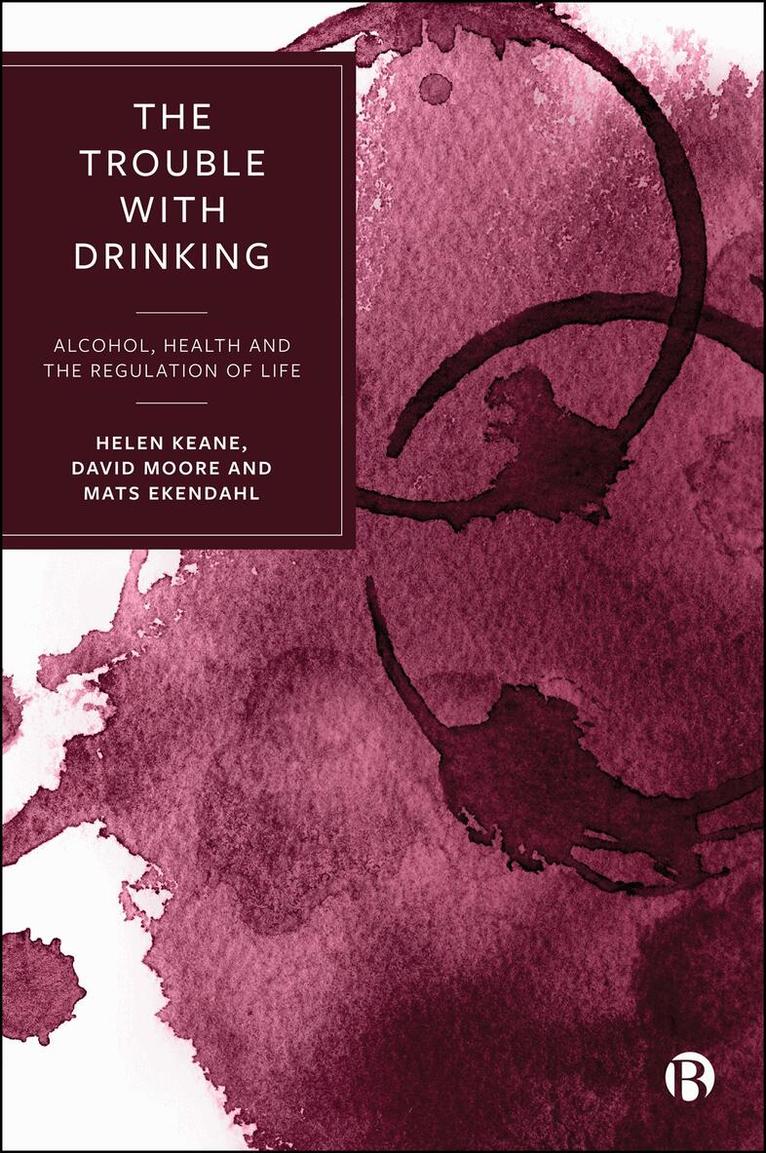
Alcohol is everywhere—in our everyday lives, in public debates and, increasingly, at the centre of public health policy. This book critically examines alcohol as a contemporary research and policy object. It argues that drinking is governed through heavily freighted concepts such as risk, wellbeing, gender and race. The authors interrogate dominant disciplinary sobriety and moderation frameworks, highlighting the overlooked aspects of sociability, pleasure and self-transformation. In scrutinizing the intensifying public health spotlight on alcohol, the authors issue a call to rethink what it means to live “well” in an era when health is both a personal imperative and a regulatory discourse.