Helena Brezinova – författare
Visar alla böcker från författaren Helena Brezinova. Handla med fri frakt och snabb leverans.
2 produkter
2 produkter
E-bok
PDF, Tyska, 2021575 kr
Läs direkt efter köp
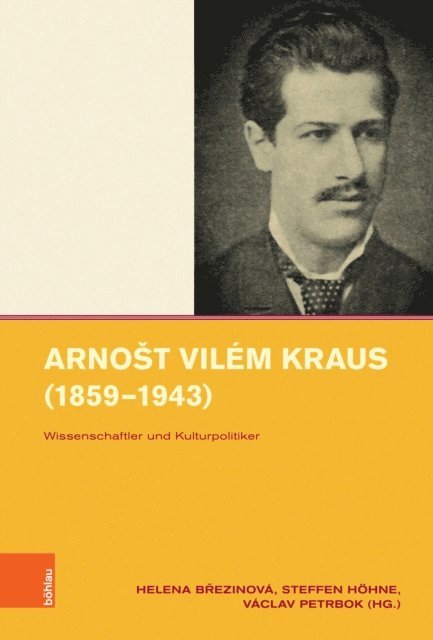
Der Literaturwissenschaftler, Kulturvermittler und Publizist Arnošt Vilém (Ernst Wilhelm) Kraus beschäftigte sich auf vielfältige Weise mit den sozialen und gesellschaftlichen Zusammenhängen in den Böhmischen Ländern, die durch die interkulturelle Zusammensetzung ihrer Bevölkerung geprägt waren. Dabei griff Kraus als Skandinavist und Germanist nicht nur auf den deutsch-tschechischen Vergleich zurück, sondern erweiterte seine Perspektive auch um die skandinavische, die ihm aufgrund seiner wissenschaftlichen Ausbildung zugänglich war. Der engagierte Intellektuelle begriff seine Arbeit über die Wissenschaft hinaus immer auch als eine kulturpolitische Aufgabe. Im von Helena Březinová, Steffen Höhne und Václav Petrbok herausgegebenen Sammelband werden erstmals umfassend die fachlichen Interessen und die publizistische Tätigkeit von Kraus in einem breiteren historischen Kontext vorgestellt und mit Beiträgen zu seiner Biographie und seiner kulturvermittelnden Tätigkeit ergänzt.
Häftad, Engelska, 2023
281 kr
Skickas inom 5-8 vardagar
An examination of representations of human migration in three centuries of Northern European literature. Migration is a frequent topic of many debates nowadays, whether it concerns refugees from war-torn areas or the economic pros and cons of the mobility of multinational corporations and their employees. Yet such migration has always been a part of the human experience, and its dimensions—with its shifting nature, manifestations, and consequences—were often greater than we can imagine today.In this book, ten scholars from Czechia, Denmark, the Netherlands, Norway, Poland, and Sweden focus on how migration has manifested itself in literature and culture through the nineteenth, twentieth, and early twenty-first centuries in Denmark, Norway, Sweden, Finland, and Iceland. Examining the theme of migration as it relates to questions of identity, both national and individual, the authors argue that migration almost always leads to a disturbance of identity and creates a potential for conflicts between individuals and larger groups. The book digs deep into such cases of disturbance, disruption, and hybridization of identity as they are represented in three centuries of literary works from the European North.