Helene A. Shugart – författare
Visar alla böcker från författaren Helene A. Shugart. Handla med fri frakt och snabb leverans.
4 produkter
4 produkter
Inbunden, Engelska, 2016
565 kr
Skickas inom 5-8 vardagar
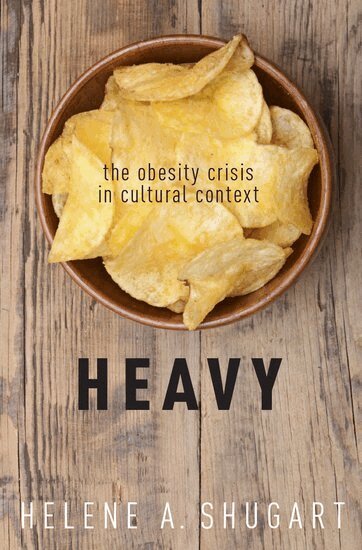
The current "obesity epidemic " has been at the top of the national and, increasingly, global public agenda for the last decade, the subject of extensive and intensive concern, scrutiny, and corrective efforts from various quarters. In the United States, much of this attention is predicated on the "official " discourse, or story, of obesity-that it is a matter of personal responsibility, specifically to the end of monitoring and ensuring appropriate caloric balance. However, even though it continues to have cultural presumption, that discourse does not resonate with the populace, which may explain why efforts of redress have been notoriously ineffective. In this book, the Helene Shugart places obesity in cultural, political, and economic context, arguing that current anxieties regarding obesity reflect the contemporary crisis in neoliberalism, and that the failure of the official discourse of obesity mirrors the failure of neoliberalism more broadly: specifically, to account for authenticity, a powerfully resonant cultural concept today. She chronicles a number of competing discourses of obesity that have arisen in response to the failed official discourse, examining and evaluating each in relation to the idea of authenticity; assessing the practical and behavioral implications of each discourse for both obesity incidence and redress; and establishing the significance of each discourse for negotiating neoliberalism in crisis more broadly.
E-bok
PDF, Engelska, 2016584 kr
Läs direkt efter köp
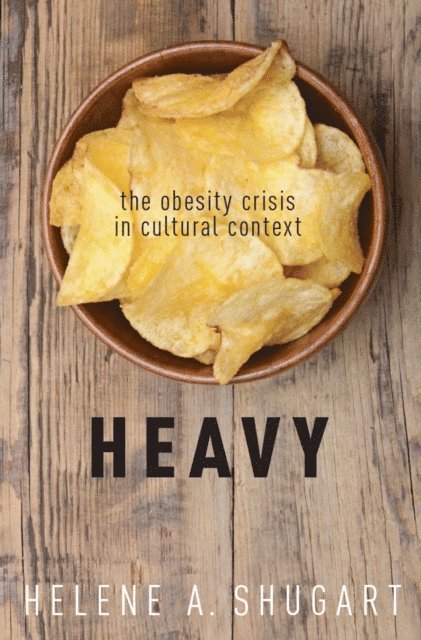
The current "obesity epidemic" has been at the top of the national and, increasingly, global public agenda for the last decade, the subject of extensive and intensive concern, scrutiny, and corrective efforts from various quarters. In the United States, much of this attention is predicated on the "official" discourse, or story, of obesity-that it is a matter of personal responsibility, specifically to the end of monitoring and ensuring appropriate caloric balance. However, even though it continues to have cultural presumption, that discourse does not resonate with the populace, which may explain why efforts of redress have been notoriously ineffective. In this book, Helene Shugart places obesity in cultural, political, and economic context, arguing that current anxieties regarding obesity reflect the contemporary crisis in neoliberalism, and that the failure of the official discourse of obesity mirrors the failure of neoliberalism more broadly: specifically, to account for authenticity, a powerfully resonant cultural concept today. She chronicles a number of competing discourses of obesity that have arisen in response to the failed official discourse, examining and evaluating each in relation to the idea of authenticity; assessing the practical and behavioral implications of each discourse for both obesity incidence and redress; and establishing the significance of each discourse for negotiating neoliberalism in crisis more broadly.
E-bok
Engelska, 2016389 kr
Läs direkt efter köp
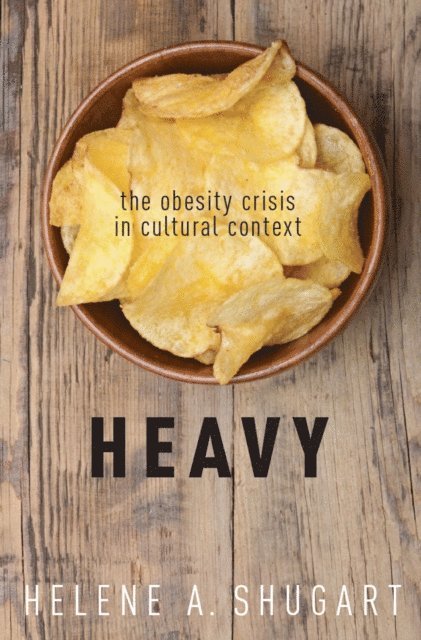
The current "obesity epidemic" has been at the top of the national and, increasingly, global public agenda for the last decade, the subject of extensive and intensive concern, scrutiny, and corrective efforts from various quarters. In the United States, much of this attention is predicated on the "official" discourse, or story, of obesity-that it is a matter of personal responsibility, specifically to the end of monitoring and ensuring appropriate caloric balance. However, even though it continues to have cultural presumption, that discourse does not resonate with the populace, which may explain why efforts of redress have been notoriously ineffective. In this book, Helene Shugart places obesity in cultural, political, and economic context, arguing that current anxieties regarding obesity reflect the contemporary crisis in neoliberalism, and that the failure of the official discourse of obesity mirrors the failure of neoliberalism more broadly: specifically, to account for authenticity, a powerfully resonant cultural concept today. She chronicles a number of competing discourses of obesity that have arisen in response to the failed official discourse, examining and evaluating each in relation to the idea of authenticity; assessing the practical and behavioral implications of each discourse for both obesity incidence and redress; and establishing the significance of each discourse for negotiating neoliberalism in crisis more broadly.
E-bok
Engelska, 2009532 kr
Läs direkt efter köp
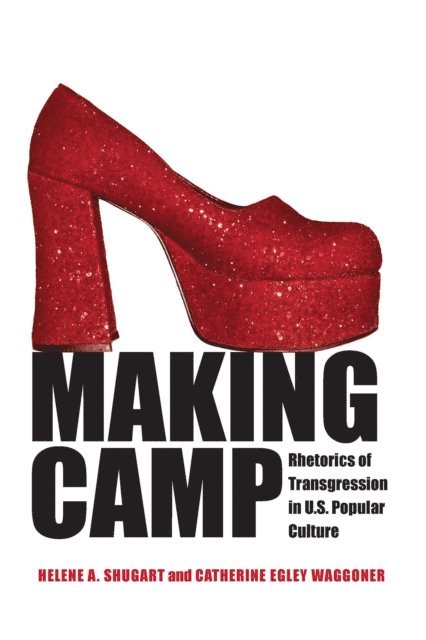
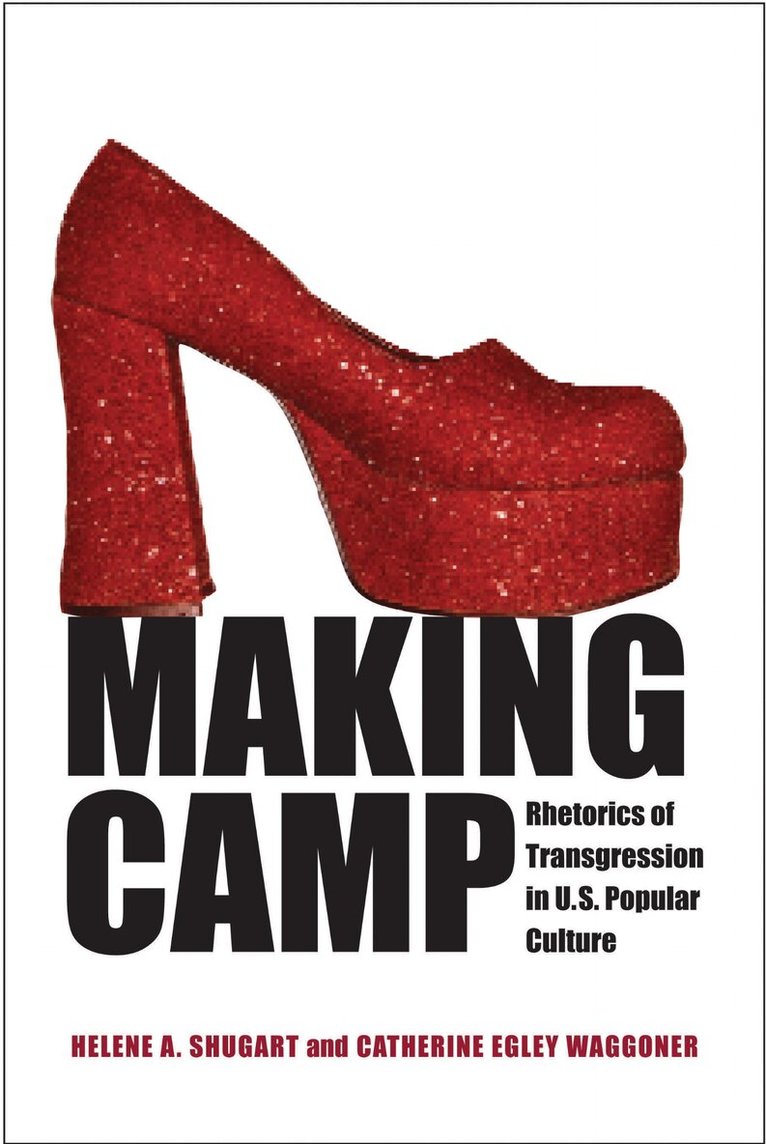
The rhetorical power of camp in American popular culture Making Camp examines the rhetoric and conventions of “camp” in contemporary popular culture and the ways it both subverts and is co-opted by mainstream ideology and discourse, especially as it pertains to issues of gender and sexuality. Camp has long been aligned with gay male culture and performance. Helene Shugart and Catherine Waggoner contend that camp in the popular media—whether visual, dramatic, or musical—is equally pervasive. While aesthetic and performative in nature, the authors argue that camp—female camp in particular—is also highly political and that conventions of femininity and female sexuality are negotiated, if not always resisted, in female camp performances. The authors draw on a wide range of references and figures representative of camp, both historical and contemporary, in presenting the evolution of female camp and its negotiation of gender, political, and identity issues. Antecedents such as Joan Crawford, Wonder Woman, Marilyn Monroe, and Pam Grier are discussed as archetypes for contemporary popular culture figures—Macy Gray, Gwen Stefani, and the characters of Xena from Xena: Warrior Princess and Karen Walker from Will & Grace. Shugart and Waggoner find that these and other female camp performances are liminal, occupying a space between conformity and resistance. The result is a study that demonstrates the prevalence of camp as a historical and evolving phenomenon in popular culture, its role as a site for the rupture of conventional notions of gender and sexuality, and how camp is configured in mainstream culture and in ways that resist its being reduced to merely a style.