Henricus Cornelius Agrippa – författare
Visar alla böcker från författaren Henricus Cornelius Agrippa. Handla med fri frakt och snabb leverans.
3 produkter
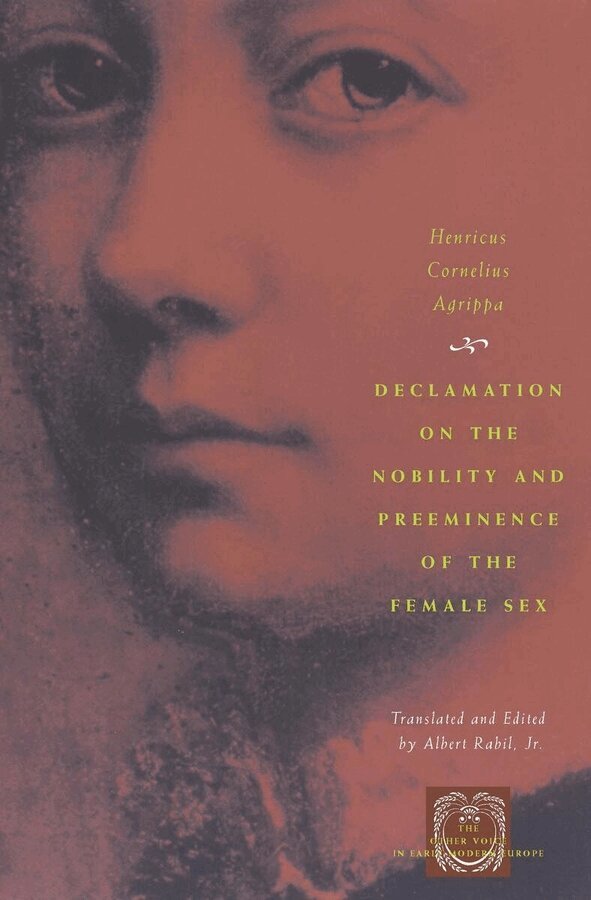
Declamation on the Nobility and Preeminence of the Female Sex
Av Henricus Cornelius Agrippa, Albert Rabil Jr.
Häftad, 1996
344 kr
Lägg i varukorg
Originally published in 1529, this work argues that women are more than equal to men in all things that really matter, including the public spheres from which they have long been excluded. Rather than directly refuting prevailing wisdom, Agrippa uses women's superiority as a rhetorical device and …
Declamation on the Nobility and Preeminence of the Female Sex
Av Henricus Cornelius Agrippa, Albert Rabil Jr.
Inbunden, 1996
985 kr
Lägg i varukorg
Originally published in 1529, this work argues that women are more than equal to men in all things that really matter, including the public spheres from which they have long been excluded. Rather than directly refuting prevailing wisdom, Agrippa uses women's superiority as a rhetorical device and …
Declamation on the Nobility and Preeminence of the Female Sex
Av Henricus Cornelius Agrippa, Albert Rabil Jr.
E-bok, 2007
569 kr
Lägg i varukorg
Originally published in 1529, the Declamation on the Preeminence and Nobility of the Female Sex argues that women are more than equal to men in all things that really matter, including the public spheres from which they had long been excluded. Rather than directly refuting prevailing wisdom, …