Hermann Osthoff – författare
Visar alla böcker från författaren Hermann Osthoff. Handla med fri frakt och snabb leverans.
22 produkter
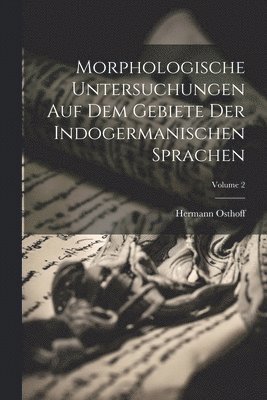
Morphologische Untersuchungen Auf Dem Gebiete Der Indogermanischen Sprachen; Volume 2
Inbunden, 2023
402 kr
Lägg i varukorg
Morphologische Untersuchungen Auf Dem Gebiete Der Indogermanischen Sprachen, Von H. Osthoff Und K. Brugman
Av Karl Brugmann, Hermann Osthoff
Inbunden, 2023
503 kr
Lägg i varukorg
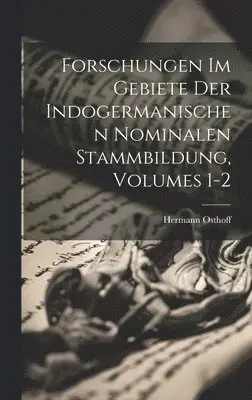
Forschungen Im Gebiete Der Indogermanischen Nominalen Stammbildung, Volumes 1-2
Häftad, 2023
323 kr
Lägg i varukorg
Morphologische Untersuchungen Auf Dem Gebiete Der Indogermanischen Sprachen, Von H. Osthoff Und K. Brugman
Av Karl Brugmann, Hermann Osthoff
Häftad, 2023
388 kr
Lägg i varukorg
Morphologische Untersuchungen Auf Dem Gebiete Der Indogermanischen Sprachen; Volume 2
Häftad, 2023
279 kr
Lägg i varukorg
Forschungen Im Gebiete Der Indogermanischen Nominalen Stammbildung, Volumes 1-2
Inbunden, 2023
446 kr
Lägg i varukorg
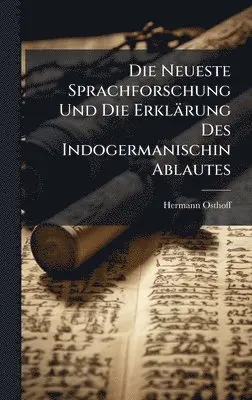
Neueste Sprachforschung Und Die Erklärung Des Indogermanischin Ablautes
Inbunden, 2025
352 kr
Lägg i varukorg
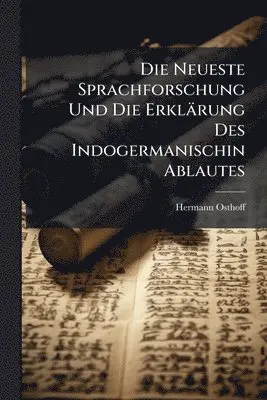
Neueste Sprachforschung Und Die Erklärung Des Indogermanischin Ablautes
Häftad, 2025
171 kr
Lägg i varukorg
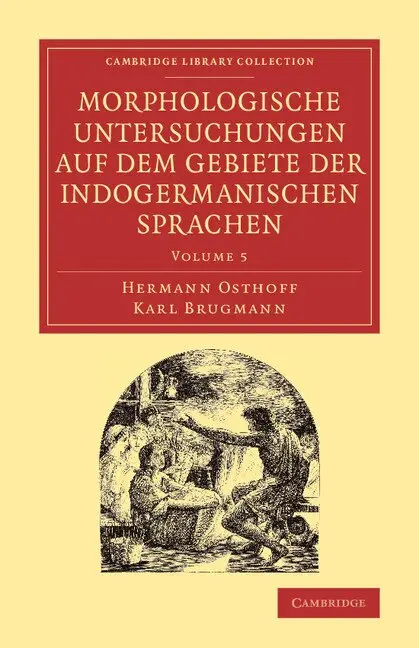
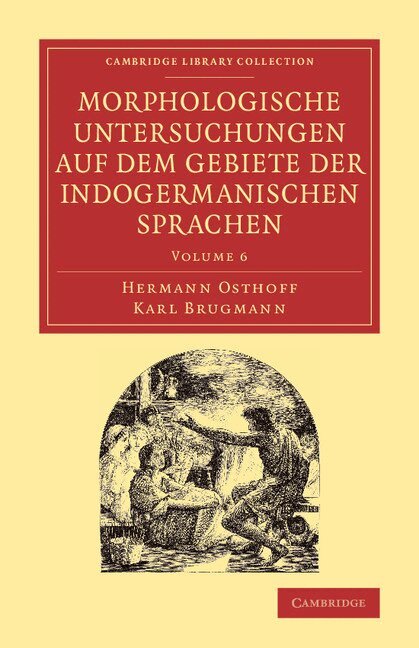
Morphologische Untersuchungen auf dem Gebiete der indogermanischen Sprachen
Av Hermann Osthoff, Karl Brugmann
Häftad, 2014
569 kr
Lägg i varukorg
Hermann Osthoff (1847-1909) and Karl Brugmann (1849-1919) were central figures in the circle of German scholars who rejected a doctrinal approach to the study of linguistics. They came to be known as the Neogrammarian school. At the core of their work was the theory that European languages, …
Morphologische Untersuchungen auf dem Gebiete der indogermanischen Sprachen
Av Hermann Osthoff, Karl Brugmann
Häftad, 2014
435 kr
Lägg i varukorg
Hermann Osthoff (1847-1909) and Karl Brugmann (1849-1919) were central figures in the circle of German scholars who rejected a doctrinal approach to the study of linguistics. They came to be known as the Neogrammarian school. At the core of their work was the theory that European languages, …
Morphologische Untersuchungen auf dem Gebiete der indogermanischen Sprachen
Av Hermann Osthoff, Karl Brugmann
Häftad, 2014
384 kr
Lägg i varukorg
Hermann Osthoff (1847-1909) and Karl Brugmann (1849-1919) were central figures in the circle of German scholars who rejected a doctrinal approach to the study of linguistics. They came to be known as the Neogrammarian school. At the core of their work was the theory that European languages, …
Morphologische Untersuchungen auf dem Gebiete der indogermanischen Sprachen
Av Hermann Osthoff, Karl Brugmann
Häftad, 2014
619 kr
Lägg i varukorg
Hermann Osthoff (1847-1909) and Karl Brugmann (1849-1919) were central figures in the circle of German scholars who rejected a doctrinal approach to the study of linguistics. They came to be known as the Neogrammarian school. At the core of their work was the theory that European languages, …
Morphologische Untersuchungen auf dem Gebiete der indogermanischen Sprachen
Av Hermann Osthoff, Karl Brugmann
Häftad, 2014
451 kr
Lägg i varukorg
Hermann Osthoff (1847-1909) and Karl Brugmann (1849-1919) were central figures in the circle of German scholars who rejected a doctrinal approach to the study of linguistics. They came to be known as the Neogrammarian school. At the core of their work was the theory that European languages, …
Morphologische Untersuchungen auf dem Gebiete der indogermanischen Sprachen
Av Hermann Osthoff, Karl Brugmann
Häftad, 2014
619 kr
Lägg i varukorg
Hermann Osthoff (1847-1909) and Karl Brugmann (1849-1919) were central figures in the circle of German scholars who rejected a doctrinal approach to the study of linguistics. They came to be known as the Neogrammarian school. At the core of their work was the theory that European languages, …
Zur Geschichte Des Perfects Im Indogermanischen
Mit Besonderer Rücksicht Auf Griechisch Und Lateinisch
Inbunden, 1884
3069 kr
Lägg i varukorg
Zur Geschichte des Perfects im Indogermanischen
Mit besonderer Rücksicht auf Griechisch und Lateinisch
E-bok, 2013
2812 kr
Lägg i varukorg
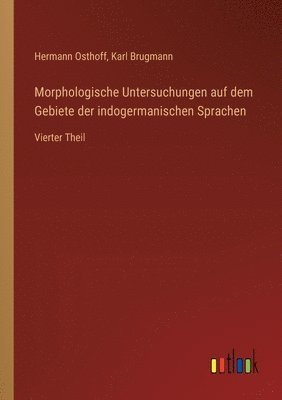
Morphologische Untersuchungen auf dem Gebiete der indogermanischen Sprachen
Vierter Theil
Av Hermann Osthoff, Karl Brugmann
Häftad, 2025
795 kr
Lägg i varukorg
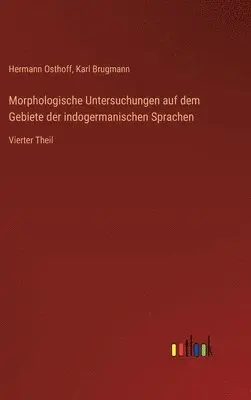
Morphologische Untersuchungen auf dem Gebiete der indogermanischen Sprachen
Vierter Theil
Av Hermann Osthoff, Karl Brugmann
Inbunden, 2025
1108 kr
Lägg i varukorg
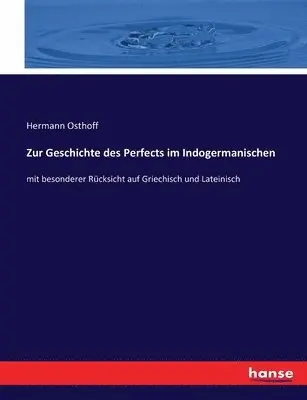
Zur Geschichte des Perfects im Indogermanischen
mit besonderer Rücksicht auf Griechisch und Lateinisch
Häftad, 2017
684 kr
Lägg i varukorg
Zur Geschichte Des Perfects Im Indogermanischen, Mit Besonderer Rücksicht Auf Griechisch Und Lateinish; Von Hermann Osthoff
Inbunden, 2022
529 kr
Tillfälligt slut
Zur Geschichte Des Perfects Im Indogermanischen, Mit Besonderer Rücksicht Auf Griechisch Und Lateinish; Von Hermann Osthoff
Häftad, 2022
398 kr
Tillfälligt slut