H.F. Linskens – författare
Visar alla böcker från författaren H.F. Linskens. Handla med fri frakt och snabb leverans.
7 produkter
7 produkter
Del 21 - Molecular Methods of Plant Analysis
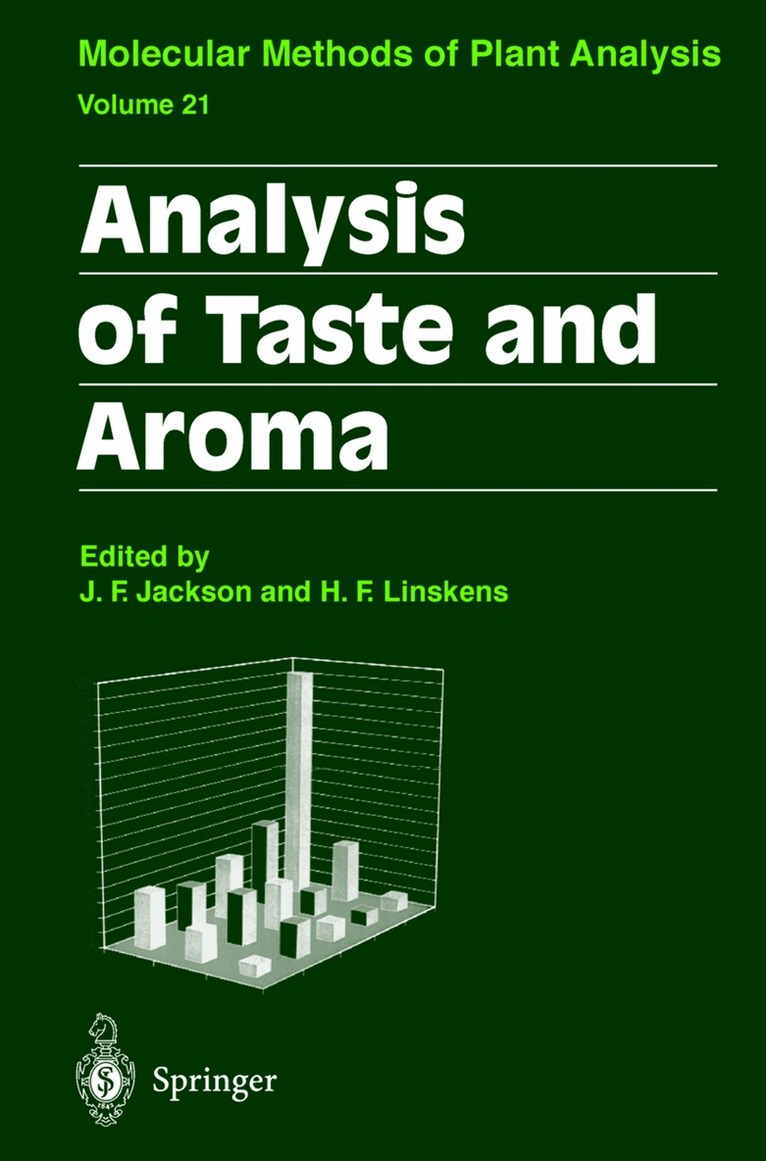
Analysis of Taste and Aroma
Inbunden, Engelska, 2001
1 633 kr
Skickas inom 10-15 vardagar
Molecular Methods of Plant Analysis Concept of the Series The powerful recombinant DNA technology and related developments have had an enormous impact on molecular biology. Any treatment of plant analysis must make use of these new methods. Developments have been so fast and the methods so powerful that the editors of Modern Methods of Plant Analysis have now decided to rename the series Molecular Methods ofPlant Analysis. This will not change the general aims of the series, but best describes the thrust and content of the series as we go forward into the new millennium. This does not mean that all chapters a priori deal only with the methods of molecular biology,but rather that these methods are to be found in many chapters together with the more traditional methods of analysis which have seen recent advances. The numbering of the volumes of the series therefore continues on from 20, which is the most recently published volume under the title Modern Methods ofPlant Analysis. As indicated for previous volumes, the methods to be found in Molecular Methods ofPlantAnalysis are described critically,with hints as to their limitations, references to original papers and authors being given, and the chapters written so that there is little need to consult other texts to carry out the methods of analysis described. All authors have been chosen because of their special experience in handling plant material and/or their expertise with the methods described.
Del 21 - Molecular Methods of Plant Analysis
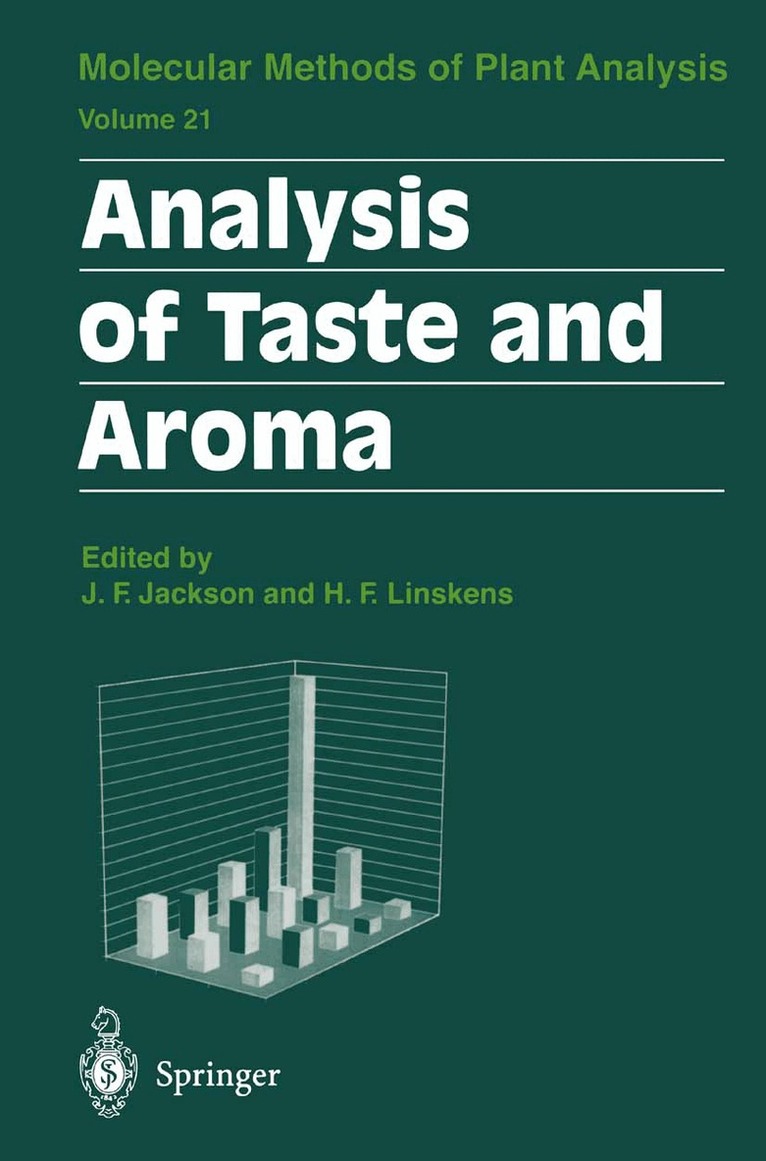
Analysis of Taste and Aroma
Häftad, Engelska, 2010
1 633 kr
Skickas inom 10-15 vardagar
Molecular Methods of Plant Analysis Concept of the Series The powerful recombinant DNA technology and related developments have had an enormous impact on molecular biology. Any treatment of plant analysis must make use of these new methods. Developments have been so fast and the methods so powerful that the editors of Modern Methods of Plant Analysis have now decided to rename the series Molecular Methods ofPlant Analysis. This will not change the general aims of the series, but best describes the thrust and content of the series as we go forward into the new millennium. This does not mean that all chapters a priori deal only with the methods of molecular biology,but rather that these methods are to be found in many chapters together with the more traditional methods of analysis which have seen recent advances. The numbering of the volumes of the series therefore continues on from 20, which is the most recently published volume under the title Modern Methods ofPlant Analysis. As indicated for previous volumes, the methods to be found in Molecular Methods ofPlantAnalysis are described critically,with hints as to their limitations, references to original papers and authors being given, and the chapters written so that there is little need to consult other texts to carry out the methods of analysis described. All authors have been chosen because of their special experience in handling plant material and/or their expertise with the methods described.
E-bok
PDF, Engelska, 20121 408 kr
Läs direkt efter köp
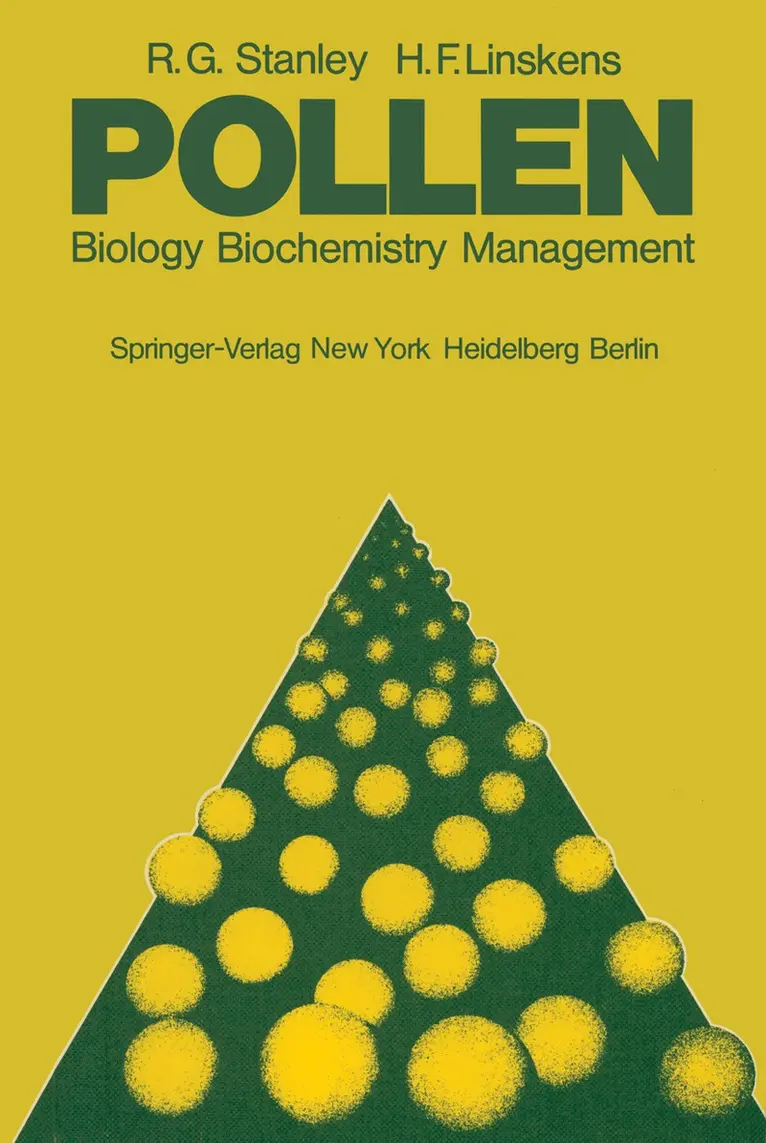
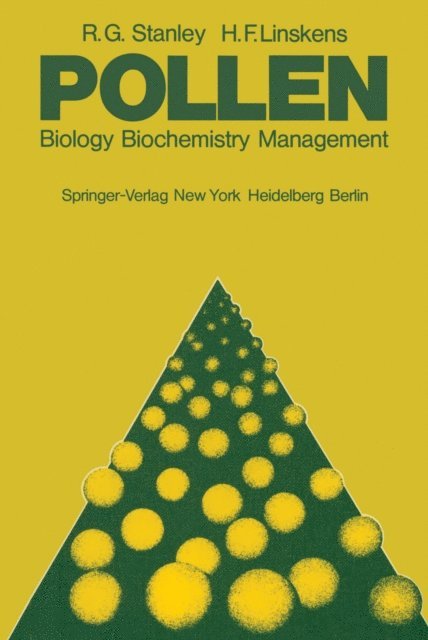
Pollen transmits the male genetic material in sexual reproduction of all higher plants. This same pollen is also well suited as a research tool for studying many patterns of plant and animal metabolism. In addition, an increased knowledge of pollen may help plant breeders accelerate efforts to improve the world''s food and fiber supply. This volume focuses upon pollen biology and chemistry; it attempts to inte grate these facts with management practices involved in pollen applications. People have long been involved with pollen. Pollen applications are recorded in the rites of ancient civilizations (see Frontispiece). From the earliest times many benefits have been attributed to the inclusion of pollen in man''s diet; also, since the mid-19th century air-borne pollen has been recognized as detrimental to many people''s health. Disciplines concerned with man''s cultural history and the earth''s changing ecology find pollen a particularly useful and accessible tool. Identifiable parts of pollen have survived over 100 million years. But most books dealing with pollen are generally concerned with the identification of the plant source, an aspect of the science of palynology; other books emphasize the natural vectors transmit ting pollen, the pollination mechanisms. Very few works include the biochem istry or biology of pollen. Yet extensive studies by physicians, as well as plant breeders and apiculturists, have contributed a sizeable body of research relating to pollen.
Häftad, Engelska, 2011
1 123 kr
Skickas inom 10-15 vardagar
Pollen transmits the male genetic material in sexual reproduction of all higher plants. This same pollen is also well suited as a research tool for studying many patterns of plant and animal metabolism. In addition, an increased knowledge of pollen may help plant breeders accelerate efforts to improve the world's food and fiber supply. This volume focuses upon pollen biology and chemistry; it attempts to inte grate these facts with management practices involved in pollen applications. People have long been involved with pollen. Pollen applications are recorded in the rites of ancient civilizations (see Frontispiece). From the earliest times many benefits have been attributed to the inclusion of pollen in man's diet; also, since the mid-19th century air-borne pollen has been recognized as detrimental to many people's health. Disciplines concerned with man's cultural history and the earth's changing ecology find pollen a particularly useful and accessible tool. Identifiable parts of pollen have survived over 100 million years. But most books dealing with pollen are generally concerned with the identification of the plant source, an aspect of the science of palynology; other books emphasize the natural vectors transmit ting pollen, the pollination mechanisms. Very few works include the biochem istry or biology of pollen. Yet extensive studies by physicians, as well as plant breeders and apiculturists, have contributed a sizeable body of research relating to pollen.
E-bok
PDF, Tyska, 2013692 kr
Läs direkt efter köp
Die papierchromatographische Methode hat auf Grund ihres relativ geringen apparativen Aufwandes, des zu erzielenden hohen Trenneffektes und der zur Analyse benötigten geringen Substanzmengen neue Aspekte für die biochemische Analyse im biologischen Laboratorium geboten. Zahlreiche Probleme sind in Angriff genommen worden, die auf Grund des geringen zur Verfügung stehenden Ausgangsmaterials einer experi mentellen Untersuchung früher nicht zugänglich waren. Vorliegende Dar stellung bringt in 2. Auflage die Anwendung papierchromatographischer Techniken für diejenigen Substanzen, die im Rahmen botanisch-bio chemischer Fragestellungen von Interesse sind. Die Bearbeiter verfügen jeweils über eigene experimentelle Erfahrung im Bereich der dargestellten Stoffgruppe. Die Methoden und ihre Anwendung auf pflanzliche Objekte sind so ausführlich dargestellt, daß ein Nacharbeiten im allgemeinen ohne Hinzuziehen der Originalliteratur möglich ist. Es wurde wiederum nicht angestrebt, alle bisher beschriebenen Methoden zu erfassen. Vielmehr sind die brauchbarsten und erprobten Arbeitsgänge unter besonderer Berück sichtigung der Aufarbeitungsverfahren zusammengetragen. Bezüglich einer ausführlichen theoretischen Grundlegung und der zahlreichen ständig neu entwickelten apparativen Möglichkeiten sei auf die zusammenfassenden Darstellungen in der Bibliographie verwiesen. Mit allem Nachdruck muß wiederum auf die Grenze der papier chromatographischen Methodik hingewiesen werden. Es hat sich in den vergangenen Jahren gezeigt, daß sie zwar eine bedeutsame Erweiterung des methodischen Repertoirs besonders für den Biologen darstellt, jedoch keineswegs die klassischen Verfahren der Mikroanalyse überflüssig macht.
Häftad, Tyska, 2012
842 kr
Skickas inom 10-15 vardagar
Die papierchromatographische Methode hat auf Grund ihres relativ geringen apparativen Aufwandes, des zu erzielenden hohen Trenneffektes und der zur Analyse benötigten geringen Substanzmengen neue Aspekte für die biochemische Analyse im biologischen Laboratorium geboten. Zahlreiche Probleme sind in Angriff genommen worden, die auf Grund des geringen zur Verfügung stehenden Ausgangsmaterials einer experi mentellen Untersuchung früher nicht zugänglich waren. Vorliegende Dar stellung bringt in 2. Auflage die Anwendung papierchromatographischer Techniken für diejenigen Substanzen, die im Rahmen botanisch-bio chemischer Fragestellungen von Interesse sind. Die Bearbeiter verfügen jeweils über eigene experimentelle Erfahrung im Bereich der dargestellten Stoffgruppe. Die Methoden und ihre Anwendung auf pflanzliche Objekte sind so ausführlich dargestellt, daß ein Nacharbeiten im allgemeinen ohne Hinzuziehen der Originalliteratur möglich ist. Es wurde wiederum nicht angestrebt, alle bisher beschriebenen Methoden zu erfassen. Vielmehr sind die brauchbarsten und erprobten Arbeitsgänge unter besonderer Berück sichtigung der Aufarbeitungsverfahren zusammengetragen. Bezüglich einer ausführlichen theoretischen Grundlegung und der zahlreichen ständig neu entwickelten apparativen Möglichkeiten sei auf die zusammenfassenden Darstellungen in der Bibliographie verwiesen. Mit allem Nachdruck muß wiederum auf die Grenze der papier chromatographischen Methodik hingewiesen werden. Es hat sich in den vergangenen Jahren gezeigt, daß sie zwar eine bedeutsame Erweiterung des methodischen Repertoirs besonders für den Biologen darstellt, jedoch keineswegs die klassischen Verfahren der Mikroanalyse überflüssig macht.
E-bok
PDF, Engelska, 20132 036 kr
Läs direkt efter köp
Molecular Methods of Plant Analysis Concept of the Series The powerful recombinant DNA technology and related developments have had an enormous impact on molecular biology. Any treatment of plant analysis must make use of these new methods. Developments have been so fast and the methods so powerful that the editors of Modern Methods of Plant Analysis have now decided to rename the series Molecular Methods ofPlant Analysis. This will not change the general aims of the series, but best describes the thrust and content of the series as we go forward into the new millennium. This does not mean that all chapters a priori deal only with the methods of molecular biology,but rather that these methods are to be found in many chapters together with the more traditional methods of analysis which have seen recent advances. The numbering of the volumes of the series therefore continues on from 20, which is the most recently published volume under the title Modern Methods ofPlant Analysis. As indicated for previous volumes, the methods to be found in Molecular Methods ofPlantAnalysis are described critically,with hints as to their limitations, references to original papers and authors being given, and the chapters written so that there is little need to consult other texts to carry out the methods of analysis described. All authors have been chosen because of their special experience in handling plant material and/or their expertise with the methods described.