Hilary Howes – författare
Visar alla böcker från författaren Hilary Howes. Handla med fri frakt och snabb leverans.
6 produkter
Repatriation, Science and Identity
Av Cressida Fforde, Hilary Howes m. fl.
Inbunden, 2023
2578 kr
Lägg i varukorg
Repatriation, Science, and Identity explores the entanglement of race, history, identity and ethics inherent in the application of scientific techniques to determine the provenance of Indigenous Ancestral Remains in repatriation claims and processes. The book considers how these issues relate to …
Repatriation, Science and Identity
Av Cressida Fforde, Hilary Howes m. fl.
Häftad, 2025
704 kr
Lägg i varukorg
Repatriation, Science, and Identity explores the entanglement of race, history, identity and ethics inherent in the application of scientific techniques to determine the provenance of Indigenous Ancestral Remains in repatriation claims and processes. The book considers how these issues relate to …
Repatriation, Science and Identity
Av Lyndon Ormond-Parker, Gareth Knapman m. fl.
E-bok, 2023
802 kr
Lägg i varukorg
Repatriation, Science, and Identity explores the entanglement of race, history, identity and ethics inherent in the application of scientific techniques to determine the provenance of Indigenous Ancestral Remains in repatriation claims and processes. The book considers how these issues relate to …
Repatriation, Science and Identity
Av Lyndon Ormond-Parker, Gareth Knapman m. fl.
E-bok, 2023
802 kr
Lägg i varukorg
Repatriation, Science, and Identity explores the entanglement of race, history, identity and ethics inherent in the application of scientific techniques to determine the provenance of Indigenous Ancestral Remains in repatriation claims and processes. The book considers how these issues relate to …
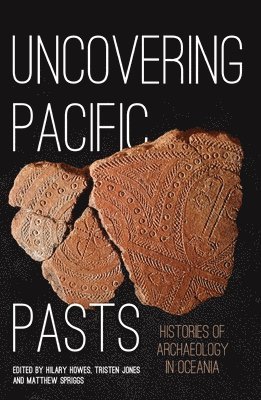
Uncovering Pacific Pasts: Histories of Archaeology in Oceania
Av Hilary Howes, Tristen Jones
Häftad, 2022
757 kr
Lägg i varukorg
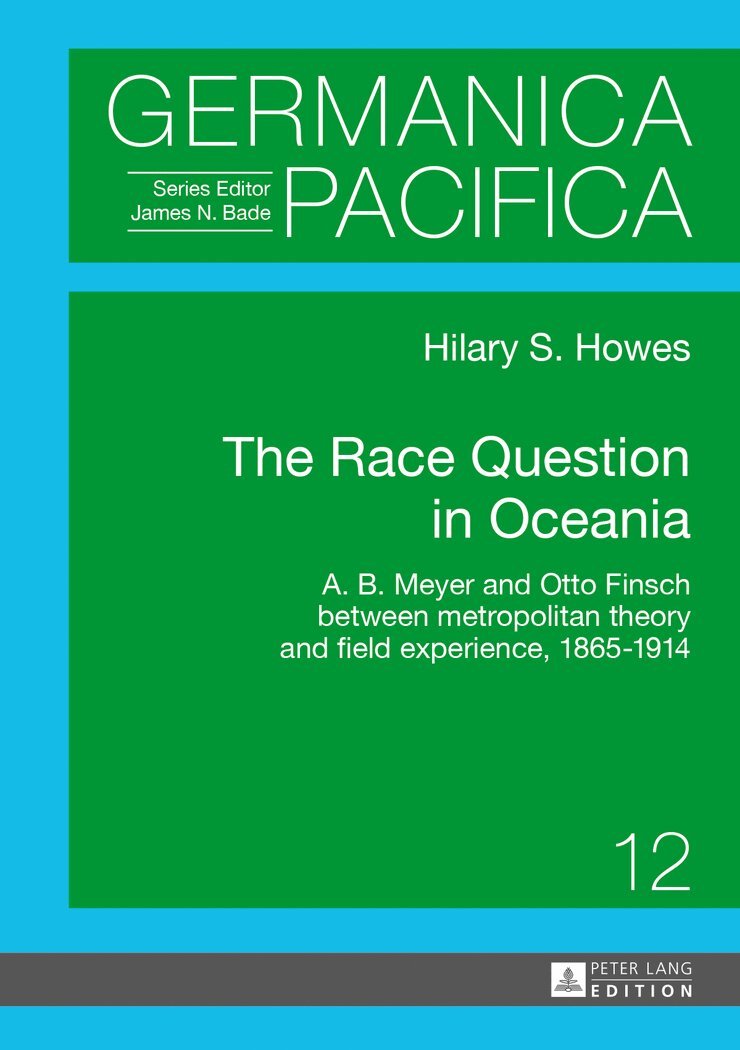
Race Question in Oceania
A. B. Meyer and Otto Finsch between metropolitan theory and field experience, 1865–1914
Av Hilary Howes
Inbunden, 2013
1001 kr
Lägg i varukorg
In 1873 the German naturalist A.B. Meyer spent five months in New Guinea. He had expected «bloodthirsty and untamed savages» and was amazed to find «men of milder customs». His compatriot Otto Finsch returned from a voyage through Hawaii, Micronesia, New Zealand and Torres Strait declaring …