Hiroki Nomoto - Böcker
Visar alla böcker från författaren Hiroki Nomoto. Handla med fri frakt och snabb leverans.
6 produkter
6 produkter
594 kr
Skickas inom 10-15 vardagar
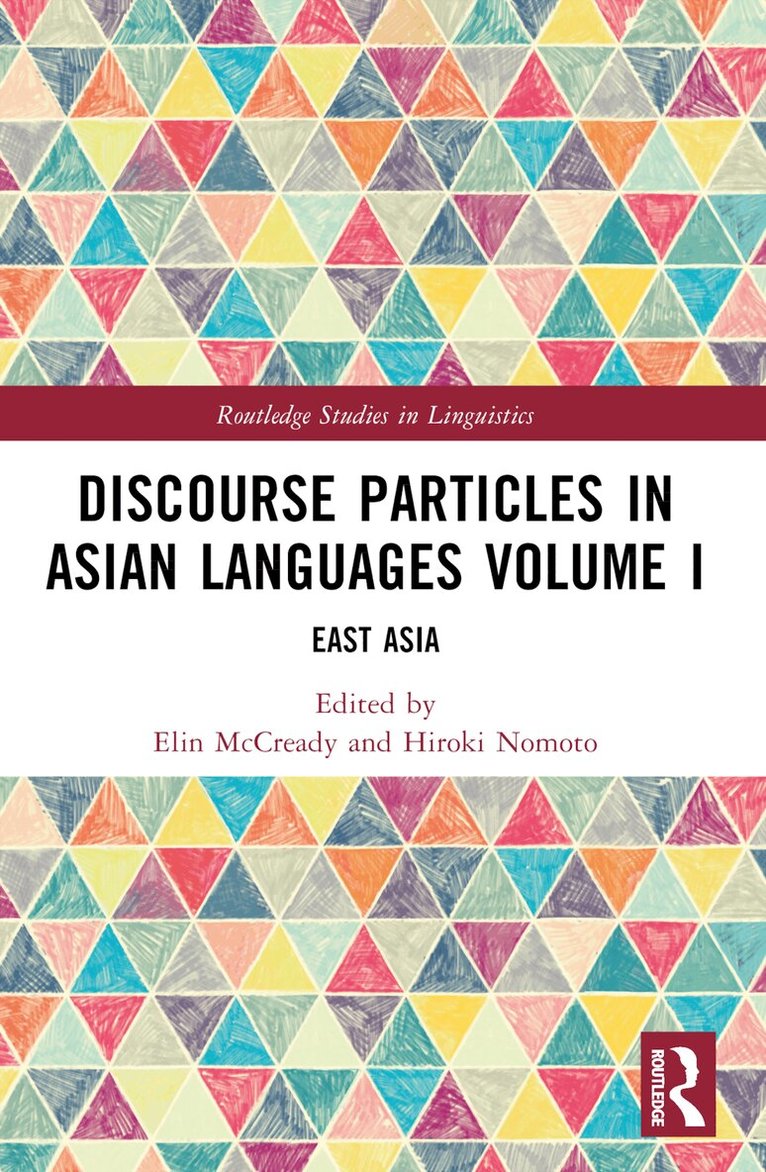
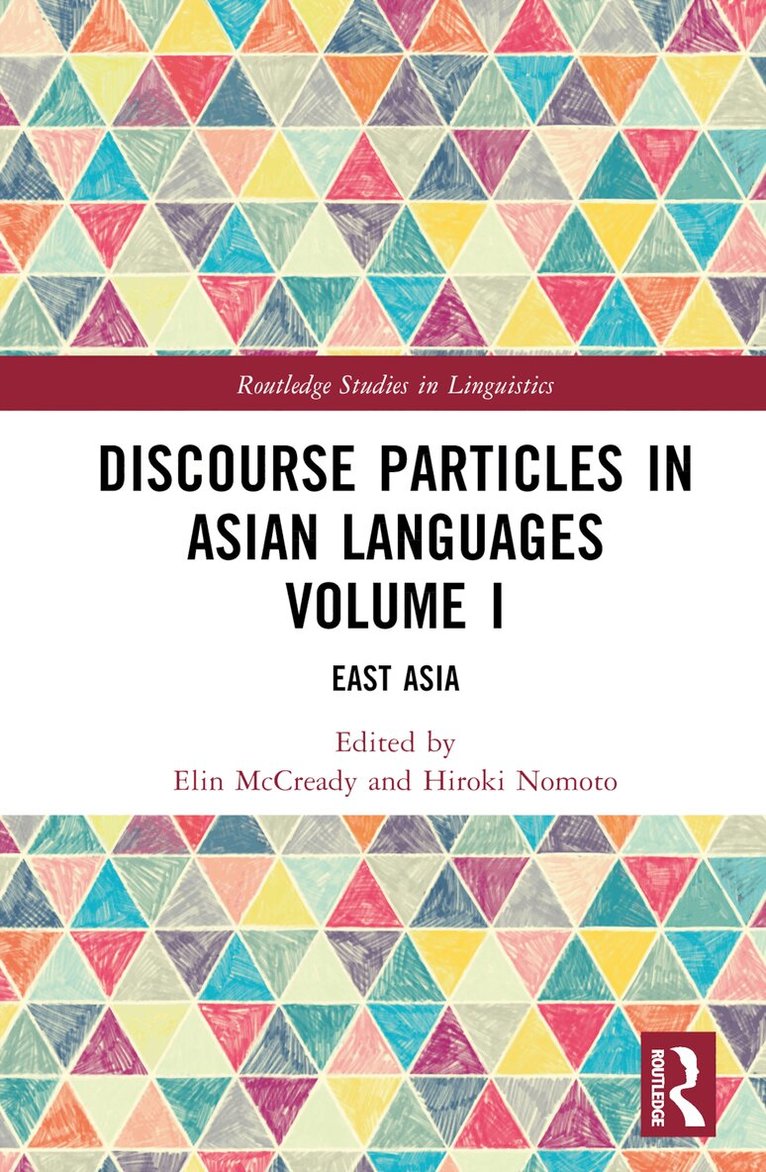
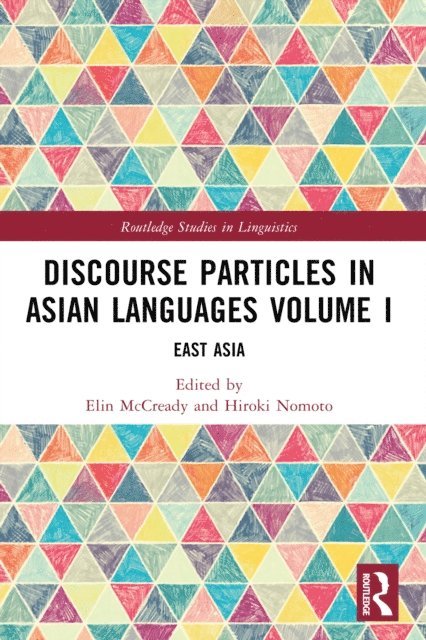
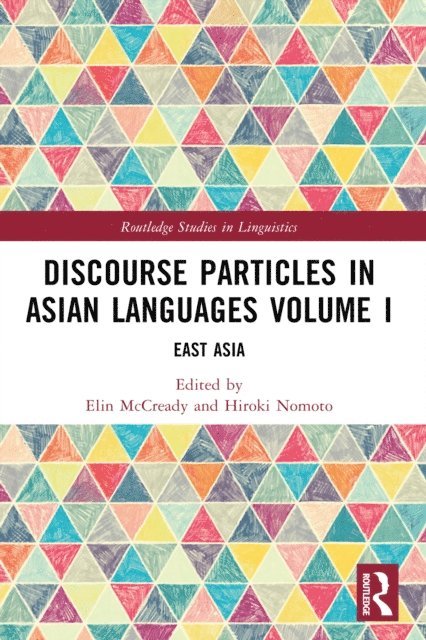
This is the first of two volumes of research on discourse particles focusing exclusively on the languages of Asia from the perspective of formal as well as non-formal semantics and pragmatics.Within linguistics, there has been a great deal of interest in discourse particles, especially within semantics and pragmatics. The term ‘discourse particles’ has been used to cover a broad range of phenomena, including such things as ‘sentence-final particles,’ ‘discourse adverbs,’ and other related phenomena. However, most research in the area (particularly within formal semantics and pragmatics) focuses on a restricted set of languages, and there is little consensus on the proper formal treatment of particles, partly due to the limited range of data available.In recent years, there has been extensive development of the formal approach to discourse particles, which often treats these words as devices for marking information updates. It is also vital to extend this data to non-Western languages like Japanese, Korean, or Chinese. This edited volume includes chapters on Japanese, Mandarin, Tagalog, Kimaragang Dusun, Malay, Singlish, Thai, and Vietnamese. The chapters are informed by recent theoretical work in formal semantics and pragmatics relating to the meaning of particles. The collection contributes to our theoretical understanding of the meaning of discourse particles and to empirical knowledge of discourse particles in the languages of Asia. It will be of interest to postgraduate students and scholars of semantics and pragmatics.
594 kr
Skickas inom 10-15 vardagar
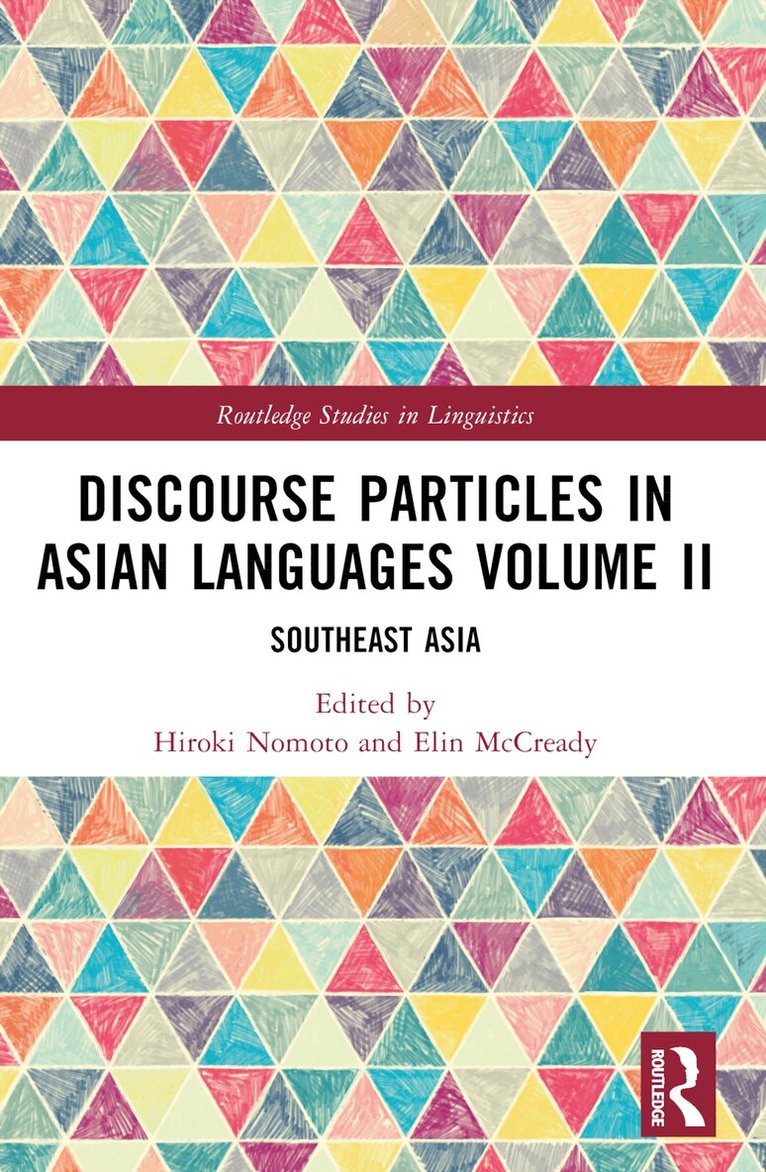
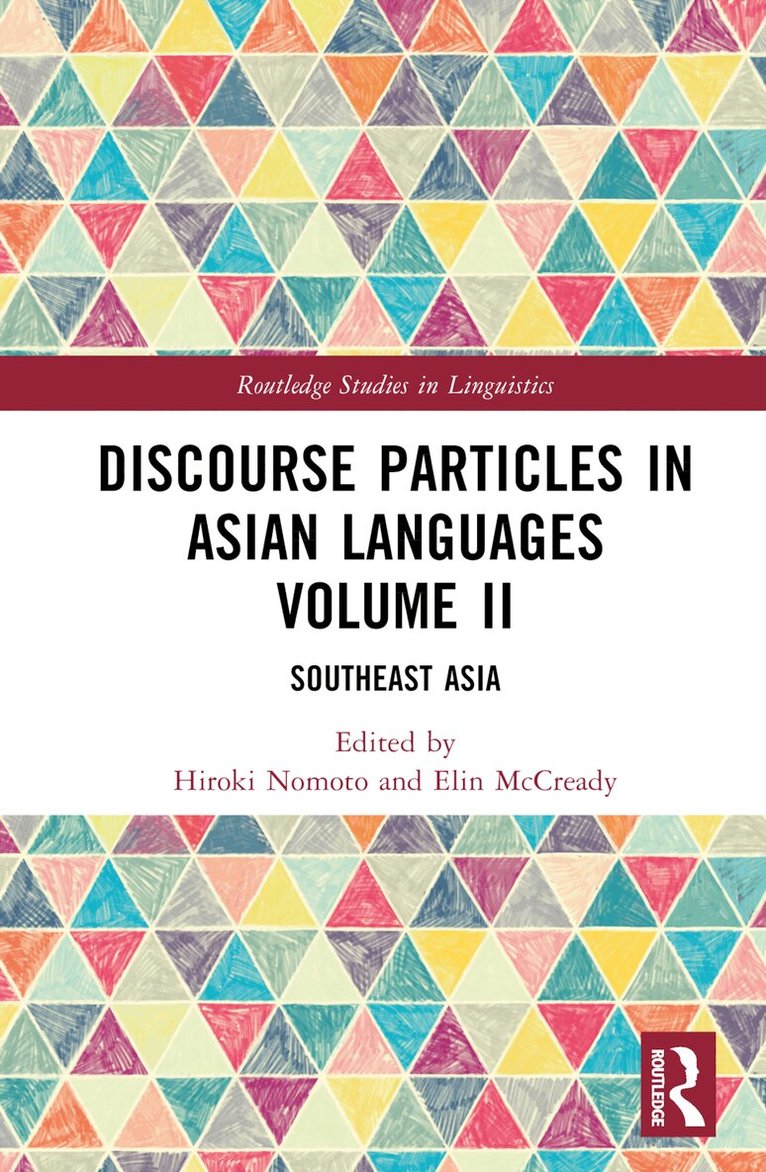
This volume is the second in a two-part collection of research on discourse particles focusing exclusively on the languages of Asia from the perspective of formal as well as non-formal semantics and pragmatics.Despite increasing interest in discourse particles, most research in the area (particularly within formal semantics and pragmatics) focuses on a restricted set of languages, and there has been little consensus on the proper formal treatment of particles. The term "discourse particles" has been used to cover a broad range of phenomena, including such things as "sentence-final particles," "discourse adverbs," and other related phenomena. In recent years, there has been extensive development of the formal approach to discourse particles, which often treats these words as devices for marking information updates. It is vital however, to extend this data to non-Western languages, like Malay, Thai, or Vietnamese. These two volumes are the first to give an exclusive focus on particles in non-European languages (in this case, Asian languages), from the perspective of formal and non-formal semantics and pragmatics. This second volume includes chapters on Tagalog, Kimaragang Dusun (Malaysia), Malay, Singlish (Colloquial Singapore English), Thai, and Vietnamese. The chapters are informed by recent theoretical work in formal and non-formal semantics and pragmatics relating to the meaning of particles. The collection contributes to our theoretical understanding of the meaning of discourse particles and to empirical knowledge of discourse particles in the languages of Asia. It will be of interest to postgraduate students and scholars of semantics and pragmatics.
4 692 kr
Skickas inom 10-15 vardagar
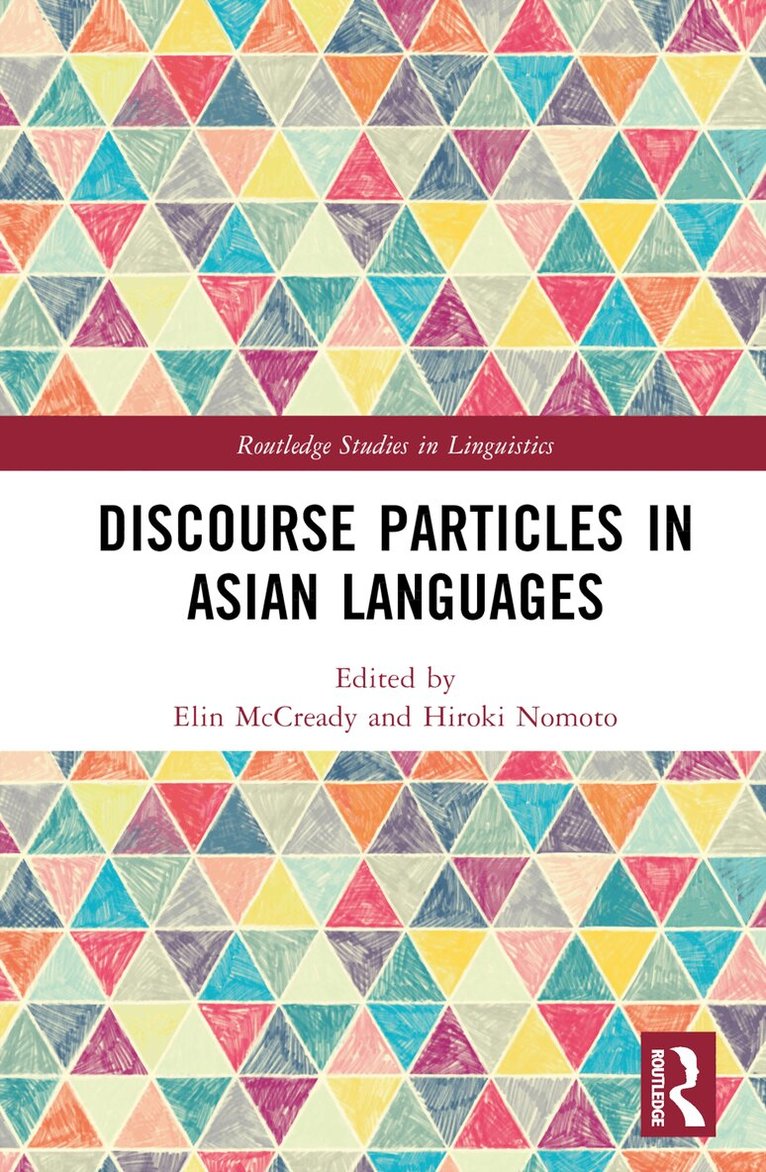
Within linguistics, there has been a great deal of interest in discourse particles for some time now, especially within semantics and pragmatics. The term ‘discourse particles’ has been used to cover a broad range of phenomena, including such things as ‘sentence final particles,’ ‘discourse adverbs’ and other related phenomena. However, most research in the area (particularly within formal semantics and pragmatics) focuses on a restricted set of languages, and there is little consensus on the proper formal treatment of particles, partly due to the limited range of data available.In recent years, there has been extensive development of the formal approach to discourse particles, which often treats these words as devices for marking information update. Also important is the extension of data to non-Western languages like Japanese, Korean or Chinese. These volumes are the first to give an exclusive focus on particles in non-European languages (in this case Asian languages), from the perspective of formal as well as non-formal semantics and pragmatics. These volumes include papers on Japanese, Mandarin, Tagalog, Kimaragang Dusun, Malay, Singlish, Thai and Vietnamese. The papers are informed by recent theoretical work in formal semantics and pragmatics relating to the meaning of particles. The collection contributes to our theoretical understanding of the meaning of discourse particles and to empirical knowledge of discourse particles in the languages of Asia.
1 391 kr
Skickas inom 10-15 vardagar
Within linguistics, there has been a great deal of interest in discourse particles for some time now, especially within semantics and pragmatics. The term ‘discourse particles’ has been used to cover a broad range of phenomena, including such things as ‘sentence final particles,’ ‘discourse adverbs’ and other related phenomena. However, most research in the area (particularly within formal semantics and pragmatics) focuses on a restricted set of languages, and there is little consensus on the proper formal treatment of particles, partly due to the limited range of data available.In recent years, there has been extensive development of the formal approach to discourse particles, which often treats these words as devices for marking information update. Also important is the extension of data to non-Western languages like Japanese, Korean or Chinese. These volumes are the first to give an exclusive focus on particles in non-European languages (in this case Asian languages), from the perspective of formal as well as non-formal semantics and pragmatics. These volumes include papers on Japanese, Mandarin, Tagalog, Kimaragang Dusun, Malay, Singlish, Thai and Vietnamese. The papers are informed by recent theoretical work in formal semantics and pragmatics relating to the meaning of particles. The collection contributes to our theoretical understanding of the meaning of discourse particles and to empirical knowledge of discourse particles in the languages of Asia.
2 012 kr
Skickas inom 10-15 vardagar
This is the first of two volumes of research on discourse particles focusing exclusively on the languages of Asia from the perspective of formal as well as non-formal semantics and pragmatics.Within linguistics, there has been a great deal of interest in discourse particles, especially within semantics and pragmatics. The term ‘discourse particles’ has been used to cover a broad range of phenomena, including such things as ‘sentence-final particles,’ ‘discourse adverbs,’ and other related phenomena. However, most research in the area (particularly within formal semantics and pragmatics) focuses on a restricted set of languages, and there is little consensus on the proper formal treatment of particles, partly due to the limited range of data available.In recent years, there has been extensive development of the formal approach to discourse particles, which often treats these words as devices for marking information updates. It is also vital to extend this data to non-Western languages like Japanese, Korean, or Chinese. This edited volume includes chapters on Japanese, Mandarin, Tagalog, Kimaragang Dusun, Malay, Singlish, Thai, and Vietnamese. The chapters are informed by recent theoretical work in formal semantics and pragmatics relating to the meaning of particles. The collection contributes to our theoretical understanding of the meaning of discourse particles and to empirical knowledge of discourse particles in the languages of Asia. It will be of interest to postgraduate students and scholars of semantics and pragmatics.
2 012 kr
Skickas inom 10-15 vardagar
This volume is the second in a two-part collection of research on discourse particles focusing exclusively on the languages of Asia from the perspective of formal as well as non-formal semantics and pragmatics.Despite increasing interest in discourse particles, most research in the area (particularly within formal semantics and pragmatics) focuses on a restricted set of languages, and there has been little consensus on the proper formal treatment of particles. The term "discourse particles" has been used to cover a broad range of phenomena, including such things as "sentence-final particles," "discourse adverbs," and other related phenomena. In recent years, there has been extensive development of the formal approach to discourse particles, which often treats these words as devices for marking information updates. It is vital however, to extend this data to non-Western languages, like Malay, Thai, or Vietnamese. These two volumes are the first to give an exclusive focus on particles in non-European languages (in this case, Asian languages), from the perspective of formal and non-formal semantics and pragmatics. This second volume includes chapters on Tagalog, Kimaragang Dusun (Malaysia), Malay, Singlish (Colloquial Singapore English), Thai, and Vietnamese. The chapters are informed by recent theoretical work in formal and non-formal semantics and pragmatics relating to the meaning of particles. The collection contributes to our theoretical understanding of the meaning of discourse particles and to empirical knowledge of discourse particles in the languages of Asia. It will be of interest to postgraduate students and scholars of semantics and pragmatics.