Honor Frost – författare
Visar alla böcker från författaren Honor Frost. Handla med fri frakt och snabb leverans.
6 produkter
6 produkter
E-bok
Engelska, 2021123 kr
Läs direkt efter köp
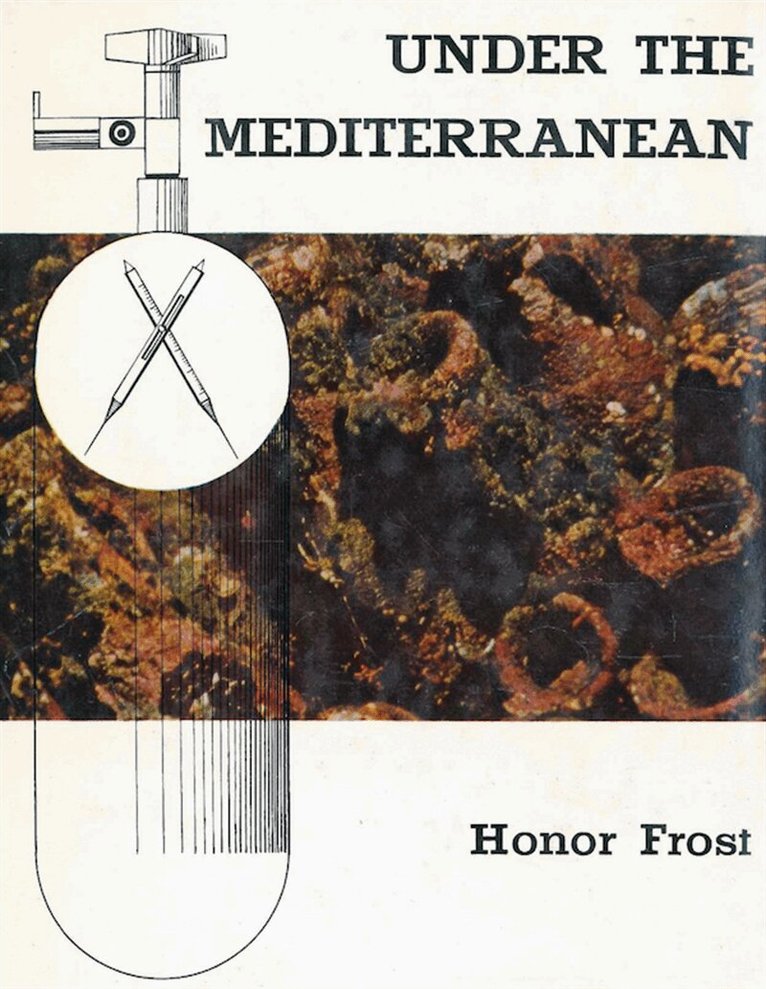
Honor Frost has written a travel book with this difference: her journeys have extended below the surface of the sea. Her accounts of these regions can be compared with the writings of early travellers who, unhampered by overspecialization, recorded a variety of observations on completely unknown places. In setting down her direct experience she has thrown new light on the much discussed submect of underwater archaeology.This book contains 22 colour and 28 monochrome photographs by well known divers, also 52 plans and drawings by the author illustrating her arguments. It is addressed to travellers, archaeologists and divers alike, and presents a fascinating theory of submarine excavation in terms allowing anyone interested in marine antiquities to judge whether free-diving must remain a synonym for treasure-hunting or, as a new method of investigation it can be adapted to the interests of science.Marine antiquities are primarily associated with the Mediterranean not only because it was the cradle of western civilization, but because the physical factors of this sea (which Honor Frost describes) uniquely favour the preservation of ancient remains. Further, the technique of free diving was pioneered in Mediterranean waters where it has now developed into a skilled and disciplined profession. In consequence, some Mediterranean divers have acquired a wide comparative knowledge of wreck-formations, ancient harbours and the jetsam that marks the sea-lanes of anitquity.EPUB3: Reflowable
Häftad, Engelska, 2026
915 kr
Kommande
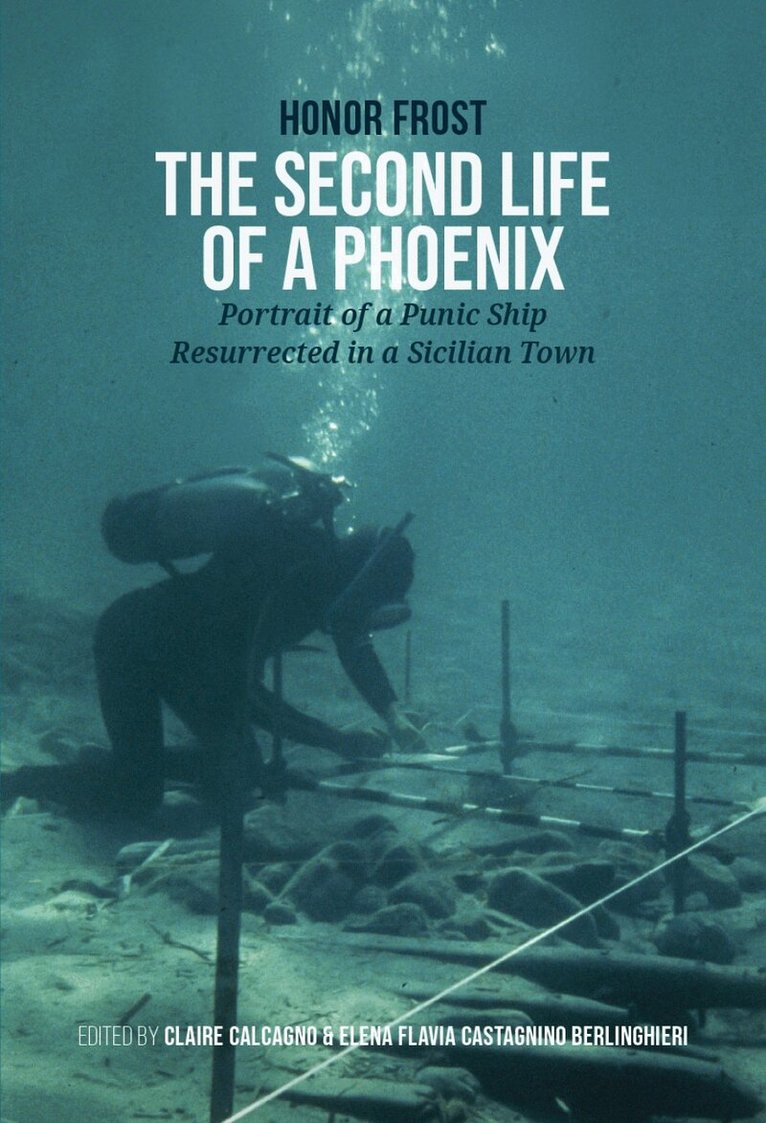
Over half a century ago, maritime archaeologist Honor Frost led an interdisciplinary team that uncovered an exceptional Punic shipwreck off the western coast of Sicily.The excavation, study, and conservation of the shipwreck—dated to the 3rd century BCE and now on display at the Museo Archeologico Regionale Lilibeo–Marsala—marked a groundbreaking achievement in the history of underwater archaeology. To this day, the Punic Ship of Marsala remains the only surviving ancient galley of the Mediterranean Sea.The Second Life of a Phoenix takes shape from an unfinished manuscript by Honor Frost, recently discovered in her personal archives. In her Sicilian memoir, she recounts firsthand her experiences, challenges, and discoveries as director of the Punic Ship Project, while delving into the intellectual debates shaping the emerging discipline of maritime archaeology at that time. She illustrates the Mediterranean environment within which the ‘phoenix-ship’ likely came to grief; and the Sicilian context where she was able to bring it back to a second life.The original manuscript comprises seven complete chapters (covering the years 1969–1973), along with notes for five additional chapters spanning the following years. The editors—both maritime archaeologists—introduce and contextualize the work, and provide a vital reconstruction of the unfinished sections.The volume includes 72 photographs and maps, many drawn from Frost’s personal archive, and is published in both English and Italian, in accordance with her wishes, to ensure her story reaches the community of Marsala and beyond.
Inbunden, Engelska, 2026
1 745 kr
Kommande
Over half a century ago, maritime archaeologist Honor Frost led an interdisciplinary team that uncovered an exceptional Punic shipwreck off the western coast of Sicily.The excavation, study, and conservation of the shipwreck—dated to the 3rd century BCE and now on display at the Museo Archeologico Regionale Lilibeo–Marsala—marked a groundbreaking achievement in the history of underwater archaeology. To this day, the Punic Ship of Marsala remains the only surviving ancient galley of the Mediterranean Sea.The Second Life of a Phoenix takes shape from an unfinished manuscript by Honor Frost, recently discovered in her personal archives. In her Sicilian memoir, she recounts firsthand her experiences, challenges, and discoveries as director of the Punic Ship Project, while delving into the intellectual debates shaping the emerging discipline of maritime archaeology at that time. She illustrates the Mediterranean environment within which the ‘phoenix-ship’ likely came to grief; and the Sicilian context where she was able to bring it back to a second life.The original manuscript comprises seven complete chapters (covering the years 1969–1973), along with notes for five additional chapters spanning the following years. The editors—both maritime archaeologists—introduce and contextualize the work, and provide a vital reconstruction of the unfinished sections.The volume includes 72 photographs and maps, many drawn from Frost’s personal archive, and is published in both English and Italian, in accordance with her wishes, to ensure her story reaches the community of Marsala and beyond.
Häftad, Italienska, 2026
915 kr
Kommande
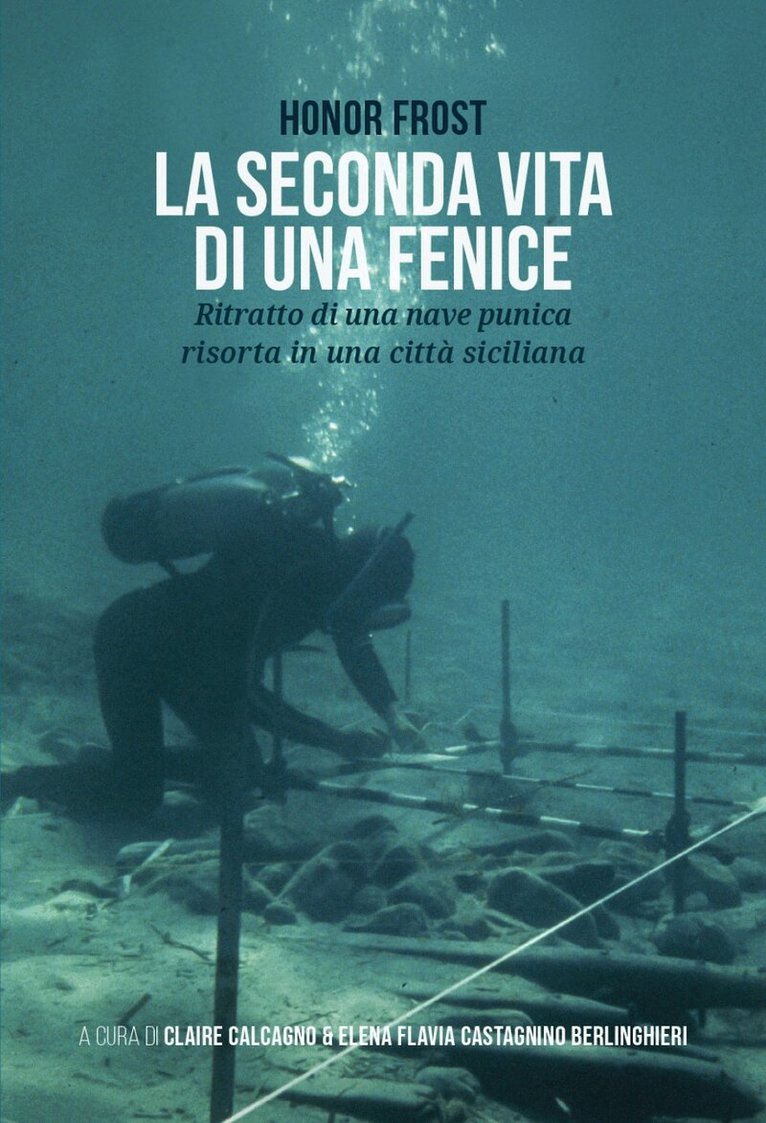
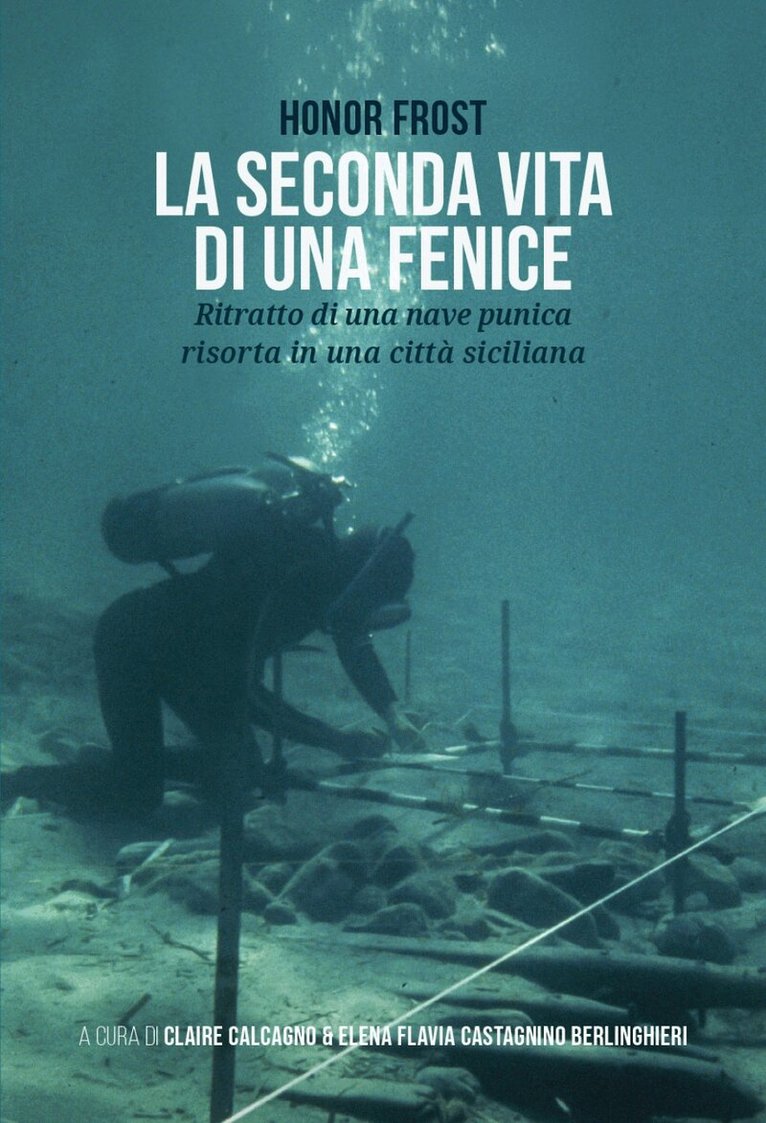
Poco più di cinquant’anni fa, l’archeologa marina Honor Frost guidava un’équipe interdisciplinare che avrebbe portato alla scoperta di un eccezionale relitto punico al largo della costa occidentale della Sicilia.Le fasi di ricerca, scavo e conservazione del relitto, datato al III secolo a.C. e oggi esposto al Museo Archeologico Regionale Lilibeo – Marsala, rappresentano una pietra miliare nella storia dell’archeologia subacquea. A tutt’oggi la Nave punica di Marsala rimane l’unico esempio di una antica nave lunga del Mar Mediterraneo.La seconda vita di una fenice prende forma a partire da un manoscritto incompiuto di Honor Frost, recentemente ritrovato nei suoi archivi personali. In questo suo mémoire siciliano, l’autrice racconta in prima persona esperienze, difficoltà e scoperte vissute nel suo ruolo di direttrice del Punic Ship Project, e approfondisce i dibattiti intellettuali che plasmavano la disciplina emergente dell’archeologia marittima in quel periodo. Illustra l’ambiente mediterraneo in cui la “nave-fenice” probabilmente naufragò; e il contesto siciliano in cui riuscì a riportarla a una seconda vita.Il manoscritto originale includeva sette capitoli completi (1969–1973) e una serie di appunti per ulteriori cinque capitoli relativi agli anni successivi. Le curatrici del volume, entrambe archeologhe marine, introducono e contestualizzano il testo, fornendo una interpretazione ragionata delle sezioni incompiute.Il libro è arricchito da 72 immagini e mappe, molte delle quali provenienti dagli archivi personali di Honor Frost, e viene pubblicato in doppia lingua, inglese e italiano, secondo le sue volontà, affinché questa straordinaria vicenda possa essere condivisa con la comunità di Marsala e con un pubblico internazionale.English abstract:Over half a century ago, maritime archaeologist Honor Frost led an interdisciplinary team that uncovered an exceptional Punic shipwreck off the western coast of Sicily.The excavation, study, and conservation of the shipwreck—dated to the 3rd century BCE and now on display at the Museo Archeologico Regionale Lilibeo–Marsala—marked a groundbreaking achievement in the history of underwater archaeology. To this day, the Punic Ship of Marsala remains the only surviving ancient galley of the Mediterranean Sea.The Second Life of a Phoenix takes shape from an unfinished manuscript by Honor Frost, recently discovered in her personal archives. In her Sicilian memoir, she recounts firsthand her experiences, challenges, and discoveries as director of the Punic Ship Project, while delving into the intellectual debates shaping the emerging discipline of maritime archaeology at that time. She illustrates the Mediterranean environment within which the ‘phoenix-ship’ likely came to grief; and the Sicilian context where she was able to bring it back to a second life.The original manuscript comprises seven complete chapters (covering the years 1969–1973), along with notes for five additional chapters spanning the following years. The editors—both maritime archaeologists—introduce and contextualize the work, and provide a vital reconstruction of the unfinished sections.The volume includes 72 photographs and maps, many drawn from Frost’s personal archive, and is published in both English and Italian, in accordance with her wishes, to ensure her story reaches the community of Marsala and beyond.
Inbunden, Italienska, 2026
1 745 kr
Kommande
Poco più di cinquant’anni fa, l’archeologa marina Honor Frost guidava un’équipe interdisciplinare che avrebbe portato alla scoperta di un eccezionale relitto punico al largo della costa occidentale della Sicilia.Le fasi di ricerca, scavo e conservazione del relitto, datato al III secolo a.C. e oggi esposto al Museo Archeologico Regionale Lilibeo – Marsala, rappresentano una pietra miliare nella storia dell’archeologia subacquea. A tutt’oggi la Nave punica di Marsala rimane l’unico esempio di una antica nave lunga del Mar Mediterraneo.La seconda vita di una fenice prende forma a partire da un manoscritto incompiuto di Honor Frost, recentemente ritrovato nei suoi archivi personali. In questo suo mémoire siciliano, l’autrice racconta in prima persona esperienze, difficoltà e scoperte vissute nel suo ruolo di direttrice del Punic Ship Project, e approfondisce i dibattiti intellettuali che plasmavano la disciplina emergente dell’archeologia marittima in quel periodo. Illustra l’ambiente mediterraneo in cui la “nave-fenice” probabilmente naufragò; e il contesto siciliano in cui riuscì a riportarla a una seconda vita.Il manoscritto originale includeva sette capitoli completi (1969–1973) e una serie di appunti per ulteriori cinque capitoli relativi agli anni successivi. Le curatrici del volume, entrambe archeologhe marine, introducono e contestualizzano il testo, fornendo una interpretazione ragionata delle sezioni incompiute.Il libro è arricchito da 72 immagini e mappe, molte delle quali provenienti dagli archivi personali di Honor Frost, e viene pubblicato in doppia lingua, inglese e italiano, secondo le sue volontà, affinché questa straordinaria vicenda possa essere condivisa con la comunità di Marsala e con un pubblico internazionale.English abstract:Over half a century ago, maritime archaeologist Honor Frost led an interdisciplinary team that uncovered an exceptional Punic shipwreck off the western coast of Sicily.The excavation, study, and conservation of the shipwreck—dated to the 3rd century BCE and now on display at the Museo Archeologico Regionale Lilibeo–Marsala—marked a groundbreaking achievement in the history of underwater archaeology. To this day, the Punic Ship of Marsala remains the only surviving ancient galley of the Mediterranean Sea.The Second Life of a Phoenix takes shape from an unfinished manuscript by Honor Frost, recently discovered in her personal archives. In her Sicilian memoir, she recounts firsthand her experiences, challenges, and discoveries as director of the Punic Ship Project, while delving into the intellectual debates shaping the emerging discipline of maritime archaeology at that time. She illustrates the Mediterranean environment within which the ‘phoenix-ship’ likely came to grief; and the Sicilian context where she was able to bring it back to a second life.The original manuscript comprises seven complete chapters (covering the years 1969–1973), along with notes for five additional chapters spanning the following years. The editors—both maritime archaeologists—introduce and contextualize the work, and provide a vital reconstruction of the unfinished sections.The volume includes 72 photographs and maps, many drawn from Frost’s personal archive, and is published in both English and Italian, in accordance with her wishes, to ensure her story reaches the community of Marsala and beyond.
Häftad, Engelska, 2026
961 kr
Tillfälligt slut
Hailing from academic training in fine and performing arts, Honor Frost learned to dive in the 1950s and within a decade began earning a reputation as a pioneering maritime archaeologist. She held unparalleled expertise in the study of ancient anchors, harbours, and shipwrecks in the eastern Mediterranean, where she helped to develop new archaeological applications for technologies like aerial photography and photogrammetry, which today are standard field practices. Over a career spanning five decades, Honor Frost published over a hundred research papers on maritime archaeological topics that integrate religious studies, linguistics, ethnography, geology, and oceanography, to name a few.This volume curates a careful selection of nineteen of Honor’s most ground-breaking research papers, collected here for a new generation of maritime archaeologists and other interdisciplinary scholars. In addition to reproducing foundational yet often difficult to find research, the volume also includes archival materials that have never before been published and colour images that were originally printed in grayscale. It also features the complete bibliography of Honor Frost’s publications, from 1948 to 2011. With an introduction from the Honor Frost Foundation’s Maritime Archaeological Director, Honor Frost: Selected Works celebrates the legacy of an extraordinary scientist while making her most important works freely accessible to the public for the first time.