Hwee-rhak Park – författare
Visar alla böcker från författaren Hwee-rhak Park. Handla med fri frakt och snabb leverans.
3 produkter
3 produkter
Inbunden, Engelska, 2025
1 217 kr
Skickas inom 5-8 vardagar
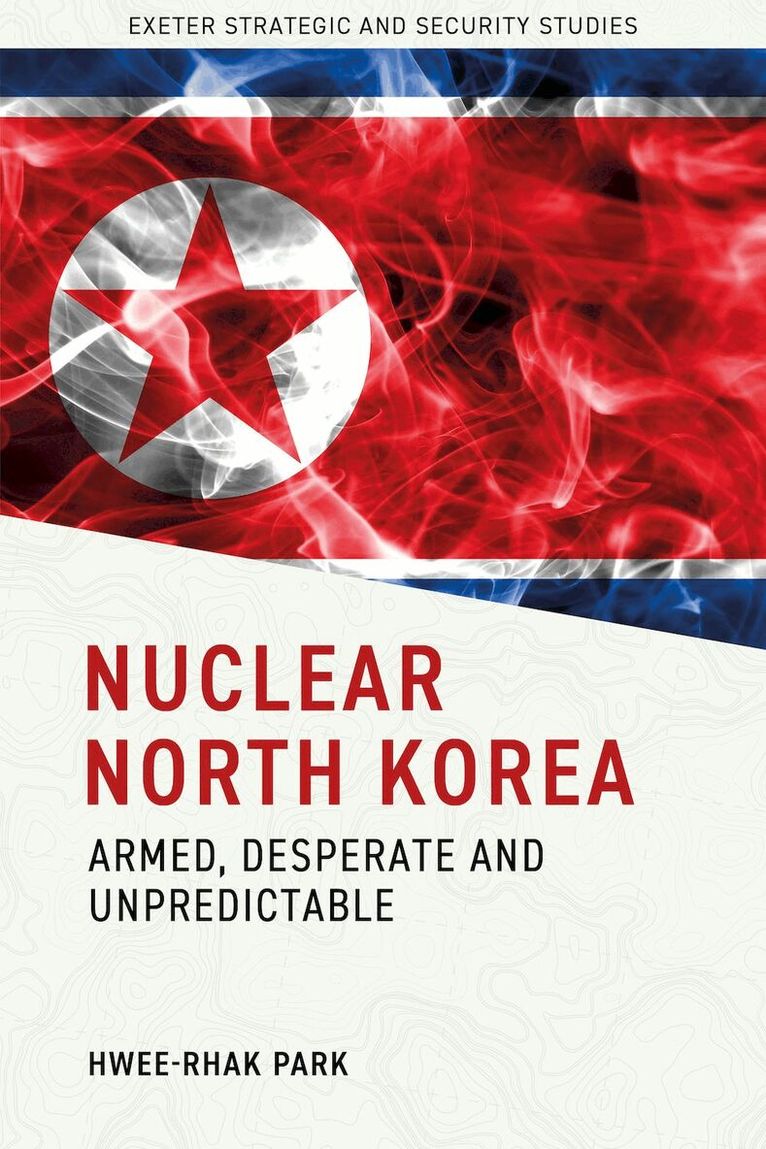
This book evaluates the extent of North Korea’s nuclear threat and proposes practical, viable options for the United States and South Korea to deter and defend against it. With North Korea’s alliance treaty with Russia and its involvement in Russia’s war in Ukraine, the nuclear-armed regime now poses not only a direct threat to US and South Korean security but also presents a major challenge on the global stage. However, due to North Korea’s secrecy and isolation, combined with a lack of in-depth analysis, the specifics of its nuclear capabilities remain largely unknown. A comprehensive examination of this threat and the development of actionable solutions are both urgent and essential.Although nuclear weapons have become central to international politics due to their immense destructive power, they were developed for military purposes and should be addressed through military means. Purely diplomatic approaches to the issue have ultimately exacerbated the threat. As a retired army colonel with expertise in international relations and military affairs, the author provides detailed practical analysis and informed policy recommendations. As a South Korean scholar, he is also uniquely placed to offer a nuanced understanding of North Korea’s rhetoric and actions.By integrating theoretical research with the realities of North Korea’s nuclear armament, this timely volume presents insightful analysis and pragmatic policy proposals. It is an invaluable resource for readers and students seeking to understand North Korea’s nuclear threat and offers crucial guidance for policymakers in the United States, South Korea, and beyond in formulating effective long-term strategies to address this pressing issue.
Inbunden, Engelska, 2025
1 513 kr
Skickas inom 10-15 vardagar
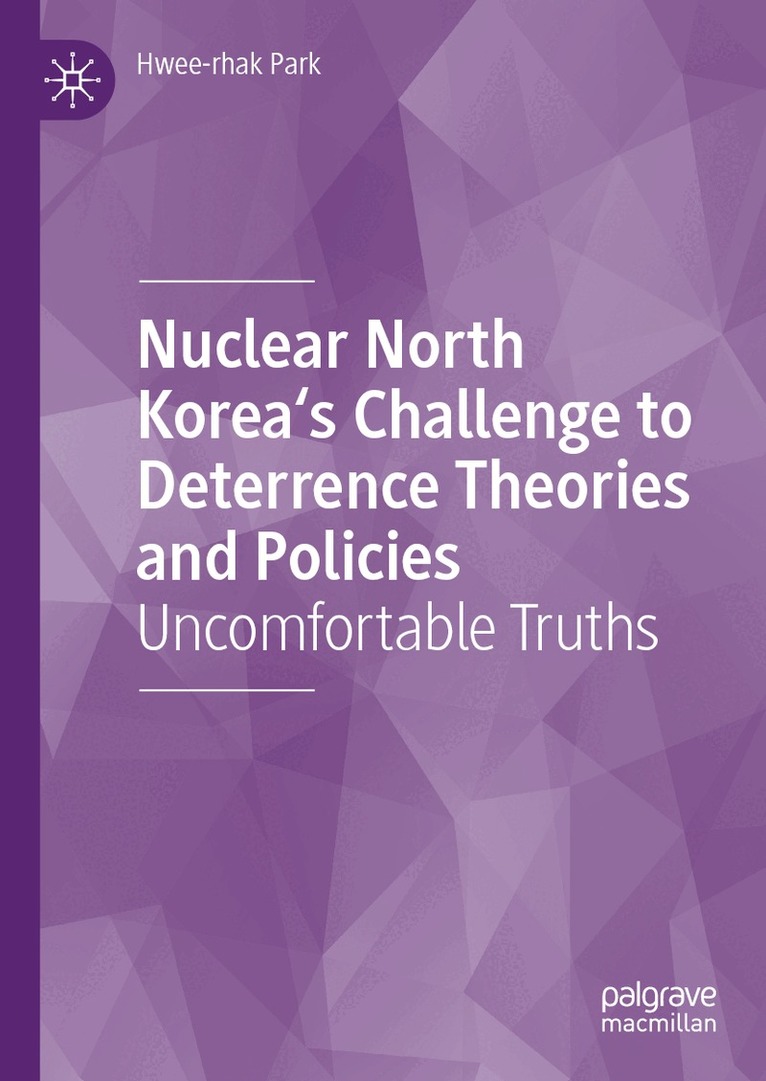
This book analyzes the challenges of North Korea's nuclear threat today and the shortcomings of nuclear defense theory. With North Korea openly threatening to attack the United States and South Korea using nuclear weapons—following its successful development of hydrogen bombs and intercontinental ballistic missiles (ICBMs)—deterrence against the regime has become both urgent and increasingly uncertain. Furthermore, North Korea’s formal de facto alliance with Russia, established in 2024, raises the possibility that its nuclear forces could disrupt the strategic nuclear balance between the United States and the Russia–China bloc. As North Korea directly challenges the credibility of the U.S. nuclear extended deterrence, or nuclear umbrella, for South Korea, the traditional deterrence model—based on the threat of overwhelming retaliation—may no longer be effective. To advance the discourse on nuclear deterrence and address these emerging challenges, this book introduces several new concepts, including Balance of Fear, Institutional (Nuclear) Deterrence, Alliance Correctness, and Line of Nuclear Deterrence. The primary audience for this book includes academics and students specializing in international relations, particularly those focusing on nuclear deterrence. Additionally, policymakers, government officials in diplomatic and security organizations, and military personnel in the United States, NATO member states, and other regions will find this book valuable for understanding and responding to North Korea’s evolving nuclear threat.
E-bok
Engelska, 20251 825 kr
Läs direkt efter köp
This book analyzes the challenges of North Korea's nuclear threat today and the shortcomings of nuclear defense theory. With North Korea openly threatening to attack the United States and South Korea using nuclear weapons—following its successful development of hydrogen bombs and intercontinental ballistic missiles (ICBMs)—deterrence against the regime has become both urgent and increasingly uncertain. Furthermore, North Korea’s formal de facto alliance with Russia, established in 2024, raises the possibility that its nuclear forces could disrupt the strategic nuclear balance between the United States and the Russia–China bloc. As North Korea directly challenges the credibility of the U.S. nuclear extended deterrence, or nuclear umbrella, for South Korea, the traditional deterrence model—based on the threat of overwhelming retaliation—may no longer be effective. To advance the discourse on nuclear deterrence and address these emerging challenges, this book introduces several new concepts, including Balance of Fear, Institutional (Nuclear) Deterrence, Alliance Correctness, and Line of Nuclear Deterrence. The primary audience for this book includes academics and students specializing in international relations, particularly those focusing on nuclear deterrence. Additionally, policymakers, government officials in diplomatic and security organizations, and military personnel in the United States, NATO member states, and other regions will find this book valuable for understanding and responding to North Korea’s evolving nuclear threat.