Hyunseon Lee - Böcker
Visar alla böcker från författaren Hyunseon Lee. Handla med fri frakt och snabb leverans.
6 produkter
6 produkter
1 894 kr
Skickas inom 10-15 vardagar
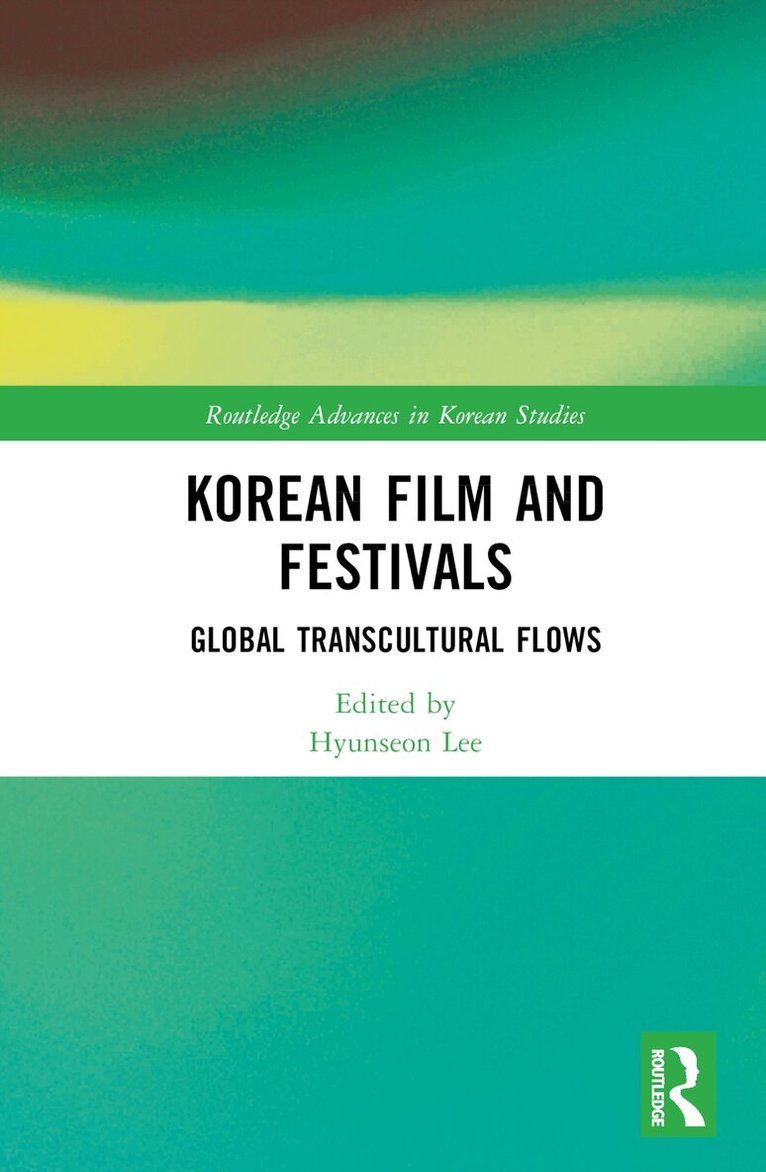
This book examines the various film festivals where Korean cinema plays a significant role, both inside and outside of Korea, focusing on their history, structure and function, and analysis of successful festival films. Using Korean film festivals and Korean cinema at international film festivals as its primary lens, this interdisciplinary volume explores the shifting relationships between the multi-media genre of film and the fast-growing changing world of film festival cultures. It examines the changing aesthetics of Korean film in a transcultural context and historical (dis)continuity from a variety of angles from film and media studies, literary and cultural studies, Korean studies, Japanese studies, and also from film festival practice. Moreover, through comprehensive examinations of both domestic and international film festivals from the perspectives of production, distribution and marketing it highlights the reception of Korean cinema outside of Korea in an increasingly globalised industry.Featuring the contributions of expert scholars of international film and Korean cinema, in addition to interview material with a practicing film professional, this book will be of huge interest to students and scholars of Korean and Asian film and media studies, as well as those interested in the impact of film festivals more generally.
573 kr
Skickas inom 10-15 vardagar
This book examines the various film festivals where Korean cinema plays a significant role, both inside and outside of Korea, focusing on their history, structure and function, and analysis of successful festival films. Using Korean film festivals and Korean cinema at international film festivals as its primary lens, this interdisciplinary volume explores the shifting relationships between the multi-media genre of film and the fast-growing changing world of film festival cultures. It examines the changing aesthetics of Korean film in a transcultural context and historical (dis)continuity from a variety of angles from film and media studies, literary and cultural studies, Korean studies, Japanese studies, and also from film festival practice. Moreover, through comprehensive examinations of both domestic and international film festivals from the perspectives of production, distribution and marketing it highlights the reception of Korean cinema outside of Korea in an increasingly globalised industry.Featuring the contributions of expert scholars of international film and Korean cinema, in addition to interview material with a practicing film professional, this book will be of huge interest to students and scholars of Korean and Asian film and media studies, as well as those interested in the impact of film festivals more generally.
2 159 kr
Skickas inom 10-15 vardagar
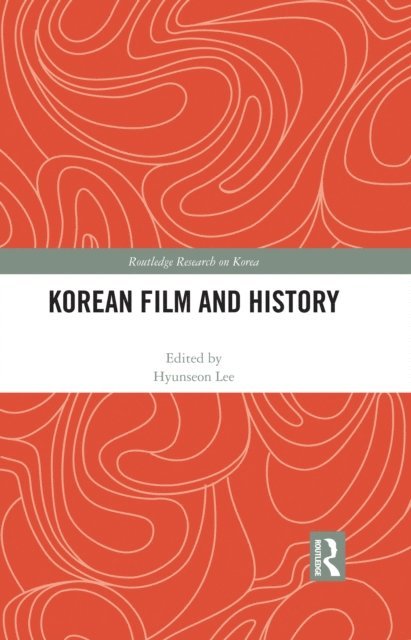
Cinema has become a battleground upon which history is made—a major mass medium of the twentieth century dealing with history. The re-enactments of historical events in film straddle reality and fantasy, documentary and fiction, representation and performance, entertainment and education. This interdisciplinary book examines the relationship between film and history and the links between historical research and filmic (re-)presentations of history with special reference to South Korean cinema.As with all national film industries, Korean cinema functions as a medium of inventing national history and identity, and also establishing their legitimacy—in both forgetting the past and remembering history. Korean films also play a part in forging cultural collective memory. Korea as a colonised and divided nation clearly adopted different approaches to the filmic depiction of history compared to colonial powers such as Western or Japanese cinema. The Colonial Period (1910–1945) and Korean War (1950–1953) draw particular attention as they have been major topics shaping the narrative of nation in North and South Korean films.Exploring the changing modes, impacts and functions of screen images dealing with history in Korean cinema, this book will be of huge interest to students and scholars of Korean history, film, media and cultural studies.
590 kr
Skickas inom 10-15 vardagar
Cinema has become a battleground upon which history is made—a major mass medium of the twentieth century dealing with history. The re-enactments of historical events in film straddle reality and fantasy, documentary and fiction, representation and performance, entertainment and education. This interdisciplinary book examines the relationship between film and history and the links between historical research and filmic (re-)presentations of history with special reference to South Korean cinema.As with all national film industries, Korean cinema functions as a medium of inventing national history and identity, and also establishing their legitimacy—in both forgetting the past and remembering history. Korean films also play a part in forging cultural collective memory. Korea as a colonised and divided nation clearly adopted different approaches to the filmic depiction of history compared to colonial powers such as Western or Japanese cinema. The Colonial Period (1910–1945) and Korean War (1950–1953) draw particular attention as they have been major topics shaping the narrative of nation in North and South Korean films.Exploring the changing modes, impacts and functions of screen images dealing with history in Korean cinema, this book will be of huge interest to students and scholars of Korean history, film, media and cultural studies.
Del 34 - Cultural Interactions: Studies in the Relationship between the Arts
Opera, Exoticism and Visual Culture
Häftad, Engelska, 2014
685 kr
Tillfälligt slut
As a uniquely hybrid form of artistic output, straddling music and theatre and high and popular culture, opera offers vast research possibilities not only in the field of music studies but also in the fields of media and cultural studies. Using the exotic legacy of the fin-de-siècle as its primary lens, this volume explores the shifting relationships between the multimedia genre of opera and the rapidly changing world of visual cultures. It also examines the changing aesthetics of opera in composition and performance and historical (dis)continuity, including the postcolonial era. The book comprises eleven interdisciplinary essays by scholars from eight countries, researching in music, theatre, literature, film and media studies, as well as a special contribution by opera director Sir Jonathan Miller. The book begins with an examination of operatic exoticism in various cultural contexts, such as French, Latin American and Arabic culture. The next sections focus on the most beloved figures in opera performance – Salome, Madame Butterfly and Aida – and performances of these operas through history. Further interpretations of the operas in film and new media are then considered. In the final section, Sir Jonathan Miller reflects on the ‘afterlife’ of opera.
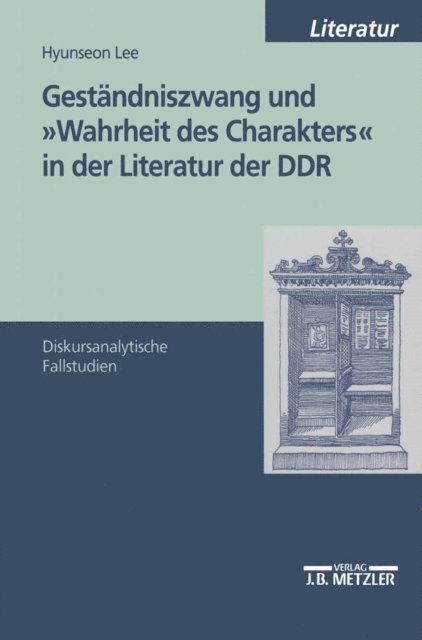
Geständniszwang und "Wahrheit des Charakters" in der Literatur der DDR
Diskursanalytische Fallstudien
Häftad, Tyska, 2000
384 kr
Skickas inom 10-15 vardagar
Kann man, zehn Jahre nach dem Ende der DDR, noch neue Erkenntnisse über fundamentale Strukturen der DDR-Literatur gewinnen, Erkenntnisse, die nicht längst durch die offizielle DDR-Ästhetik oder die westliche DDR-Literaturforschung formuliert worden wären? Im theoretischen Teil dieser Arbeit wird aus verschiedenen diskurstheoretischen Ansätzen die »Dialektik des Geständnisses« als wichtigstes analytisches Instrument entwickelt. Ausgehend von der Beichte, spielen Geständnis und Geständniszwang zum einen vor Gericht eine wichtige Rolle, wie am Beispiel der Moskauer Schauprozesse (1936-38) und der stalinistischen Selbstkritikrituale erläutert wird, und zum anderen in der Psychoanalyse. In der Literatur äußert sich die Suche nach der »Wahrheit des Charakters« bzw. der »Identität« vornehmlich in autobiographischen Geständnissen, die in hohem Maße sowohl für die Literatur der DDR als auch für die »Wende«-Literatur kennzeichnend sind. Untersucht wird die »Geständnisliteratur« repräsentativer DDR-AutorInnen wie Harald Hauser, Brigitte Reimann, Anna Seghers, Stefan Heym, Günter de Bruyn, Heiner Müller, Christa Wolf, Christoph Hein, Helga Königsdorf, Monika Maron u.a.