Iain Brassington - Böcker
Visar alla böcker från författaren Iain Brassington. Handla med fri frakt och snabb leverans.
7 produkter
7 produkter
2 088 kr
Skickas inom 10-15 vardagar
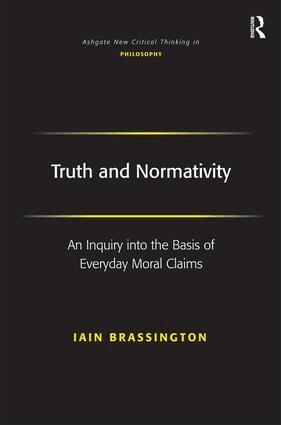
Beginning by posing the question of what it is that marks the difference between something like terrorism and something like civil society, Brassington argues that commonsense moral arguments against terrorism or political violence tend to imply that the modern democratic polis might also be morally unjustifiable. At the same time, the commonsense arguments in favour of something like a modern democratic polis could be co-opted by the politically violent as exculpatory. In exploring this prima facie problem and in the course of trying to substantiate the commonsense distinction, Brassington identifies a tension between the primary values of truth and normativity in the standard accounts of moral theory which he ultimately resolves by adopting lines of thought suggested by Martin Heidegger and concluding that the problem with mainstream moral philosophy is that, in a sense, it tries too hard.
579 kr
Skickas inom 10-15 vardagar
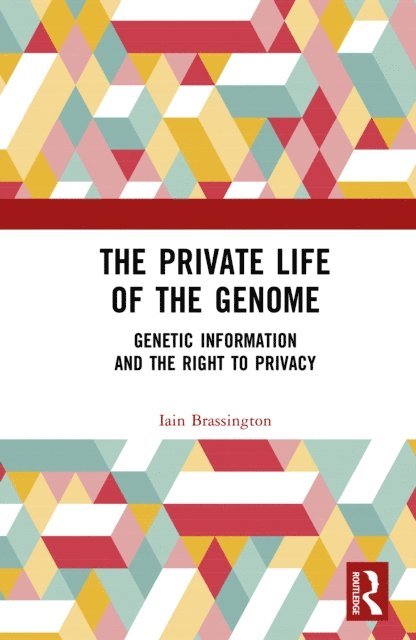
This innovative and engaging book argues that because our genetic information is directly linked to the genetic information of others, it is impossible to assert a ‘right to privacy’ in the same way that we can in other areas of life. This position throws up questions around access to sensitive data. It suggests that we may have to abandon certain intuitions about who may access our genetic information; and it raises concerns about discrimination against people with certain genetic characteristics. But the author asserts that regulating access to genetic information requires a more nuanced perspective that does not rely on the familiar language of rights. The book proposes new ways in which we may think about who has access to what genetic information, and on what basis they do so. Conceptually challenging, the book will prove engaging reading for scholars and students interested in the area of bioethics and medical law, as well as policy makers working with these pressing issues.
1 943 kr
Skickas inom 10-15 vardagar
This innovative and engaging book argues that because our genetic information is directly linked to the genetic information of others, it is impossible to assert a ‘right to privacy’ in the same way that we can in other areas of life. This position throws up questions around access to sensitive data. It suggests that we may have to abandon certain intuitions about who may access our genetic information; and it raises concerns about discrimination against people with certain genetic characteristics. But the author asserts that regulating access to genetic information requires a more nuanced perspective that does not rely on the familiar language of rights. The book proposes new ways in which we may think about who has access to what genetic information, and on what basis they do so. Conceptually challenging, the book will prove engaging reading for scholars and students interested in the area of bioethics and medical law, as well as policy makers working with these pressing issues.
766 kr
Skickas inom 10-15 vardagar
Beginning by posing the question of what it is that marks the difference between something like terrorism and something like civil society, Brassington argues that commonsense moral arguments against terrorism or political violence tend to imply that the modern democratic polis might also be morally unjustifiable. At the same time, the commonsense arguments in favour of something like a modern democratic polis could be co-opted by the politically violent as exculpatory. In exploring this prima facie problem and in the course of trying to substantiate the commonsense distinction, Brassington identifies a tension between the primary values of truth and normativity in the standard accounts of moral theory which he ultimately resolves by adopting lines of thought suggested by Martin Heidegger and concluding that the problem with mainstream moral philosophy is that, in a sense, it tries too hard.
1 343 kr
Skickas inom 10-15 vardagar
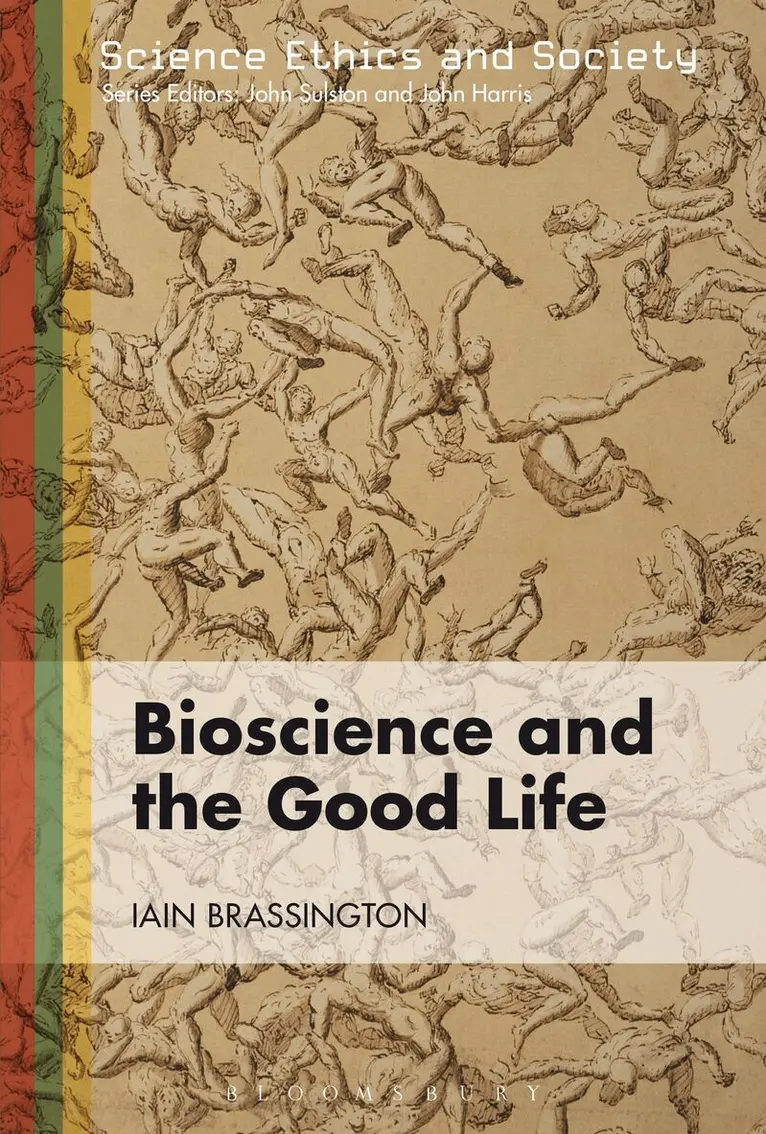
This book is available as open access through the Bloomsbury Open Access programme and is available on www.bloomsburycollections.com.The field of biotechnology has provided us with radical revisions and reappraisals of the nature and possibilities of our biological existence. Yet beyond its immediate utility, does a life that is healthier, longer, or freer from disease make us 'better' or more moral people?Bioscience and the Good Life explores the complex relationship between modern biosciences and human flourishing, their sympathies and schisms, and the instances of their reconciliation. Here cognitive enhancement, longevity, and the spectacle of excellence in sports, are examined within the context of what constitutes a life well lived. Framing biotechnological innovation in the discourse of duty and ethics, Brassington advances an insightful and involved response to the existing debates between bioscientific optimists and pessimists, one which mediates their differences, and expands the traditional scope of their arguments.
Del 82 - International Library of Ethics, Law, and the New Medicine
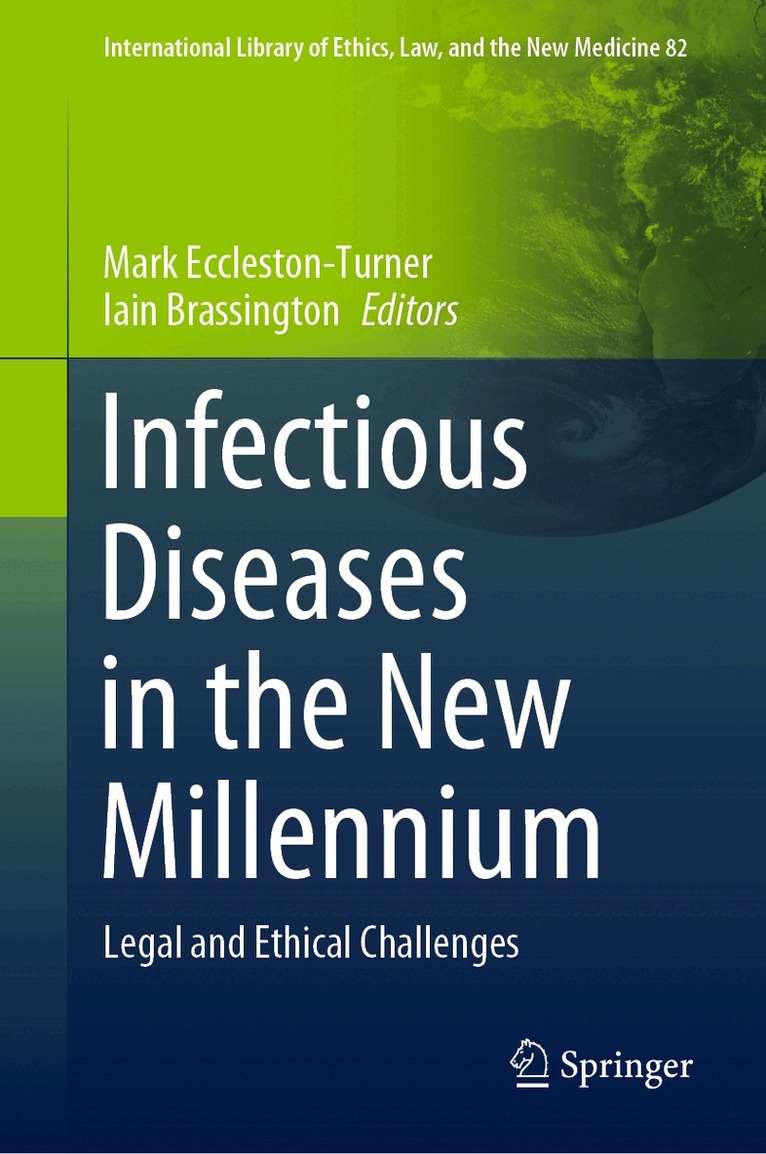
Infectious Diseases in the New Millennium
Legal and Ethical Challenges
Inbunden, Engelska, 2020
588 kr
Skickas inom 10-15 vardagar
How can we ensure that pharmaceutical research helps all communities, even those who cannot afford to pay for the products? While broadly covering global health law, the book adopts an inter-disciplinary approach that draws on publicinternational law, philosophy, international relations, human rights law, and healthcare economics.
Del 82 - International Library of Ethics, Law, and the New Medicine
Infectious Diseases in the New Millennium
Legal and Ethical Challenges
Häftad, Engelska, 2021
588 kr
Skickas inom 10-15 vardagar
How can we ensure that pharmaceutical research helps all communities, even those who cannot afford to pay for the products? While broadly covering global health law, the book adopts an inter-disciplinary approach that draws on publicinternational law, philosophy, international relations, human rights law, and healthcare economics.