Ian Baucom – författare
Visar alla böcker från författaren Ian Baucom. Handla med fri frakt och snabb leverans.
13 produkter
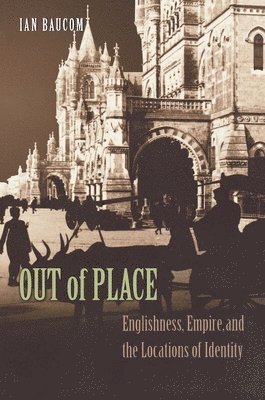
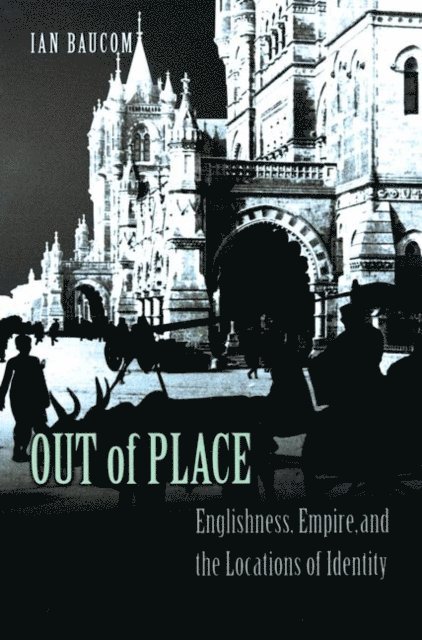
Out of Place
Englishness, Empire, and the Locations of Identity
Av Ian Baucom
Häftad, 1999
878 kr
Lägg i varukorg
In a 1968 speech on British immigration policy, Enoch Powell insisted that although a black man may be a British citizen, he can never be an Englishman. This book explains why such a claim was possible to advance and impossible to defend. Ian Baucom reveals how "Englishness" emerged against the …
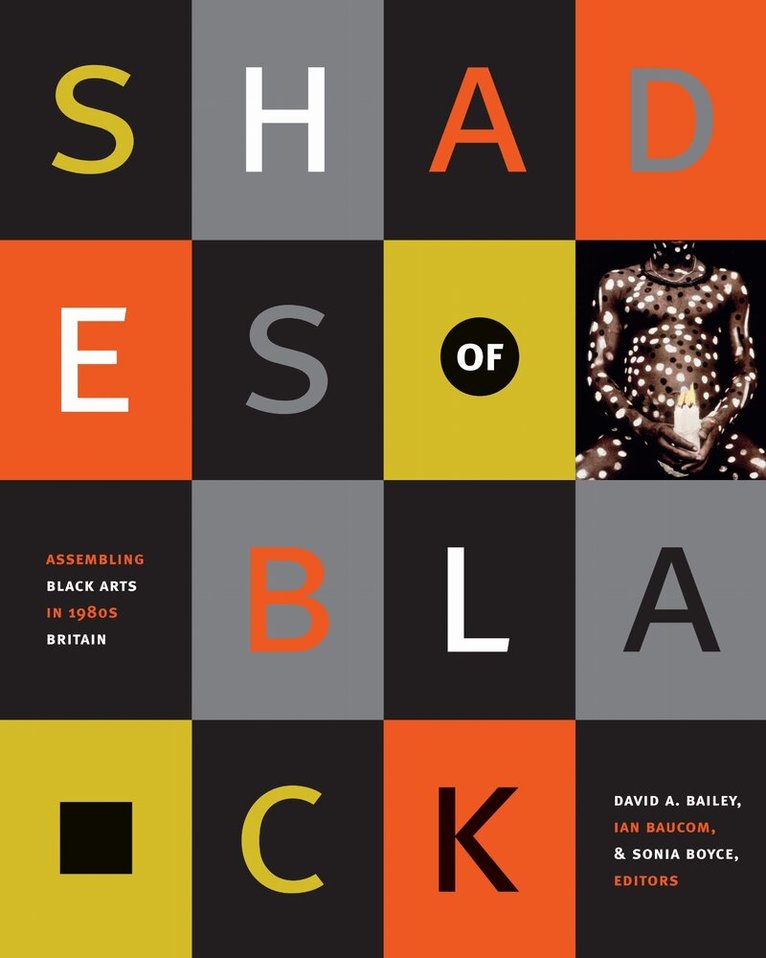
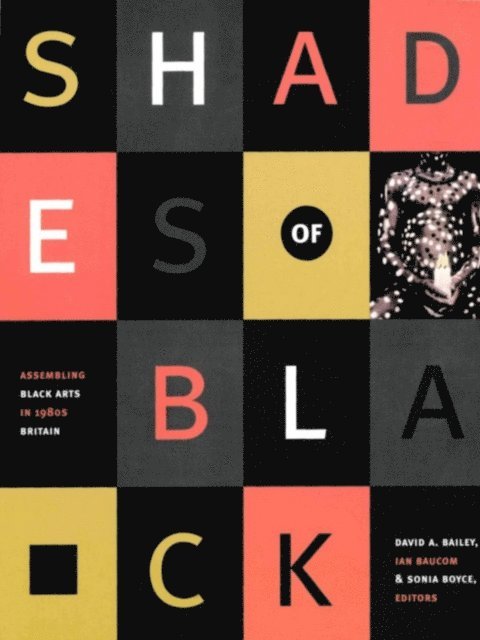
Shades of Black
Assembling Black Arts in 1980s Britain
Av David A. Bailey, Sonia Boyce m. fl.
Inbunden, 2005
1361 kr
Lägg i varukorg
In the 1980s-at the height of Thatcherism and in the wake of civil unrest and rioting in a number of British cities-the Black Arts Movement burst onto the British art scene with breathtaking intensity, changing the nature and perception of British culture irreversibly. This richly illustrated …
Shades of Black
Assembling Black Arts in 1980s Britain
Av David A. Bailey, Sonia Boyce m. fl.
Häftad, 2005
498 kr
Lägg i varukorg
In the 1980s-at the height of Thatcherism and in the wake of civil unrest and rioting in a number of British cities-the Black Arts Movement burst onto the British art scene with breathtaking intensity, changing the nature and perception of British culture irreversibly. This richly illustrated …
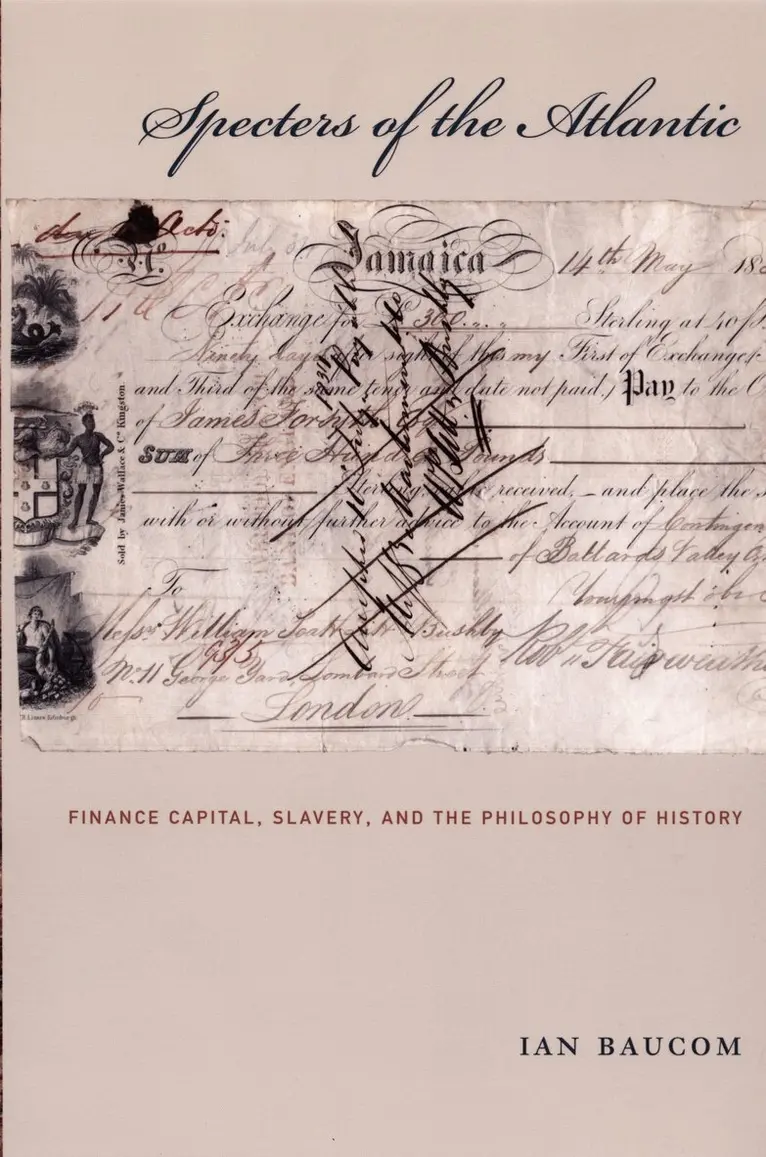
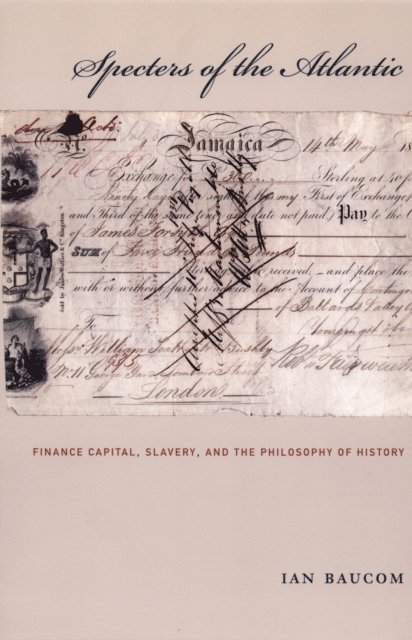
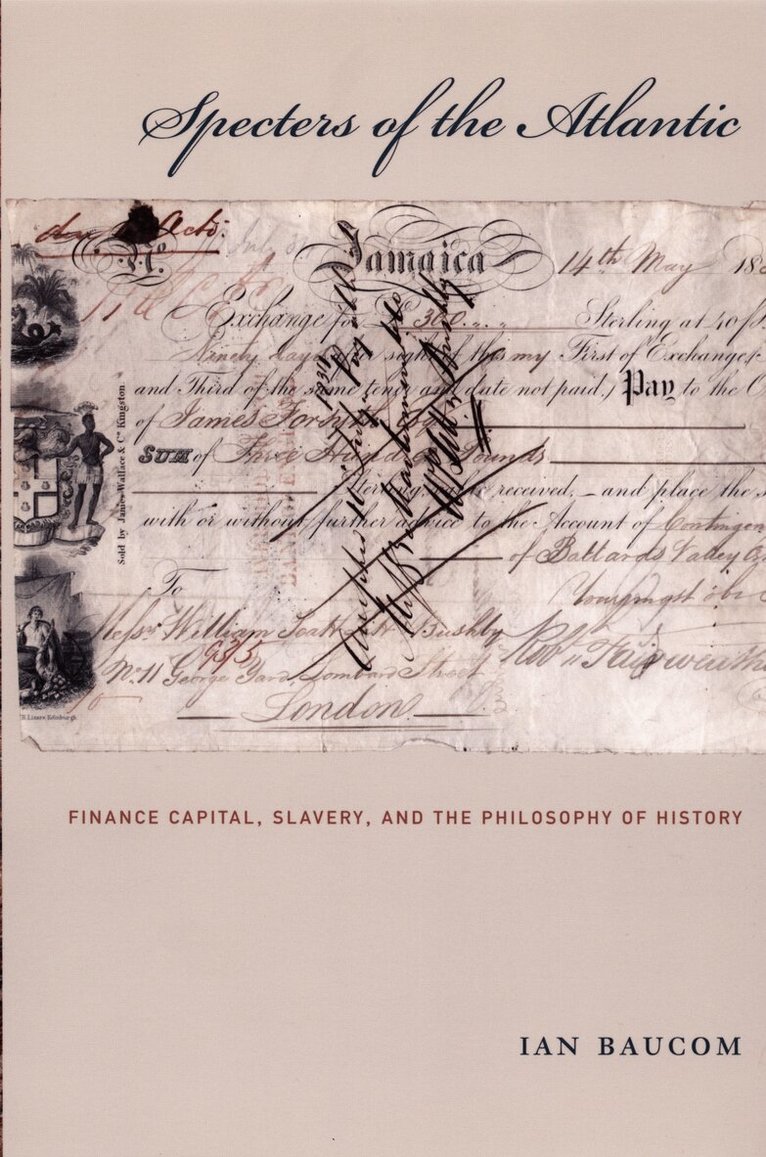
Specters of the Atlantic
Finance Capital, Slavery, and the Philosophy of History
Av Ian Baucom
Häftad, 2005
353 kr
Lägg i varukorg
In September 1781, the captain of the British slave ship Zong ordered 133 slaves thrown overboard, enabling the ship’s owners to file an insurance claim for their lost “cargo.” Accounts of this horrific event quickly became a staple of abolitionist discourse on both sides of the Atlantic. Ian …
Climate Change and the Production of Knowledge
Av Ian Baucom, Matthew Omelsky
Häftad, 2017
175 kr
Lägg i varukorg
Though the causes and effects of climate change pervade our everyday lives-the air we breathe, the food we eat, the objects we use-the way the discourse of climate change influences how we make meaning of ourselves and our world is still unexplored. Contributors to this issue bring diverse …
Shades of Black
Assembling Black Arts in 1980s Britain
Av Ian Baucom, Sonia Boyce m. fl.
E-bok, 2005
520 kr
Lägg i varukorg
In the 1980s—at the height of Thatcherism and in the wake of civil unrest and rioting in a number of British cities—the Black Arts Movement burst onto the British art scene with breathtaking intensity, changing the nature and perception of British culture irreversibly. This richly illustrated …
Specters of the Atlantic
Finance Capital, Slavery, and the Philosophy of History
Av Ian Baucom
E-bok, 2005
580 kr
Lägg i varukorg
In September 1781, the captain of the British slave ship Zong ordered 133 slaves thrown overboard, enabling the ship’s owners to file an insurance claim for their lost “cargo.” Accounts of this horrific event quickly became a staple of abolitionist discourse on both sides of the Atlantic. Ian …
Out of Place
Englishness, Empire, and the Locations of Identity
Av Ian Baucom
E-bok, 1999
738 kr
Lägg i varukorg
In a 1968 speech on British immigration policy, Enoch Powell insisted that although a black man may be a British citizen, he can never be an Englishman. This book explains why such a claim was possible to advance and impossible to defend. Ian Baucom reveals how "Englishness" emerged against the …
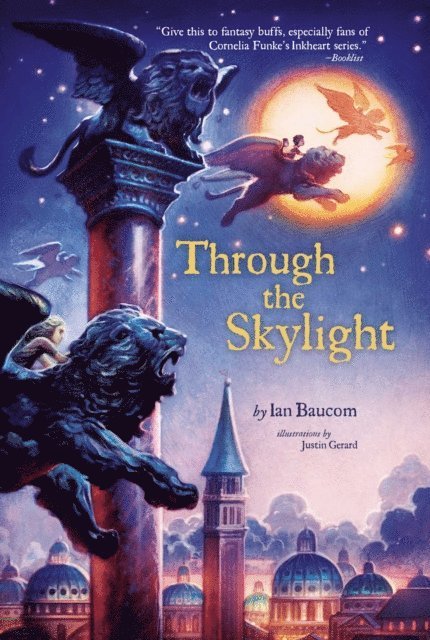
Through the Skylight
Av Ian Baucom
E-bok, 2013
93 kr
Lägg i varukorg
Two tantalizing tales, magically intertwined, cross cultures and span centuries as three kids set out to save the lives of three others—who just happen to live in the Middle Ages! A stone lion roars... A sleek black cat speaks... A faun leaps from the canvas of a painting... When Jared, Shireen, …
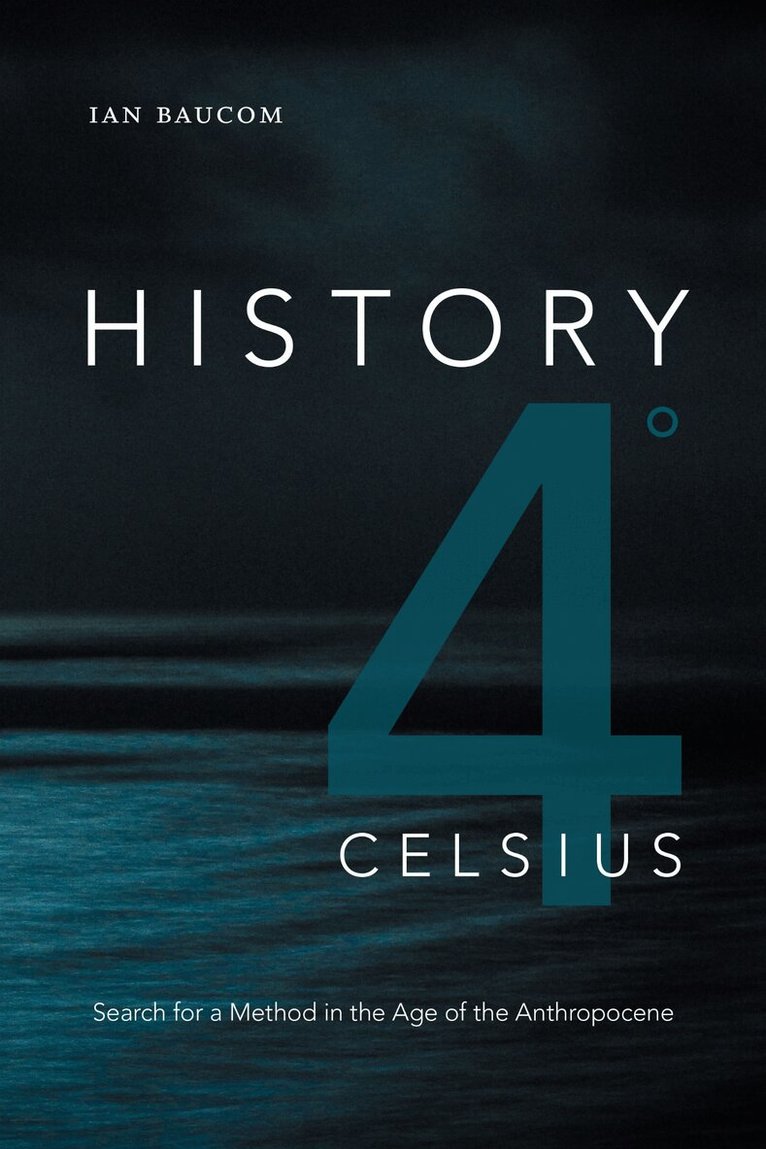
History 4° Celsius
Search for a Method in the Age of the Anthropocene
Av Ian Baucom
Inbunden, 2020
1552 kr
Lägg i varukorg
In History 4° Celsius Ian Baucom continues his inquiries into the place of the Black Atlantic in the making of the modern and postmodern world. Putting black studies into conversation with climate change, Baucom outlines how the ongoing concerns of critical race, diaspora, and postcolonial studies …
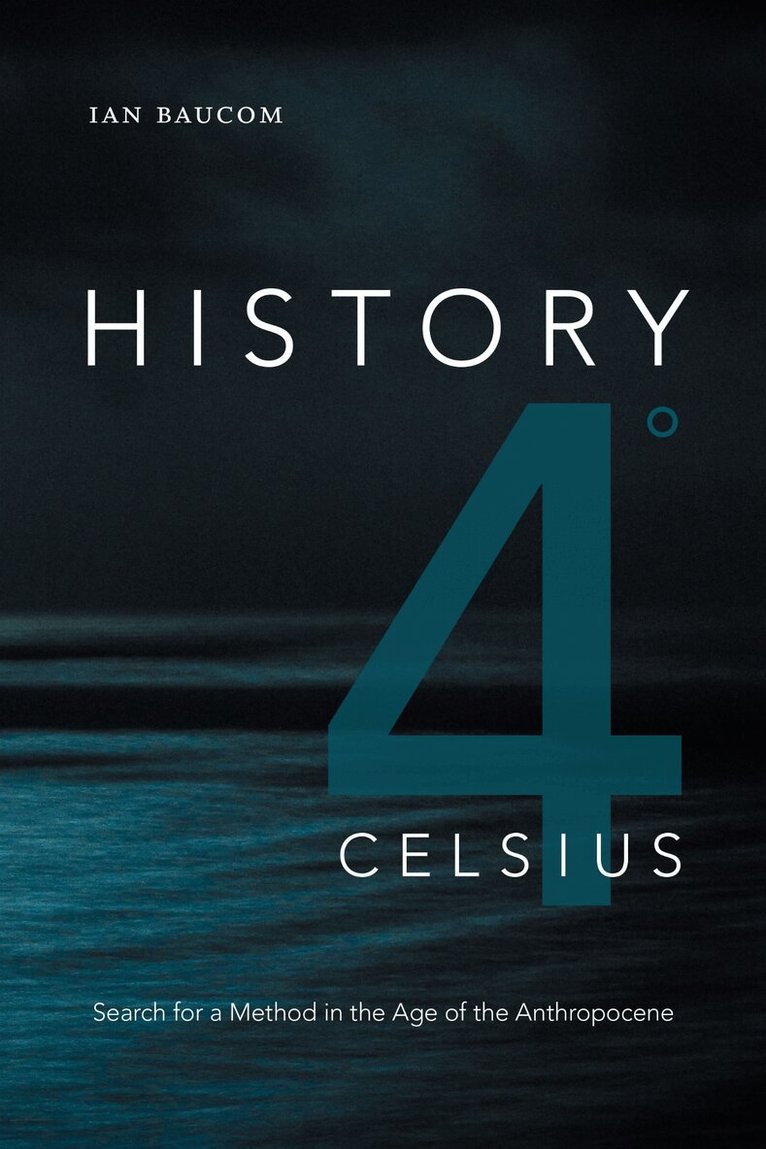
History 4° Celsius
Search for a Method in the Age of the Anthropocene
Av Ian Baucom
Häftad, 2020
379 kr
Lägg i varukorg
In History 4° Celsius Ian Baucom continues his inquiries into the place of the Black Atlantic in the making of the modern and postmodern world. Putting black studies into conversation with climate change, Baucom outlines how the ongoing concerns of critical race, diaspora, and postcolonial studies …
History 4(deg) Celsius
Search for a Method in the Age of the Anthropocene
Av Ian Baucom
E-bok, 2020
562 kr
Lägg i varukorg
In History 4° Celsius Ian Baucom continues his inquiries into the place of the Black Atlantic in the making of the modern and postmodern world. Putting black studies into conversation with climate change, Baucom outlines how the ongoing concerns of critical race, diaspora, and postcolonial studies …
Specters of the Atlantic
Finance Capital, Slavery, and the Philosophy of History
Av Ian Baucom
Inbunden, 2005
1447 kr
Tillfälligt slut
In September 1781, the captain of the British slave ship Zong ordered 133 slaves thrown overboard, enabling the ship’s owners to file an insurance claim for their lost “cargo.” Accounts of this horrific event quickly became a staple of abolitionist discourse on both sides of the Atlantic. Ian …