Ian Kuijt – författare
Visar alla böcker från författaren Ian Kuijt. Handla med fri frakt och snabb leverans.
7 produkter
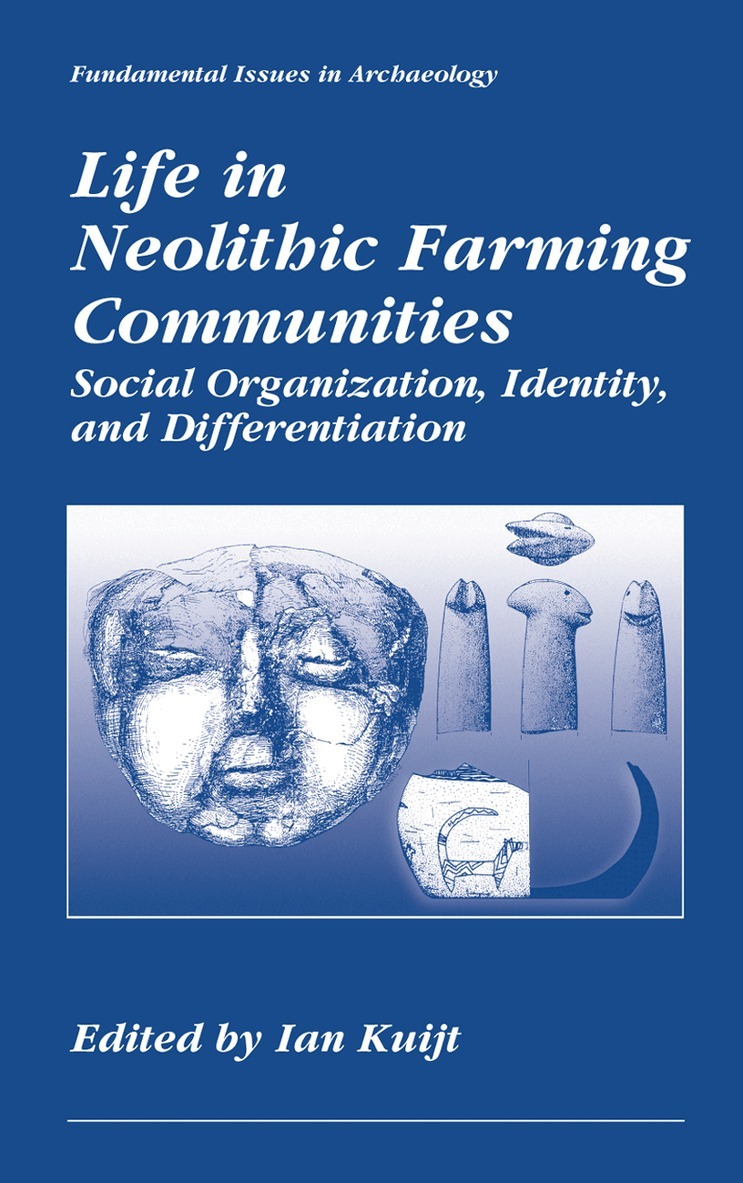
Life in Neolithic Farming Communities
Social Organization, Identity, and Differentiation
Av Ian Kuijt
Inbunden, 2000
1692 kr
Lägg i varukorg
Drawing on both the results of recent arhaeological research as well as anthropological theory, leading experts synthesize current thinking on the nature of and variation within Neolithic social arrangements. The authors analyze archaeological data within a range of methodological and theoretical …
Life in Neolithic Farming Communities
Social Organization, Identity, and Differentiation
Av Ian Kuijt
E-bok, 2006
2127 kr
Lägg i varukorg
Drawing on both the results of recent arhaeological research as well as anthropological theory, leading experts synthesize current thinking on the nature of and variation within Neolithic social arrangements. The authors analyze archaeological data within a range of methodological and theoretical …
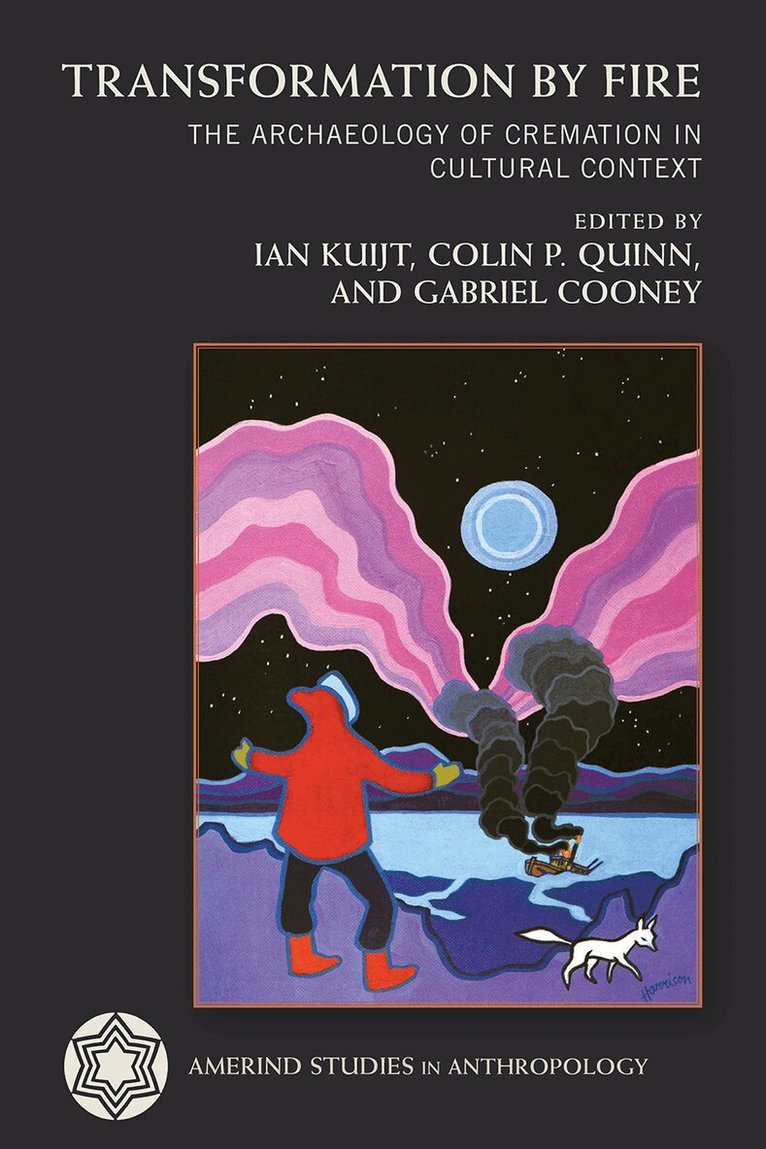
Transformation by Fire
The Archaeology of Cremation in Cultural Context
Av Ian Kuijt, Colin P. Quinn m. fl.
Häftad, 2025
425 kr
Lägg i varukorg
Ash, bone, and memories are all that remains after cremation. Yet for societies and communities, the act of cremation after death is highly symbolic, rich with complex meaning, touching on what it means to be human. In the process of transforming the dead, the family, the community, and society as …
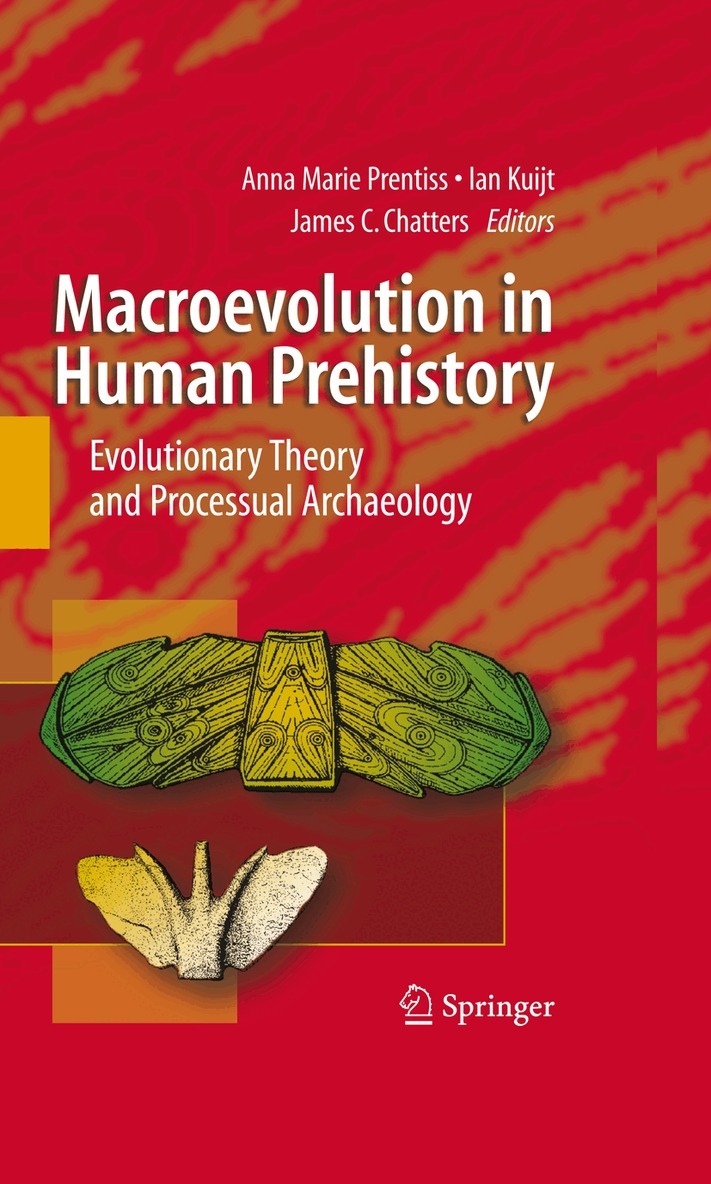
Macroevolution in Human Prehistory
Evolutionary Theory and Processual Archaeology
Av Anna Prentiss, Ian Kuijt m. fl.
Inbunden, 2009
1692 kr
Lägg i varukorg
Cultural evolution, much like general evolution, works from the assumption that cultures are descendent from much earlier ancestors. Human culture manifests itself in forms ranging from the small bands of hunters, through intermediate scale complex hunter-gatherers and farmers, to the high density …
Macroevolution in Human Prehistory
Evolutionary Theory and Processual Archaeology
Av James C. Chatters, Ian Kuijt m. fl.
E-bok, 2009
2174 kr
Lägg i varukorg
Cultural evolution, much like general evolution, works from the assumption that cultures are descendent from much earlier ancestors. Human culture manifests itself in forms ranging from the small bands of hunters, through intermediate scale complex hunter-gatherers and farmers, to the high density …
Life in Neolithic Farming Communities
Social Organization, Identity, and Differentiation
Av Ian Kuijt
Häftad, 2010
1692 kr
Lägg i varukorg
Drawing on both the results of recent arhaeological research as well as anthropological theory, leading experts synthesize current thinking on the nature of and variation within Neolithic social arrangements. The authors analyze archaeological data within a range of methodological and theoretical …
Macroevolution in Human Prehistory
Evolutionary Theory and Processual Archaeology
Av Anna Prentiss, Ian Kuijt m. fl.
Häftad, 2014
1688 kr
Lägg i varukorg
Cultural evolution, much like general evolution, works from the assumption that cultures are descendent from much earlier ancestors. Human culture manifests itself in forms ranging from the small bands of hunters, through intermediate scale complex hunter-gatherers and farmers, to the high density …