Ian McCarthy - Böcker
Visar alla böcker från författaren Ian McCarthy. Handla med fri frakt och snabb leverans.
2 produkter
2 produkter
2 101 kr
Skickas inom 10-15 vardagar
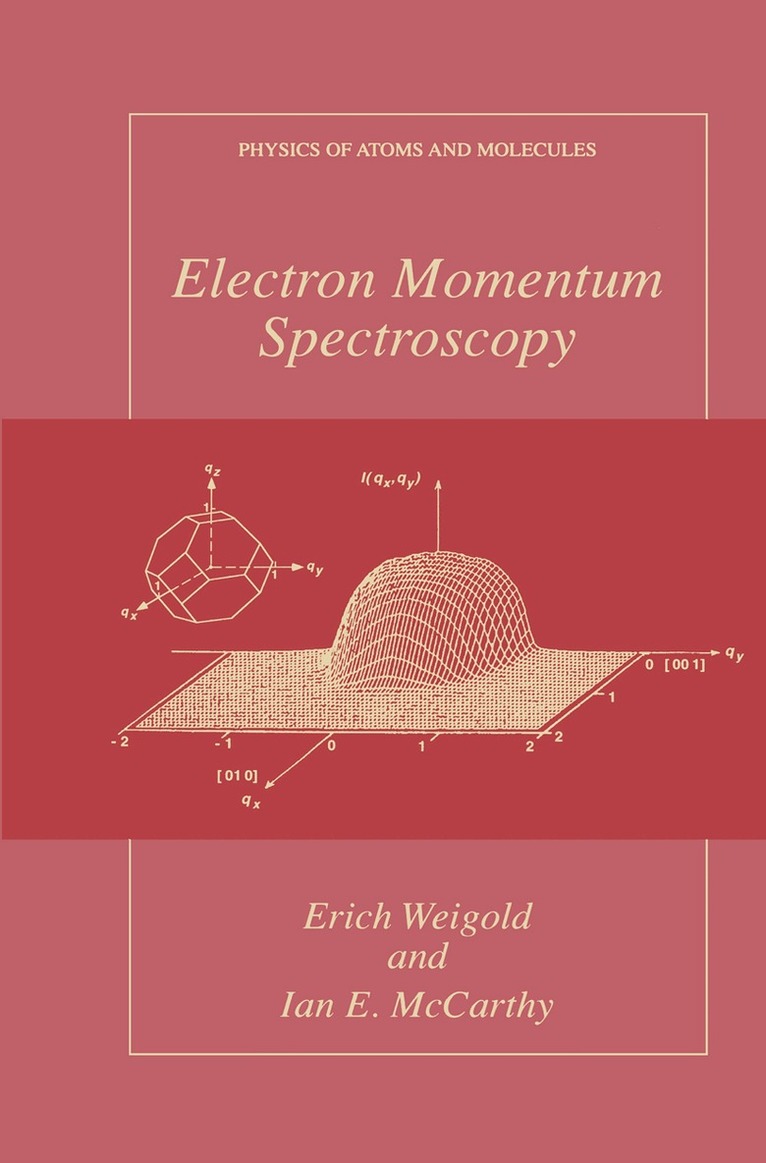
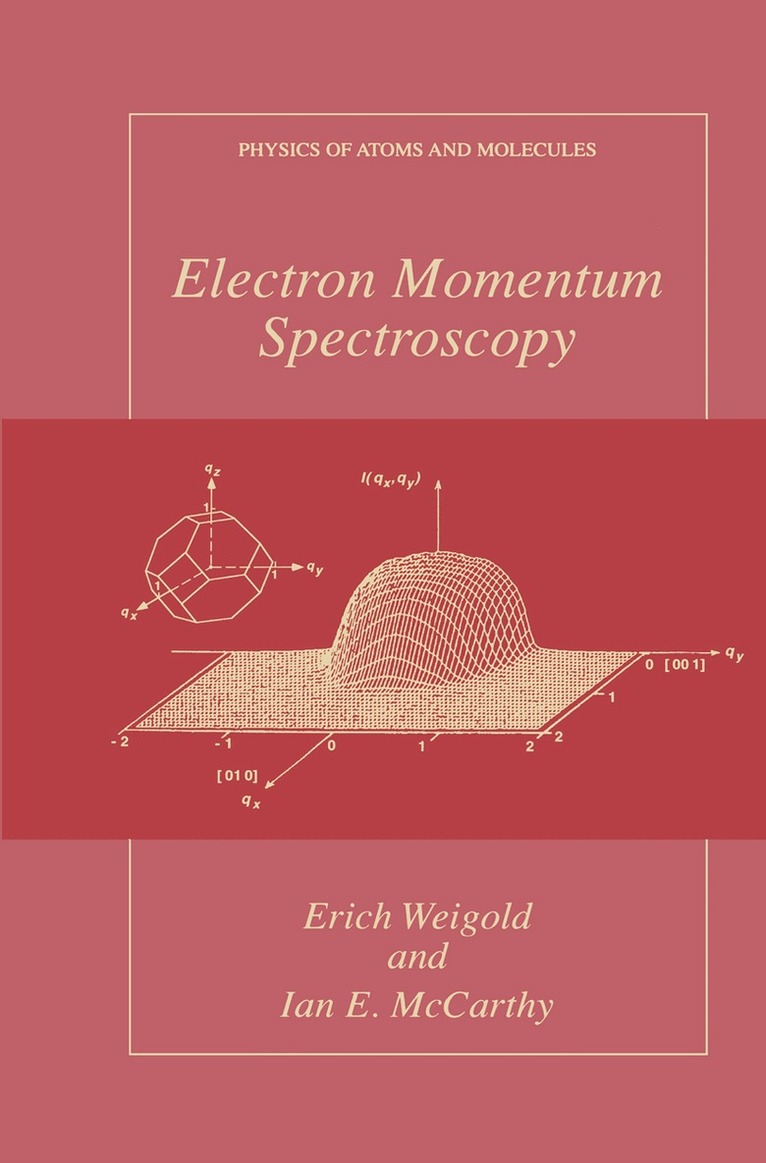
Electron momentum spectroscopy (EMS) measures the energy-momentum density of the electrons in atoms, molecules and solids by means of a kinematically-complete ionization reaction initiated by an electron beam. In this work, the construction of spectrometers and acquisition and reduction of cross-section data are described in detail. The quantum theory of the reaction is explained and experimental verification is given. The work demonstrates how to extract quasiparticle orbitals, and coefficients describing electron correlations of the data. These quantities are derived from the many-body theory of the electronic structure of atoms, molecules and solids. Relationships with less complete methods of investigating electronic structure are discussed. The volume provides examples of determination of atomic and molecular orbitals and quantities relating them to observed states of the residual ion. For amorphous, polycrystalline and crystalline solids and surfaces, examples illustrate the energy-momentum density of valence electron bands, and effects due to electron diffraction and plasmon excitation.The author aims to give a complete account of electron momentum spectroscopy and its scientific importance, as the only sensitive and experimentally-verifiable test available for all aspects of calculating electronic structure.
2 101 kr
Skickas inom 10-15 vardagar
Electron Momentum Spectroscopy measures the energy-momentum density of the electrons in atoms, molecules and solids by means of a kinematically-complete ionization reaction initiated by an electron beam. The construction of spectrometers and the acquisition and reduction of cross-section data are described in detail. The quantum theory of the reaction is explained and the experimental verification is given. It is shown how to extract quasiparticle orbitals, and coefficients describing electron correlations of the data. These quantities are derived from the many-body theory of the electronic structure of atoms, molecules and solids. The relationship to less complete methods of investigating electronic structure is discussed. Examples are given of the determination of atomic and molecular orbitals and quantities relating them to the observed states of the residual ion. For amorphous, polycrystalline and crystalline solids and surfaces, examples show the energy-momentum density of valence electron bands, and effects due to electron diffraction and plasmon excitation. The book aims to give a complete account of electron momentum spectroscopy to date. Its significance is that it is a sensitive and experimentally-verifiable test of essentially every aspect of calculations of electronic structure. It is the only such probe available.