Igor Štiks – författare
Visar alla böcker från författaren Igor Štiks. Handla med fri frakt och snabb leverans.
12 produkter
Citizenship after Yugoslavia
Av Jo Shaw, Igor Štiks
Inbunden, 2012
2512 kr
Lägg i varukorg
This book is the first comprehensive examination of the citizenship regimes of the new states that emerged out of the break up of Yugoslavia. It covers both the states that emerged out of the initial disintegration across 1991 and 1992 (Slovenia, Croatia, Bosnia-Herzegovina, the Federal Republic of …
Citizenship after Yugoslavia
Av Jo Shaw, Igor Štiks
Häftad, 2015
720 kr
Lägg i varukorg
This book is the first comprehensive examination of the citizenship regimes of the new states that emerged out of the break up of Yugoslavia. It covers both the states that emerged out of the initial disintegration across 1991 and 1992 (Slovenia, Croatia, Bosnia-Herzegovina, the Federal Republic of …
Citizenship after Yugoslavia
Av Igor Stiks, Jo Shaw
E-bok, 2013
781 kr
Lägg i varukorg
This book is the first comprehensive examination of the citizenship regimes of the new states that emerged out of the break up of Yugoslavia. It covers both the states that emerged out of the initial disintegration across 1991 and 1992 (Slovenia, Croatia, Bosnia-Herzegovina, the Federal Republic of …
Citizenship after Yugoslavia
Av Igor Stiks, Jo Shaw
E-bok, 2013
764 kr
Lägg i varukorg
This book is the first comprehensive examination of the citizenship regimes of the new states that emerged out of the break up of Yugoslavia. It covers both the states that emerged out of the initial disintegration across 1991 and 1992 (Slovenia, Croatia, Bosnia-Herzegovina, the Federal Republic of …
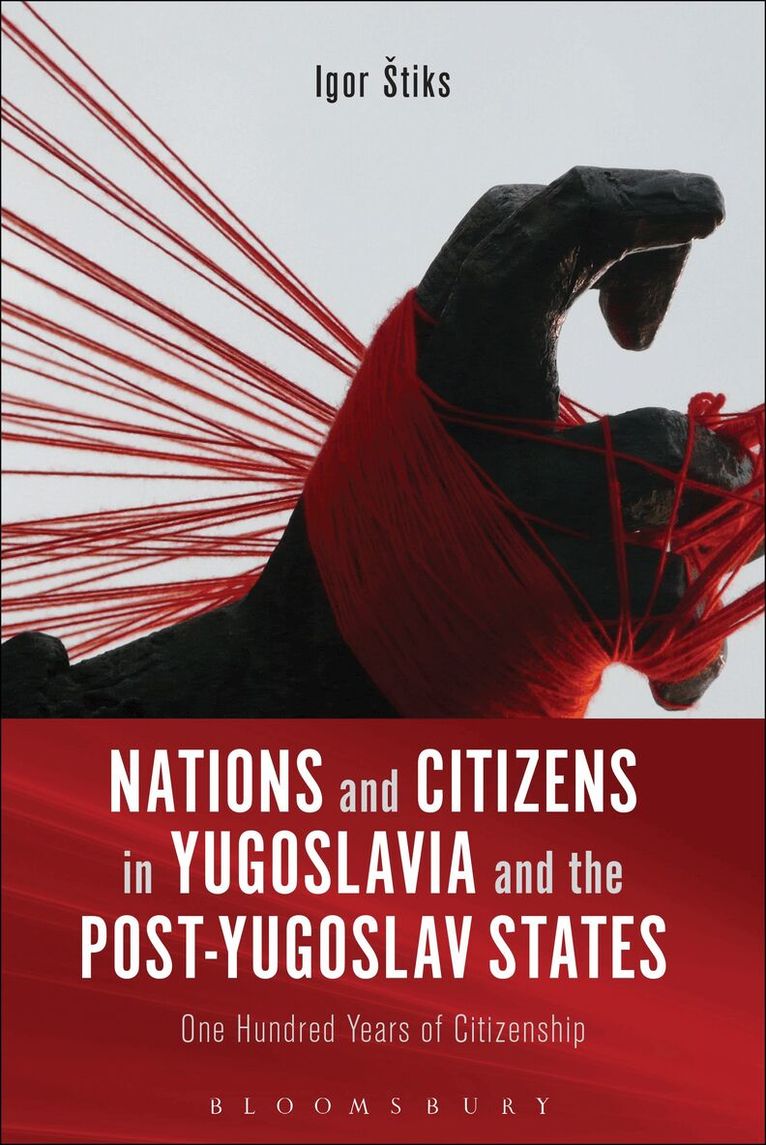
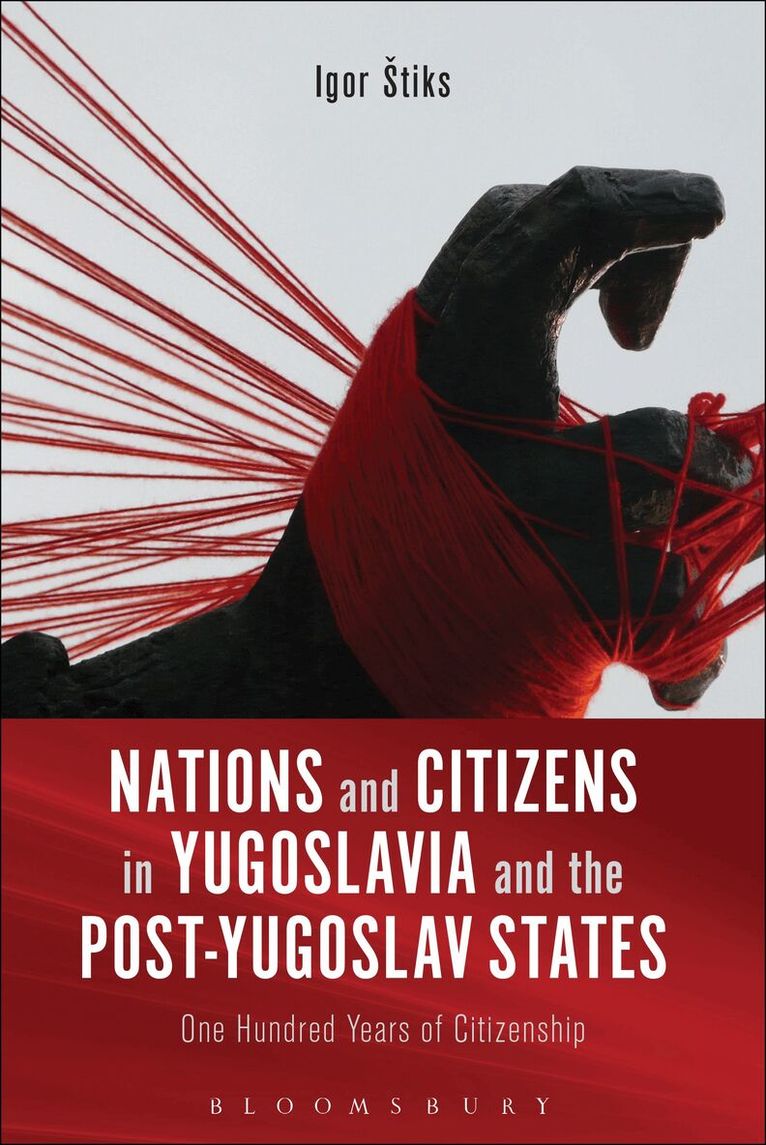
Nations and Citizens in Yugoslavia and the Post-Yugoslav States
One Hundred Years of Citizenship
Av Igor Štiks
Häftad, 2016
445 kr
Lägg i varukorg
This book is available as open access through the Bloomsbury Open Access programme and is available on www.bloomsburycollections.com.Between 1914 and the present day the political makeup of the Balkans has relentlessly changed, following unpredictable shifts of international and internal borders. …
Citizenship Rights
Av Igor Stiks, Jo Shaw
E-bok, 2017
831 kr
Lägg i varukorg
In today’s world all claims tend to be founded on or justified by ’rights’, be they political, social, economic or private. The ubiquity of this discourse has led to a blurring of the definition of what exactly constitutes rights, not to mention a blurring of the boundaries between different …
Citizenship Rights
Av Igor Stiks, Jo Shaw
E-bok, 2017
831 kr
Lägg i varukorg
In today’s world all claims tend to be founded on or justified by ’rights’, be they political, social, economic or private. The ubiquity of this discourse has led to a blurring of the definition of what exactly constitutes rights, not to mention a blurring of the boundaries between different …
Citizenship Rights
Av Igor Štiks, Jo Shaw
Inbunden, 2013
6897 kr
Lägg i varukorg
In today’s world all claims tend to be founded on or justified by ’rights’, be they political, social, economic or private. The ubiquity of this discourse has led to a blurring of the definition of what exactly constitutes rights, not to mention a blurring of the boundaries between different …
Nations and Citizens in Yugoslavia and the Post-Yugoslav States
One Hundred Years of Citizenship
Av Igor Štiks
Inbunden, 2015
1905 kr
Lägg i varukorg
This book is available as open access through the Bloomsbury Open Access programme and is available on www.bloomsburycollections.com.Between 1914 and the present day the political makeup of the Balkans has relentlessly changed, following unpredictable shifts of international and internal borders. …
Nations and Citizens in Yugoslavia and the Post-Yugoslav States
One Hundred Years of Citizenship
Av Igor Štiks
E-bok, 2015
27 kr
Lägg i varukorg
This book is available as open access through the Bloomsbury Open Access programme and is available on www.bloomsburycollections.com. Between 1914 and the present day the political makeup of the Balkans has relentlessly changed, following unpredictable shifts of international and internal borders. …
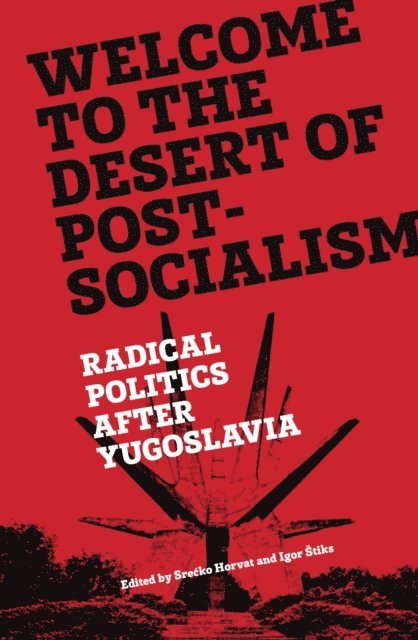
Welcome to the Desert of Post-Socialism
Radical Politics After Yugoslavia
E-bok, 2015
175 kr
Lägg i varukorg
This volume offers a profound analysis of post-socialist economic and political transformation in the Balkans, involving deeply unequal societies and oligarchical "democracies." The contributions deconstruct the persistent imaginary of the Balkans, pervasive among outsiders to the region, who see …
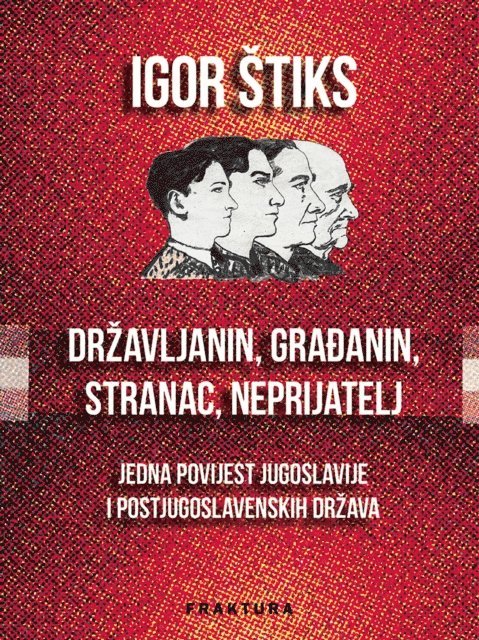
Državljanin, građanin, stranac, neprijatelj
Av Igor Stiks
E-bok, 2017
193 kr
Lägg i varukorg
Na prostorima nekadašnje Jugoslavije u posljednjih sto godina dogodile su se višestruke promjene, nastajale su i nestajale države i politički sistemi, događali su se brojni ratovi i prevrati, povijest je nemilice marširala ulicama razdvajajući obitelji i tražeći od pojedinca da joj se povinuje ili …