Ira Byock – författare
Visar alla böcker från författaren Ira Byock. Handla med fri frakt och snabb leverans.
9 produkter
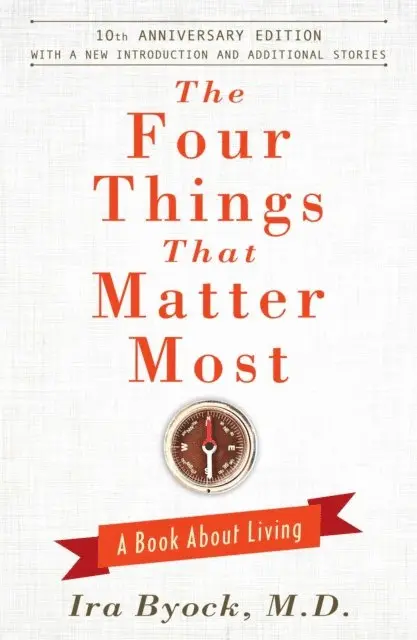
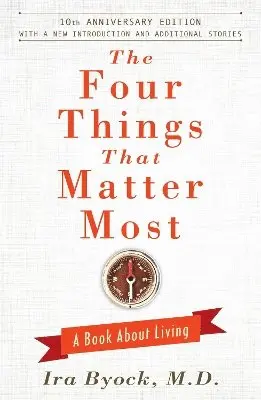
Four Things That Matter Most - 10th Anniversary Edition
A Book About Living
Av Ira Byock
E-bok, 2004
173 kr
Lägg i varukorg
“This beautiful book, full of wisdom and warmth, teaches us how to protect and preserve our most valuable possessions—the relationships with those we love. It shows that the things that matter definitely aren’t ‘things,’ and how to empower your life in the right direction.” —Dr. Stephen R. Covey, …
Few Months to Live
Different Paths to Life’s End
Av Jana Staton, Roger W. Shuy m. fl.
Häftad, 2001
494 kr
Lägg i varukorg
"A Few Months to Live" describes what dying is like from the perspectives of nine terminally ill individuals and their caregivers. Documenting a unique study of end-of-life experiences that included detailed conversations in home care settings, the book focuses on how participants lived their daily …
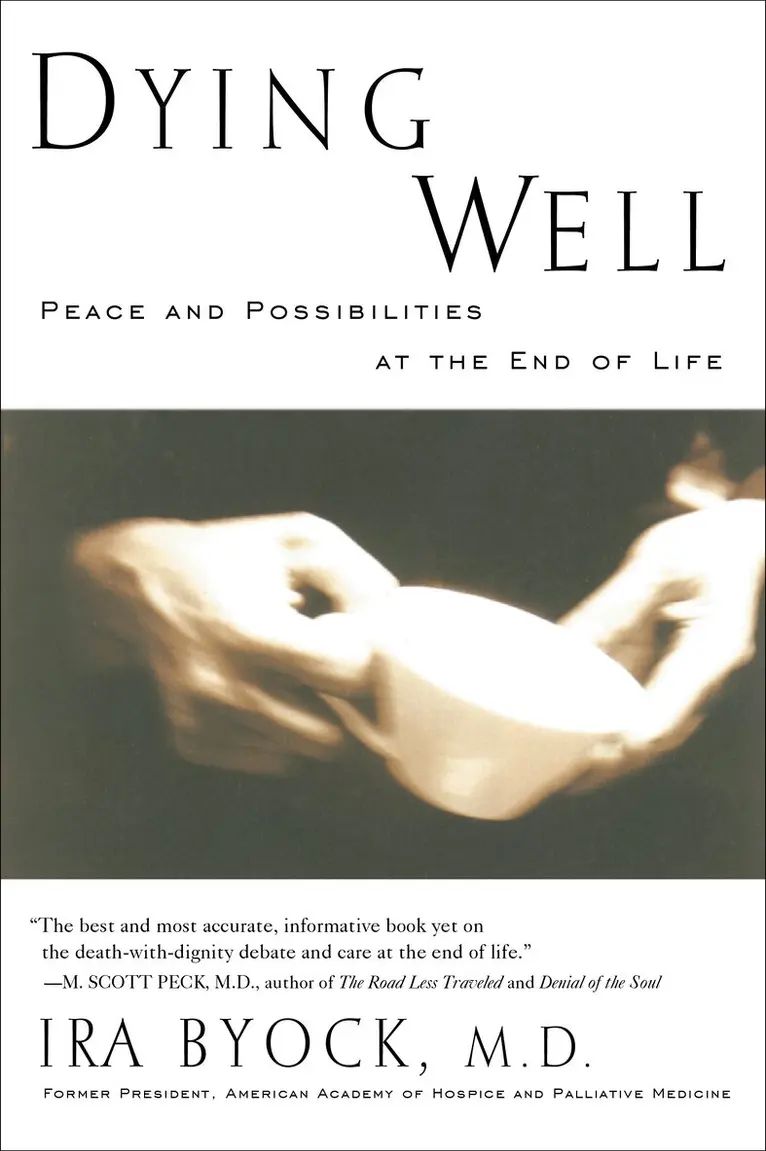
Dying Well
Av Ira Byock
E-bok, 1998
216 kr
Lägg i varukorg
From Ira Byock, prominent palliative care physician and expert in end of life decisions, a lesson in Dying Well . Nobody should have to die in pain. Nobody should have to die alone. This is Ira Byock''s dream, and he is dedicating his life to making it come true. Dying Well brings us to the homes …
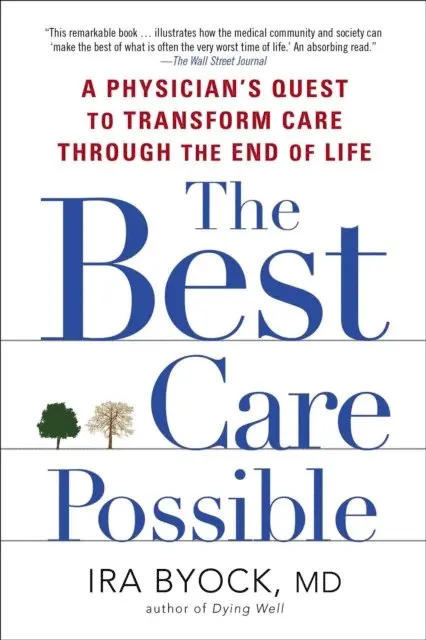
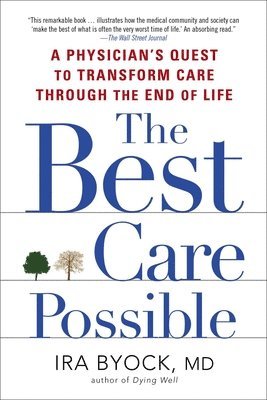
Best Care Possible
A Physician''s Quest to Transform Care Through the End of Life
Av Ira Byock
E-bok, 2012
147 kr
Lägg i varukorg
A palliative care doctor on the front lines of hospital care illuminates one of the most important and controversial ethical issues of our time on his quest to transform care through the end of life. It is harder to die in this country than ever before. Statistics show that the vast majority of …
Four Things That Matter Most - 10th Anniversary Edition
A Book About Living
Av Ira Byock
Inbunden, 2014
322 kr
Lägg i varukorg
Four simple phrases-"Please forgive me," "I forgive you," "Thank you," and "I love you"-carry enormous power to mend and nurture our relationships and inner lives. These four phrases and the sentiments they convey provide a path to emotional wellbeing, guiding us through interpersonal difficulties …
The Best Care Possible: A Physician's Quest to Transform Care Through the End of Life
Av Ira Byock
Häftad, 2013
345 kr
Lägg i varukorg
Few Months to Live
Different Paths to Life’s End
Av Ira Byock, Roger W. Shuy m. fl.
E-bok, 2001
806 kr
Lägg i varukorg
A Few Months to Live describes what dying is like from the perspectives of nine terminally ill individuals and their caregivers. Documenting a unique study of end-of-life experiences that included detailed conversations in home care settings, the book focuses on how participants lived their daily …
Being with Dying
Cultivating Compassion and Fearlessness in the Presence of Death
Häftad, 2024
209 kr
Lägg i varukorg
Inspiring teachings, personal stories, and meditations for those near death and their caregivers, by a respected Zen teacher who has worked with the dying for over 30 years. Everyone who lives must inevitably face death. Inspired by traditional Buddhist teachings and decades of work with the dying …