Ira Livingston – författare
Visar alla böcker från författaren Ira Livingston. Handla med fri frakt och snabb leverans.
6 produkter
6 produkter
Häftad, Engelska, 2009
402 kr
Skickas inom 5-8 vardagar
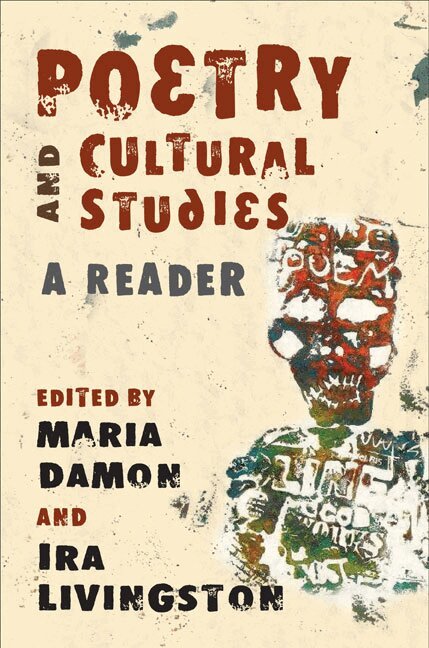
This volume is the first of its kind to collect classic and contemporary work focused on the intersection of poetry and cultural studies, reaching from Wordsworth's "Preface to Lyrical Ballads" and W. E. B. Du Bois's "Of the Sorrow Songs" to present-day essays on rap lyrics, queer poetry, folk poetry, and beyond. Rethinking notions of poetic experiences and their roles in popular or mass culture, these essays effectively delineate the relationship between poetry--a stereotypically private endeavor in the post-Enlightenment West--and the public social culture in which it is engendered. The writings in Poetry and Cultural Studies also acknowledge the major contributions of both the Frankfurt School, with its close analyses of reading and writing lyric poetry as social practices, and of the Birmingham School's major contributions toward broadening the field of artifacts permissible for serious study with the primarily literary tools of close reading of textual/textural detail. It is a volume that speaks to students, academics, poetry enthusiasts, and those interested in social movements, including slammers, academics, workshop leaders, and poetry theorists.
E-bok
Engelska, 2010422 kr
Läs direkt efter köp
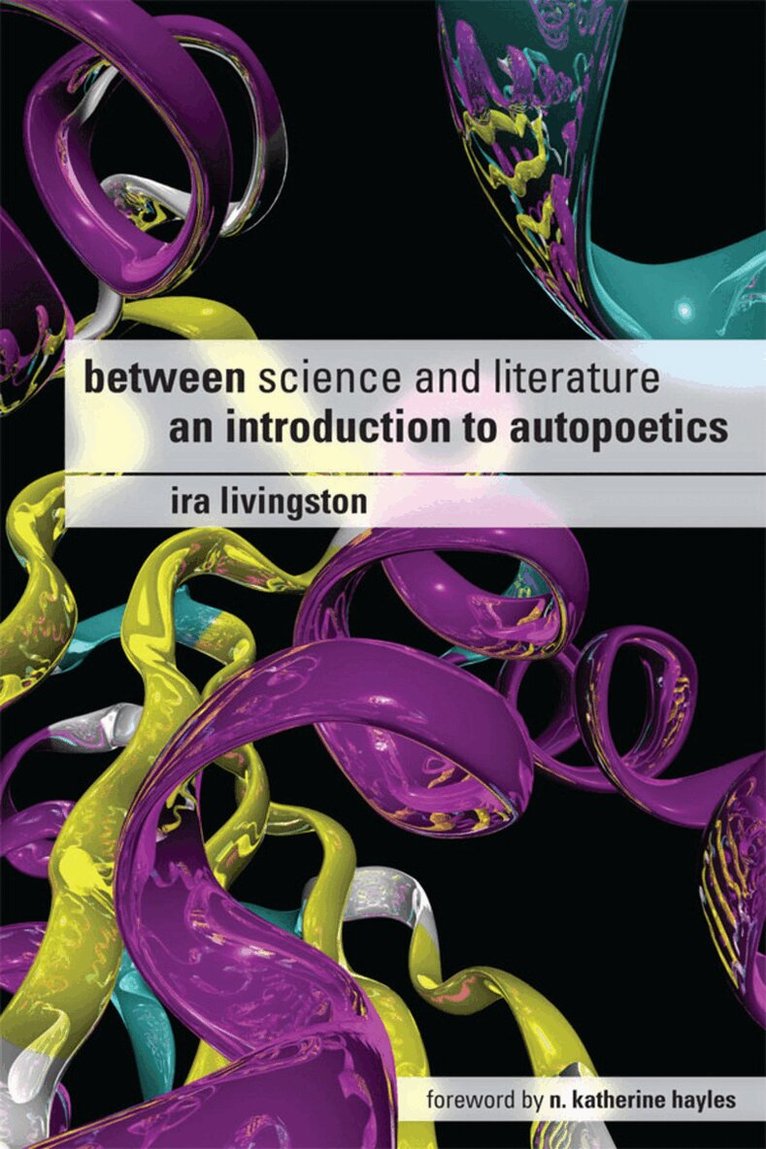
Between Literature and Science follows through to its emerging 21st-century future the central insight of 20th-century literary and cultural theory: that language and culture, along with their subsystems and artifacts, are self-referential systems. The book explores the workings of self-reference (and the related performativity) in linguistic utterances and assorted texts, through examples of the more open social-discursive systems of post-structuralism and cultural studies, and into the sciences, where complex systems organized by recursive self-reference are now being embraced as an emergent paradigm. This paradigmatic convergence between the humanities and sciences is autopoetics (adapting biologist Hubert Maturana’s term for “self-making” systems), and it signals a long-term epistemological shift across the nature/culture divide so definitive for modernity. If cultural theory has taught us that language, because of its self-referential nature, cannot bear simple witness to the world, the new paradigmatic status of self-referential systems in the natural sciences points toward a revived kinship of language and culture with the world: language bears “witness” to the world. The main movement of the book is through a series of model explications and analyses, operational definitions of concepts and terms, more extended case studies, vignettes and thought experiments designed to give the reader a feel for the concepts and how to use them, while working to expand the autopoetic internee by putting cultural self-reference in dialogue with the self-organizing systems of the sciences. Along the way the reader is introduced to self-reference in epistemology (Foucault), sociology (Luhmann), biology (Maturana/Varela/Kauffman), and physics and cosmology (Smolin). Livingston works through the fundamentals of cultural, literary, and science studies and makes them comprehensible to a non-specialist audience.
Häftad, Engelska, 1995
327 kr
Skickas inom 10-15 vardagar
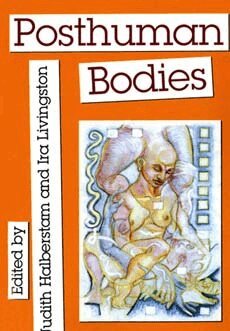
" . . . will draw a wide readership from the ranks of literary critics, film scholars, science studies scholars and the growing legion of 'literature and science' researchers. It should be among the essentials in a posthumanist toolbox." —Richard DoyleAutomatic teller machines, castrati, lesbians, The Terminator: all participate in the profound technological, representation, sexual, and theoretical changes in which bodies are implicated. Posthuman Bodies addresses new interfaces between humans and technology that are radically altering the experience of our own and others' bodies.
Häftad, Engelska, 1997
497 kr
Skickas inom 5-8 vardagar
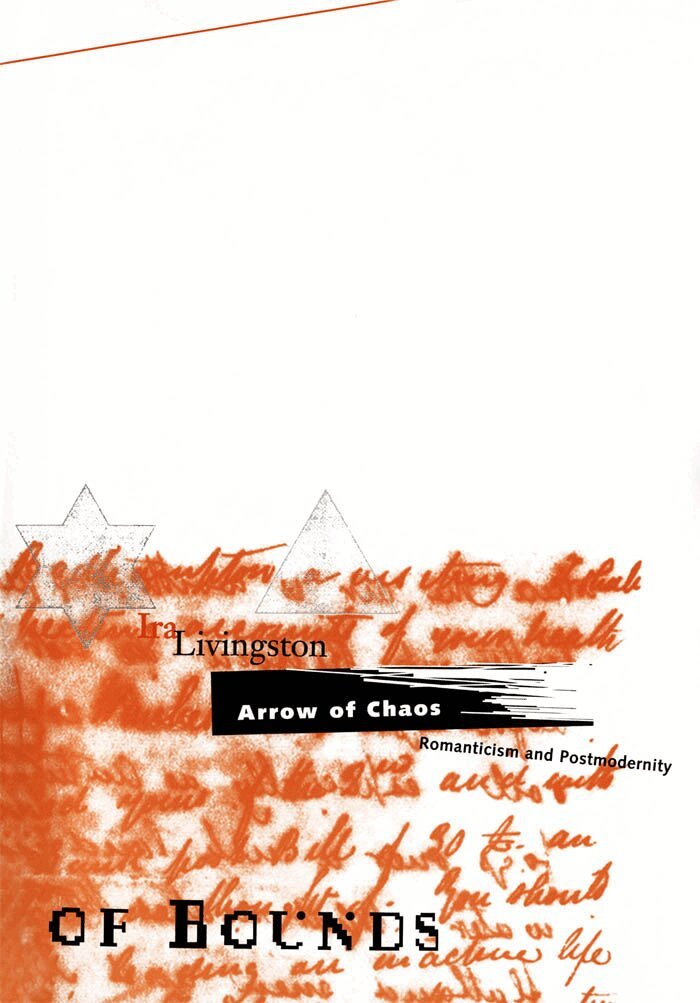
Traces the relationship between the texts and obsessions of the Romantic and postmodern periods.Arrow of Chaos navigates through postmodern coordinates such as chaos theory and fractals as well as literary and cultural theory, mapping the ongoing mutations of Romanticism in postmodern culture and the inklings of the postmodern already at work in Romanticism. The result is a “chaology of knowledge,” a study of the logic of chaos.Ira Livingston’s reading of Romantic and postmodern texts-from poetic, political and scientific works to films and dreams-reveal surprising code shiftings within and among them. The resilience of Romanticism, Livingston argues, lies not in enforcing a single “master narrative” but in orchestrating these fluxes.Using theory and critical readings alongside a series of illustrative vignettes, Livingston portrays cultural history as a dynamic entity conserved by the continually renewed demands of order and disorder. By modeling ways to think through chaos and through the mutual deformations of Romanticism and postmodernity, Arrow of Chaos contributes to alternative alignments of knowledge across time and technique.
Häftad, Engelska, 2012
271 kr
Skickas inom 3-6 vardagar
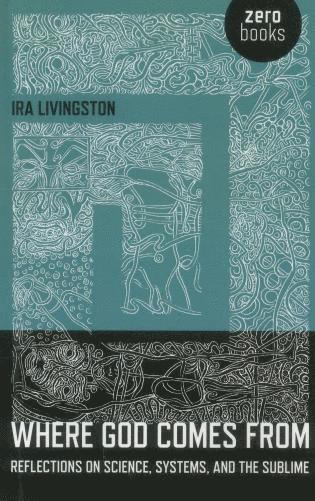
Where God Comes From explores how the sublime and miraculous can be found in a whole range of processes-- from chemistry and biology to language and literature and social interactions -- and how they loop back on themselves to form complex systems, stitching themselves and their environments together. The book traces an arc that passes through a series of different essay forms: a prose poem in Twitter-length units, a philosophical dialogue, traditional essays, and finally a story. Each is a metacognitive investigation of mystical experience as what happens when consciousness discovers its family resemblances with other recursive processes.
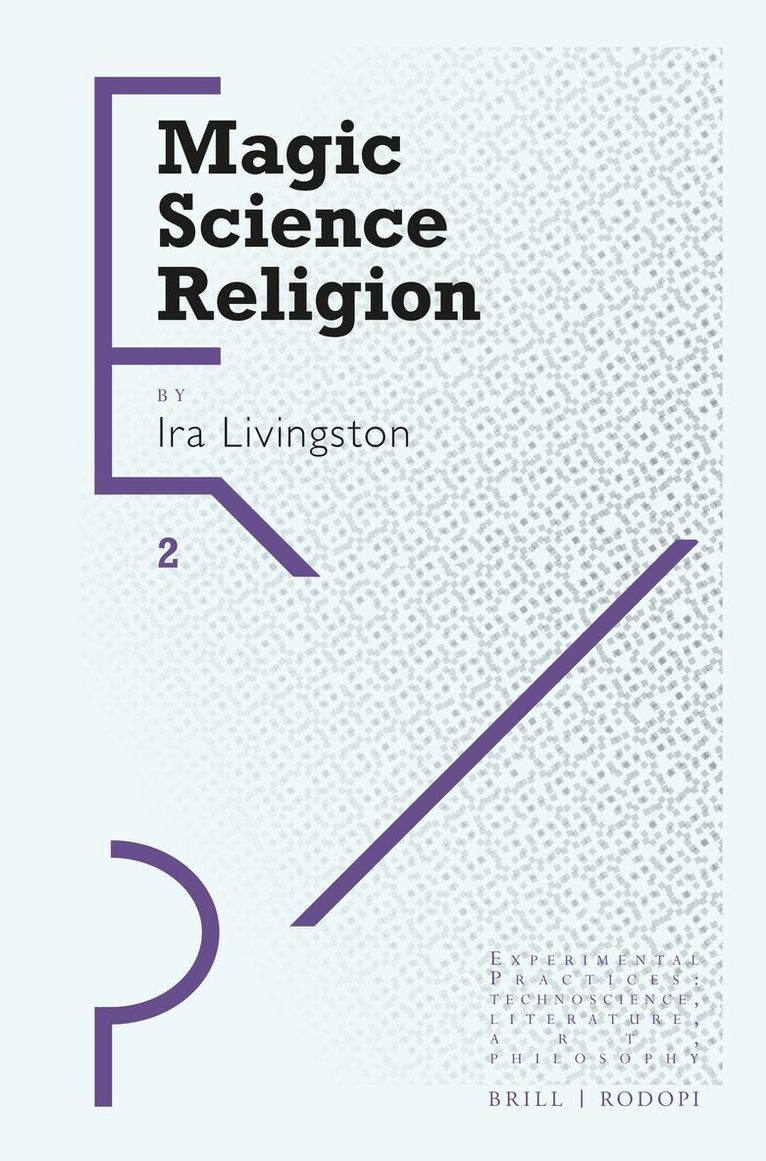
Del 2 - Experimental Practices
Magic Science Religion
Häftad, Engelska, 2018
745 kr
Skickas inom 5-8 vardagar
Magic Science Religion explores surprising intersections among the three meaning-making and world-making practices named in the title. Through colorful examples, the book reveals circuitous ways that social, cultural and natural systems connect, enabling real kinds of magic to operate. Among the many case studies are accounts of how an eighteenth-century actor gave his audience goosebumps; how painters, poets, and pool sharks use nonlinearity in working their magics; how the first vertebrates gained consciousness; how plants fine-tuned human color vision; and the necessarily magical element of activism that builds on the conviction that "another future is possible" while working to push self-fulfilling prophecy into political action.