Irina Aristarkhova – författare
Visar alla böcker från författaren Irina Aristarkhova. Handla med fri frakt och snabb leverans.
10 produkter
10 produkter
Häftad, Engelska, 2012
289 kr
Skickas inom 5-8 vardagar
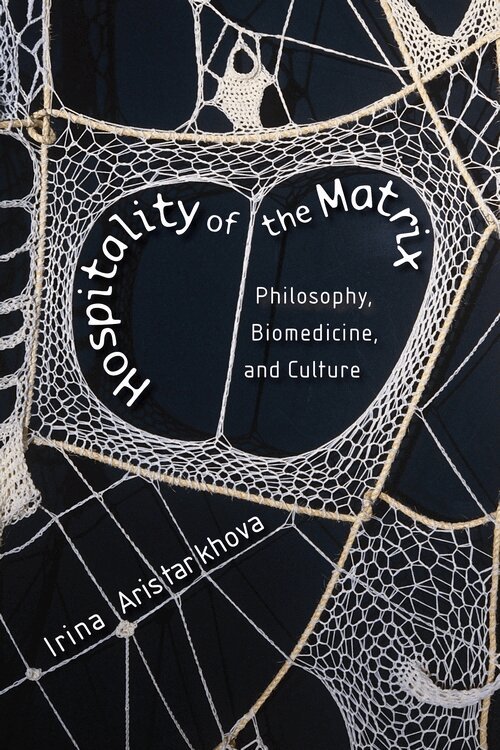
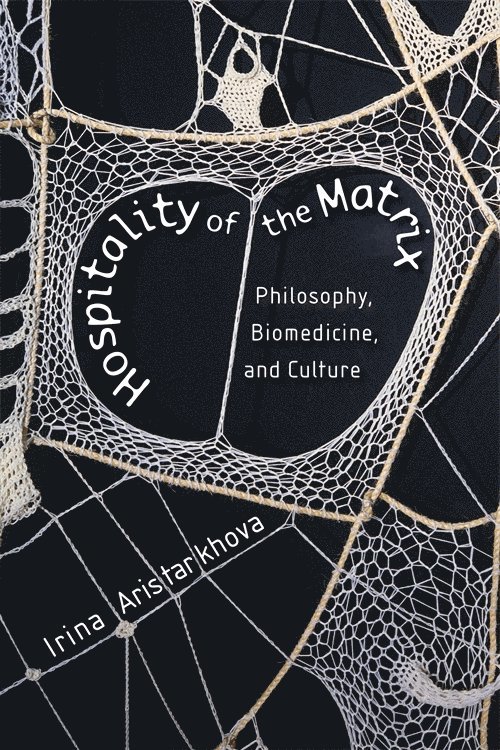
The question "Where do we come from?" has fascinated philosophers, scientists, and artists for generations. This book reorients the question of the matrix as a place where everything comes from (chora, womb, incubator) by recasting it in terms of acts of "matrixial/maternal hospitality" producing space and matter of and for the other. Irina Aristarkhova theorizes such hospitality with the potential to go beyond tolerance in understanding self/other relations. Building on and critically evaluating a wide range of historical and contemporary scholarship, she applies this theoretical framework to the science, technology, and art of ectogenesis (artificial womb, neonatal incubators, and other types of generation outside of the maternal body) and proves the question "Can the machine nurse?" is critical when approaching and understanding the functional capacities and failures of incubating technologies, such as artificial placenta. Aristarkhova concludes with the science and art of male pregnancy, positioning the condition as a question of the hospitable man and newly defined fatherhood and its challenge to the conception of masculinity as unable to welcome the other.
E-bok
Engelska, 2012437 kr
Läs direkt efter köp
The question "Where do we come from?" has fascinated philosophers, scientists, and artists for generations. This book reorients the question of the matrix as a place where everything comes from (chora, womb, incubator) by recasting it in terms of acts of "matrixial/maternal hospitality" producing space and matter of and for the other. Irina Aristarkhova theorizes such hospitality with the potential to go beyond tolerance in understanding self/other relations. Building on and critically evaluating a wide range of historical and contemporary scholarship, she applies this theoretical framework to the science, technology, and art of ectogenesis (artificial womb, neonatal incubators, and other types of generation outside of the maternal body) and proves the question "Can the machine nurse?" is critical when approaching and understanding the functional capacities and failures of incubating technologies, such as artificial placenta. Aristarkhova concludes with the science and art of male pregnancy, positioning the condition as a question of the hospitable man and newly defined fatherhood and its challenge to the conception of masculinity as unable to welcome the other.
Inbunden, Engelska, 2020
1 363 kr
Skickas inom 5-8 vardagar
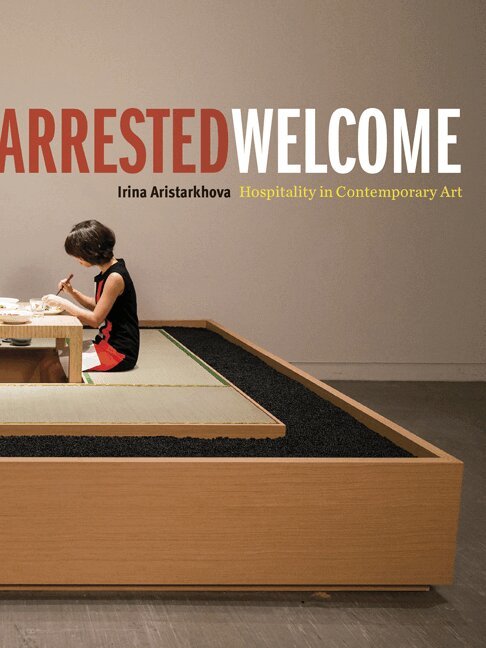
Interpreting the meaning of hospitality in an unwelcoming political moment Amid xenophobic challenges to America’s core value of welcoming the tired and the poor, Irina Aristarkhova calls for new forms of hospitality in her engagement with the works of eight international artists. In this first monograph on hospitality in contemporary art, Aristarkhova employs a feminist perspective to critically explore the artworks of Ana Prvački, Faith Wilding, Lee Mingwei, Kathy High, Mithu Sen, Pippa Bacca, Silvia Moro, and Ken Aptekar and asks who, how, and what determines who is worthy of our welcome. Spanning a diverse range of contemporary art practices, Arrested Welcome shows how artists challenge our existing notions of hospitality-culturally, philosophically, and politically. From the role of “microcourtesies” in social change to the portrayal of waiting as a feminist endeavor, Aristarkhova looks deeply into topics such as gender stereotypes of welcome, ways to reclaim civility, and the means by which guests (sometimes human, sometimes animal) push the limits of our hosting traditions. Blending a feminist analysis of hospitality with in-depth case studies on how contemporary artists stimulate personal reflection and political engagement, Aristarkhova initiates these important conversations at a critical time of national and international hospitality crises.
Häftad, Engelska, 2020
332 kr
Skickas inom 5-8 vardagar
Interpreting the meaning of hospitality in an unwelcoming political moment Amid xenophobic challenges to America’s core value of welcoming the tired and the poor, Irina Aristarkhova calls for new forms of hospitality in her engagement with the works of eight international artists. In this first monograph on hospitality in contemporary art, Aristarkhova employs a feminist perspective to critically explore the artworks of Ana Prvački, Faith Wilding, Lee Mingwei, Kathy High, Mithu Sen, Pippa Bacca, Silvia Moro, and Ken Aptekar and asks who, how, and what determines who is worthy of our welcome. Spanning a diverse range of contemporary art practices, Arrested Welcome shows how artists challenge our existing notions of hospitality-culturally, philosophically, and politically. From the role of “microcourtesies” in social change to the portrayal of waiting as a feminist endeavor, Aristarkhova looks deeply into topics such as gender stereotypes of welcome, ways to reclaim civility, and the means by which guests (sometimes human, sometimes animal) push the limits of our hosting traditions. Blending a feminist analysis of hospitality with in-depth case studies on how contemporary artists stimulate personal reflection and political engagement, Aristarkhova initiates these important conversations at a critical time of national and international hospitality crises.
Inbunden, Engelska, 2026
451 kr
Skickas inom 10-15 vardagar
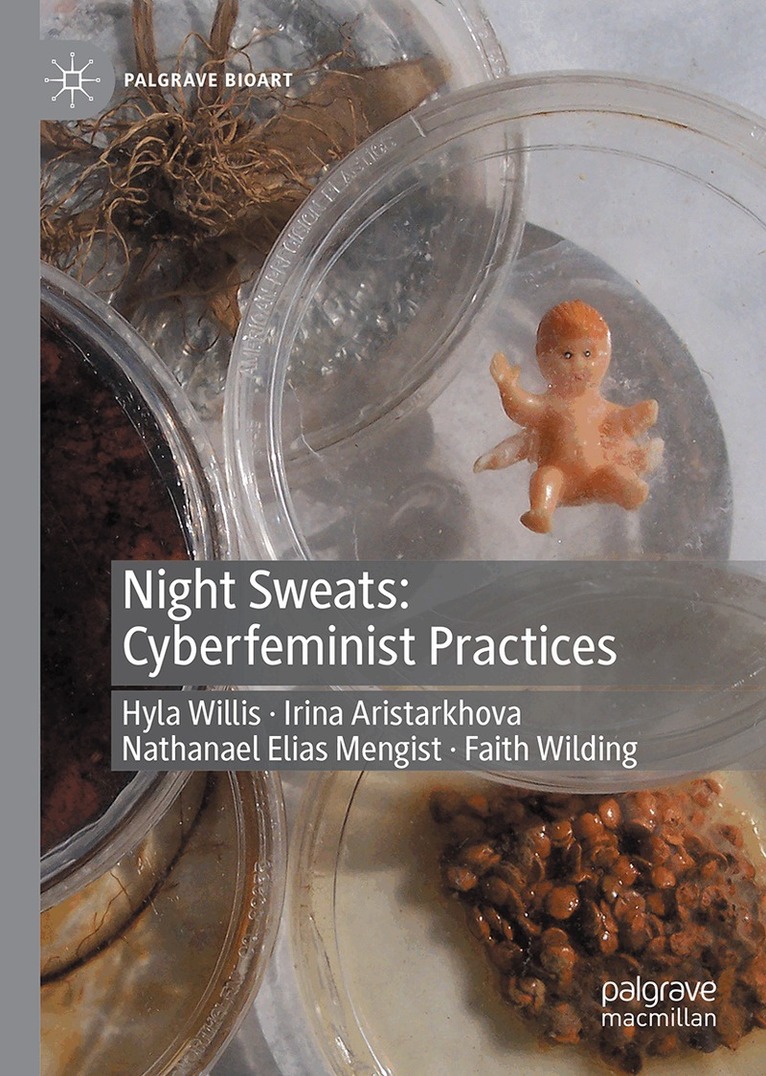
Night Sweats: Cyberfeminist Practices intervenes in this moment of rapid biotechnological development and international political turmoil with thought-provoking, creative, and justice-oriented essays on art and life: opting out of the sludge and consent theatre presented by standard “terms and conditions”; creating plant-assisted reproductive technologies (pARTs) such as indecision trees; practicing compassionate inquiry; and becoming a cyborg-elder. Refusing the authoritarian turn and backlash against reproductive, LGBTQIA+, and racial justice movements, its authors and contributors—artists, writers, scholars, designers, activists, and educators—draw on the twenty-five years of cyberfeminist art work from the subRosa art collective, as well as Black, postcolonial, and environmental feminisms. The overall motto of the book is “we will save ourselves,” with examples taken from critical and revisionist histories of alchemy, the automation of writing systems, and reproductive mutual aid. In doing so, the authors develop new analyses of (cyber)feminist contributions to bioart, tactical media, gender, women’s, and sexuality studies, media studies and communication, technoscience studies and STS, durational art, and performance studies.
E-bok
Engelska, 2026571 kr
Läs direkt efter köp
Night Sweats: Cyberfeminist Practices intervenes in this moment of rapid biotechnological development and international political turmoil with thought-provoking, creative, and justice-oriented essays on art and life: opting out of the sludge and consent theatre presented by standard “terms and conditions”; creating plant-assisted reproductive technologies (pARTs) such as indecision trees; practicing compassionate inquiry; and becoming a cyborg-elder. Refusing the authoritarian turn and backlash against reproductive, LGBTQIA+, and racial justice movements, its authors and contributors—artists, writers, scholars, designers, activists, and educators—draw on the twenty-five years of cyberfeminist art work from the subRosa art collective, as well as Black, postcolonial, and environmental feminisms. The overall motto of the book is “we will save ourselves,” with examples taken from critical and revisionist histories of alchemy, the automation of writing systems, and reproductive mutual aid. In doing so, the authors develop new analyses of (cyber)feminist contributions to bioart, tactical media, gender, women’s, and sexuality studies, media studies and communication, technoscience studies and STS, durational art, and performance studies.
E-bok
Tyska, 201258 kr
Läs direkt efter köp
In diesem Notizbuch diskutieren die Künstlerin Ana Prvacki und die Wissenschaftlerin Irina Aristarkhova über das gesellschaftliche Konzept des Begrüßens sowie über die Gesten und die Ethik von Gastfreundschaft. Als Künstlerin mit serbisch-rumänischen Wurzeln berichtet Prvacki von der Großherzigkeit ihrer Großmutter auch in schlechten Zeiten und ihr kindliches Fehlverhalten, als sie einem Gast, den sie nicht mochte, Schnee in die Stiefel steckte. Aus ihrer persönlichen Herangehensweise an Höflichkeitsregeln entwickelt Prvacki eine historische Übersicht über unterschiedliche künstlerische und politische Praktiken der Gastfreundlichkeit, beginnend bei Borats Fauxpas über das Singapore Kindness Movement bis zu den Obamas. Aristarkhova fügt einen theoretischen Rahmen zur Geschichte und Ethik der Gastlichkeit hinzu, die von Immanuel Kant und seinem Konzept der »Zuvorkommenheit« bis hin zu leuchtenden Beispielen wie Gandhi, Mutter Theresa und Martin Luther King reicht. Die unterschiedlichen Einstellungen zur Höflichkeit werden immer wieder zu unangenehmen Situationen führen, aber wie Aristarkhova sagt, »es ist besser, mit Unterschieden umzugehen, als vorzugeben, dass wir alle genau gleich sind«. Ana Prvacki (*1976) ist Künstlerin und lebt in Los Angeles und Singapur.Irina Aristarkhova (*1969) unterrichtet sowohl Women''s Studies als auch Kunst an der Pennsylvania State University. Sprache: Deutsch/Englisch
E-bok
PDF, Tyska, 202358 kr
Läs direkt efter köp
In diesem Notizbuch diskutieren die Künstlerin Ana Prvacki und die Wissenschaftlerin Irina Aristarkhova über das gesellschaftliche Konzept des Begrüßens sowie über die Gesten und die Ethik von Gastfreundschaft. Als Künstlerin mit serbisch-rumänischen Wurzeln berichtet Prvacki von der Großherzigkeit ihrer Großmutter auch in schlechten Zeiten und ihr kindliches Fehlverhalten, als sie einem Gast, den sie nicht mochte, Schnee in die Stiefel steckte. Aus ihrer persönlichen Herangehensweise an Höflichkeitsregeln entwickelt Prvacki eine historische Übersicht über unterschiedliche künstlerische und politische Praktiken der Gastfreundlichkeit, beginnend bei Borats Fauxpas über das Singapore Kindness Movement bis zu den Obamas. Aristarkhova fügt einen theoretischen Rahmen zur Geschichte und Ethik der Gastlichkeit hinzu, die von Immanuel Kant und seinem Konzept der »Zuvorkommenheit« bis hin zu leuchtenden Beispielen wie Gandhi, Mutter Theresa und Martin Luther King reicht. Die unterschiedlichen Einstellungen zur Höflichkeit werden immer wieder zu unangenehmen Situationen führen, aber wie Aristarkhova sagt, »es ist besser, mit Unterschieden umzugehen, als vorzugeben, dass wir alle genau gleich sind«. Ana Prvacki (*1976) ist Künstlerin und lebt in Los Angeles und Singapur. Irina Aristarkhova (*1969) unterrichtet sowohl Women''s Studies als auch Kunst an der Pennsylvania State University. Sprache: Deutsch/Englisch
Engelska, 2024
708 kr
Skickas inom 3-6 vardagar
Inbunden, Engelska, 2012
898 kr
Tillfälligt slut
The question "Where do we come from?" has fascinated philosophers, scientists, and artists for generations. This book reorients the question of the matrix as a place where everything comes from (chora, womb, incubator) by recasting it in terms of acts of "matrixial/maternal hospitality" producing space and matter of and for the other. Irina Aristarkhova theorizes such hospitality with the potential to go beyond tolerance in understanding self/other relations. Building on and critically evaluating a wide range of historical and contemporary scholarship, she applies this theoretical framework to the science, technology, and art of ectogenesis (artificial womb, neonatal incubators, and other types of generation outside of the maternal body) and proves the question "Can the machine nurse?" is critical when approaching and understanding the functional capacities and failures of incubating technologies, such as artificial placenta. Aristarkhova concludes with the science and art of male pregnancy, positioning the condition as a question of the hospitable man and newly defined fatherhood and its challenge to the conception of masculinity as unable to welcome the other.