Irina Rebrova – författare
Visar alla böcker från författaren Irina Rebrova. Handla med fri frakt och snabb leverans.
2 produkter
2 produkter
1 440 kr
Kommande
This edited volume comprehensively examines antisemitism within Soviet society and the Soviet system. It sees expert contributors based in nine different countries define its characteristics, foreground how Jews experienced prejudice, and elucidate the ways in which antisemitism intersected with repression of non-Jewish groups.Defining Soviet Antisemitism spans a variety of approaches, from empirically based case studies to methodological reflections and ‘state of the field’ retrospectives. In particular, the book articulates what was specifically ‘Soviet’ about Soviet antisemitism, while at the same time presenting anti-Jewish prejudice in the USSR as a variable spectrum that extended from 1917 through 1991. The bottom-up perspective of many of the chapters included enhances understanding of grassroots manifestations of antisemitism in the USSR, especially how they shaped the daily lives of ordinary Soviet Jews.With the nature of antisemitism and its relation to anti-Israel sentiments increasingly hotly debated, Defining Soviet Antisemitism returns us to the notorious case of Soviet antisemitism and sheds new light on how to distinguish and counteract prejudice against Jews based on their Jewish identities in the process.
1 530 kr
Skickas inom 5-8 vardagar
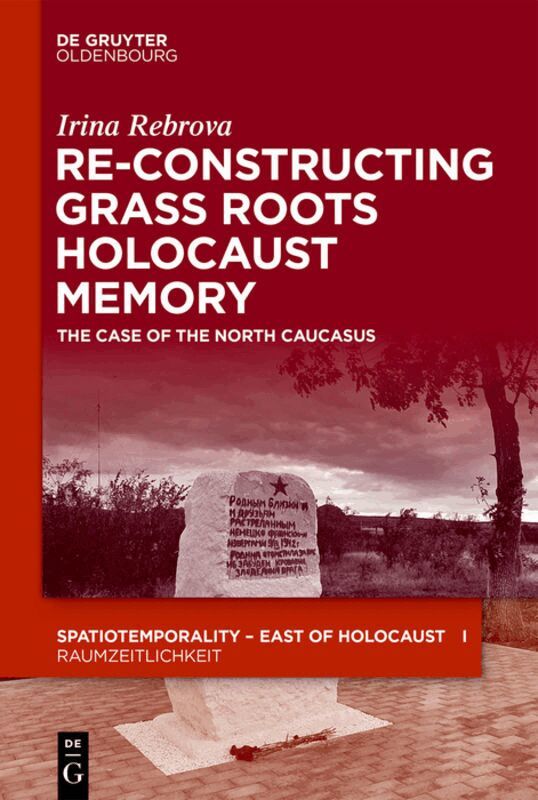
The main objective of the book is to allocate the grass roots initiatives of remembering the Holocaust victims in a particular region of Russia which has a very diverse ethnic structure and little presence of Jews at the same time. It aims to find out how such individual initiatives correspond to the official Russian hero-orientated concept of remembering the Second World war with almost no attention to the memory of war victims, including Holocaust victims. North Caucasus became the last address of thousands of Soviet Jews, both evacuees and locals. While there was almost no attention paid to the Holocaust victims in the official Soviet propaganda in the postwar period, local activists and historians together with the members of Jewish communities preserved Holocaust memory by installing small obelisks at the killing sites, writing novels and making documentaries, teaching about the Holocaust at schools and making small thematic exhibitions in the local and school museums. Individual types of grass roots activities in the region on remembering Holocaust victims are analyzed in each chapter of the book.