Irini Papanicolopulu – författare
Visar alla böcker från författaren . Handla med fri frakt och snabb leverans.
6 produkter
6 produkter
E-bok
PDF, Engelska, 20181 294 kr
Läs direkt efter köp
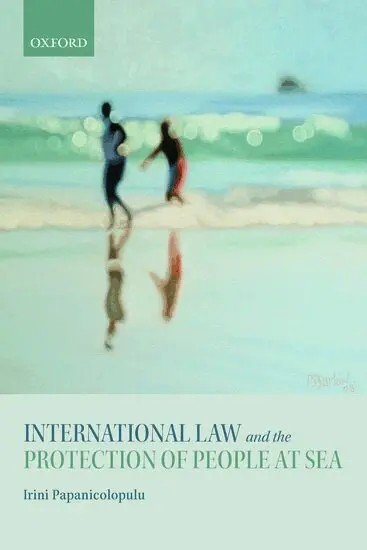
Media interest in the fates of people at sea has heightened across the last decade. The attacks and the hostage taking of victims by Somali pirates, and the treatment of migrants and asylum seekers in the Mediterranean, ask pressing questions, as does the sinking of the Costa Concordia off the Italian island of Giglio which, one hundred years after the Titanic capsized, reminded the world that, despite modern navigation systems and technology, shipping is stillfallible. Do pirates have human rights? Can migrants at sea be turned back to the State from which they have sailed? How can the crews of vessels be protected against inhuman and degrading working and living conditions? And are States liable under international human rights treaties for arresting drugtraffickers on the high seas?The first text to comprehensively compare the legal rights of different people at sea, Irini Papanicolopulu''s timely text argues that there is an overarching duty of the state to protect people at sea and adopt all necessary acts with a view towards ensuring enjoyment of their rights. Rather than being in doubt, she reveals that the emerging law in this area is watertight.
E-bok
Engelska, 20181 294 kr
Läs direkt efter köp
Media interest in the fates of people at sea has heightened across the last decade. The attacks and the hostage taking of victims by Somali pirates, and the treatment of migrants and asylum seekers in the Mediterranean, ask pressing questions, as does the sinking of the Costa Concordia off the Italian island of Giglio which, one hundred years after the Titanic capsized, reminded the world that, despite modern navigation systems and technology, shipping is stillfallible. Do pirates have human rights? Can migrants at sea be turned back to the State from which they have sailed? How can the crews of vessels be protected against inhuman and degrading working and living conditions? And are States liable under international human rights treaties for arresting drugtraffickers on the high seas?The first text to comprehensively compare the legal rights of different people at sea, Irini Papanicolopulu''s timely text argues that there is an overarching duty of the state to protect people at sea and adopt all necessary acts with a view towards ensuring enjoyment of their rights. Rather than being in doubt, she reveals that the emerging law in this area is watertight.
Inbunden, Engelska, 2018
1 970 kr
Skickas inom 3-6 vardagar
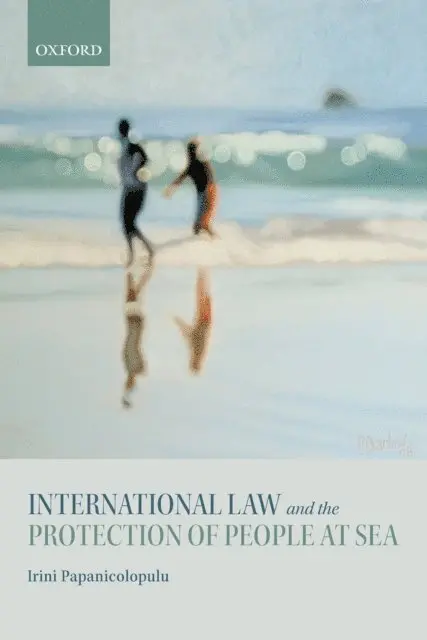
Media interest in the fates of people at sea has heightened across the last decade. The attacks and the hostage taking of victims by Somali pirates, and the treatment of migrants and asylum seekers in the Mediterranean, ask pressing questions, as does the sinking of the Costa Concordia off the Italian island of Giglio which, one hundred years after the Titanic capsized, reminded the world that, despite modern navigation systems and technology, shipping is still fallible. Do pirates have human rights? Can migrants at sea be turned back to the State from which they have sailed? How can the crews of vessels be protected against inhuman and degrading working and living conditions? And are States liable under international human rights treaties for arresting drug traffickers on the high seas?The first text to comprehensively compare the legal rights of different people at sea, Irini Papanicolopulu's timely text argues that there is an overarching duty of the state to protect people at sea and adopt all necessary acts with a view towards ensuring enjoyment of their rights. Rather than being in doubt, she reveals that the emerging law in this area is watertight.
Inbunden, Engelska, 2022
1 693 kr
Skickas inom 10-15 vardagar
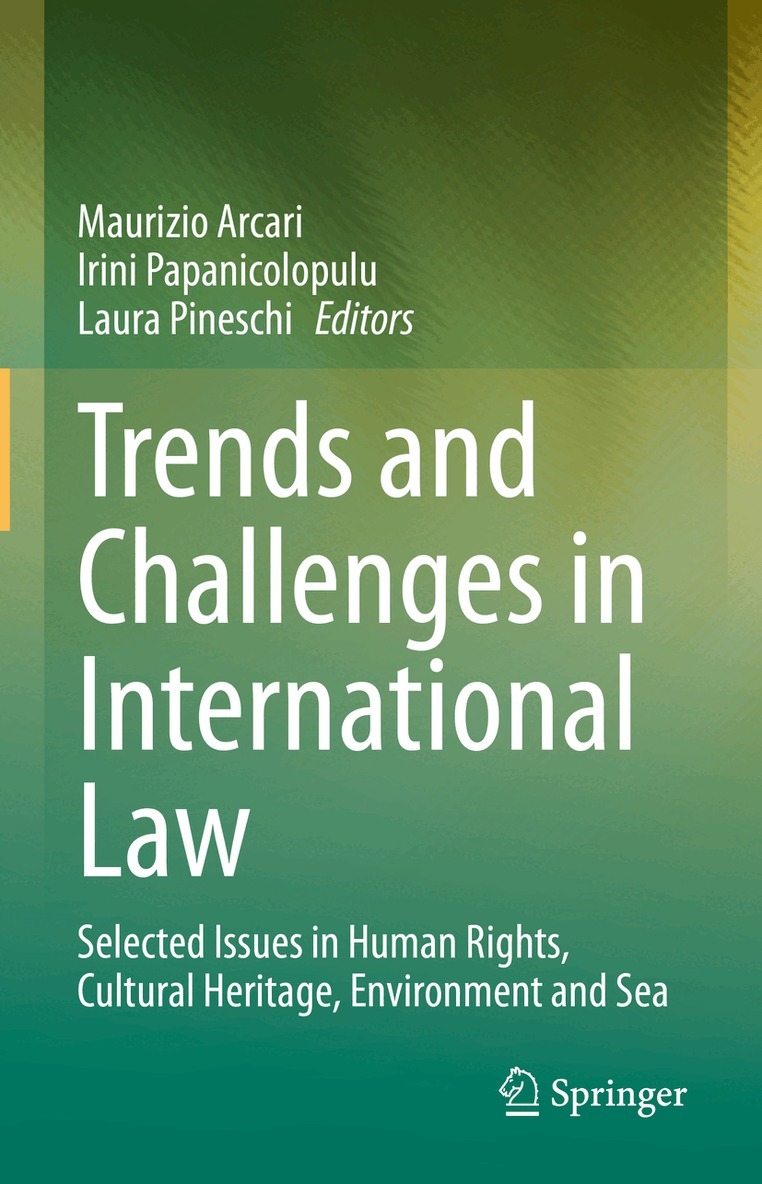
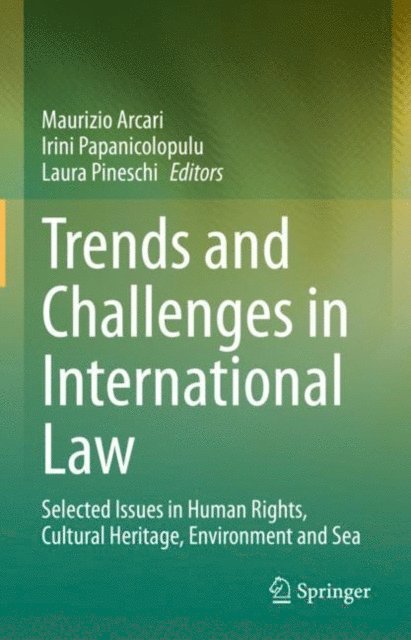
Over the last century, international law has sought to keep pace with sweeping changes that have revolutionised the international community. It has done so in various ways: by developing new fields, adopting new legal instruments, and including new actors and entities in the international fora. Human rights law and environmental law have emerged to address essential issues raised by civil society. Treaties, judgments and soft law instruments have attempted to fill the gaps in regulation. International organisations, corporations, civil society organisations and individuals have all worked to make and enforce, also by judicial means, legal rules. But is all this sufficient?In an effort to answer this question, the chapters of this volume explore selected emerging issues in the fields of human rights, the environment, cultural heritage and law of the sea. Can state responsibility help to protect the environment? Can protecting human rights be reconciled with nationalsecurity? Can the UN Security Council address climate change? Is law of the sea still fit for purpose? And how can we balance human rights and the environment, or cultural heritage and law of the sea? The international scholars and experienced practitioners who have contributed to this volume discuss these and other key questions.Given its scope, the book will appeal to researchers and scholars of international law, as well as those specialising in human rights law, environmental law, cultural heritage law, and law of the sea.
E-bok
Engelska, 20222 176 kr
Läs direkt efter köp
Over the last century, international law has sought to keep pace with sweeping changes that have revolutionised the international community. It has done so in various ways: by developing new fields, adopting new legal instruments, and including new actors and entities in the international fora. Human rights law and environmental law have emerged to address essential issues raised by civil society. Treaties, judgments and soft law instruments have attempted to fill the gaps in regulation. International organisations, corporations, civil society organisations and individuals have all worked to make and enforce, also by judicial means, legal rules. But is all this sufficient?In an effort to answer this question, the chapters of this volume explore selected emerging issues in the fields of human rights, the environment, cultural heritage and law of the sea. Can state responsibility help to protect the environment? Can protecting human rights be reconciled with nationalsecurity? Can the UN Security Council address climate change? Is law of the sea still fit for purpose? And how can we balance human rights and the environment, or cultural heritage and law of the sea? The international scholars and experienced practitioners who have contributed to this volume discuss these and other key questions.Given its scope, the book will appeal to researchers and scholars of international law, as well as those specialising in human rights law, environmental law, cultural heritage law, and law of the sea.
Häftad, Engelska, 2023
1 693 kr
Skickas inom 10-15 vardagar
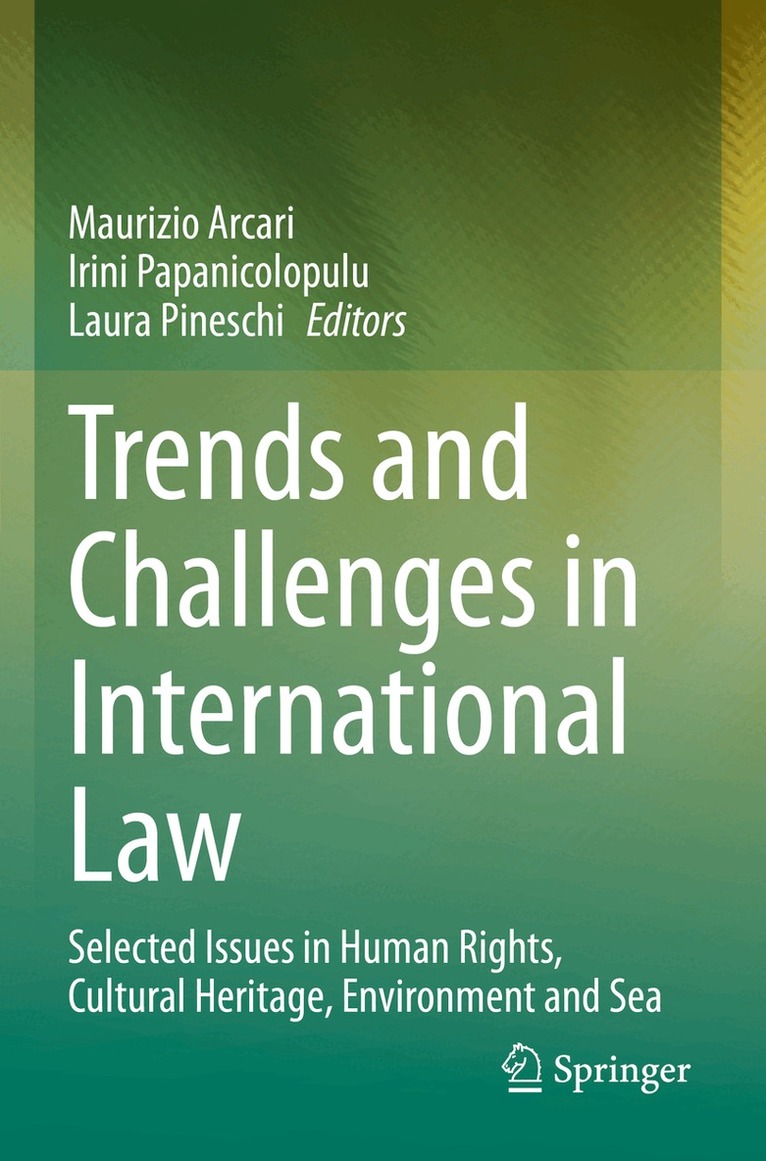
Over the last century, international law has sought to keep pace with sweeping changes that have revolutionised the international community. It has done so in various ways: by developing new fields, adopting new legal instruments, and including new actors and entities in the international fora. Human rights law and environmental law have emerged to address essential issues raised by civil society. Treaties, judgments and soft law instruments have attempted to fill the gaps in regulation. International organisations, corporations, civil society organisations and individuals have all worked to make and enforce, also by judicial means, legal rules. But is all this sufficient?In an effort to answer this question, the chapters of this volume explore selected emerging issues in the fields of human rights, the environment, cultural heritage and law of the sea. Can state responsibility help to protect the environment? Can protecting human rights be reconciled with nationalsecurity? Can the UN Security Council address climate change? Is law of the sea still fit for purpose? And how can we balance human rights and the environment, or cultural heritage and law of the sea? The international scholars and experienced practitioners who have contributed to this volume discuss these and other key questions.Given its scope, the book will appeal to researchers and scholars of international law, as well as those specialising in human rights law, environmental law, cultural heritage law, and law of the sea.