Isabella Cosse – författare
Visar alla böcker från författaren Isabella Cosse. Handla med fri frakt och snabb leverans.
10 produkter
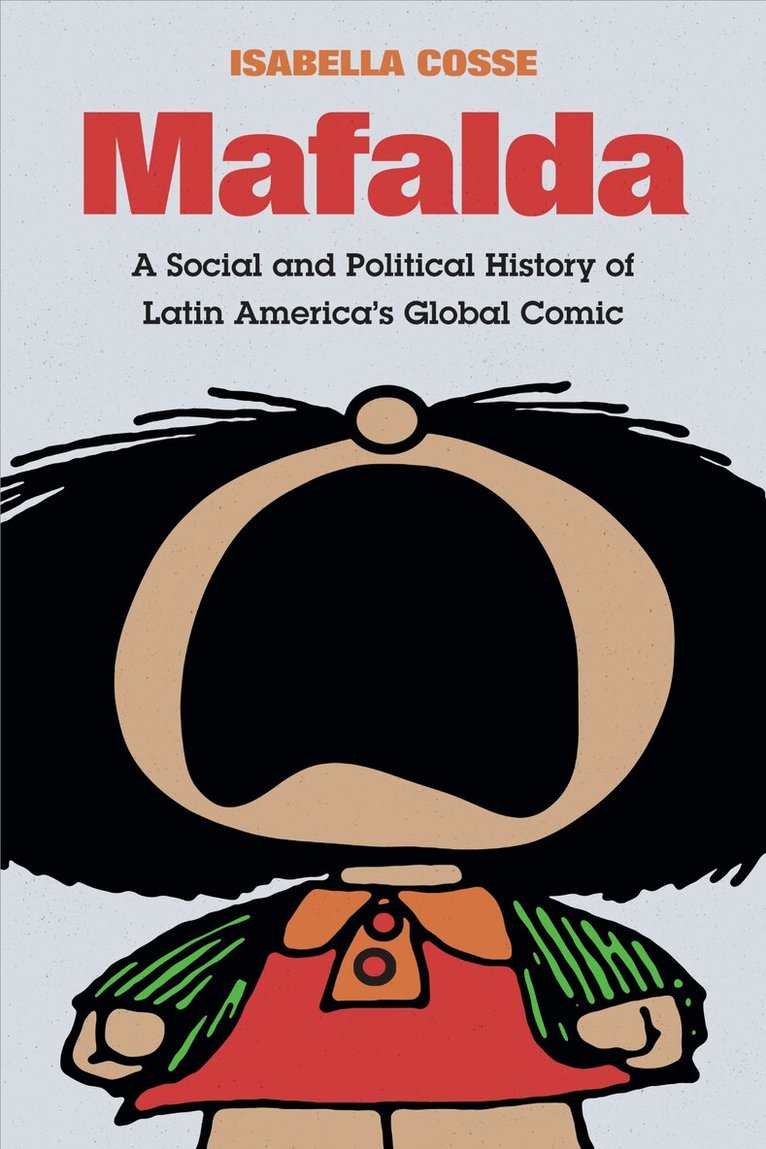
Mafalda
A Social and Political History of Latin America's Global Comic
Inbunden, 2019
1185 kr
Lägg i varukorg
Since its creation in 1964, readers from all over the world have loved the comic Mafalda, primarily because of the sharp wit and rebellious nature of its title character-a four-year-old girl who is wise beyond her years. Through Mafalda, Argentine cartoonist JoaquÍn Salvador Lavado explores complex …
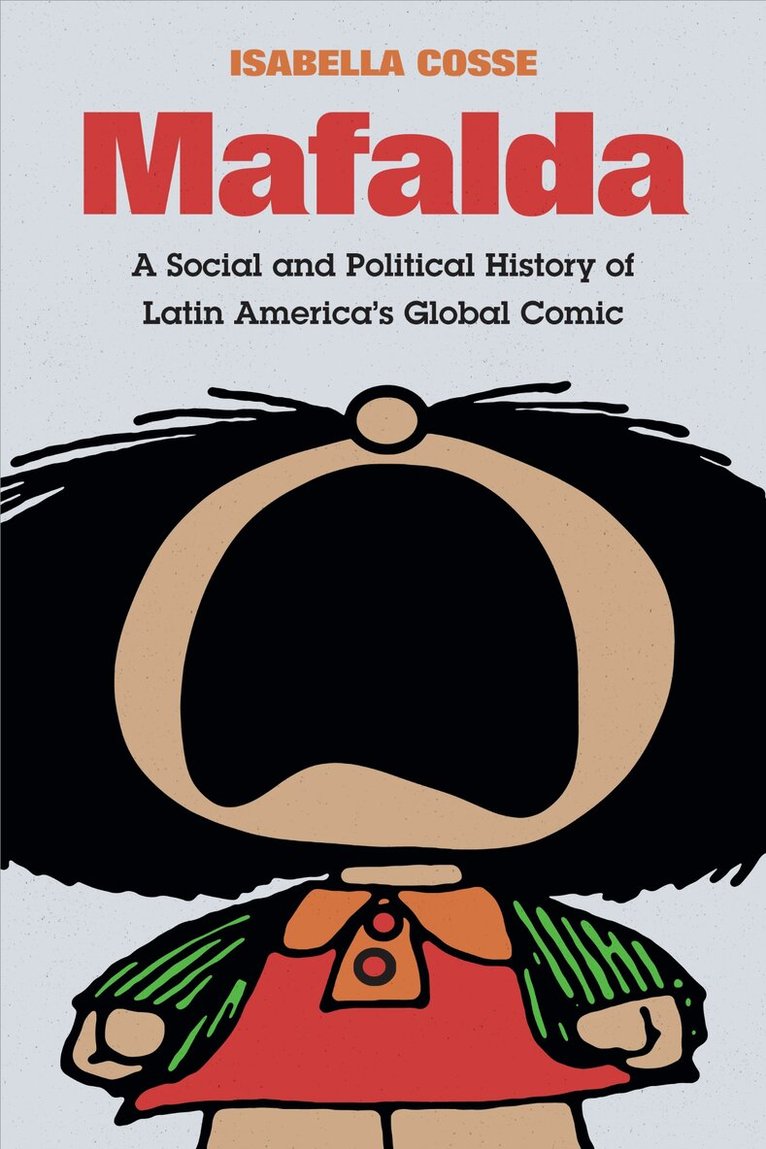
Mafalda
A Social and Political History of Latin America''s Global Comic
E-bok, 2019
470 kr
Lägg i varukorg
Since its creation in 1964, readers from all over the world have loved the comic Mafalda , primarily because of the sharp wit and rebellious nature of its title character—a four-year-old girl who is wise beyond her years. Through Mafalda, Argentine cartoonist Joaquín Salvador Lavado explores …
Mafalda
A Social and Political History of Latin America's Global Comic
Häftad, 2019
307 kr
Lägg i varukorg
Since its creation in 1964, readers from all over the world have loved the comic Mafalda, primarily because of the sharp wit and rebellious nature of its title character-a four-year-old girl who is wise beyond her years. Through Mafalda, Argentine cartoonist JoaquÍn Salvador Lavado explores complex …
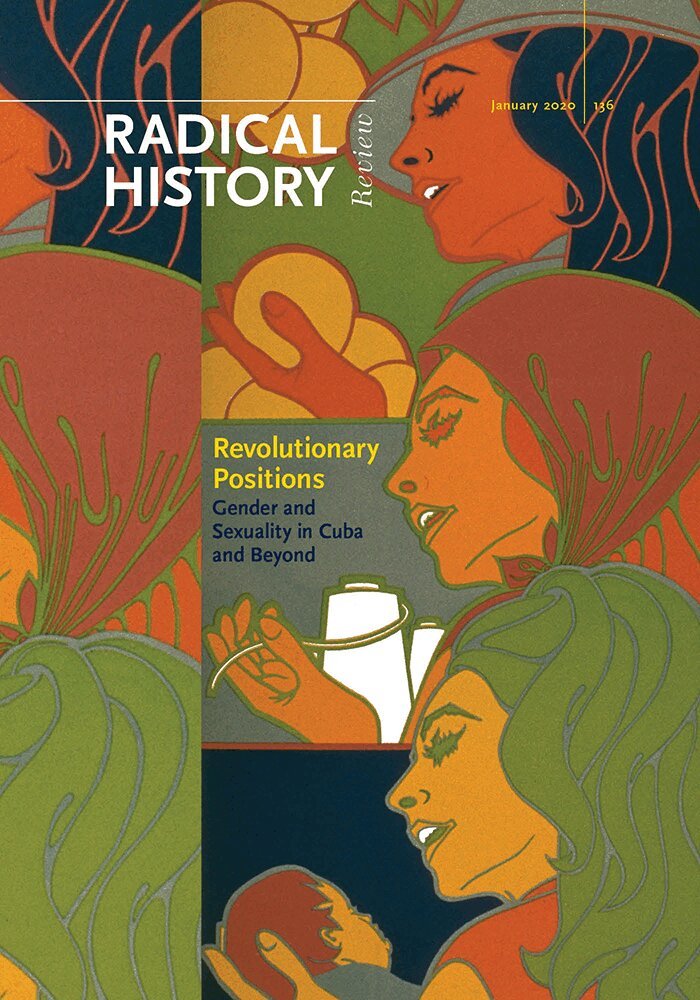
Revolutionary Positions
Sexuality and Gender in Cuba and Beyond
Av Michelle Chase, Isabella Cosse m. fl.
Häftad, 2020
166 kr
Lägg i varukorg
As the Cuban Revolution reaches its sixtieth anniversary, contributors to this special issue explore the impact of the revolution through the lens of sexuality and gender, providing a social and cultural history that illuminates the Cuban-influenced global New Left. Moving beyond assumptions about …
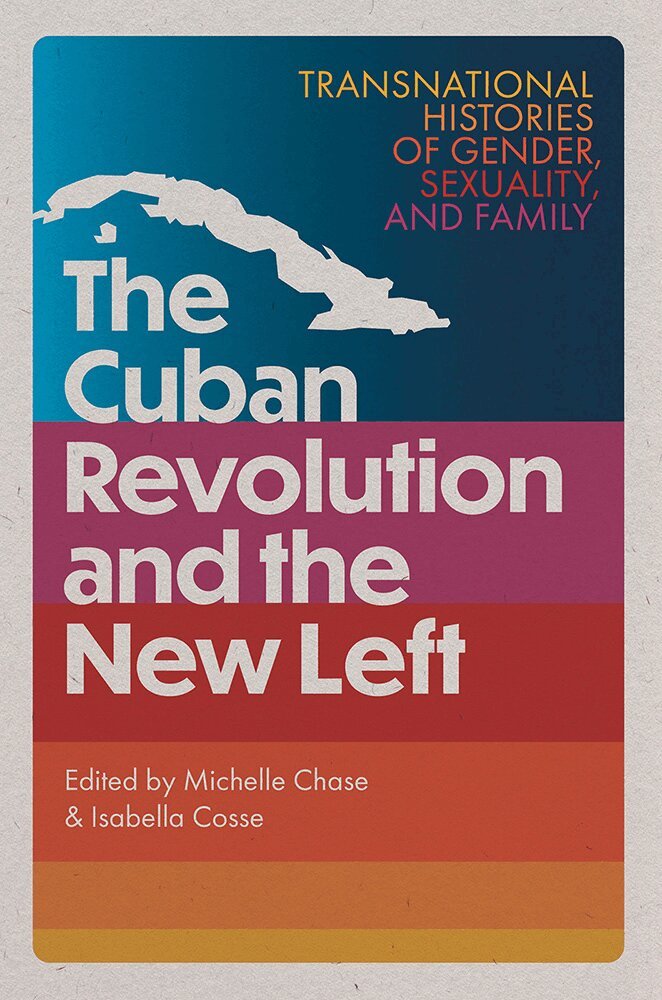
Cuban Revolution and the New Left
Transnational Histories of Gender, Sexuality, and Family
Av Michelle Chase, Isabella Cosse
Inbunden, 2026
1292 kr
Lägg i varukorg
Understanding overlooked dimensions of the Cuban Revolution and its impact on the global left in the 1960s and beyondThis volume reconsiders revolutionary Cuba’s global influence by shifting the focus from high-level political leaders to perspectives traditionally sidelined, offering new insights …
Cuban Revolution and the New Left
Transnational Histories of Gender, Sexuality, and Family
Av Michelle Chase, Isabella Cosse
Häftad, 2026
402 kr
Lägg i varukorg
Understanding overlooked dimensions of the Cuban Revolution and its impact on the global left in the 1960s and beyondThis volume reconsiders revolutionary Cuba’s global influence by shifting the focus from high-level political leaders to perspectives traditionally sidelined, offering new insights …
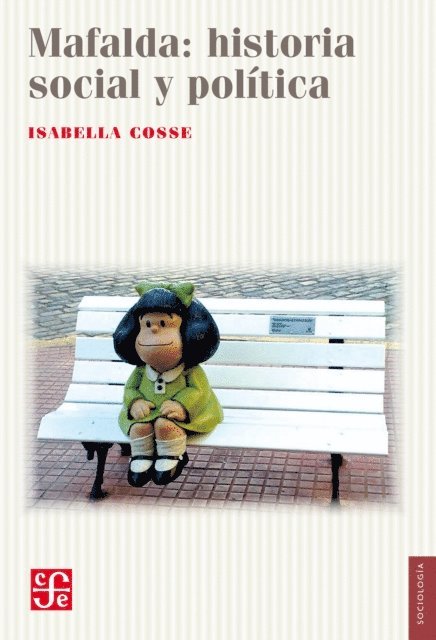
Mafalda: historia social y política
E-bok, 2015
91 kr
Lägg i varukorg
En "Mafalda: historia social y política", la autora reconstruye la historia detrás del mito, "las relaciones sociales, los dilemas políticos y las dimensiones culturales y económicas que explican por qué Mafalda cobró vida fuera de los cuadros y aún hoy está con nosotros".
Los '60 de otra manera
Vida cotidiana, género y sexualidade
Av Valeria Manzano, Karina Felitti m. fl.
E-bok, 2023
67 kr
Lägg i varukorg
Este libro reconstruye las transformaciones en la vida cotidiana en la Argentina de los años sesenta en conexión con los procesos económicos, sociales y políticos. Con esta apuesta aborda un período de singular importancia para comprender la historia contemporánea en nuestro país y pretende hacerlo …
Mafalda: historia social y política
E-bok, 2024
89 kr
Lägg i varukorg
En 1964, la revista Primera Plana lanzó una tira de humor cuya protagonista era una niña de clase media, intelectualizada y rebelde, llamada Mafalda. Cincuenta años más tarde, la genial tira de Quino se ha traducido a cerca de veinte idiomas, se sigue reeditando y agotando año tras año, y se ha …
Rotos corazones
Amor y política en los setenta
E-bok, 2025
96 kr
Lägg i varukorg
En el origen de este libro hay un testimonio que parece nimio pero dice mucho: un exmilitante montonero le cuenta a la autora que en 1973 fue a Ezeiza con la ilusión de recibir a Perón y que, cuando empezaron los disparos y las corridas, él no dejaba de preguntarse dónde estaba la chica que le …