Ivelisse Rodriguez – författare
Visar alla böcker från författaren Ivelisse Rodriguez. Handla med fri frakt och snabb leverans.
8 produkter
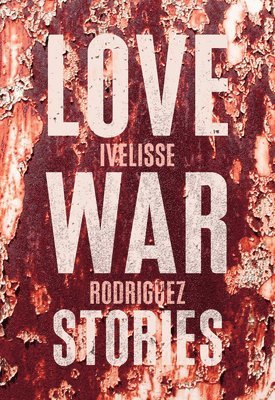
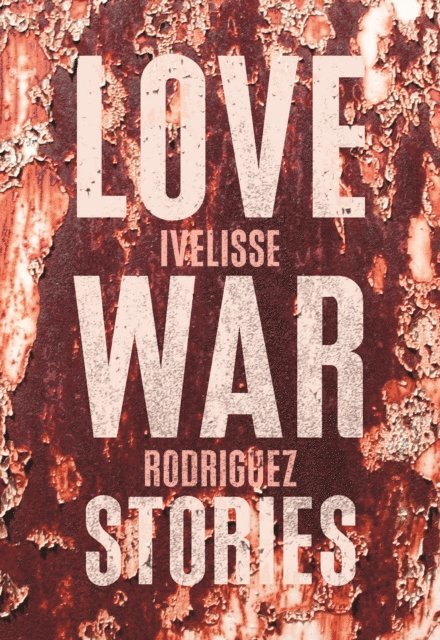
Love War Stories
Häftad, 2018
184 kr
Lägg i varukorg
Finalist for the 2019 PEN/Faulkner Award for Fiction Finalist for the 2018 Foreword Reviews INDIES Award Best Book/Most Anticipated Book/Recommended Read of 2018: Cosmopolitan.com , The Root , Electric Literature , Bustle , Book Riot , PEN America, PopSugar , The Rumpus , B*tch , Remezcla , Mitú, …
Love War Stories
E-bok, 2019
185 kr
Lägg i varukorg
“Arrests the heart with its stunning exploration of women who are put through a kind of hell in their determination to find true love . . . extraordinary.” —Angie Cruz, author of Dominicana Finalist for the 2019 PEN/Faulkner Award for Fiction Finalist for the 2018 Foreword Reviews INDIES Award Best …
Fiction Issue
An Aster(ix) Anthology, December 2021: An Aster(ix) Anthology
Av Ivelisse Rodriguez, Ayşe Papatya Bucak
Häftad, 2021
177 kr
Lägg i varukorg
Ancestors
Av Ivelisse Rodriguez, Ed Pavlic
E-bok, 2021
157 kr
Lägg i varukorg
It is rare now for people to stay where they were raised, and when we encounter one another—whether in person or, increasingly, online—it is usually in contexts that obscure if not outright hide details about our past. But even in moments of pure self-invention, we are always shaped by the past. In …
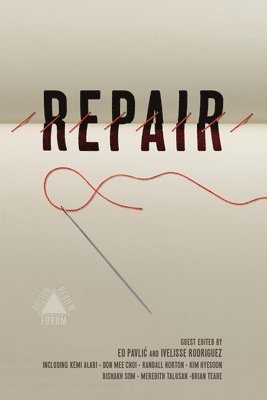
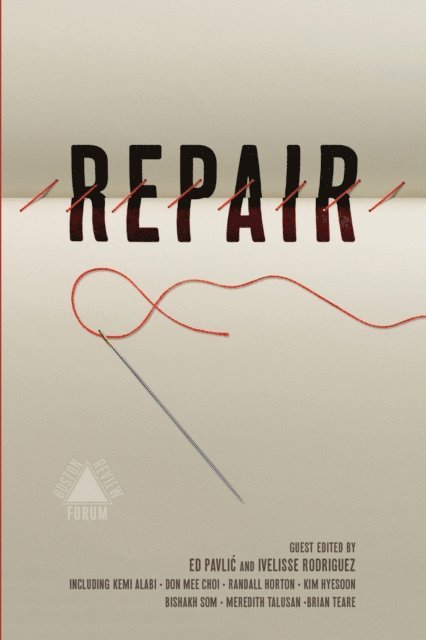
Repair
Av Ed Pavlic, Kali Fajardo-Anstine m. fl.
Häftad, 2022
198 kr
Lägg i varukorg
How we can recover from terrible ruptures, the pandemic, toxic politics, racist horrors, class warfare, gendered violence, and ecological brinksmanship. Individually and collectively, we bear deep wounds. Some of these are generations old; all have been worsened by a destructive period of pyrrhic …
Repair (Boston Review)
Av Ivelisse Rodriguez, Ed Pavlic
E-bok, 2022
157 kr
Lägg i varukorg
We bear deep wounds, individually and collectively. All have been worsened by a period of destructive politics that left us ill-equipped to respond to a global health catastrophe. As we struggle to recover our footing and grieve our dead, we believe that the arts must have a voice in the …
Speculation
Av Ivelisse Rodriguez, Ed Pavlic
E-bok, 2023
157 kr
Lägg i varukorg
How can the speculative imagination help us build a better world? At a world-historical moment of global upheaval, speculative writing is enjoying a renaissance. This collection of poetry, stories, and essays engages speculation as both a ubiquitous feature of financial capitalism and a radical …